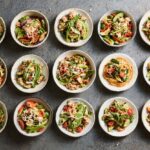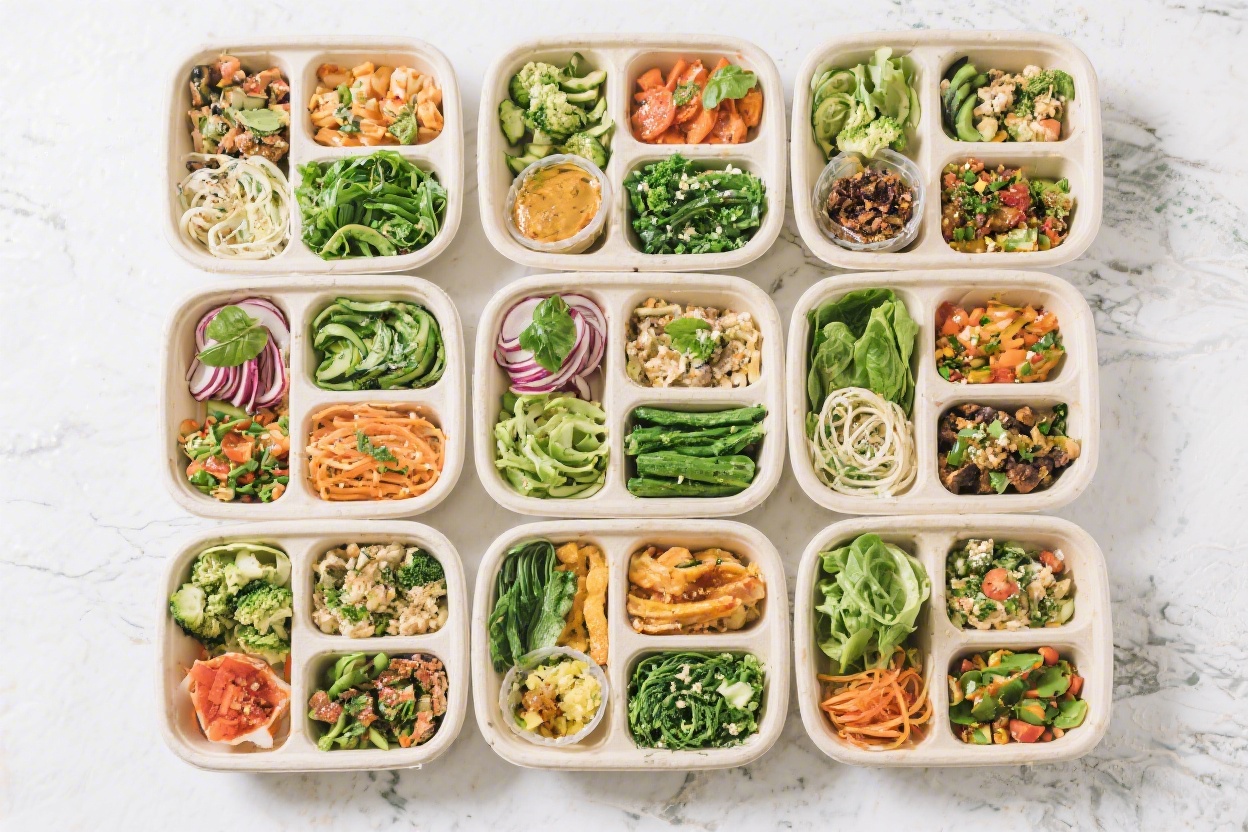
Meal prep takes the stress out of busy weeks and helps you eat well without overthinking every meal. These vegan ideas are easy to prep, pack, and reheat—perfect for work lunches or quick dinners. You’ll find balanced options with protein, fiber, and healthy fats, so you stay full and energized.
No fancy equipment needed, just basic pantry staples and a couple of sheet pans. Pick a few to rotate or batch-cook several for variety.
Contents
- 1 Why This Recipe Works
- 2 What You’ll Need
- 3 Step-by-Step Instructions
- 4 Storage Instructions
- 5 Why This is Good for You
- 6 What Not to Do
- 7 Variations You Can Try
- 8 FAQ
- 8.1 How many meals will this make?
- 8.2 Can I meal prep without a lot of time?
- 8.3 How do I get enough protein on a vegan plan?
- 8.4 What containers work best?
- 8.5 How do I keep salads from getting soggy?
- 8.6 Can I make these oil-free?
- 8.7 What can I do if I don’t like tofu or tempeh?
- 8.8 How long can I keep cooked rice safely?
- 8.9 Can I freeze sauces?
- 8.10 What if I don’t have an oven?
- 9 Final Thoughts
Why This Recipe Works
This collection focuses on meals that store well, taste great after a day or two, and use accessible ingredients. You’ll get a mix of grains, legumes, veggies, and sauces that fit together for complete nutrition.
Most recipes use overlapping ingredients, so you save money and reduce waste. The flavors are simple but flexible, allowing you to adjust spices and heat. Each idea is designed to be prepped in under an hour, or combined for a 2–3 hour weekend cook-up.
What You’ll Need
- Proteins: Canned chickpeas, black beans, lentils (dry or canned), firm tofu, tempeh, edamame
- Grains and starches: Brown rice, quinoa, whole-grain pasta, sweet potatoes, oats, tortillas
- Veggies: Broccoli, bell peppers, carrots, cherry tomatoes, cucumbers, red onion, spinach, kale, zucchini, cauliflower
- Healthy fats: Avocado, tahini, olive oil, nuts (almonds, cashews), seeds (chia, hemp, pumpkin)
- Flavor boosters: Garlic, ginger, lemon, lime, soy sauce or tamari, sriracha, chili flakes, curry powder, cumin, smoked paprika, Italian seasoning, maple syrup
- Pantry staples: Vegetable broth, canned tomatoes, coconut milk, nutritional yeast, Dijon mustard, apple cider vinegar
- Basic tools: Two sheet pans, large pot, skillet, blender or food processor (optional), meal prep containers, mason jars
Step-by-Step Instructions
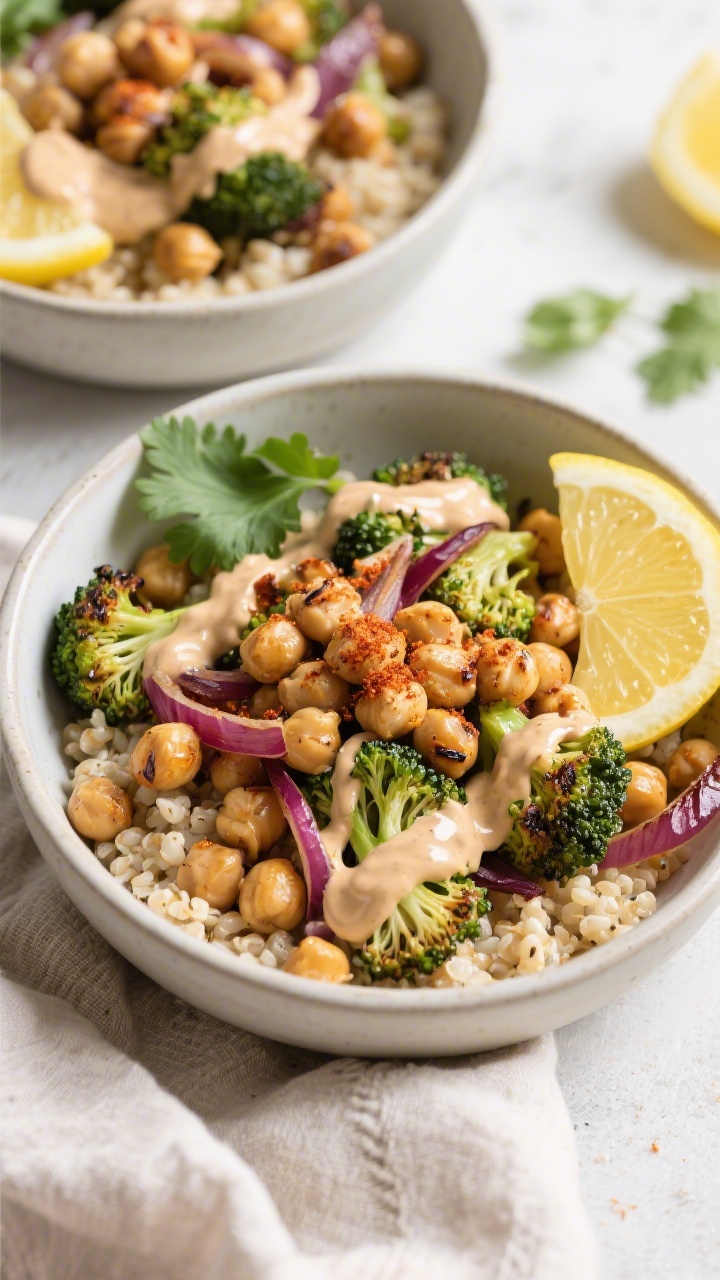
- Sheet Pan Lemon-Tahini Chickpea Bowls
- Toss chickpeas, broccoli, and red onion with olive oil, cumin, and smoked paprika.Roast at 400°F (200°C) for 20–25 minutes.
- Cook quinoa. Whisk tahini with lemon juice, garlic, maple syrup, and water.
- Portion quinoa, top with chickpeas and veg, and drizzle with sauce.
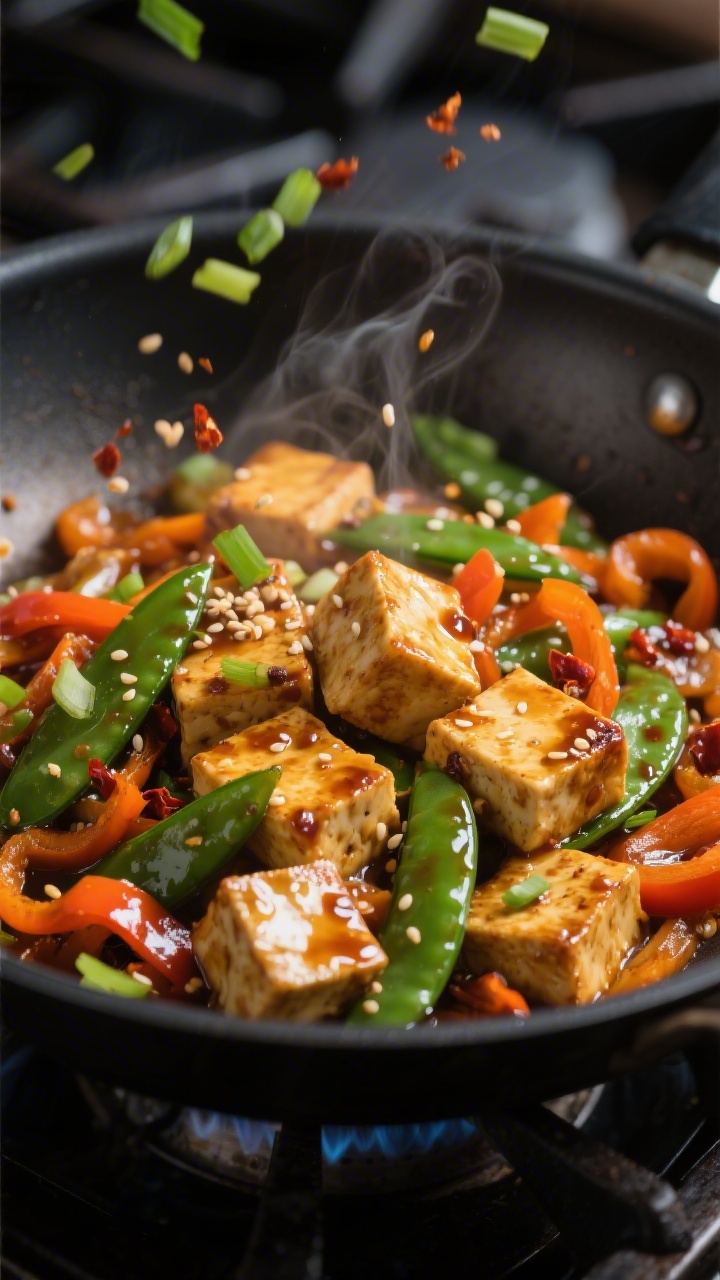
- Tofu Veggie Stir-Fry with Brown Rice
- Press and cube firm tofu. Sear in a hot skillet until golden.
- Stir-fry bell peppers, snap peas, and carrots with garlic and ginger.Add soy sauce, a splash of maple syrup, and chili flakes.
- Serve over cooked brown rice. Add sesame seeds for crunch.
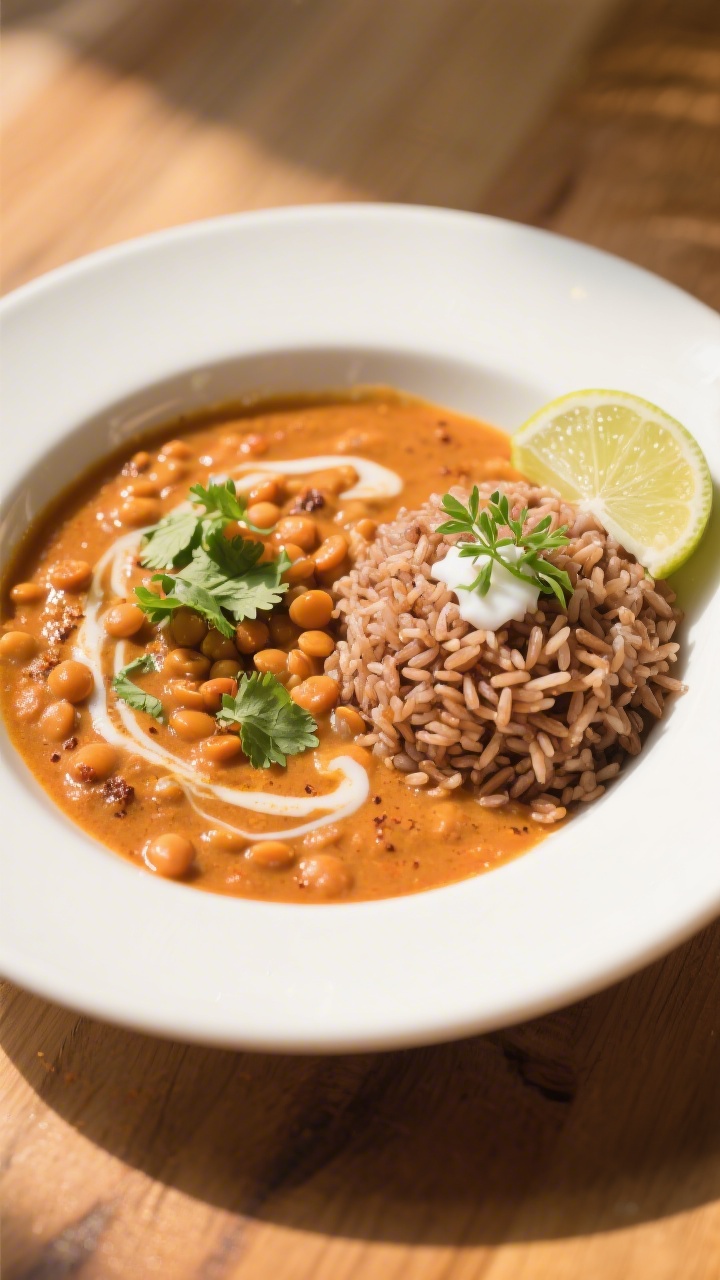
- Red Lentil Coconut Curry
- Sauté onion, garlic, and ginger. Stir in curry powder and cumin.
- Add red lentils, canned tomatoes, coconut milk, and vegetable broth.Simmer 20 minutes until creamy.
- Finish with lime juice and cilantro. Pair with rice or naan-style flatbread.
- Southwest Black Bean Burrito Jars
- Layer corn, black beans, cherry tomatoes, red onion, and cooked brown rice in jars.
- Add a quick dressing: lime juice, olive oil, cumin, salt. Shake when ready to eat.
- Top with avocado right before serving to keep it fresh.
- Mediterranean Pasta Salad
- Cook whole-grain or chickpea pasta.Rinse and cool.
- Toss with cucumbers, tomatoes, olives, red onion, spinach, and a lemon-oregano vinaigrette.
- Add chickpeas and a sprinkle of nutritional yeast for a cheesy note.
- Sweet Potato and Kale Power Bowls
- Roast cubed sweet potatoes with olive oil and smoked paprika.
- Massage chopped kale with lemon juice and a pinch of salt until softened.
- Serve with quinoa, roasted sweet potatoes, and a Dijon-tahini drizzle.
- Overnight Oats, Three Ways
- Base: Rolled oats, chia seeds, plant milk, pinch of salt.
- Flavors: Berry Almond (frozen berries, almond butter), Apple Pie (grated apple, cinnamon, maple), Chocolate Banana (cocoa, banana, peanut butter).
- Refrigerate overnight. Add toppings in the morning.
- Hummus Snack Boxes
- Portion hummus into small containers.
- Add carrot sticks, cucumber slices, cherry tomatoes, olives, and whole-grain crackers.
- Sprinkle with paprika and lemon zest for extra flavor.
- Tempeh Taco Crumbles
- Crumble tempeh into a skillet with a little oil. Add chili powder, paprika, cumin, and garlic powder.
- Stir in a splash of soy sauce and tomato paste.Cook until browned.
- Use for tacos, burrito bowls, or salads with avocado and salsa.
- Roasted Cauliflower and White Bean Soup
- Roast cauliflower florets and garlic until caramelized.
- Blend with vegetable broth, white beans, lemon juice, and nutritional yeast.
- Simmer 10 minutes. Finish with olive oil and pepper.
Storage Instructions
- Fridge: Most dishes keep 3–4 days in airtight containers. Soups and curries can last up to 5 days.
- Freezer: Curry, soup, tempeh crumbles, and cooked grains freeze well for 2–3 months.Avoid freezing pasta salad and fresh greens.
- Reheating: Warm grains and mains on the stovetop with a splash of water or in the microwave in 60–90 second bursts, stirring between.
- Dressings and sauces: Store separately and add just before eating to keep textures fresh.
- Avocado and cut fruit: Prep day-of when possible, or brush with lemon/lime juice and store tightly covered.
Why This is Good for You
- Balanced macros: Beans, lentils, tofu, and tempeh bring plant protein; grains provide steady carbs; nuts and seeds add healthy fats.
- Fiber-rich: Veggies and legumes support digestion, fullness, and steady energy.
- Micronutrients: Leafy greens, tomatoes, and crucifers pack iron, folate, vitamin C, and antioxidants.
- Smart sodium and sugar: Homemade sauces keep salt and sweeteners in check without sacrificing flavor.
- Consistency: Prepped meals reduce last-minute choices and help you meet your nutrition goals.
What Not to Do
- Don’t skip seasoning: Undersalted grains and beans taste flat. Season at each step.
- Don’t mix soggy with crunchy: Keep dressings and roasted items separate until serving.
- Don’t overcrowd sheet pans: Spread veggies out so they roast instead of steam.
- Don’t ignore protein: Add a protein source to each meal to stay satisfied.
- Don’t forget labeling: Date containers so you know what to eat first.
Variations You Can Try
- High-protein swaps: Use edamame, seitan, or chickpea pasta to boost protein.
- Gluten-free plan: Choose rice, quinoa, corn tortillas, and tamari instead of soy sauce.
- Spice profiles: Go Mediterranean (oregano, lemon), Indian-inspired (garam masala, turmeric), or Korean-inspired (gochujang, sesame oil).
- Low-waste tip: Turn leftover roasted veggies into a quick frittata-style chickpea flour bake.
- No-cook lunches: Mix white beans with chopped cucumbers, tomatoes, herbs, olive oil, and lemon for a fast salad.
FAQ
How many meals will this make?
Prepping 3–4 of the ideas typically yields 8–12 servings, depending on portion size. Choose two mains, one grain, one salad, and snacks for a balanced week.
Can I meal prep without a lot of time?
Yes.
Batch-cook grains while roasting two sheet pans of veggies and chickpeas. Blend one sauce and assemble jars. In about 90 minutes, you’ll have several meals ready.
How do I get enough protein on a vegan plan?
Include a protein in each meal: tofu, tempeh, beans, lentils, or edamame.
Aim for 20–30 grams per meal by pairing legumes with grains and adding seeds or nuts.
What containers work best?
Use glass containers with snug lids for mains and smaller jars for sauces. Divided containers help keep textures separate. Mason jars are great for layered salads.
How do I keep salads from getting soggy?
Layer dressings at the bottom of a jar, then hearty items like beans and grains, followed by veggies and greens on top.
Toss just before eating.
Can I make these oil-free?
Yes. Roast with vegetable broth or aquafaba and use tahini, avocado, or nut-based sauces for richness. Season well with spices, citrus, and vinegar.
What can I do if I don’t like tofu or tempeh?
Use chickpeas, black beans, or lentils instead.
Seitan is another option if you’re not gluten-free.
How long can I keep cooked rice safely?
Cool rice quickly after cooking, store in the fridge within an hour, and eat within 3–4 days. Reheat until steaming hot.
Can I freeze sauces?
Most sauces freeze well, especially tomato-based and curry sauces. Tahini dressings can thicken after thawing—just whisk with a splash of water or lemon juice.
What if I don’t have an oven?
Use a skillet or air fryer for roasting-style results.
Stews, curries, and stir-fries work perfectly on the stovetop.
Final Thoughts
Simple, well-seasoned vegan meal prep can carry you through the week with less stress and better nutrition. Start with two mains, one grain, and a sauce, then build from there. Keep textures in mind, store smart, and season boldly.
With these 10 ideas, you’ll have flexible, tasty options ready whenever you are.
Printable Recipe Card
Want just the essential recipe details without scrolling through the article? Get our printable recipe card with just the ingredients and instructions.