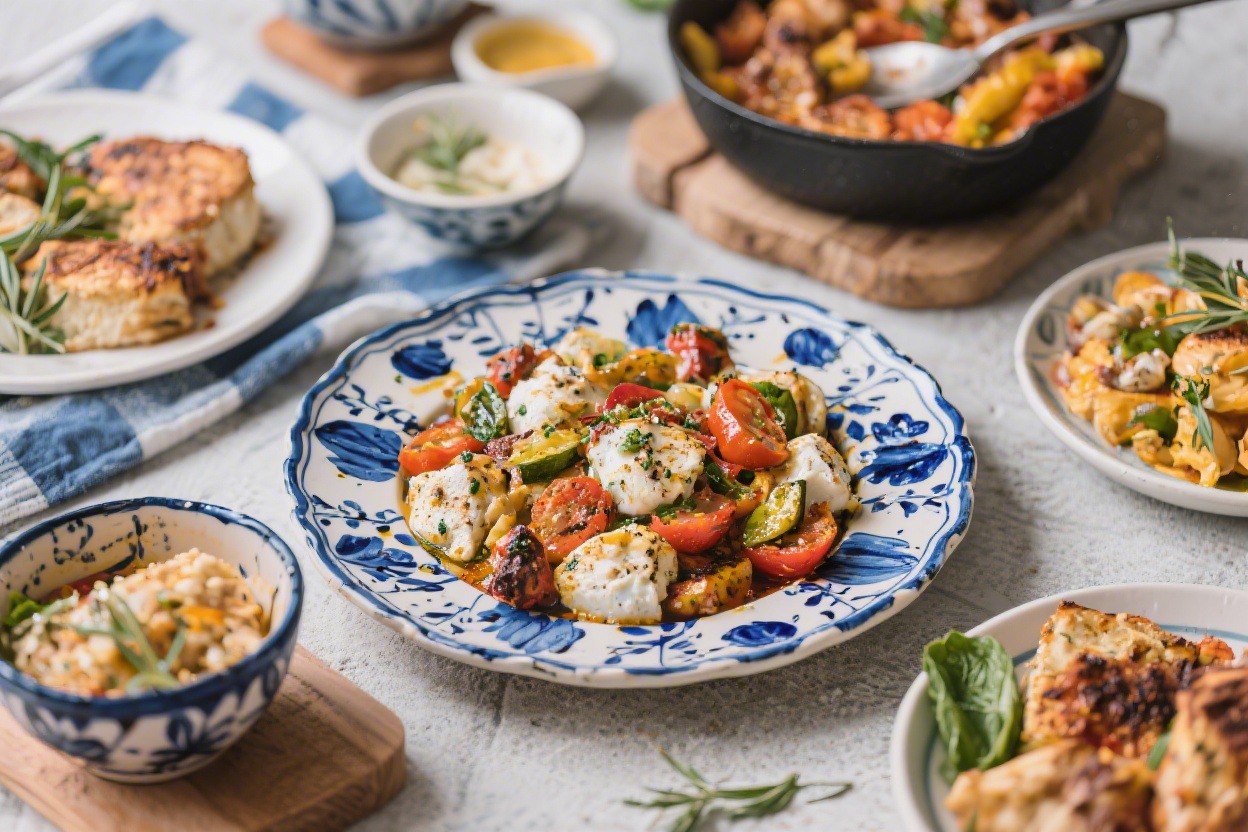
Greek food is all about bold flavors, generous olive oil, and meals meant to be shared. If you love hearty, honest cooking with bright herbs and simple techniques, this list is for you. These 25 authentic Greek dinner recipes bring the taverna experience home, from slow-baked casseroles to lemony grilled meats and vegetable-forward plates.
You’ll find familiar favorites like moussaka and souvlaki, plus regional gems worth adding to your weekly rotation. Keep it relaxed, set out some olives and bread, and enjoy a delicious, no-fuss Greek dinner at home.
Contents
- 1 What Makes This Special
- 2 Shopping List
- 3 Instructions
- 4 Keeping It Fresh
- 5 Benefits of This Recipe
- 6 What Not to Do
- 7 Recipe Variations
- 8 FAQ
- 8.1 Can I make these recipes ahead?
- 8.2 What if I don’t have kefalotyri?
- 8.3 Do I need a grill for souvlaki?
- 8.4 How can I make it vegetarian?
- 8.5 Which olive oil should I use?
- 8.6 What sides go best with grilled meats?
- 8.7 How do I keep seafood tender?
- 8.8 Can I freeze leftovers?
- 8.9 What wine pairs well with Greek dishes?
- 8.10 Any tips for perfect tzatziki?
- 9 Final Thoughts
What Makes This Special
Real Greek flavors, simplified: These recipes stick to traditional ingredients—olive oil, lemon, oregano, garlic, and fresh herbs—while staying weeknight-friendly.
Balanced and hearty: From legumes and greens to seafood and roasted meats, Greek dinners are naturally satisfying without being heavy.
Made for sharing: Greek meals often include multiple small plates. Mix and match a few dishes to build your own taverna spread.
Approachable techniques: Basic roasting, braising, grilling, and stovetop simmering make these recipes accessible to any home cook.
Shopping List
- Produce: Onions, garlic, lemons, tomatoes, cucumbers, potatoes, eggplant, zucchini, bell peppers, spinach, kale or chard, fresh dill, parsley, mint, oregano, thyme, bay leaves.
- Pantry: Extra-virgin olive oil, red wine vinegar, white wine, tomato paste, canned tomatoes, chickpeas, lentils, orzo, rice (short-grain for dolmades; long-grain for pilaf), honey, dried oregano, cinnamon, allspice, nutmeg, sea salt, black pepper, capers, olives.
- Dairy: Feta, Greek yogurt, kefalotyri or pecorino (for grating), butter (optional for phyllo-based dishes).
- Proteins: Lamb (shoulder or leg), ground beef or lamb, chicken thighs or breasts, pork (shoulder or chops), fresh fish (sea bass, cod), shrimp, calamari.
- Bread and Pastry: Pita bread, country-style bread, phyllo dough.
- Extras: Grape leaves (jarred), anchovies (optional), skewers (for souvlaki), wooden toothpicks (for meze).
Instructions
- Plan your menu: Choose 1–2 mains (like moussaka or souvlaki), 1 legume or grain (like gigantes or orzo), and 1–2 sides or salads (like horiatiki or tzatziki).
- Prep base flavors: Finely chop onions, garlic, and herbs.Zest and juice a few lemons. This speeds up most Greek recipes.
- Marinate proteins: For souvlaki or grilled chicken, combine olive oil, lemon, garlic, oregano, salt, and pepper. Marinate 30 minutes to overnight.
- Build casseroles first: If making moussaka or pastitsio, start with roasting vegetables, cooking the meat sauce (tomato, cinnamon, allspice), and preparing béchamel if using.
- Cook legumes early: Simmer lentils or bake giant beans (gigantes) with tomato, onion, dill, and olive oil so they’re tender by serving time.
- Roast vegetables: Toss potatoes, zucchini, eggplant, or peppers with olive oil, lemon, oregano, and salt.Roast at 400–425°F (200–220°C) until golden and tender.
- Grill or pan-sear meats: Skewer souvlaki or grill chicken and pork chops over medium-high heat. Finish with lemon juice and oregano.
- Simmer seafood simply: Poach fish in a tomato, caper, and olive sauce, or grill whole fish with lemon and herbs. Keep it light and moist.
- Make sauces last minute: Whisk tzatziki (yogurt, cucumber, garlic, dill, lemon), skordalia (garlic–potato puree), or ladolemono (olive oil–lemon dressing) just before serving.
- Warm the bread: Heat pita or rustic bread to serve alongside dips, salads, and grilled items.
- Plate family-style: Arrange mains on platters and set sides in bowls.Garnish with fresh herbs, lemon wedges, and a drizzle of olive oil.
- Taste and adjust: Finish with salt, pepper, and a final squeeze of lemon to brighten flavors before bringing everything to the table.
Keeping It Fresh
- Use ripe produce: Juicy tomatoes, crisp cucumbers, and bright lemons make a big difference.
- Don’t skimp on olive oil: A good extra-virgin oil adds body and aroma to nearly every dish.
- Add herbs at the end: Stir in fresh dill, parsley, and mint off the heat to keep flavors vibrant.
- Balance acidity: Lemon and vinegar wake up slow-cooked dishes and rich casseroles.
Benefits of This Recipe
- Flexible menus: Mix meat, seafood, and plant-based options to suit any group.
- Nutritious and satisfying: Olive oil, legumes, fish, and vegetables deliver heart-healthy meals.
- Great for leftovers: Stews, beans, and casseroles taste even better the next day.
- Beginner-friendly: Straightforward techniques and pantry staples keep stress low.
What Not to Do
- Don’t overcomplicate: Greek food shines with simple combinations. Avoid heavy spices and too many steps.
- Don’t skip resting time: Let grilled meats rest and casseroles set before slicing.
- Don’t water down flavors: Season with enough salt, lemon, and olive oil for bold, balanced taste.
- Don’t overcook seafood: Keep fish and shrimp tender; cook just until opaque.
Recipe Variations
Here are 25 authentic Greek dinner ideas to build your menu. Pair a hearty main with a salad, dip, or bean dish for a complete meal.
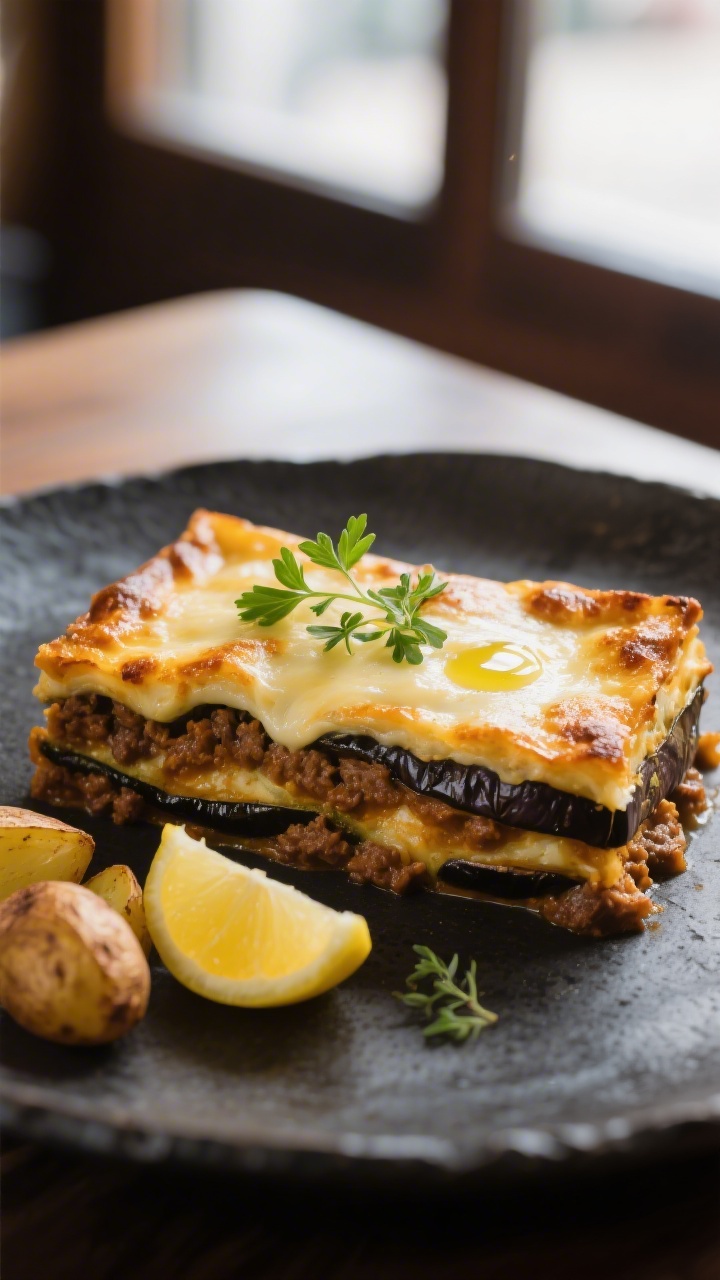
- Moussaka: Layers of eggplant, spiced meat sauce, and creamy béchamel, baked until golden.
- Pastitsio: Greek “lasagna” with tubular pasta, cinnamon-kissed meat sauce, and béchamel.
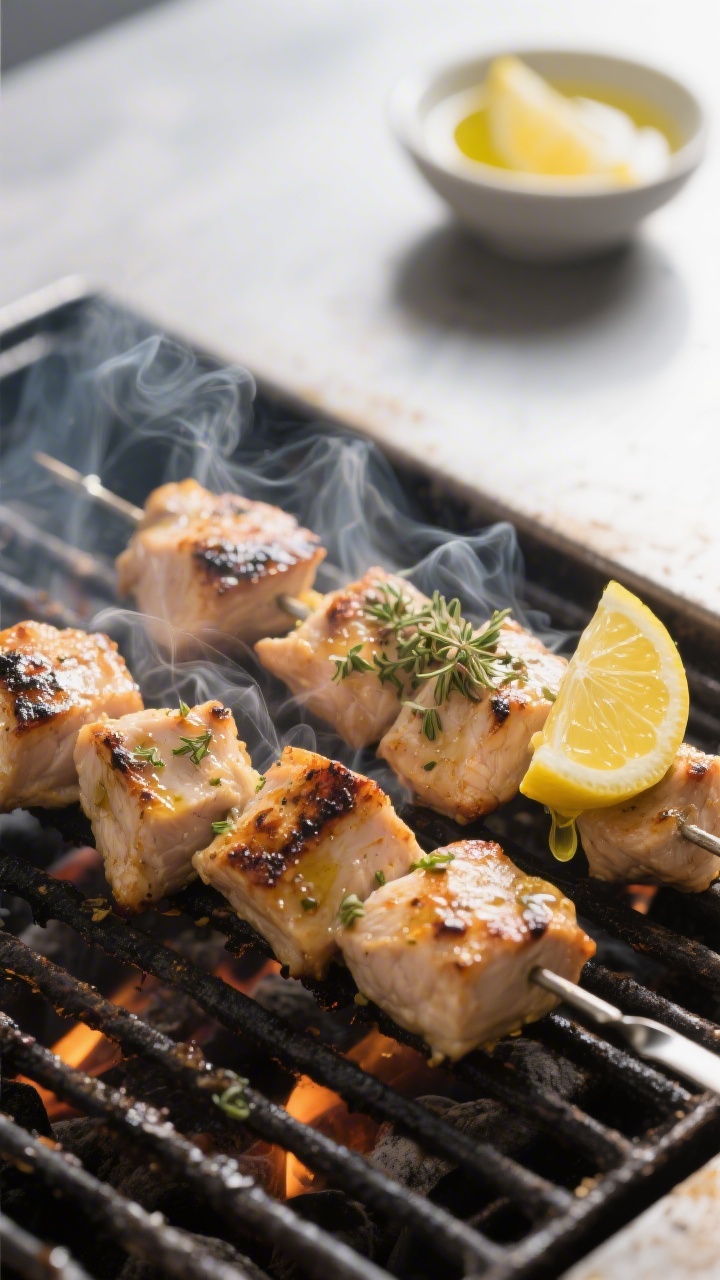
- Chicken Souvlaki: Lemon-oregano marinated chicken skewers, perfect with pita and tzatziki.
- Pork Souvlaki: Juicy, charred pork cubes, finished with lemon and a sprinkle of oregano.
- Lamb Kleftiko: Slow-roasted lamb with potatoes, garlic, lemon, and herbs, wrapped and baked.
- Greek Lemon Potatoes: Roasted wedges with lemon, garlic, and broth for tender, crisp edges.
- Gemista: Tomatoes and peppers stuffed with herbed rice (add ground meat if you like), baked in olive oil.
- Fasolada: Classic white bean soup with tomato, carrots, and celery—humble and comforting.
- Gigantes Plaki: Giant beans baked in tomato-dill sauce with plenty of olive oil.
- Spanakorizo: Spinach rice with dill and lemon; top with feta or a poached egg.
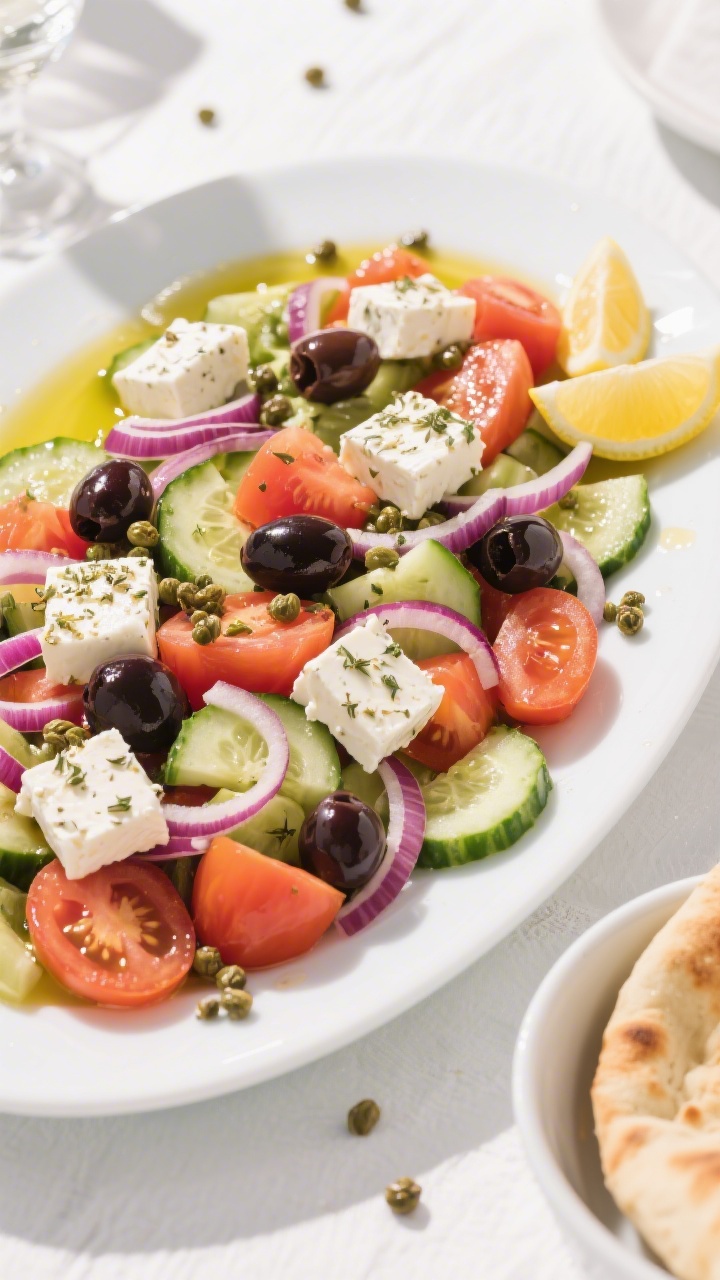
- Horiatiki (Greek Salad): Tomatoes, cucumbers, onions, olives, and feta with olive oil and oregano.
- Psari Plaki: Baked fish over onions and tomatoes with parsley and olive oil.
- Garides Saganaki: Shrimp in a garlicky tomato-feta sauce, finished with ouzo (optional).
- Kalamarakia Tiganita: Lightly fried calamari with lemon and sea salt.
- Keftedes: Herb-packed meatballs (beef or lamb) served with tzatziki or tomato sauce.
- Biftekia: Grilled Greek burgers with onion, oregano, and grated kefalotyri or feta.
- Makaronada Me Kima: Spaghetti with cinnamon-scented meat sauce and grated cheese.
- Avgolemono Soup: Chicken-lemon-egg soup that’s silky and bright.
- Kota Lemonata: Braised chicken with lemon, garlic, and potatoes.
- Horta Vrasta: Boiled wild greens (or kale/chard) dressed with olive oil and lemon.
- Imam Bayildi: Olive-oil-rich eggplant stuffed with onions and tomatoes (a beloved Lenten dish).
- Dolmades: Grape leaves stuffed with rice, herbs, and sometimes minced meat, simmered gently.
- Manitaria Skaras: Grilled mushrooms with garlic, lemon, and thyme—great side or meze.
- Kritharoto (Orzo Pilaf): Toasted orzo simmered in broth with tomato or lemon and herbs.
- Tiropita or Spanakopita: Flaky phyllo pies stuffed with cheese or spinach and feta.
FAQ
Can I make these recipes ahead?
Yes.
Casseroles, beans, and sauces can be cooked a day in advance. Reheat gently and finish with fresh herbs and lemon before serving.
What if I don’t have kefalotyri?
Use pecorino romano or parmesan as a substitute. For crumbled cheese toppings, feta is the most authentic and easy to find.
Do I need a grill for souvlaki?
No.
A hot grill pan or broiler works well. Aim for high heat and quick cooking to keep the meat juicy and lightly charred.
How can I make it vegetarian?
Choose dishes like gigantes plaki, spanakorizo, gemista (without meat), horta, and imam bayildi. Add grilled halloumi or a bean salad for protein.
Which olive oil should I use?
Use a good extra-virgin olive oil for dressings, finishing, and baking beans.
For high-heat frying, use a heat-stable oil or fry quickly with EVOO and monitor temperature.
What sides go best with grilled meats?
Greek salad, lemon potatoes, orzo pilaf, and tzatziki are classics. Warm pita and olives round out the plate.
How do I keep seafood tender?
Cook just until opaque and springy. For shrimp saganaki, pull it off the heat as soon as the shrimp curl and turn pink.
Can I freeze leftovers?
Most casseroles, meat sauces, and beans freeze well.
Avoid freezing salads and yogurt-based sauces like tzatziki, which can separate.
What wine pairs well with Greek dishes?
Try Assyrtiko with seafood, Agiorgitiko with meat sauces, and Xinomavro with lamb. For an easy option, a crisp, dry white or light red works with most plates.
Any tips for perfect tzatziki?
Strain yogurt and squeeze grated cucumber very well. Add garlic, dill, lemon, and a splash of olive oil.
Chill 30 minutes to meld flavors.
Final Thoughts
Greek dinners are about simple ingredients, generous hospitality, and honest flavor. Pick a comforting main, add a bright salad or legume dish, and finish with fresh herbs and lemon. With these 25 authentic recipes, you can set the table like a taverna any night of the week.
Keep it unfussy, share generously, and enjoy every bite.
Printable Recipe Card
Want just the essential recipe details without scrolling through the article? Get our printable recipe card with just the ingredients and instructions.