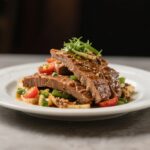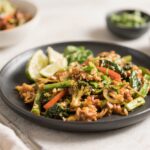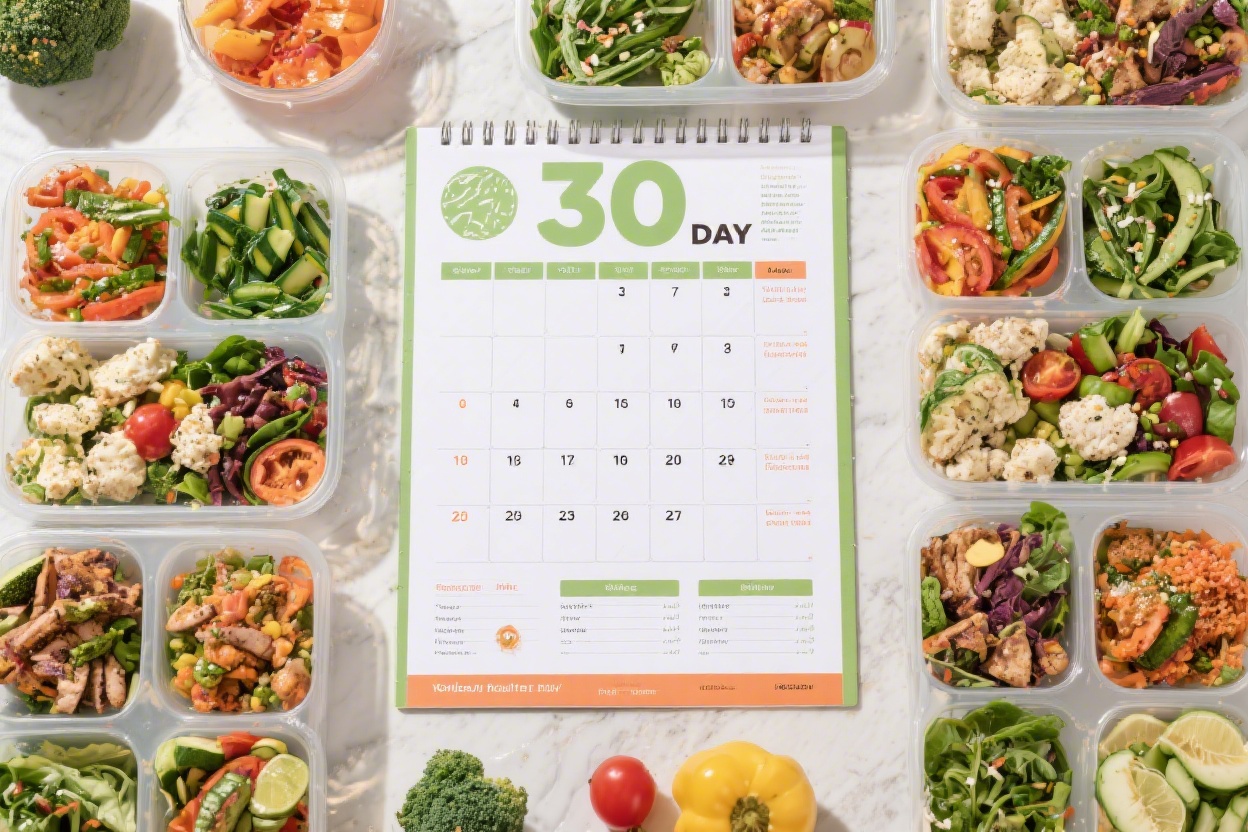
Meal prep doesn’t have to be complicated or time-consuming. This 30-day vegan meal prep calendar gives you a clear plan, flexible weekly themes, and grocery lists that make shopping easier. You’ll batch-cook once or twice per week, then mix and match meals so you never get bored.
It’s budget-friendly, balanced, and perfect for anyone who wants to eat more plants without spending hours in the kitchen. Use it as-is or tweak it to fit your taste and routine.
Contents
- 1 What Makes This Recipe So Good
- 2 Shopping List
- 3 Step-by-Step Instructions
- 4 Storage Instructions
- 5 Benefits of This Recipe
- 6 Common Mistakes to Avoid
- 7 Recipe Variations
- 8 FAQ
- 8.1 How do I use this as a 30-day calendar?
- 8.2 How many servings does this plan make?
- 8.3 Can I do this without a lot of cooking equipment?
- 8.4 What if I get bored of the same flavors?
- 8.5 How do I make it kid-friendly?
- 8.6 Is this plan expensive?
- 8.7 Can I hit protein goals on a vegan plan?
- 8.8 How long do prepped meals stay fresh?
- 8.9 What if I don’t like tofu?
- 8.10 Do I need to soak beans?
- 9 Wrapping Up
What Makes This Recipe So Good
- Simple structure: Four themed weeks with repeatable patterns make planning easy and predictable.
- Prep once, eat many times: Batch recipes turn into bowls, wraps, salads, and reheatable dinners.
- Balanced nutrition: Each week includes protein, whole grains, veggies, healthy fats, and fiber.
- Budget-friendly staples: Beans, lentils, tofu, frozen veg, and bulk grains keep costs low.
- Flexible and family-friendly: Swap proteins, use different sauces, and adjust spice levels.
Shopping List
Buy these core staples once (or as needed) to cover the entire month:
- Grains: brown rice, quinoa, rolled oats, whole wheat pasta, couscous or bulgur, tortillas, sourdough or whole grain bread
- Proteins: firm or extra-firm tofu, tempeh, canned chickpeas, black beans, kidney beans, lentils (red and green/brown), edamame
- Nuts & seeds: peanut butter or almond butter, tahini, chia seeds, hemp seeds, sunflower seeds, walnuts
- Vegetables: onions, garlic, bell peppers, carrots, celery, broccoli, cauliflower, sweet potatoes, white potatoes, spinach, kale, mixed greens, cucumbers, cherry tomatoes, mushrooms, zucchini
- Fruits: bananas, apples, berries (fresh or frozen), citrus (lemons/limes), avocado
- Frozen: mixed vegetables, peas, corn, berries, spinach (backup)
- Canned/jarred: diced tomatoes, tomato paste, coconut milk, vegetable broth, olives, salsa
- Flavor boosters: soy sauce or tamari, miso paste, nutritional yeast, curry powder, cumin, smoked paprika, chili powder, oregano, Italian seasoning, turmeric, cinnamon, garlic powder, onion powder
- Condiments: olive oil, sesame oil, vinegar (rice, apple cider, balsamic), hot sauce, maple syrup or agave, Dijon mustard, sriracha
- Extras: whole grain crackers, hummus, plant-based yogurt, plant milk, dark chocolate
Weekly fresh add-ons (adjust to taste and season):
- Herbs: cilantro, parsley, basil, green onions
- Salad items: lettuce mixes, cherry tomatoes, cucumbers, radishes
- Seasonal produce for variety: squash, asparagus, Brussels sprouts, eggplant, mangoes, pineapple
Step-by-Step Instructions
- Set your weekly rhythm: Pick two prep days (e.g., Sunday and Wednesday). Each prep day, make one grain, one protein, one sauce, one veggie roast, and one breakfast/snack.
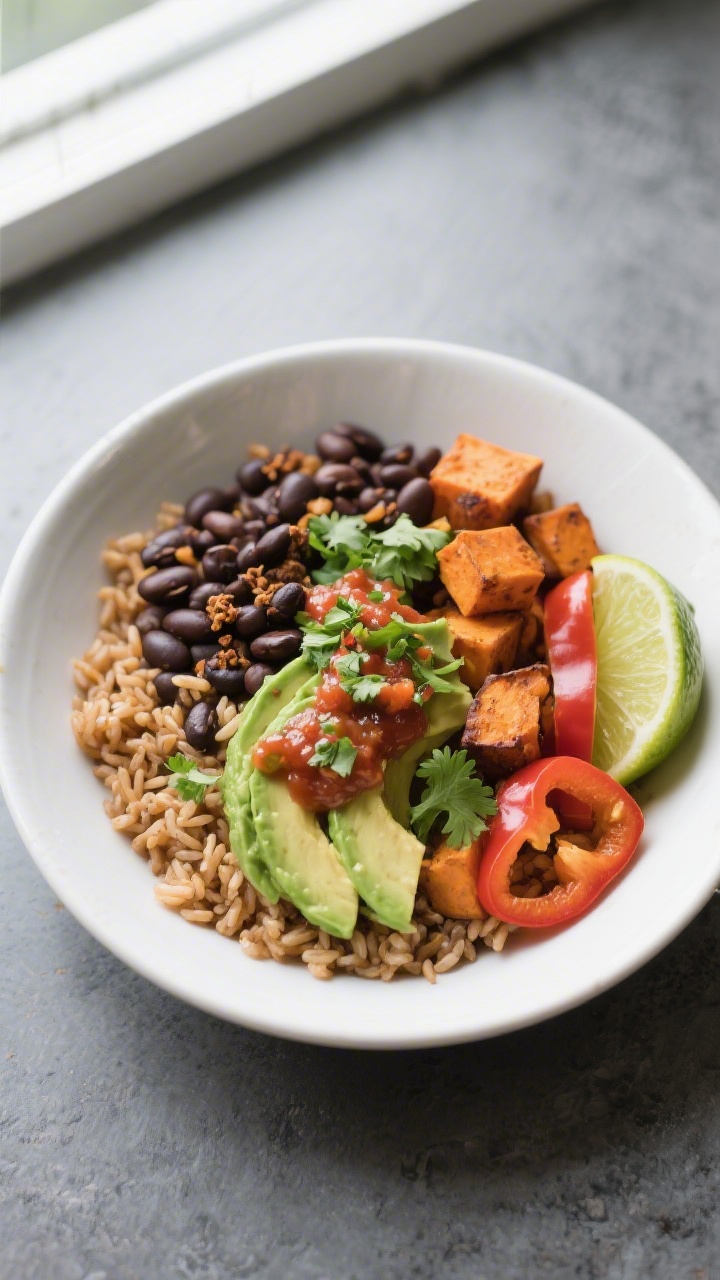
- Week 1 – Tex-Mex Basics: Cook brown rice; simmer black beans with cumin and chili powder; roast sweet potatoes and bell peppers; make a quick salsa-lime dressing.Build burrito bowls, tacos, and stuffed sweet potatoes all week.
- Week 2 – Mediterranean Mix: Cook quinoa; roast chickpeas with smoked paprika; chop a Greek-style salad (cucumbers, tomatoes, olives, red onion); whisk lemon-tahini sauce. Turn components into bowls, wraps, and pasta salads.
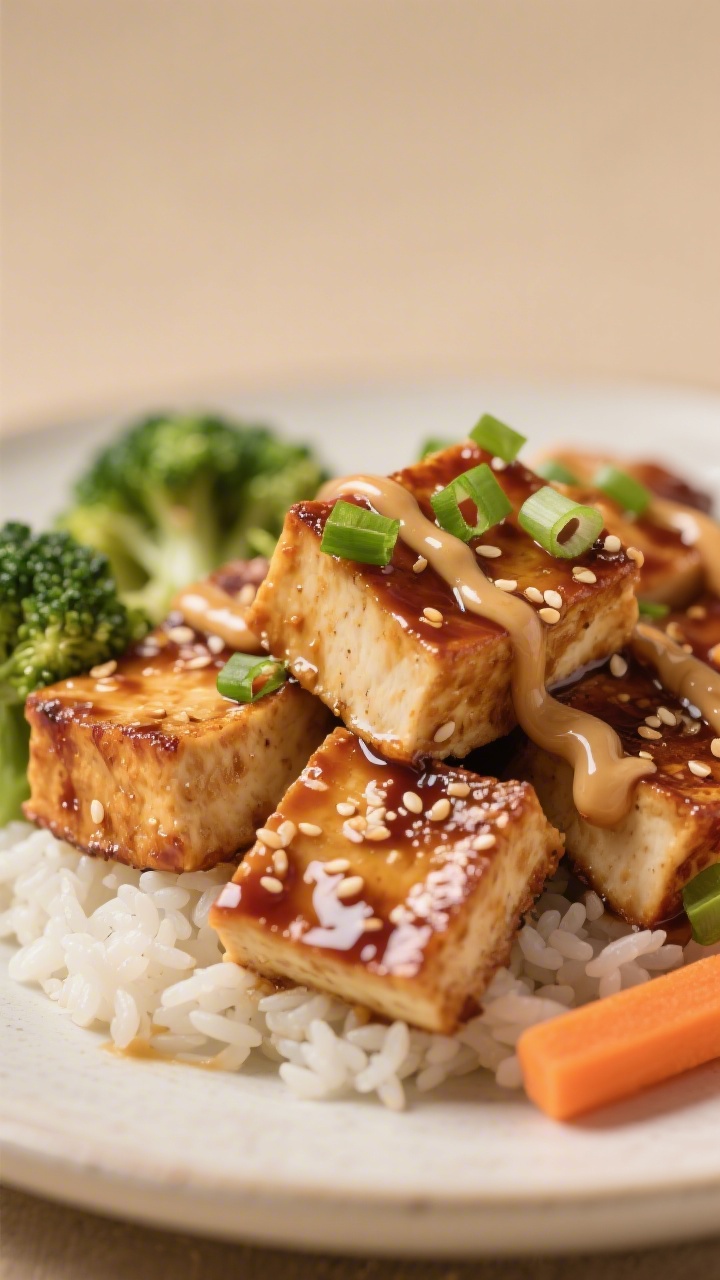
- Week 3 – Asian-Inspired: Cook jasmine or brown rice; press and bake tofu with soy-ginger glaze; steam or roast broccoli and carrots; prep a peanut-sesame sauce. Use for stir-fries, rice bowls, and lettuce wraps.
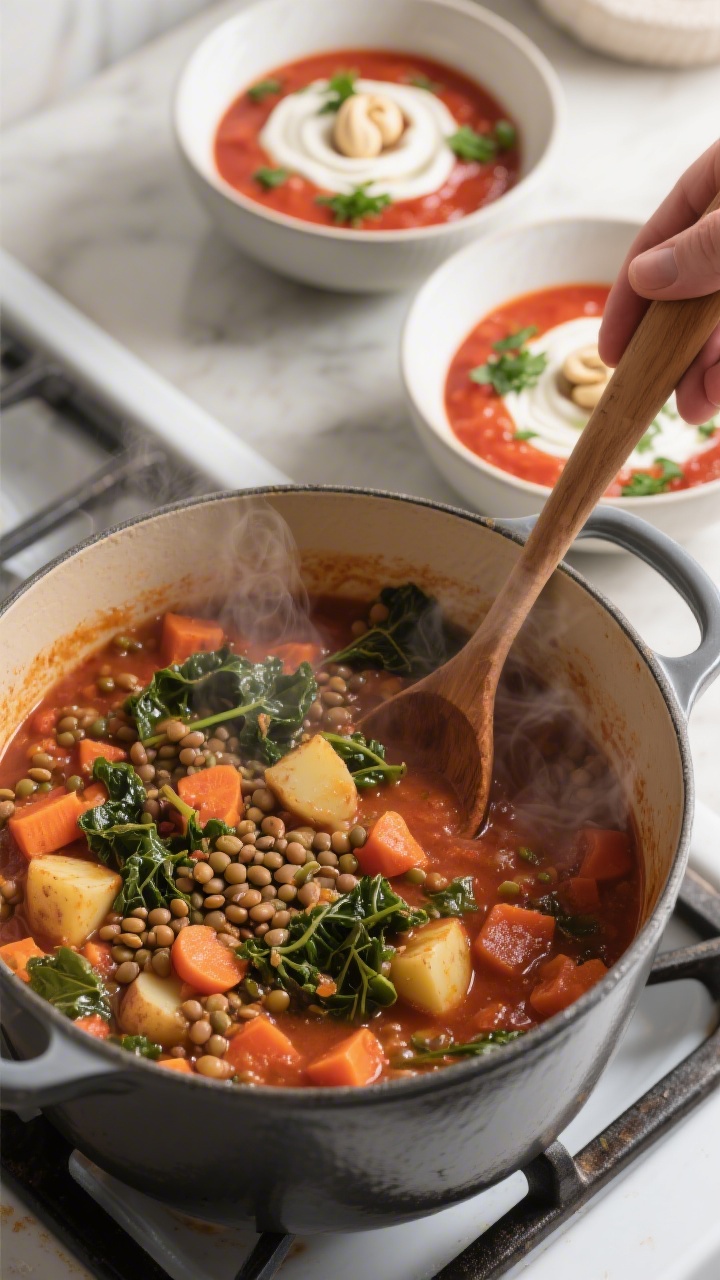
- Week 4 – Cozy Comforts: Batch-cook a lentil and vegetable stew; make a tray of roasted potatoes and Brussels sprouts; cook whole wheat pasta; prep a simple pesto or herby tomato sauce.Rotate between stews, pasta bowls, and warm salads.
- Make breakfast once: Each week, prep 5 days of overnight oats or chia pudding with berries and plant milk. Add seeds and nut butter for protein and healthy fats.
- Prep grab-and-go lunches: Portion grains, proteins, veggies, and sauces into containers. Aim for 4–5 lunches, leaving room for leftovers or eating out once.
- Plan fast dinners: Use prepped items to assemble in 10–15 minutes.Example: Tex-Mex bowl (rice + beans + roasted veg + avocado + salsa) or tofu stir-fry with frozen veggies.
- Snacks: Stock hummus with veggie sticks, fruit with nut butter, roasted chickpeas, trail mix, or plant yogurt with granola.
- Hydration & extras: Keep lemon water, tea, or cold brew ready. Prep a simple vinaigrette to freshen salads midweek.
- Rotate sauces for variety: Keep two sauces per week. Examples: salsa-lime and chipotle crema (cashew-based), lemon-tahini and basil pesto, peanut-sesame and miso-ginger, tomato-herb and garlic cashew cream.
- Use the freezer: Freeze half of stews, cooked beans, and grains in flat bags or containers for Week 4 backups.
Storage Instructions
- Refrigerator (4–5 days): Cooked grains, beans, tofu, roasted veggies, and sauces.Store separately for maximum freshness.
- Freezer (2–3 months): Soups, stews, cooked beans, cooked grains, and sauce bases (pesto without fresh herbs, tomato sauce, curry pastes).
- Containers: Use airtight glass or BPA-free plastic. Label with name and date. Portion lunches in single-serve containers.
- Reheating: Add a splash of water or broth to grains and beans before microwaving.Crisp tofu in a skillet for best texture.
- Salads: Keep dressing separate until serving. Layer hearty ingredients at the bottom, greens on top.
Benefits of This Recipe
- Saves time: Two short prep sessions replace daily cooking.
- Supports nutrition goals: High fiber, plant protein, and micronutrients from varied produce.
- Reduces decision fatigue: A clear calendar means fewer last-minute choices.
- Minimizes waste: Reuse core ingredients across multiple meals.
- Flexible for households: Omnivores can add their own proteins without changing the base plan.
Common Mistakes to Avoid
- Skipping seasoning: Salt beans and grains properly and use acids (lemon, vinegar) to brighten flavors.
- Overcooking tofu or veggies: Pull them when just golden and tender; they’ll get reheated later.
- Sauce overload: Keep sauces thick but not heavy. Thin with water or lime juice to taste.
- Not balancing macros: Include protein, carbs, fats, and veggies in each meal to stay satisfied.
- Ignoring texture: Add crunch (seeds, nuts), creaminess (avocado, hummus), and freshness (herbs) to keep meals exciting.
Recipe Variations
- High-protein focus: Add edamame, seitan, extra tofu, or lentil pasta.Sprinkle hemp seeds on breakfasts and salads.
- Gluten-free: Use corn tortillas, rice or quinoa pasta, and tamari instead of soy sauce.
- Oil-free: Roast with broth, water-sauté onions, and rely on nut/seed-based sauces for richness.
- Low-FODMAP: Swap onions/garlic for green tops of scallions, use canned lentils/beans in small portions, and choose low-FODMAP veggies.
- Spice level: Keep hot sauces on the side, or infuse heat with chipotle, gochujang, or chili crisp if you love spice.
FAQ
How do I use this as a 30-day calendar?
Follow the weekly themes in order. Repeat the structure each week with small swaps: change the grain, pick a different bean or tofu marinade, and rotate two sauces. Use your two prep days to refill components so you always have lunches and fast dinners ready.
How many servings does this plan make?
Each prep session targets 4–5 lunches, 4–5 dinners, and 5 breakfasts per person.
For two people, double grains and proteins or add an extra tray of roasted vegetables.
Can I do this without a lot of cooking equipment?
Yes. You need a pot for grains, a sheet pan for roasting, a skillet, and containers. A blender is helpful for sauces but not required—stir-together dressings work fine.
What if I get bored of the same flavors?
Change sauces first.
A new sauce can transform the same base ingredients. Also rotate herbs, add a crunchy topping, and switch one component (e.g., swap rice for couscous or tofu for chickpeas).
How do I make it kid-friendly?
Serve components deconstructed: plain rice, mild beans, simple roasted veggies, and a side of fruit. Keep spices gentle and offer sauces on the side for dipping.
Is this plan expensive?
No.
It leans on affordable staples like beans, grains, and seasonal produce. Buying in bulk and using frozen veggies where needed keeps costs down.
Can I hit protein goals on a vegan plan?
Absolutely. Focus on lentils, tofu, tempeh, edamame, beans, and whole grains.
Add seeds and nut butters to breakfasts and snacks for an extra boost.
How long do prepped meals stay fresh?
Most items last 4–5 days in the fridge. Freeze stews, rice, and beans if you won’t eat them within that window.
What if I don’t like tofu?
Swap in tempeh, seitan (if not gluten-free), or extra beans and lentils. Roasted chickpeas or marinated mushrooms also add great texture.
Do I need to soak beans?
Canned beans are perfectly fine and save time.
If using dried beans, soak overnight and cook in bulk, then freeze in portions for later weeks.
Wrapping Up
This 30 Day Vegan Meal Prep Calendar with Grocery Lists keeps your routine simple, your meals tasty, and your week stress-free. With a couple of short prep sessions, you’ll have breakfasts, lunches, and dinners ready to go. Use the weekly themes as a guide, switch up sauces and grains, and lean on your freezer for backup.
Stick with it for a month and you’ll have a system you can repeat any time life gets busy—without sacrificing flavor or nutrition.
Printable Recipe Card
Want just the essential recipe details without scrolling through the article? Get our printable recipe card with just the ingredients and instructions.