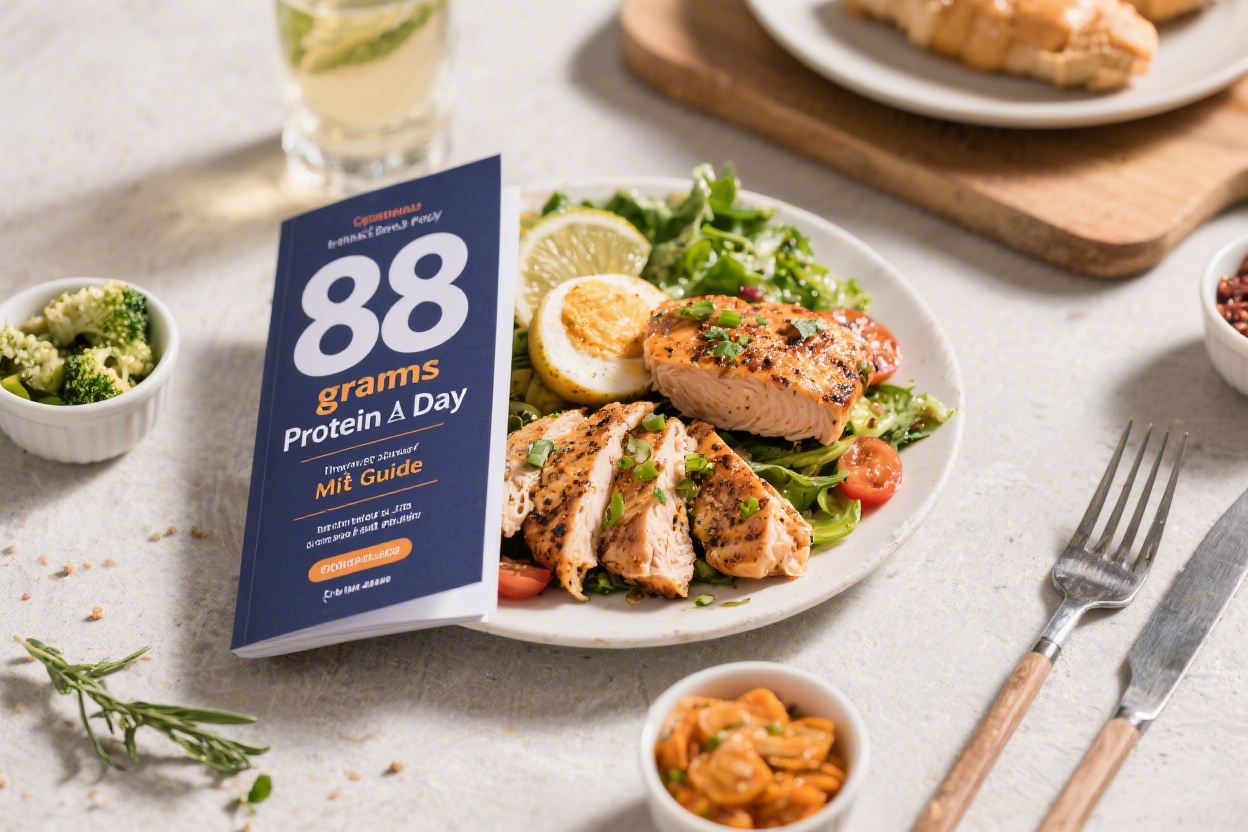
Hitting 80 grams of protein a day doesn’t have to mean dry chicken or chalky shakes. With a little planning, you can spread protein across meals and snacks so it feels easy and satisfying. This guide lays out a straightforward day of eating, with flexible swaps to match your taste and budget.
You’ll see the protein count in action and learn how to store and prep so you’re not cooking nonstop. Think of it as a gentle framework you can adjust to your routine.
Contents
- 1 What Makes This Special
- 2 What You’ll Need
- 3 Instructions
- 4 How to Store
- 5 Benefits of This Recipe
- 6 Pitfalls to Watch Out For
- 7 Variations You Can Try
- 8 FAQ
- 8.1 How much protein should I eat per meal to reach 80 grams?
- 8.2 Do I need protein powder?
- 8.3 Can I do this if I’m vegetarian or dairy-free?
- 8.4 What if I’m not that hungry in the morning?
- 8.5 Is 80 grams safe for most people?
- 8.6 How do I track my protein without getting obsessed?
- 8.7 Can I batch cook for the whole week?
- 9 Final Thoughts
What Makes This Special
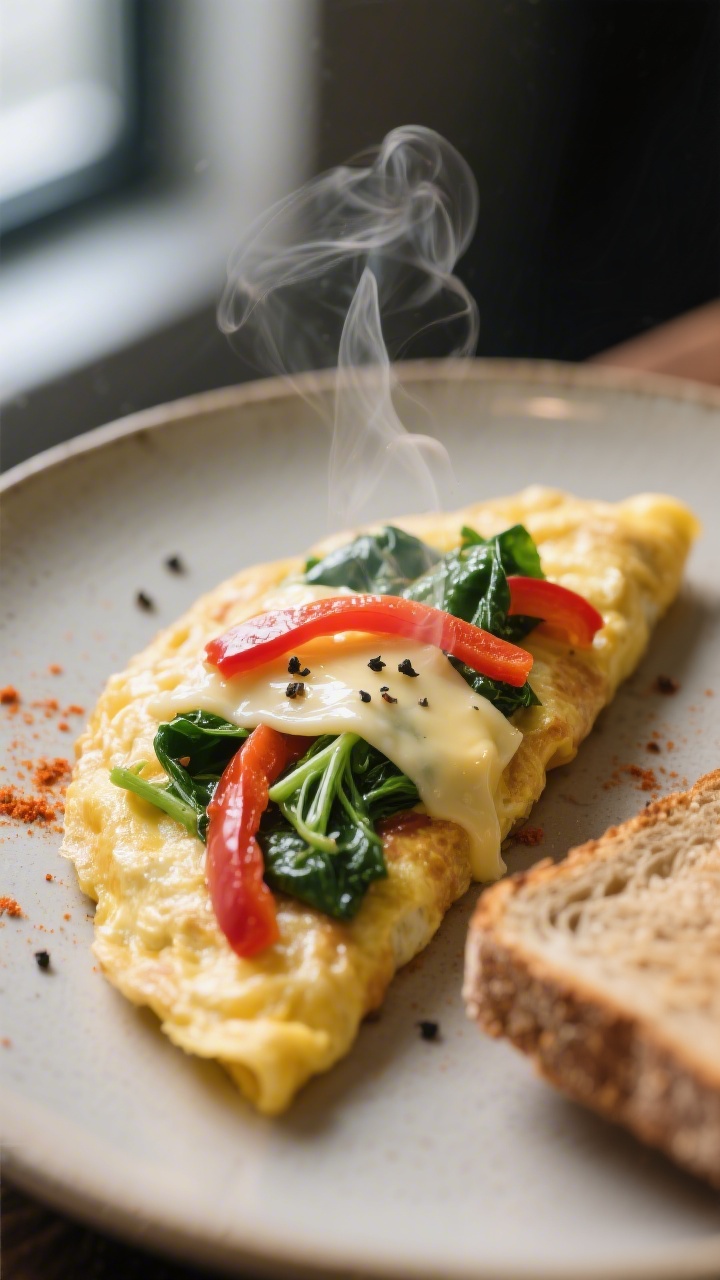
This guide focuses on simple, familiar foods you can find anywhere. It balances animal and plant proteins for variety and cost.
Portions are realistic, and each meal includes fiber and healthy fats to keep you full. You can prep most of it ahead, and there are quick alternatives when you’re short on time. Best of all, it’s flexible—swap in the foods you already love while keeping the protein target front and center.
What You’ll Need
- Protein options: Eggs, Greek yogurt (2% or 0%), cottage cheese, cooked chicken breast or rotisserie chicken, canned tuna or salmon, tofu or tempeh, protein powder (whey or plant-based)
- Grains and carbs: Whole-grain bread or wraps, oats, brown rice or quinoa, corn tortillas, sweet potatoes
- Fruits and veggies: Spinach, mixed greens, tomatoes, cucumbers, bell peppers, berries, bananas, frozen veggies
- Fats and extras: Olive oil, avocado, nuts or seeds, hummus, salsa, low-fat cheese, spices (salt, pepper, paprika, garlic powder)
- Flavor boosters: Lemon, lime, soy sauce or tamari, hot sauce, mustard, herbs
Instructions
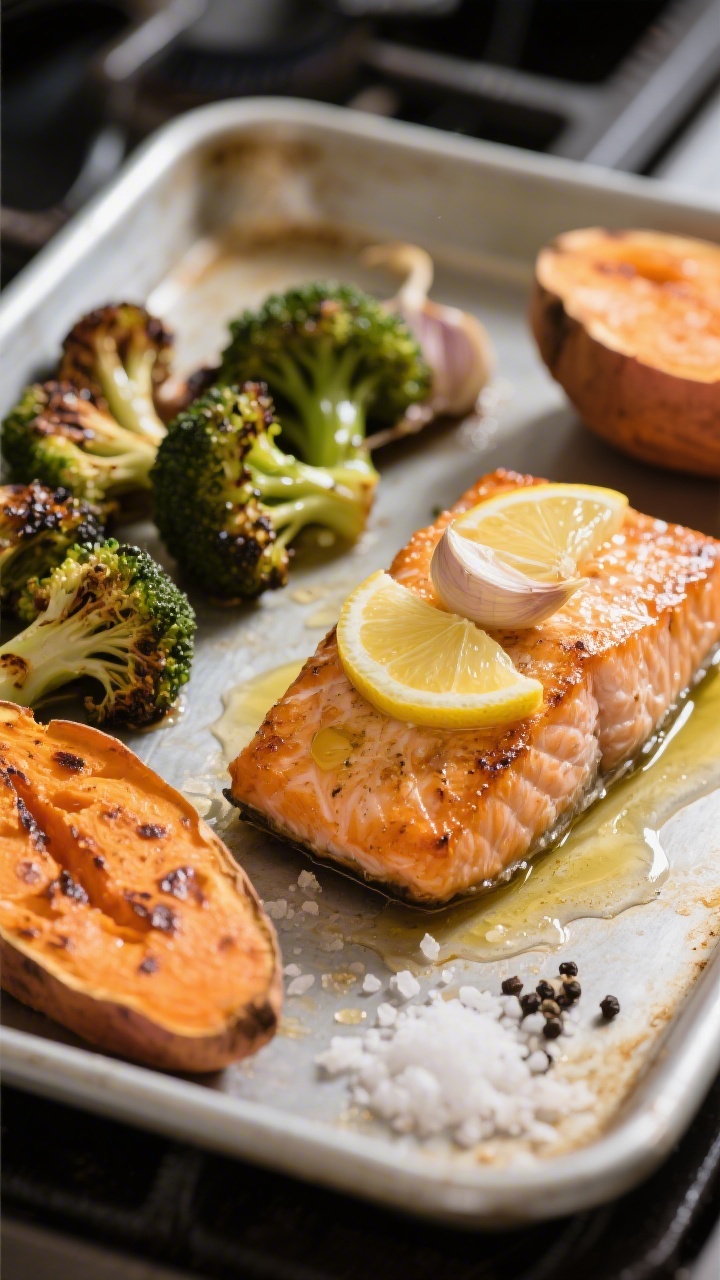
- Start with a protein-rich breakfast (20–25g). Try a veggie omelet: 2 whole eggs + 2 egg whites scrambled with spinach and peppers, topped with a sprinkle of cheese.Add a slice of whole-grain toast. Alternative: 1 cup Greek yogurt with berries and 1–2 tablespoons chopped nuts.
- Plan a mid-morning boost (10–20g). Have a protein shake (1 scoop whey or plant-based protein blended with water or milk). Alternative: Cottage cheese (3/4–1 cup) with pineapple or a drizzle of honey.
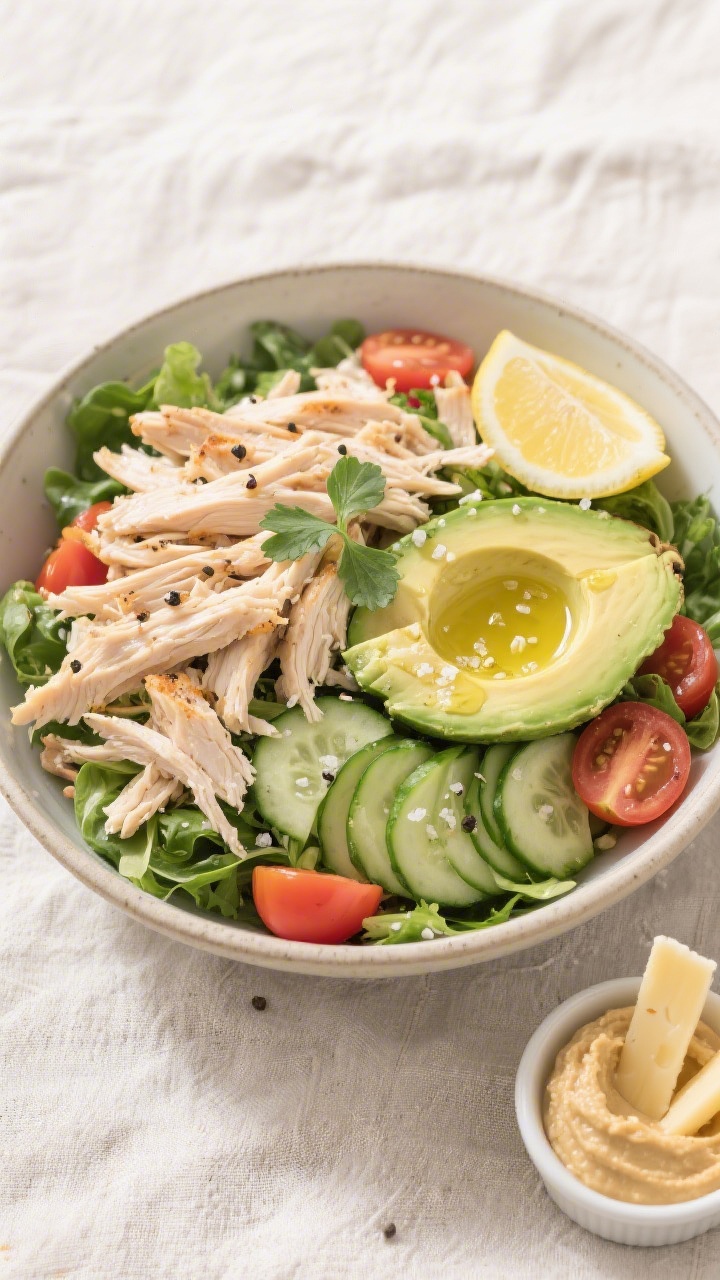
- Build a satisfying lunch (20–30g). Make a chicken and avocado salad: 3–4 ounces cooked chicken, mixed greens, tomatoes, cucumber, 1/4 avocado, and olive oil + lemon.Alternative: Tuna wrap with whole-grain tortilla, light mayo or Greek yogurt, and crunchy veggies.
- Keep an afternoon snack handy (10–15g). Hummus with veggie sticks and a cheese stick, or edamame sprinkled with sea salt. Alternative: A small bowl of lentil soup.
- Finish with a balanced dinner (20–30g). Try baked salmon (4 ounces) with roasted broccoli and a small sweet potato. Plant-based option: Marinated tofu stir-fry with mixed veggies over 1/2 cup cooked quinoa.
- Adjust portions to land near 80g total. If you’re short on protein by dinner, add an extra ounce of meat, a spoonful of hemp seeds, or half a scoop of protein powder in yogurt.
- Use easy seasonings to keep it interesting. Paprika, garlic powder, lemon, soy sauce, and hot sauce can transform the same base ingredients into new meals without extra effort.
- Batch cook and portion. Cook a protein (chicken, tofu, or salmon) and a grain (rice or quinoa) once, then mix and match through the week to save time.
How to Store
- Cooked proteins: Store in airtight containers in the fridge for 3–4 days, or freeze for up to 3 months.Slice or shred for quick use.
- Grains: Refrigerate cooked rice or quinoa for up to 4 days. Freeze in 1/2-cup portions for easy reheating.
- Cut veggies: Keep in sealed containers with a paper towel to absorb moisture. Use within 3–5 days.
- Yogurt and cottage cheese: Keep sealed and use by the date; once opened, finish within 5–7 days.
- Protein shakes: If premixing, refrigerate and drink within 24 hours.Shake before drinking.
Benefits of This Recipe
- Steady energy: Protein with fiber and fats slows digestion, keeping you full and focused.
- Muscle support: Hitting 80g helps maintain lean mass, especially if you’re active or losing weight.
- Flexible for preferences: Works with omnivore, vegetarian, or dairy-free choices.
- Budget-friendly: Uses affordable proteins like eggs, canned fish, yogurt, and tofu.
- Low effort: Batch prep and quick flavors reduce weekday cooking stress.
Pitfalls to Watch Out For
- Skipping breakfast: It makes hitting your goal harder and increases snacking later. Aim for at least 20g early.
- Underestimating portions: Weigh or measure once or twice to learn what 3–4 ounces of meat or 1 cup of yogurt looks like.
- Too much saturated fat: Choose lean cuts, go easy on cheese, and balance animal proteins with beans, tofu, or fish.
- Neglecting fiber: Add veggies, whole grains, and fruit to support digestion and fullness.
- Forgetting hydration and sodium: Protein needs water. If using deli meats or canned options, rinse or choose low-sodium versions.
Variations You Can Try
- Mediterranean: Greek yogurt bowl, tuna and olive salad, grilled chicken with quinoa tabbouleh, hummus snack.
- Tex-Mex: Breakfast burrito with eggs and black beans, turkey taco salad for lunch, tofu fajita bowl for dinner, Greek yogurt with lime and cinnamon for snack.
- Vegetarian: High-protein yogurt, lentil soup, tofu stir-fry, cottage cheese and fruit, edamame.Add tempeh or seitan for extra protein.
- On-the-go: Ready-to-drink protein shake, deli turkey wrap, canned salmon with crackers and veggies, string cheese and apple.
- Budget: Eggs, dried lentils, canned tuna, store-brand yogurt, frozen veggies, bulk rice.
FAQ
How much protein should I eat per meal to reach 80 grams?
Aim for roughly 20 grams at breakfast, 25 grams at lunch, 25 grams at dinner, and 10–15 grams from snacks. Spreading it out helps your body use it effectively and keeps you full.
Do I need protein powder?
No. Protein powder is just a convenience.
You can easily reach 80 grams with whole foods like eggs, yogurt, chicken, tofu, lentils, and fish. Use powder if it makes your routine easier.
Can I do this if I’m vegetarian or dairy-free?
Yes. Use tofu, tempeh, edamame, lentils, beans, quinoa, and fortified plant yogurts.
For dairy-free, choose soy or pea protein shakes and swap Greek yogurt for lactose-free or plant-based options.
What if I’m not that hungry in the morning?
Start small: a shake, a yogurt cup, or a hard-boiled egg with fruit. You can also push more protein to lunch and dinner, but try to include at least 10–15 grams early to stay on track.
Is 80 grams safe for most people?
For healthy adults, 80 grams per day is generally safe and often beneficial, especially if you’re active. If you have kidney disease or other medical conditions, check with your healthcare provider.
How do I track my protein without getting obsessed?
Use rough estimates and consistent portions.
Learn a few anchors: 1 cup Greek yogurt ~ 20g, 3 ounces chicken or fish ~ 20–25g, 2 eggs ~ 12g, 1 cup cottage cheese ~ 25g, 1 scoop protein powder ~ 20–25g.
Can I batch cook for the whole week?
Yes, but store safely. Cook proteins and grains, portion into airtight containers, and refrigerate for 3–4 days. Freeze extras and rotate to keep meals fresh.
Final Thoughts
Reaching 80 grams of protein a day is more about rhythm than strict rules.
Build each meal around a reliable protein source, add colorful plants, and keep simple snacks in reach. With a few swaps and some light prep, you’ll hit your target without thinking too hard. Make this guide your template, then adjust the flavors and ingredients to fit your life.
Consistency beats perfection—one solid day at a time.
Printable Recipe Card
Want just the essential recipe details without scrolling through the article? Get our printable recipe card with just the ingredients and instructions.