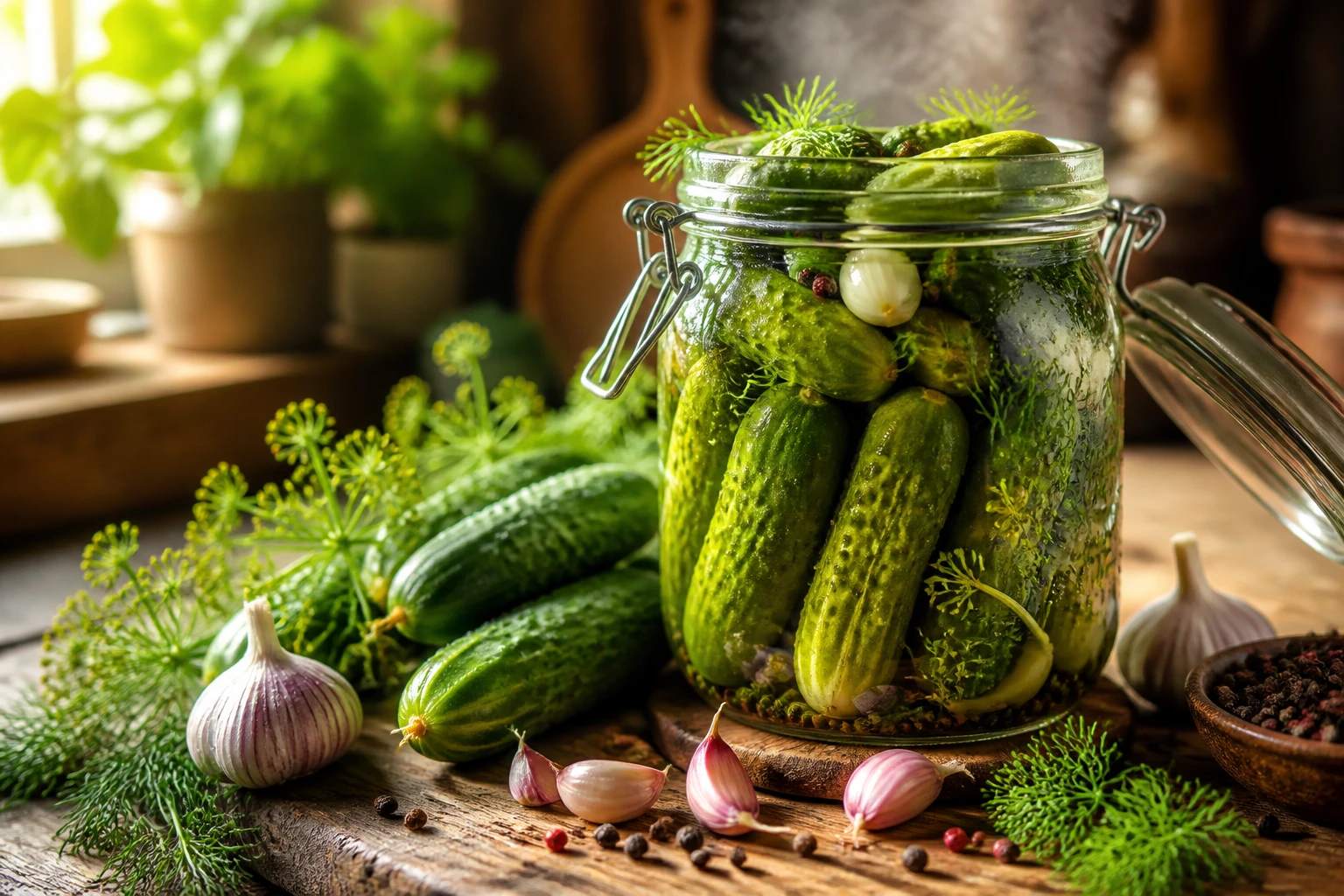
It only takes a few jars, a few cucumbers, and a little know-how to turn your fridge into a pickle pantry. If you’ve ever stared at a cucumber and wondered, “Can I actually make this edible without shriveling it into a brine disaster?” you’re in the right place. Let’s skip the suspense and get you crunchy, tangy rewards fast.
Why Homemade Pickles, Not Just Store-Bought Pipelines
Sure, store-bought pickles are convenient, but DIY pickles taste brighter, fresher, and you can tailor them to your exact cravings. Do you love garlic bombshells, or do you crave dill with a whisper of heat? DIY lets you steer the flavor ship. FYI, you’ll also save money per bite once you stock up. And yes, the bragging rights are real.
What You Need to Start: Simple Brine, Big Flavor
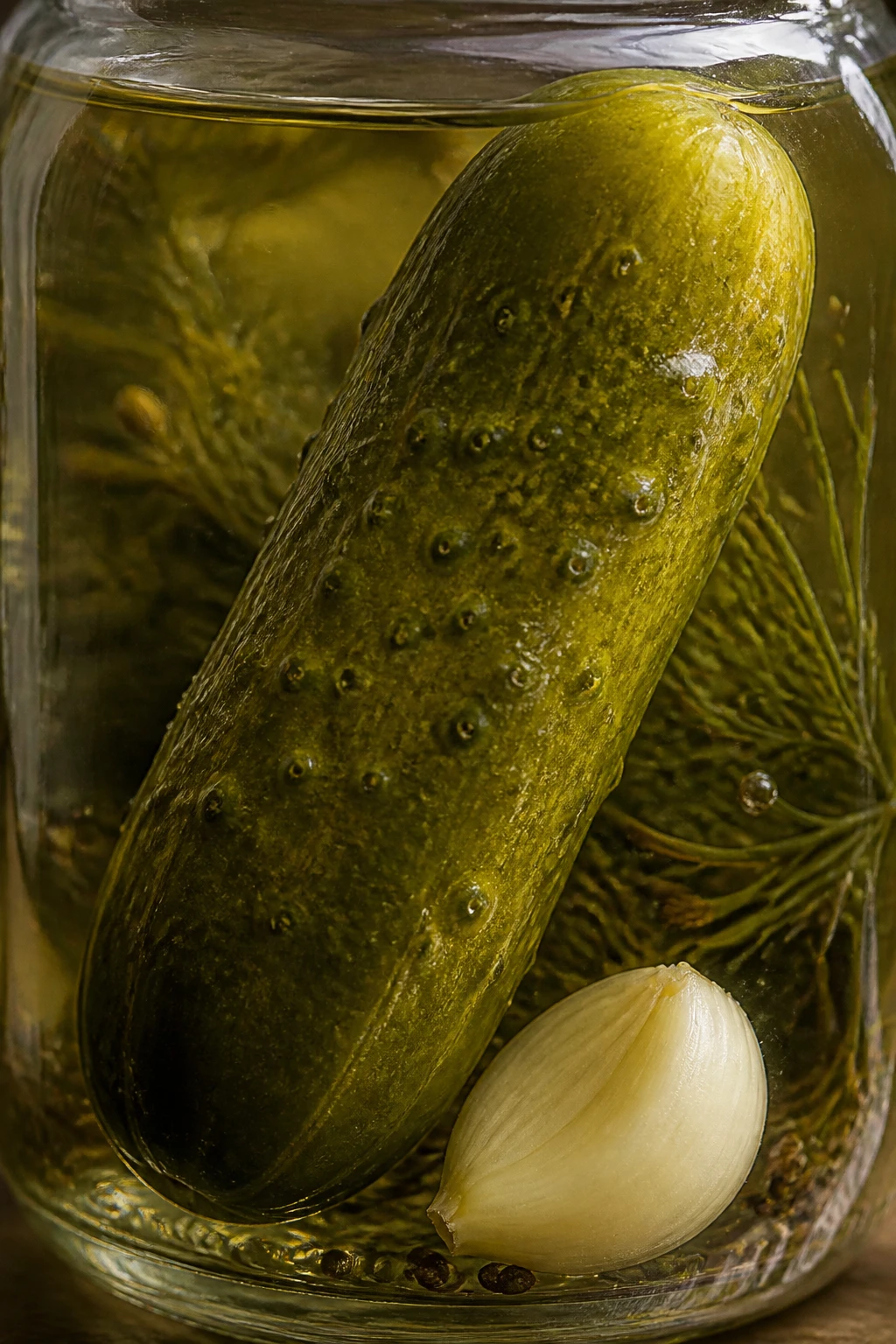
– Cucumber basics: pickling cucumbers stay crisp; regular cucumbers can get mushy in brine.
– Brine essentials: water, vinegar, salt, and sugar optional for balance.
– Flavor boosters: garlic, dill, peppercorns, mustard seeds, red pepper flake.
– Jars and lids: clean, sterilized jars make everything safer and crunchier.
Choosing the Right Cucs
– Pickling cucumbers are your best friends here. They stay crisp and hold flavor well.
– If you must use regular cucumbers, slice them thick enough to resist getting limp in the brine.
– Blame the water content for soggy results—less is more here.
Vinegar: How Strong Should It Be?
– Typical pickling uses 5% acidity vinegar. Too weak and your brine tastes flat; too strong and it overpowers the cucumber’s personality.
– You can blend with water if you’re aiming for milder tang. IMO, start with equal parts vinegar and water and adjust next batch.
The Simple Quick-Brine Method ( Refrigerator Pickles )
This is the no-cook, no-fuss approach that still yields satisfyingly crispy results.
- Wash and slice your cucumbers. Decide on spears, coins, or chips—your call.
- Mix a brine: 1 cup vinegar, 1 cup water, 1–2 tablespoons salt (non-iodized works best), and optional sugar to taste.
- Pack jars with cucumbers and flavorings like garlic, dill, and peppercorns.
- Pour brine to cover, seal, and refrigerate. Let them sit at least 24 hours; 48 hours is ideal for full flavor.
- Enjoy straight from the fridge. FYI, these are best within 1–3 weeks.
Flavor Bombs You Can Try
– Classic dill with garlic: dill heads or fronds + garlic cloves.
– Hot kick: add red pepper flakes or a sliced jalapeño.
– Sweet-tart twist: a pinch of sugar and a few slices of onion.
Fermented Pickles: A Different Beast
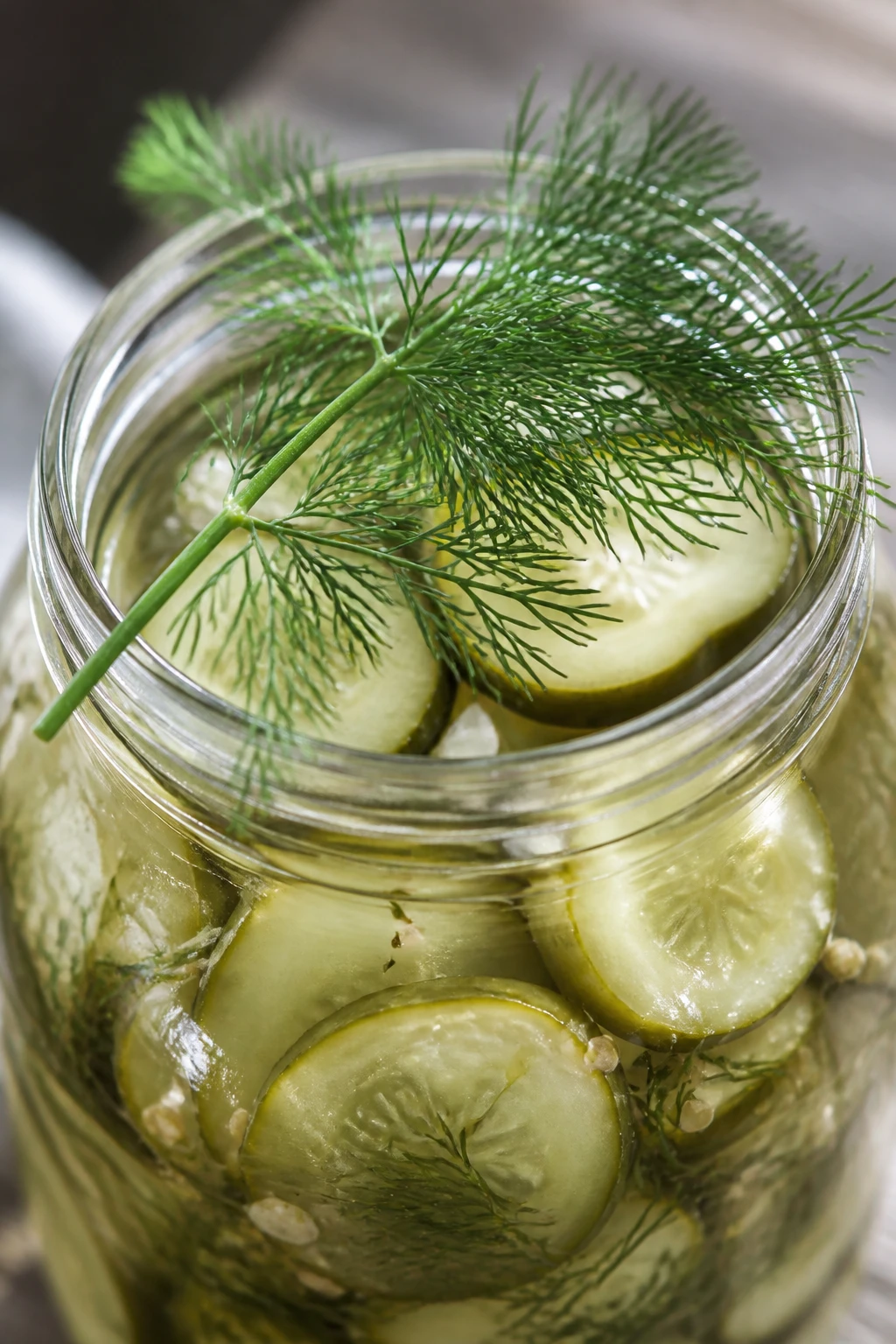
If you’ve heard “fermentation magic” and want deeper, sour flavors, this section is for you.
- They rely on beneficial bacteria, not vinegar, to develop tang.
- Crucial rule: keep everything submerged so mold doesn’t crash the party.
- Time is your friend here—3 days to several weeks depending on your taste.
Beginner Fermentation Steps
– Salt brine instead of vinegar: dissolve about 2 tablespoons of salt per quart of water.
– Submerge cucumbers completely in the brine with a weight (a clean rock works in a pinch).
– Store in a cool, dark place if you’re not chilling in the fridge. IMO, fridge fermentation slows things a little but keeps things safer.
Packaged Flavors: Layering Techniques for Maximum Crunch
Want a more exciting pickle journey? Layer flavors in a way that makes your taste buds dance.
- Fresh herbs: dill, tarragon, or coriander seeds add brightness.
- Crunch boosters: a grape leaf or a blade of horseradish can help keep cucumbers crisp.
- Texture tricks: add thin carrot coins or onions for zing and color.
How to Layer Without Overthinking
– Start with a base of cucumbers, then sprinkle spices and herbs between layers.
– Don’t pack too tight; air and brine contact matter for even flavor.
Safety First: Quality Checks and Troubleshooting
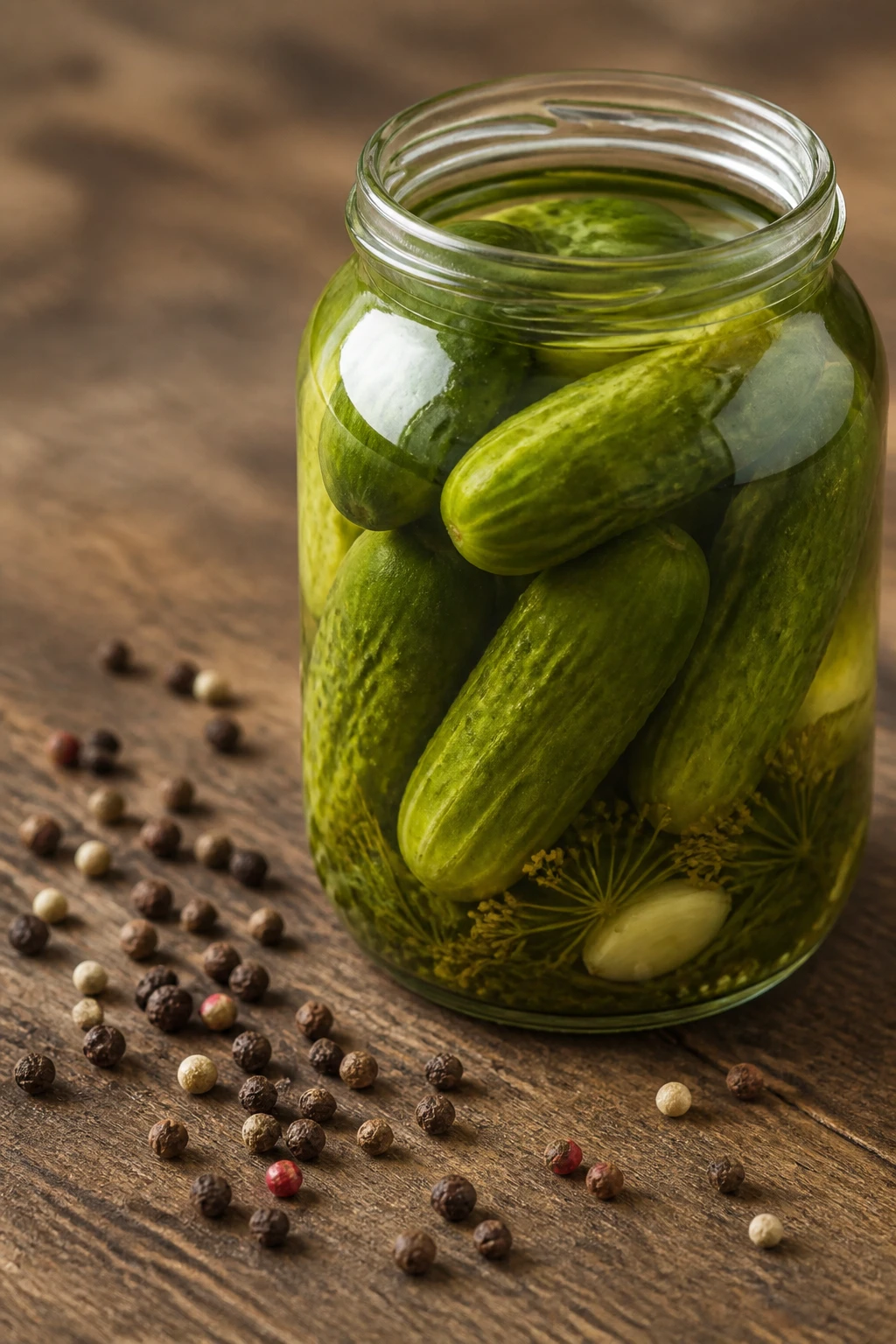
Pickling is pretty forgiving, but a few traps can ruin your batch before you even taste it.
- Cloudy brine? Usually harmless, but if you notice odd smells or slime, discard.
- Wilted cucumbers after a day? They might’ve absorbed too much salt or sat in a weak brine. Adjust your salt level next batch.
- Mushy texture? Likely overripe cukes or overlong exposure. Pickling cucumbers and shorter brine times help.
- Mold on top? Skim it off and re-submerge, but if it covers the surface, start fresh.
Storage and Shelf-Life
– Quick fridge pickles stay best for 1–3 weeks. If you start noticing flavor fading, it’s time to make a fresh batch.
– Fermented picks can last several weeks to months in the fridge, depending on how well you keep them submerged.
Common Mistakes (And How to Avoid Them)
– Overpacking jars: you want space for brine to circulate. Lightly packed is happier and crunchier.
– Skipping sterilization: hot jars are your friends. Quick wash, then a quick boil or dishwasher sanitize.
– Using iodized salt or mineral-heavy salts: pickling salt or kosher salt gives cleaner brine.
Quick Fixes for a Better Batch
– If your pickles taste too vinegary, add a splash of water and a pinch of sugar next time.
– If they’re bland, increase garlic and dill for the next batch or add a little pepper for heat.
FAQ: Quick Answers to Your Most Pressing Pickle Questions
Can I reuse the pickle brine?
Yes, you can reuse brine once, especially for a small second batch. Just taste it first—if it tastes off, don’t risk your second batch. Fresh brine means more reliable flavor.
Do I need to sterilize jars for refrigerator pickles?
Not strictly, but it’s a smart safety move. Quick wash and a rinse with hot water keep things clean and crisper.
What’s the best way to tell when pickles are ready?
For refrigerator pickles, taste is king. Start sampling after 24 hours; many folks love the 48-hour mark best. Fermented picks tell you through that sharp, sour kick you can’t fake.
Can I make spicy pickles without burning my mouth?
Absolutely. Start with a small amount of heat—one small chili or a pinch of red pepper flakes. You can always add more with future batches.
Is it cheaper to ferment or to brine?
Brined (vinegar-based) pickles are typically quicker and cheaper for beginners. Fermentation can be more economical long-term and yields distinct, tart flavors you won’t get otherwise.
Conclusion: Your First Batch, Your Personal Jar of Joy
So there you have it—the easiest path from cucumber to crunchy, tangy happiness. Start simple: quick-brine refrigerator pickles with cucumbers you trust, a handful of garlic and dill, and a jar you’ll actually finish. FYI, you’ll probably want to make a second batch as soon as you taste the first. The joy is in the process as much as the payoff.
If you want, I can tailor a ready-to-go starter recipe for your pantry gear and taste preferences. Ready to drop a couple cucumbers into brine and see what happens? Grab a jar, and let’s get crunchy.