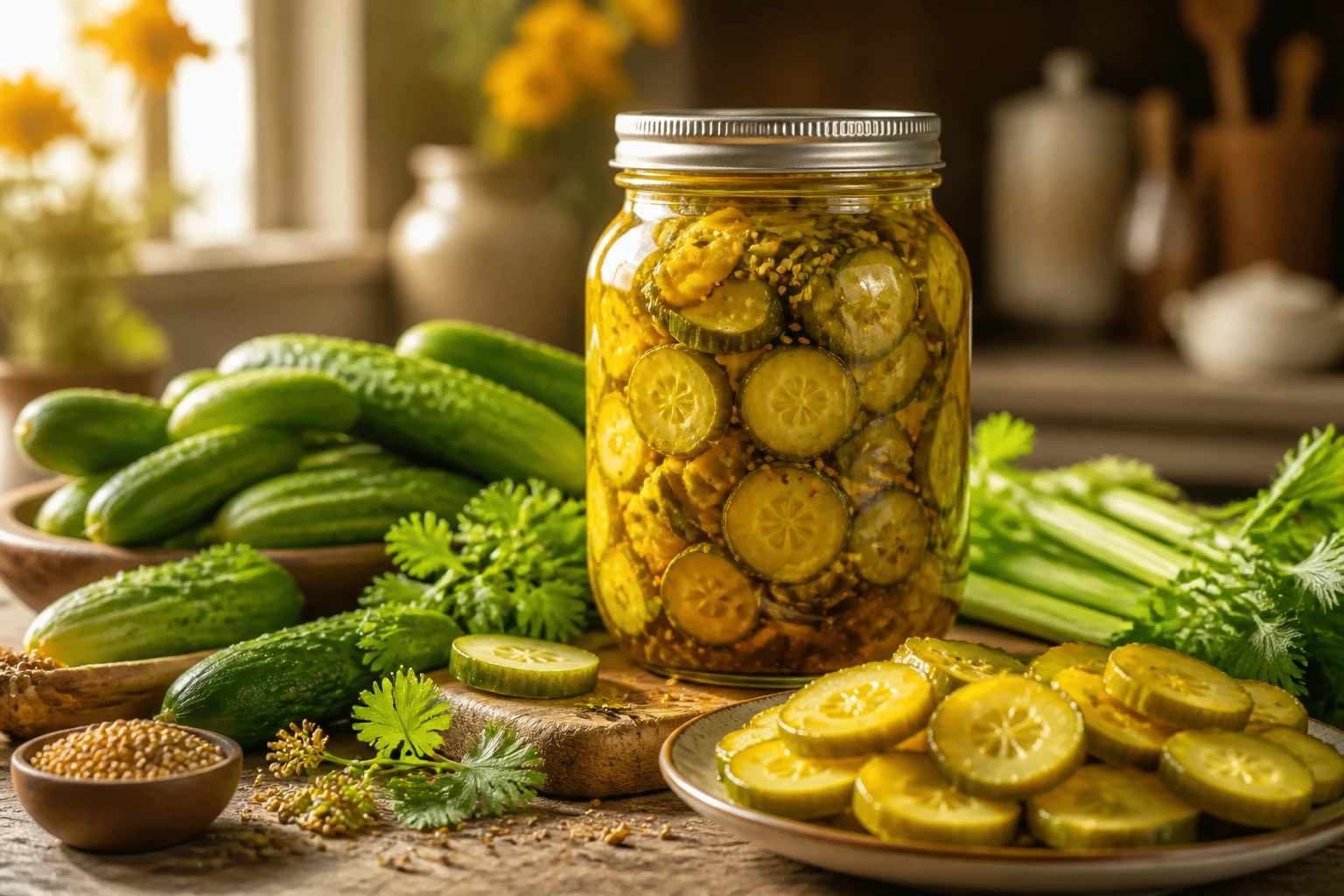
The first bite always tells you everything. Crunch, tang, a whisper of sweetness, and a memory you didn’t know you were missing. This is bread and butter pickle territory—the kind of recipe that tastes like grandma leaned over your shoulder and whispered, “Patience, kid.” If you’re chasing that classic crunch and kick, you’re in the right kitchen.
What makes Grandma’s pickles so legendary
You’ve tasted decent bread and butter pickles, sure, but something about Grandma’s batch feels like a warm hug in a jar. It’s all about balance: sweet, sour, and a hint of spice that doesn’t scream. The texture matters, too—crisp edges with a sultry, almost neon-yellow glow from the turmeric if she’s using it. FYI, there’s a fine line between “crunchy” and “punchy.” Grandma knows where that line lives.
Choosing the right cucumbers and seasonings
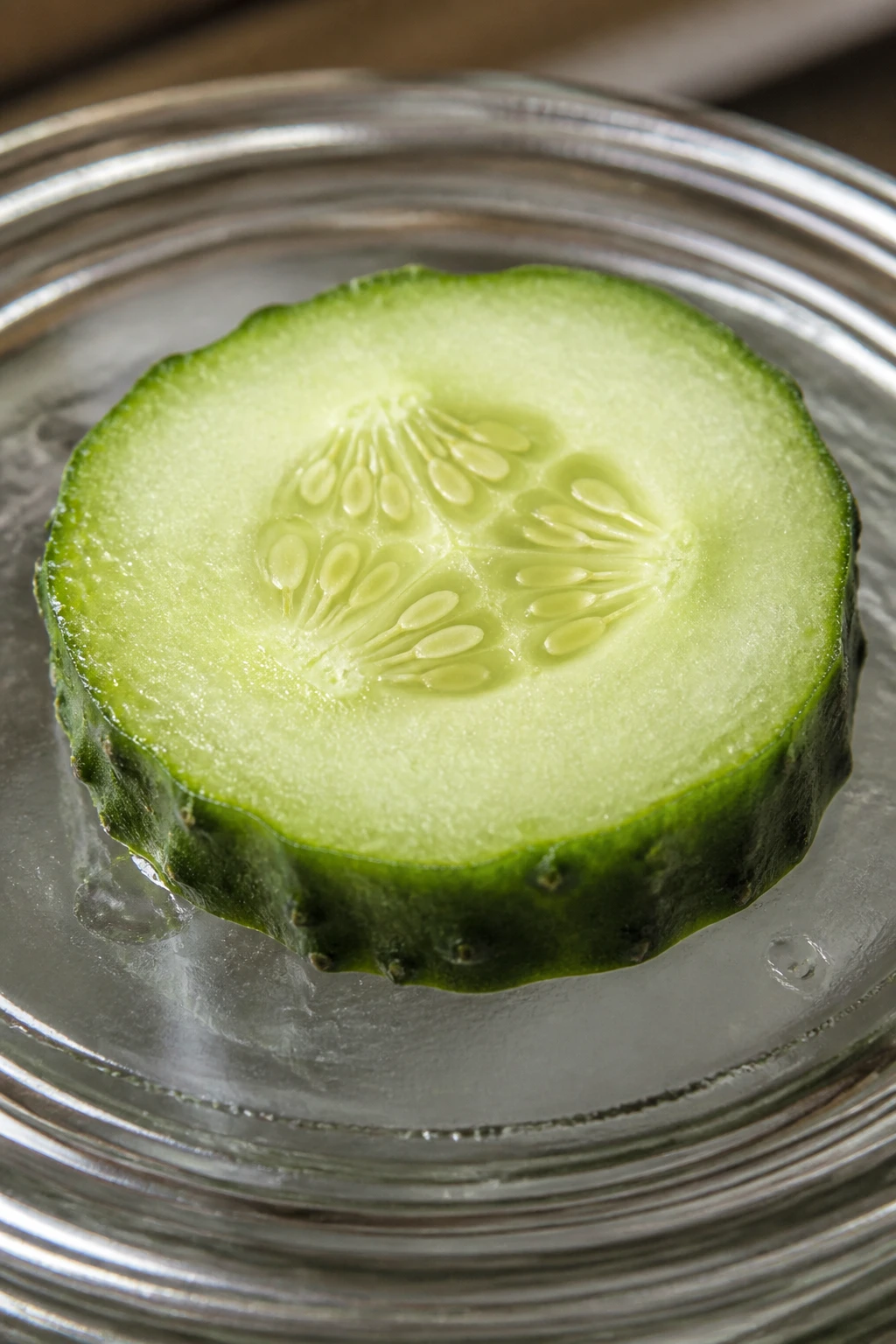
– Use kirby or baby pickling cucumbers for that classic snap.
– Slice thickness matters. Too thin and you lose bite; too thick and you lose that delicate bite.
– Must-have spices: mustard seeds, celery seeds, coriander, and a pinch of turmeric for that sunlit color.
– Sweeteners vary: white sugar, light brown sugar, or a splash of honey for depth.
Subsection: The pickle flavor map
Think of your flavor as a compass. The sugar points you toward sweetness, vinegar toward tang, and those spices steer you toward Grandma’s nostalgia. If you like a little extra zing, add a pinch of red pepper flakes. If you want pure old-school vibes, skip the heat entirely and let the spices do the talking.
The brining magic: how to get the base just right
The brine is where the magic hides. It’s not an afterthought; it’s the main event. A good brine coats every slice, makes them glow, and keeps them crisp through storage. The basic formula is simple: vinegar, water, sugar, salt, and spices.
– Use white vinegar for sharp brightness, or a splash of apple cider vinegar if you want a softer bite.
– Salt helps draw out moisture and sharpen flavor. Don’t go light here—salt is the flavor amplifier.
– Sugar balances the vinegar’s tang. Adjust to your sweetness tolerance.
– Bring the brine to a simmer so the spices bloom before they meet the cucumber.
Subsection: Quick brine vs. long bath
If you’re time-crunched, a quick brine can work—just simmer, pour over sliced cucumbers, and let sit for a few hours. For grandma-level flavor, give the slices a few hours in the fridge to soak up the brine, or better yet, 24 hours. IMO, patience pays off with a brighter bite.
The crunch test: getting the texture right
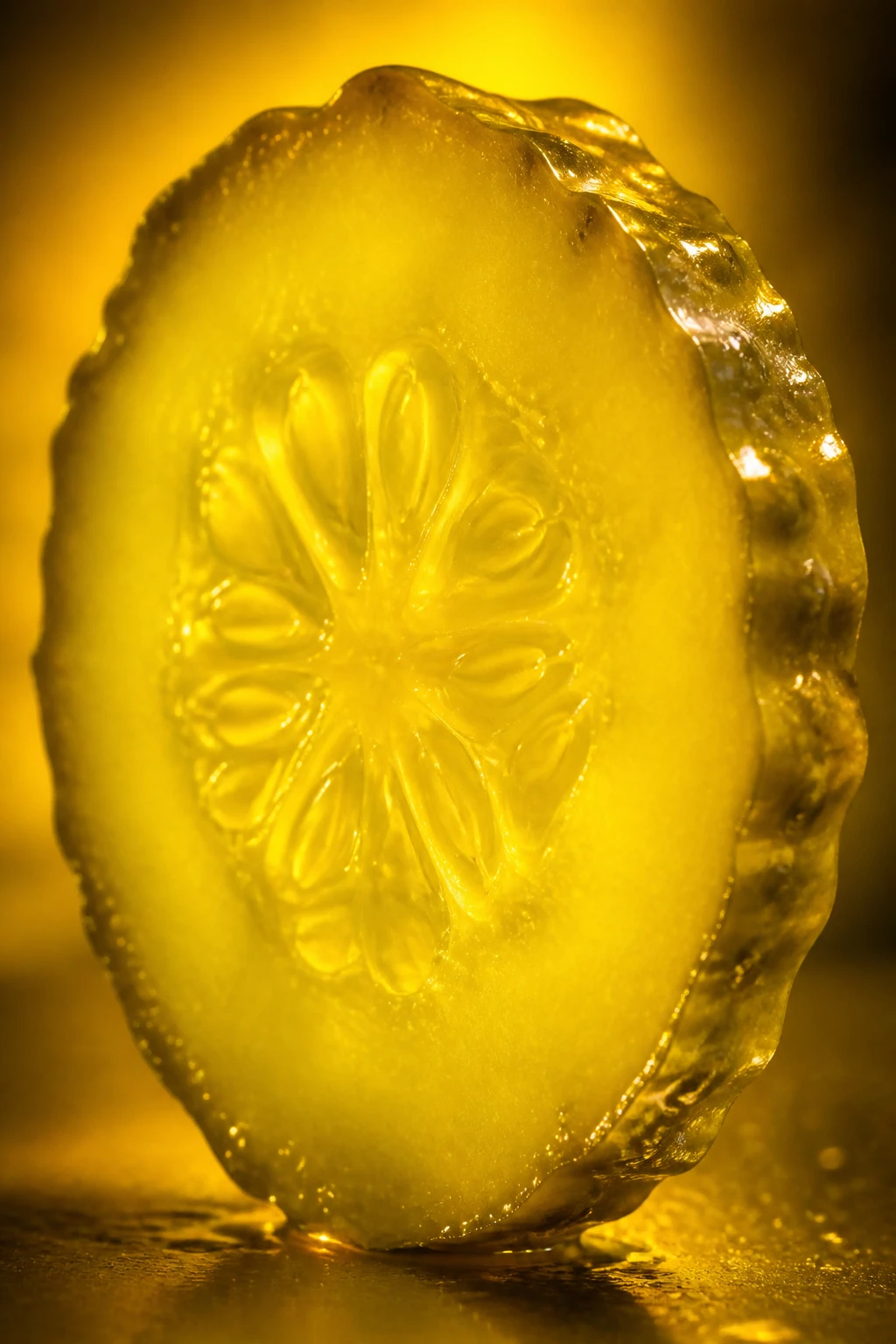
Texture is king here. Over-soft pickles feel like a letdown, and under-crisp ones taste like raw cucumber betrayal. The trick is keeping cucumbers dry before they meet the brine, then giving them time to rest after packing.
– Salt-rub the cucumber slices gently to draw out moisture.
– Pat dry after the salt rests for about 15 minutes.
– Pack them snugly, but not tightly, in your jar so air can circulate when you shake or flip the jar later.
Subsection: Jar care and crunch longevity
Use clean jars with tight lids. A quick sterilize in boiling water keeps the party sanitary. Store in the fridge for up to a month. If you want to go full grandma glam, seal and refrigerate for a couple of weeks before tasting—the patience reward is worth it.
From kitchen to jar: assembling the batch
Now we bring it all together. You’ll chop, brine, stack, and seal. The process feels almost ceremonial, like you’re about to unveil a family secret. Spoiler: the secret is timing and taste testing.
– Slice cucumbers into even rounds or spears for uniform crunch.
– Layer in jars with peppercorns, a few mustard seeds, and a whisper of celery seed per layer.
– Pour hot brine over the slices, leaving a little headspace for expansion.
– Seal and store in the fridge. Shake the jar every day for the first week to mingle flavors.
Subsection: labeling and dates
Okay, this might be the boring part, but it saves your future self. Label each jar with the date and notes like “slightly spicier” or “extra sweet.” FYI, your future self will thank you on a sandwich-knee-deep Tuesday.
Serving ideas: how to enjoy bread and butter pickle glory
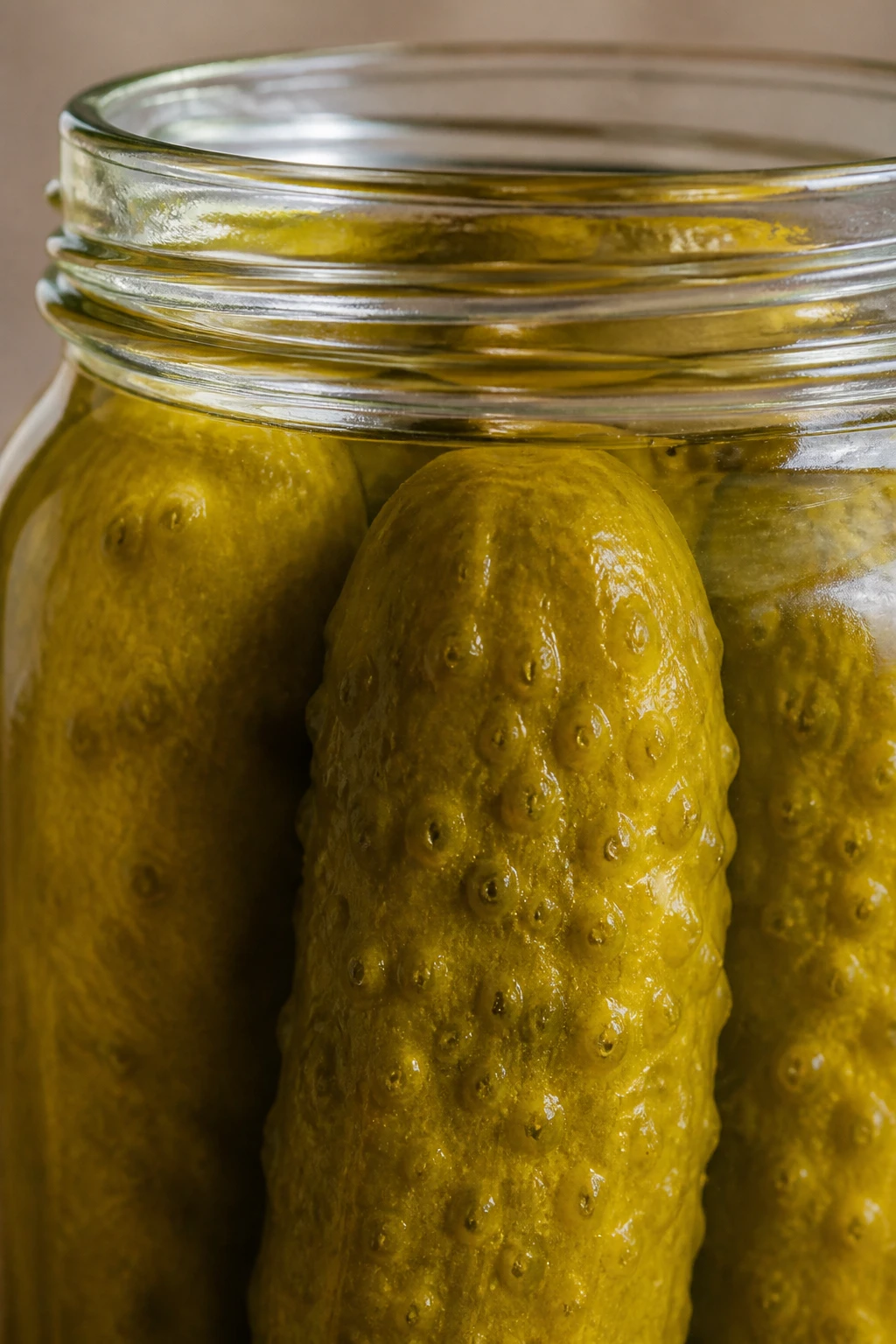
The best pickles aren’t just toppings; they’re flavor companions. They pop on a sandwich, play nicely with potatoes, and sneak into salads like a bright, tangy wink.
– On a classic deli sandwich for a zingy crunch.
– Chopped into potato salad for contrast.
– Right next to a burger with a smear of yellow mustard.
– In tuna salad for extra personality.
– Straight from the jar as a snack when you need a quick pick-me-up.
Subsection: sandwich don’ts and do’s
Do pair with mayo-based spreads to mellow tang. Don’t drown the sandwich in pickle juice—save some crunch for the bite. If you’re feeling fancy, a dollop of sour cream on a plate with cold cuts and pickles makes a retro-plated, modern-tasted plate.
The nostalgia factor: making it your own without losing the core
Grandma’s recipe is a family heirloom, but you can riff without breaking the vibe. Want extra bite? Add a touch more mustard seeds. Prefer a softer, sweeter note? Up the sugar or try a touch of honey. The core remains: crisp cucumber, fragrant brine, and a kiss of spice.
– Keep the cucumber slices uniform for even flavor.
– Don’t skip the salt step; it’s how you get that crisp bite.
– Taste the brine before pouring. You want it bright, not blasting.
Subsection: passing it down
If you’ve got kids or grandkids, teach them the “patience test.” Let them observe the brine bloom, test a sample, and see how flavors evolve as the jar rests. It becomes a memory-in-a-jar, not just a recipe.
FAQ about Bread and Butter Pickles
1. Can I use fresh cucumbers from the garden?
Yes! Fresh garden cucumbers work beautifully. Give them a quick wash, trim the ends, and slice. They’ll be crisp and bright, just like grandma would want.
2. How long do these pickles last in the fridge?
Typically up to a month, sometimes a bit longer if they stay consistently cold and you avoid repeated spoon-dips. Always use clean utensils to snag a pickle to keep the brine happy.
3. I don’t like too sweet. Any tips?
Dial down the sugar by a tablespoon or two, or swap in a touch of honey for a subtler sweetness. You’ll still get that classic balance with the tang.
4. Can I make a spicy version?
Absolutely. Add a pinch of crushed red pepper flakes or a sliced jalapeño to the jar. Start small and taste as you go to avoid turning it into a fire sale.
5. Should I hot-pack the jars or just refrigerate?
For this classic bread and butter pickle, refrigerating after pouring the hot brine over sliced cucumbers works perfectly. If you want shelf-stable jars, you’ll need a proper canning process with precise timing and sterilization.
There’s something irresistible about a batch of bread and butter pickles that tastes like grandma’s kitchen—warm air, stovetop steam, and a chorus of “don’t tell me you’ll eat them all.” The magic isn’t just in the recipe; it’s in the little rituals: slicing, salting, and sealing, then waiting for the magic to mellow into a bright, crisp bite.
If you’ve been hunting for that exact flavor profile, you’re not chasing perfection so much as capturing a memory. Try the steps, lean into the patience, and don’t be afraid to tweak a note here or there. IMO, your future pickle jars will become the story you tell friends when you want to pull off a homey, nostalgic vibe with zero effort.
Enjoy the crunch. Enjoy the tang. And enjoy the grin on your face when you take that first bite and say, “Yep, Grandma would approve.”