Starting a vegan cooking journey doesn’t have to be complicated or expensive. With a few pantry staples and simple techniques, you can make meals that taste great and keep you full. This guide focuses on easy, beginner-friendly recipes and building blocks you can mix and match.
Think hearty bowls, creamy pastas, quick tacos, and satisfying snacks that come together fast. If you’re new to plant-based cooking, this is your no-stress place to start.
Contents
Why This Recipe Works
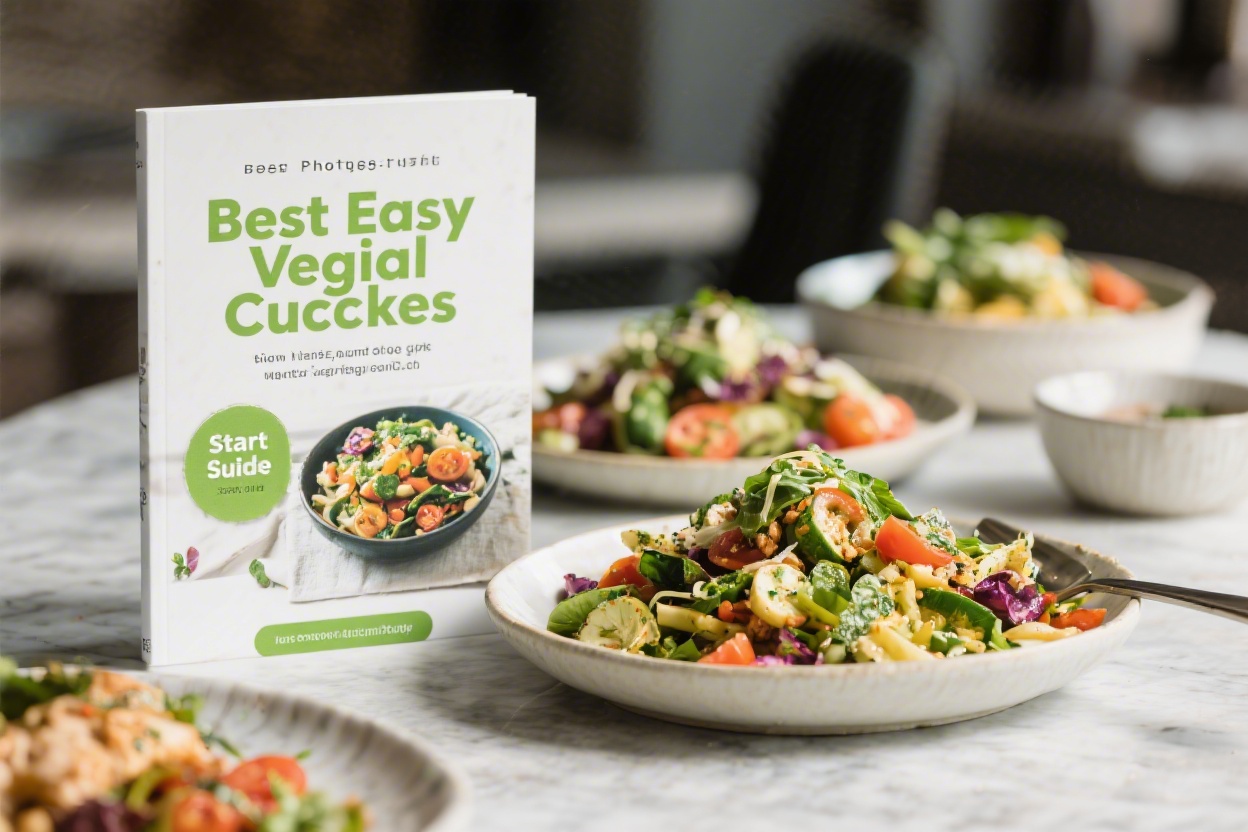
This starter guide centers around a flexible “mix-and-match” formula: a protein, a grain, a veggie, a sauce, and a topping. It’s simple enough for weeknights but flavorful enough to keep you excited.
You’ll reuse the same ingredients in multiple ways, so nothing goes to waste. Most steps are hands-off and use basic cookware, making the process smooth and approachable for beginners.
What You’ll Need
- Plant proteins: Canned chickpeas, black beans, lentils, extra-firm tofu, tempeh
- Grains and starches: Rice (white or brown), quinoa, whole wheat pasta, tortillas, potatoes or sweet potatoes
- Vegetables: Onion, garlic, bell peppers, cherry tomatoes, spinach or kale, broccoli, carrots, frozen mixed veggies
- Healthy fats: Olive oil or avocado oil, tahini, peanut butter or almond butter, avocado (optional)
- Sauces and flavor boosters: Soy sauce or tamari, canned coconut milk, canned tomatoes, tomato paste, vegetable broth
- Herbs and spices: Cumin, smoked paprika, chili powder, garlic powder, Italian seasoning, curry powder, black pepper, salt, red pepper flakes
- Acids and sweeteners: Lemon or lime, maple syrup or agave, rice vinegar or apple cider vinegar
- Toppings: Fresh cilantro or parsley, green onions, nutritional yeast, nuts or seeds (pumpkin, sesame, sunflower)
Step-by-Step Instructions
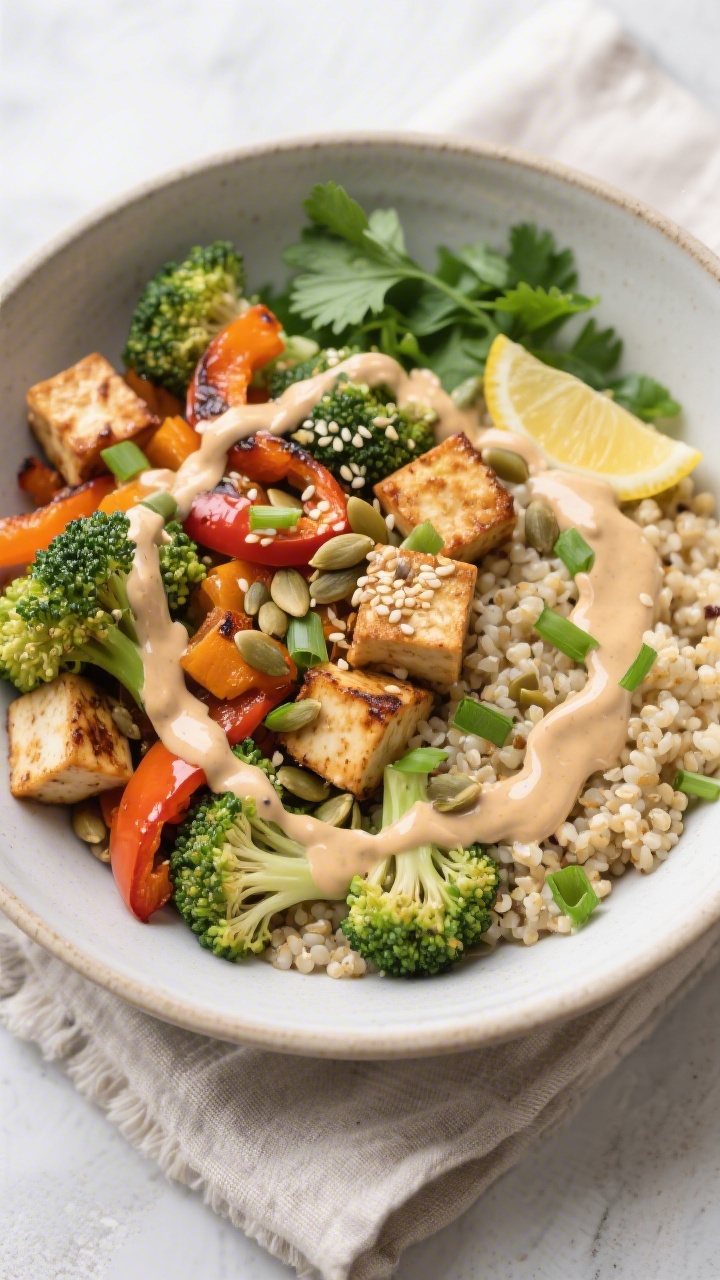
- Master a Simple Grain: Cook a pot of rice, quinoa, or pasta according to package directions. A reliable base means meals come together quickly all week.
- Prep a Quick Protein: Rinse and drain a can of chickpeas or black beans.For tofu, press it with a clean towel for 10 minutes, then cube.
- Roast or Sauté Veggies: Toss chopped veggies with oil, salt, and pepper. Roast at 425°F (220°C) for 20–25 minutes, or sauté in a skillet until tender.
- Make a Go-To Sauce (choose one):
- Tahini Lemon: 2 tbsp tahini, juice of 1/2 lemon, 1 tsp maple syrup, pinch of salt, warm water to thin.
- Peanut Soy: 2 tbsp peanut butter, 1 tbsp soy sauce, 1 tsp maple syrup, 1 tsp rice vinegar, warm water to thin, red pepper flakes to taste.
- Creamy Tomato: Sauté garlic in oil, add 1/2 cup tomato sauce and 1/4 cup coconut milk, simmer 5 minutes, salt and pepper to taste.
- Assemble a Bowl: Add grain, top with protein and veggies, drizzle with sauce, and finish with herbs and seeds.
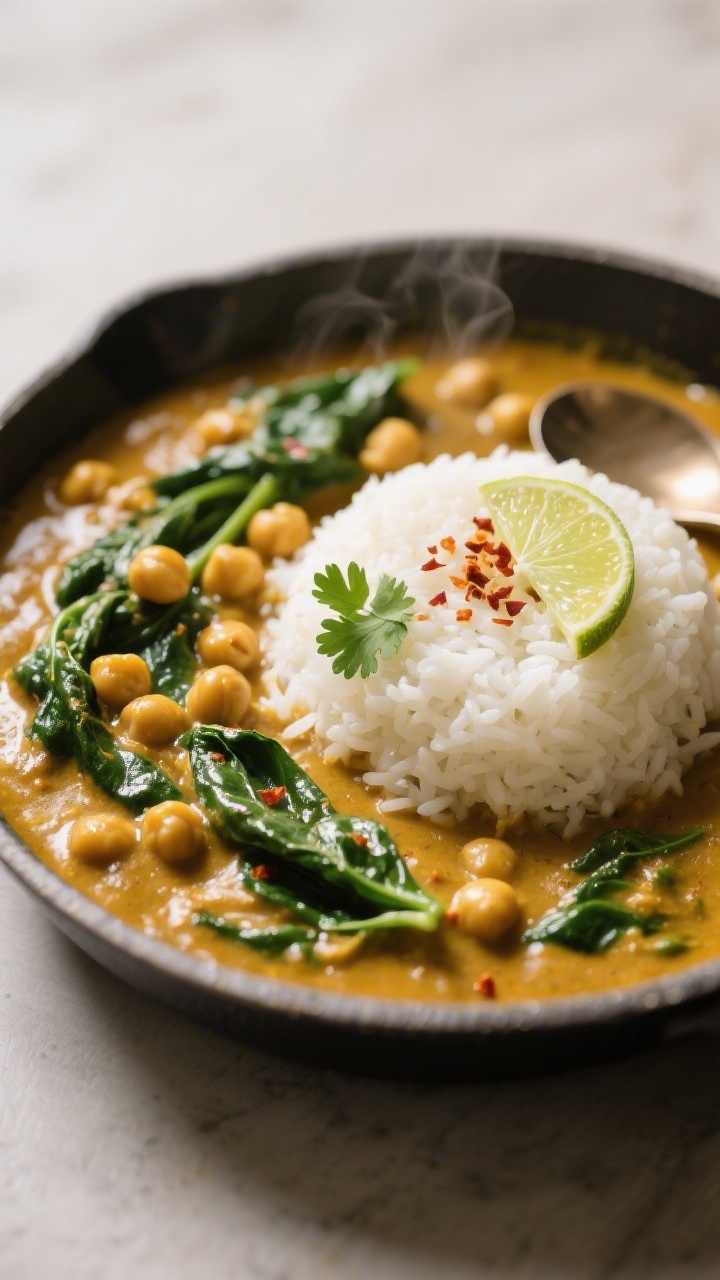
- Try a One-Pan Curry: Sauté onion and garlic, add 1 tbsp curry powder, 1 can chickpeas, 1 can coconut milk, and a handful of spinach. Simmer 10 minutes.Serve over rice.
- Build Easy Tacos: Warm tortillas, fill with spiced black beans (cumin, chili powder, salt), sautéed peppers and onions, and a squeeze of lime. Add avocado if you have it.
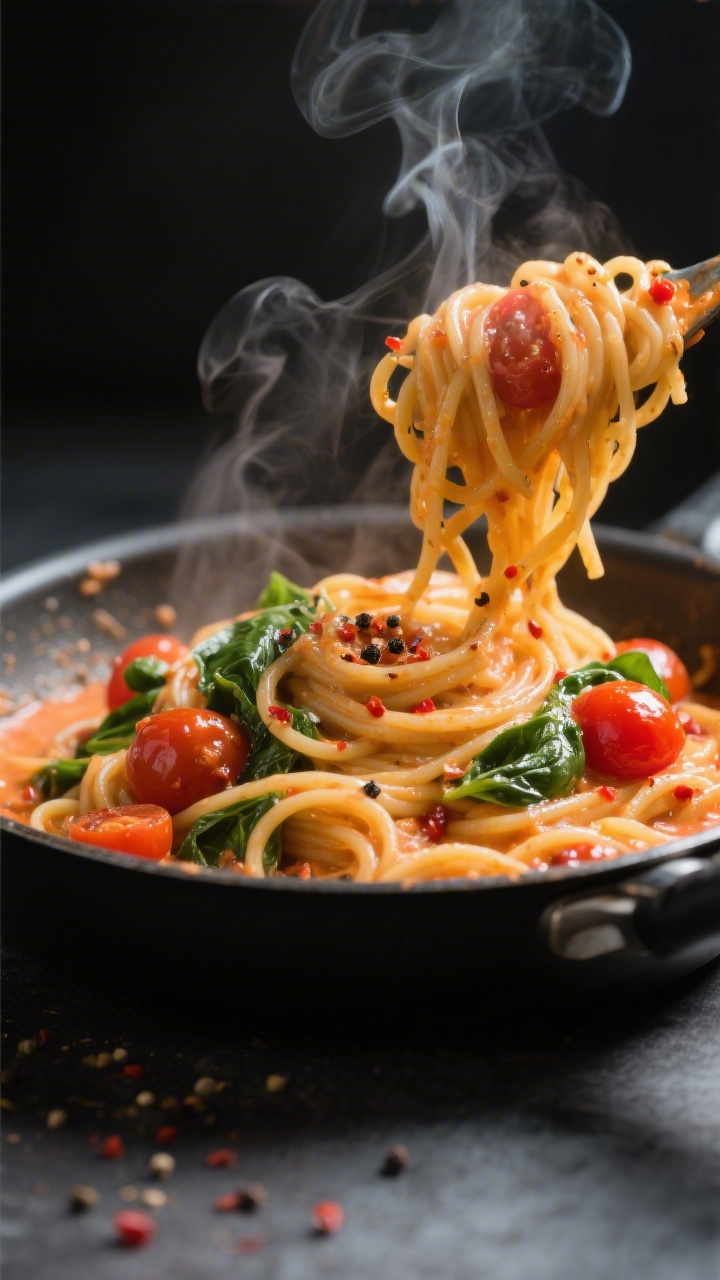
- Make a Creamy Pasta: Cook pasta. In a pan, warm olive oil, garlic, and cherry tomatoes.Stir in coconut milk or a splash of pasta water and nutritional yeast. Toss with pasta and spinach.
- Sheet-Pan Dinner: Roast cubed potatoes, broccoli, and tofu with olive oil, soy sauce, garlic powder, and smoked paprika. Bake until crispy.Serve with tahini lemon sauce.
- Quick Snack or Breakfast: Toast topped with peanut butter and banana, or a smoothie with frozen fruit, spinach, plant milk, and a spoonful of nut butter.
Keeping It Fresh
- Batch cook basics: Make grains and roasted veggies on Sunday. Store in airtight containers for 3–4 days.
- Store sauces separately: Keep dressings and sauces in small jars in the fridge for up to a week (most tahini or peanut sauces last 5–7 days).
- Use the freezer: Cooked beans, rice, and pasta freeze well. Portion into freezer bags, label, and lay flat to save space.
- Revive leftovers: Add a splash of water or broth when reheating to keep things from drying out.Finish with fresh herbs or a squeeze of lemon.
Health Benefits
- High fiber and nutrients: Beans, lentils, and veggies support digestion, steady energy, and a healthy gut.
- Heart-friendly fats: Nuts, seeds, and olive oil provide healthy fats that support brain and heart health.
- Lower saturated fat: Plant-based meals often have less saturated fat than traditional meat and dairy dishes.
- Protein-packed: Tofu, tempeh, beans, and lentils deliver plenty of protein for everyday needs.
What Not to Do
- Don’t skip seasoning: Salt, acid (lemon or vinegar), and spices make plant foods pop.
- Don’t overcrowd the pan: Veggies steam instead of brown if packed too tightly. Use two pans if needed.
- Don’t rely only on salads: Warm, hearty meals keep you satisfied and prevent snacking later.
- Don’t forget protein and fat: Add beans, tofu, or tempeh and a drizzle of sauce to stay full and energized.
Variations You Can Try
- Mediterranean Bowl: Quinoa, chickpeas, cherry tomatoes, cucumbers, olives, spinach, tahini lemon sauce, parsley.
- Spicy Peanut Noodles: Whole wheat noodles, shredded carrots, cabbage, scallions, peanut soy sauce, sesame seeds.
- Southwest Rice Bowl: Brown rice, black beans, corn, sautéed peppers and onions, avocado, lime, cilantro, salsa.
- Tomato Basil Pasta: Pasta, garlic, olive oil, cherry tomatoes, spinach, nutritional yeast, fresh basil, red pepper flakes.
- Cozy Lentil Curry: Red lentils simmered in coconut milk, curry powder, and diced tomatoes; serve with rice and lime.
- Breakfast Scramble: Crumbled tofu with turmeric, garlic powder, spinach, cherry tomatoes; serve with toast.
FAQ
How do I get enough protein on a vegan diet?
Beans, lentils, tofu, tempeh, edamame, and whole grains provide plenty of protein. Aim to include a protein source at each meal, and you’ll easily meet your needs.
What if I don’t like tofu?
Try chickpeas, black beans, or tempeh instead.
You can also roast cauliflower or mushrooms for a meaty texture with great flavor.
Do I need special equipment?
No. A pot, a skillet, a sheet pan, a knife, and a cutting board cover almost everything in this guide. A blender is helpful for sauces but not required.
How can I make meals faster?
Keep cooked grains in the fridge, use canned beans, and rely on frozen veggies.
Prepping a sauce or two on the weekend makes weeknights much easier.
How do I make sauces without oil?
Use tahini, nut butters, or blended beans as a creamy base. Thin with water or broth, and brighten with lemon juice or vinegar.
What if I’m cooking for one?
Batch cook and portion meals into containers for the week. Most dishes here reheat well, and you can freeze extras in single servings.
Can I make these recipes gluten-free?
Yes.
Choose gluten-free pasta, tamari instead of soy sauce, and corn tortillas. Grains like rice and quinoa are naturally gluten-free.
How do I keep costs down?
Buy store-brand canned beans, frozen vegetables, and grains in bulk. Plan meals around what’s on sale, and use the same ingredients across multiple dishes.
Wrapping Up
Vegan cooking can be simple, affordable, and full of flavor.
Start with a grain, add a protein and veggies, then finish with a bold sauce and a fresh topping. Keep a few core ingredients on hand, and you’ll be able to put together fast meals any night of the week. With these basics, you’ll build confidence, eat well, and enjoy the process.
Printable Recipe Card
Want just the essential recipe details without scrolling through the article? Get our printable recipe card with just the ingredients and instructions.