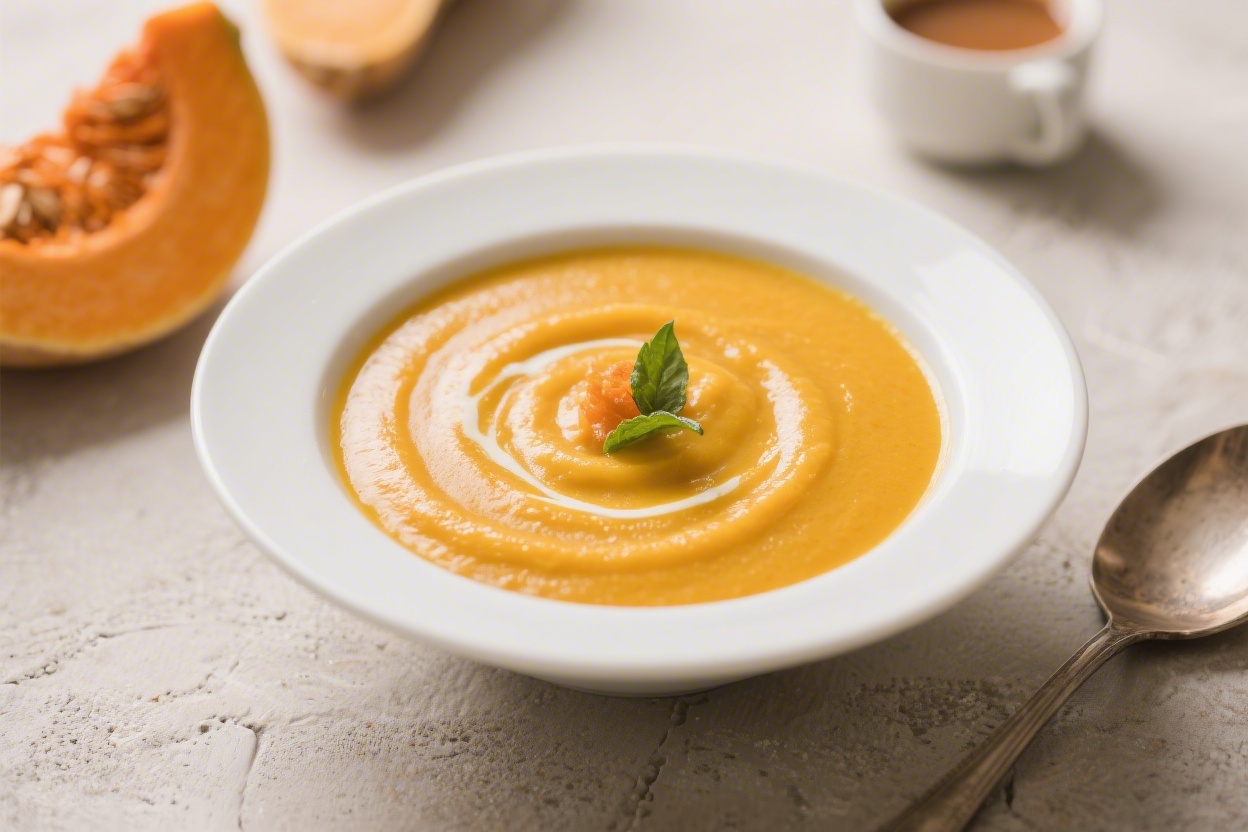
Butternut squash soup is the kind of bowl that makes chilly days feel softer. It’s silky, lightly sweet, and full of warm, earthy flavor. This version leans on simple ingredients and smart techniques to bring out the squash’s natural sweetness without a ton of fuss.
It’s weeknight-friendly but feels special enough for guests. Serve it with crusty bread or a crisp salad, and you’ve got an easy, comforting meal.
Contents
What Makes This Recipe So Good
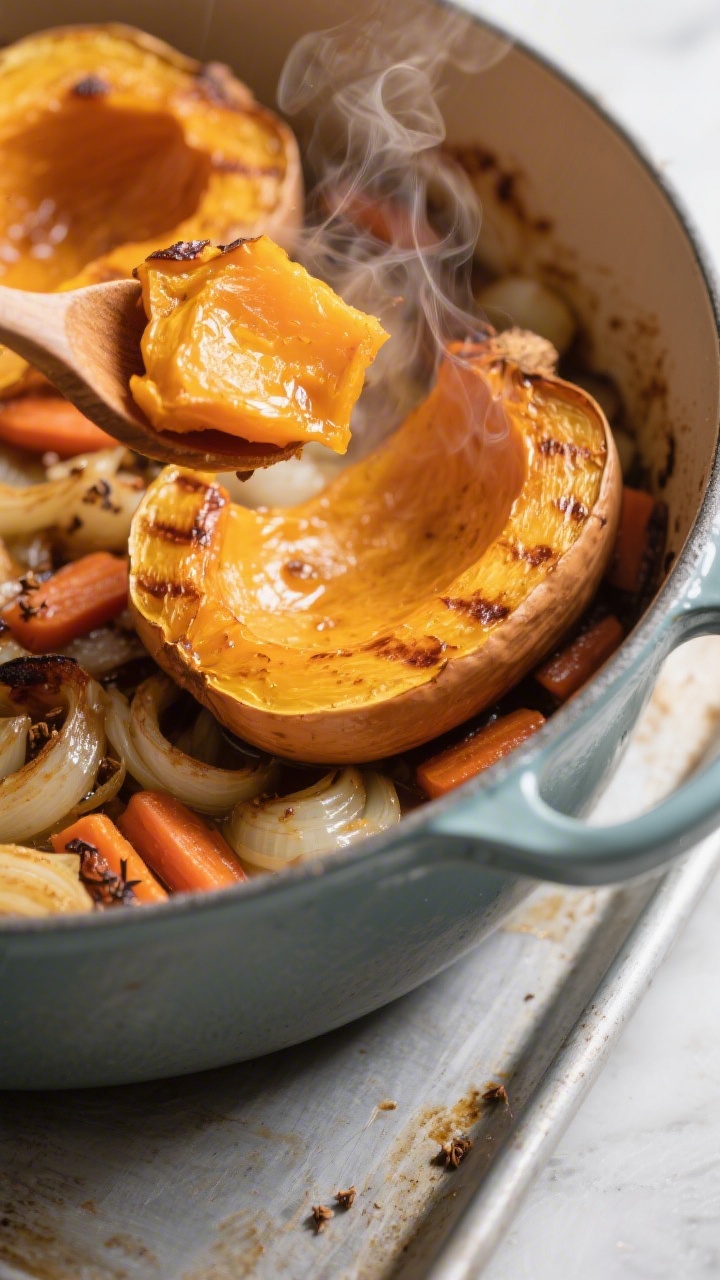
- Deep, roasted flavor: Roasting the squash caramelizes the edges, adding sweetness and a hint of smokiness.
- Ultra-creamy texture: A blend of cooked squash, aromatics, and a touch of cream (or coconut milk) creates a silky finish.
- Balanced seasoning: A small splash of acid and a pinch of warm spices keep the soup lively, not flat.
- Make-ahead friendly: The flavor improves after a day in the fridge, making it perfect for meal prep.
- Flexible and forgiving: Works with dairy or dairy-free options, and can handle swaps like sweet potato or carrot if needed.
Ingredients
- 1 large butternut squash (about 3–3.5 pounds), halved and seeded
- 2 tablespoons olive oil, divided
- 1 large yellow onion, chopped
- 2 medium carrots, peeled and chopped
- 2 garlic cloves, minced
- 1 teaspoon kosher salt, plus more to taste
- 1/2 teaspoon black pepper
- 1/2 teaspoon ground cumin
- 1/4 teaspoon ground nutmeg or cinnamon (optional, for warmth)
- 4 cups low-sodium vegetable or chicken broth
- 1–2 teaspoons maple syrup or honey (optional, to balance)
- 1–2 teaspoons apple cider vinegar or lemon juice (to brighten)
- 1/3 cup heavy cream or full-fat coconut milk (optional, for extra creaminess)
- For serving: toasted pumpkin seeds, a swirl of cream or yogurt, chopped chives, and crusty bread
How to Make It

- Roast the squash: Heat the oven to 400°F (200°C). Brush the cut sides of the squash with 1 tablespoon olive oil and sprinkle with a pinch of salt and pepper.Place cut side down on a lined baking sheet. Roast 40–50 minutes, until the flesh is very tender and the edges are caramelized.
- Sauté the aromatics: While the squash roasts, warm the remaining 1 tablespoon olive oil in a large pot over medium heat. Add onion and carrots with 1/2 teaspoon salt.Cook 8–10 minutes, stirring, until softened and lightly golden. Add garlic, cumin, and nutmeg/cinnamon, and cook 1 minute until fragrant.
- Scoop and combine: Let the squash cool slightly, then scoop the flesh into the pot. Discard the skins.Stir to coat the squash with the aromatics.
- Add broth and simmer: Pour in the broth. Bring to a gentle boil, then lower to a simmer for 10 minutes to meld flavors. If it looks too thick, add a splash more broth or water.
- Blend until smooth: Use an immersion blender to puree in the pot until silky.Or carefully transfer to a blender in batches, venting the lid and covering with a towel. Blend until very smooth.
- Finish and balance: Stir in cream or coconut milk if using. Add 1 teaspoon maple or honey and 1 teaspoon vinegar or lemon juice.Taste. Adjust salt, pepper, sweetness, and acidity as needed. You’re aiming for rich, lightly sweet, and bright at the end.
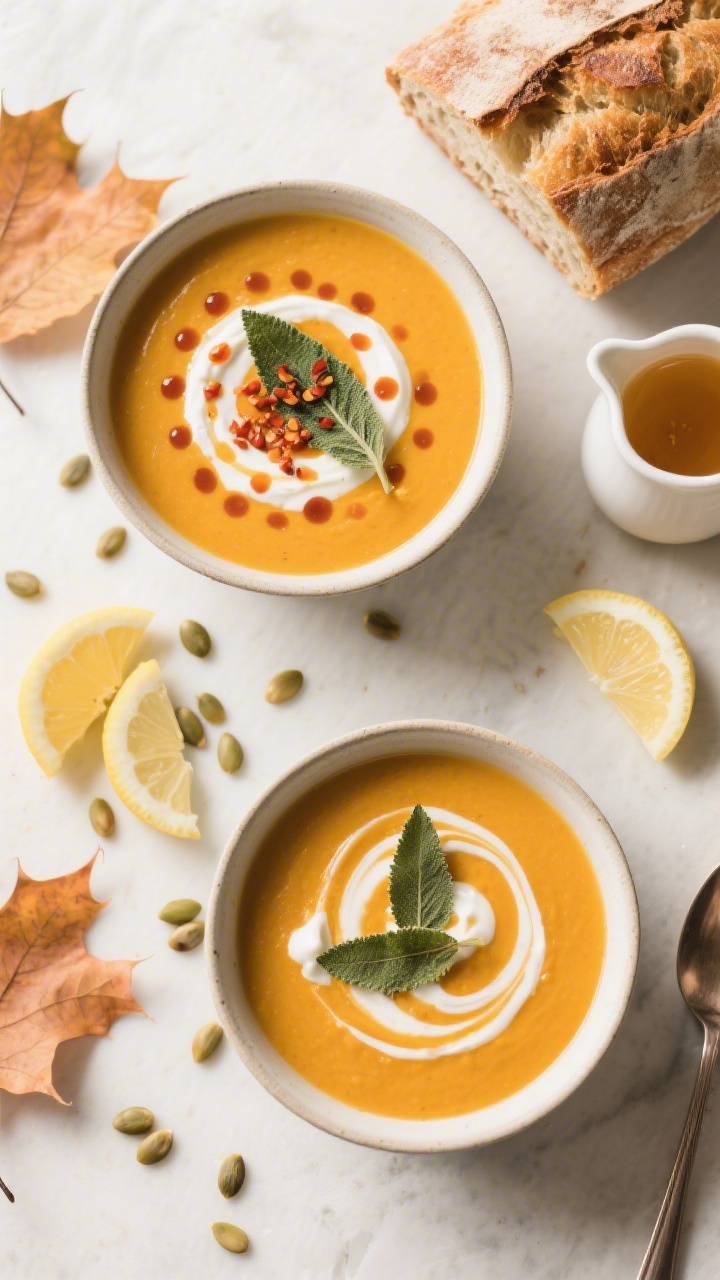
- Serve with texture: Ladle into bowls.Top with a swirl of cream or yogurt, a sprinkle of pumpkin seeds, and chives. Serve with warm bread.
Keeping It Fresh
- Storage: Cool completely, then refrigerate in an airtight container for up to 5 days. The flavor deepens over time.
- Freezing: Freeze in portions for up to 3 months.Skip the dairy before freezing for best texture; stir in cream after reheating.
- Reheating: Warm gently on the stove over low heat, adding a splash of broth or water if it thickens too much. Stir often to prevent scorching.
- Meal prep tip: Freeze in single-serve containers or silicone soup cubes for quick lunches.
Health Benefits
- Rich in vitamins: Butternut squash packs vitamin A (beta-carotene) for eye health and immune support, plus vitamin C for skin and collagen.
- Fiber for fullness: The squash and carrots offer fiber that supports digestion and steady energy.
- Heart-friendly fats: Olive oil and optional pumpkin seeds provide healthy fats and minerals like magnesium and zinc.
- Lower in calories, big on satisfaction: A creamy mouthfeel without needing heavy cream makes it a lighter comfort food.
- Customizable for dietary needs: Easy to make dairy-free, gluten-free, and vegetarian or vegan.
Common Mistakes to Avoid
- Skipping the roast: Boiling squash works, but you’ll miss that deep, caramelized flavor. Roasting is worth it.
- Under-seasoning: Squash is sweet and needs enough salt, plus a little acid, to taste complete.
- Blending carelessly: Hot soup in a blender can build steam.Vent the lid and blend in batches to avoid spills.
- Forgetting texture: A silky soup shines with contrast. Add crunchy toppings like seeds or croutons.
- Over-thickening: It should be pourable, not paste-like. Thin with broth or water as needed.
Alternatives
- Dairy-free: Use coconut milk or skip cream entirely and add a tablespoon of olive oil when blending for silkiness.
- Spice variations: Try curry powder and grated ginger for a warming twist, or smoked paprika and a pinch of cayenne for gentle heat.
- Different squash: Kabocha or sugar pumpkin work well.Roast times may vary slightly; cook until very tender.
- Protein boost: Add a can of rinsed white beans before simmering, then blend for extra body and protein.
- Garnish swaps: Crispy bacon bits, toasted coconut flakes, fried sage leaves, or a drizzle of chili oil each bring a new angle.
FAQ
Can I make this soup without roasting the squash?
Yes. Peel and cube the squash, then sauté with the onions and carrots for a few minutes before adding broth. Simmer until tender and blend.
It’s still tasty, but roasting gives a richer, sweeter flavor.
How do I peel a butternut squash safely?
Slice off the ends to create flat bases. Use a sharp vegetable peeler to remove the skin, then halve lengthwise and scoop the seeds. Cut into planks, then cubes.
Work on a stable cutting board and keep your fingers tucked in.
What if my soup tastes bland?
Add more salt first, then a small splash of vinegar or lemon juice. If it still feels flat, try a pinch more cumin or a drizzle of maple to balance. Tiny adjustments make a big difference.
Can I use an Instant Pot?
Yes.
Sauté onion, carrot, garlic, and spices on Sauté mode. Add peeled cubed squash and broth. Pressure cook on High for 10 minutes, quick release, then blend.
Stir in cream and season to taste.
How can I thin or thicken the soup?
To thin, stir in more broth or hot water a little at a time. To thicken, let it simmer uncovered for a few minutes, or blend in a few cooked squash cubes or white beans.
Is this soup kid-friendly?
Usually, yes. The natural sweetness and creamy texture win most kids over.
Skip spicy garnishes and aim for a smooth, mild finish.
What should I serve with it?
Crusty bread, grilled cheese, a simple arugula salad, or roasted Brussels sprouts pair nicely. For a fuller meal, add a protein like roasted chicken thighs or baked tofu on the side.
Wrapping Up
Butternut squash soup is simple, cozy, and endlessly adaptable. Roast the squash, blend it smooth, and balance with salt and a touch of acid—that’s the winning formula.
Keep toppings fun, make it ahead, and enjoy it all week. When fall calls for something warm and soothing, this bowl always answers.