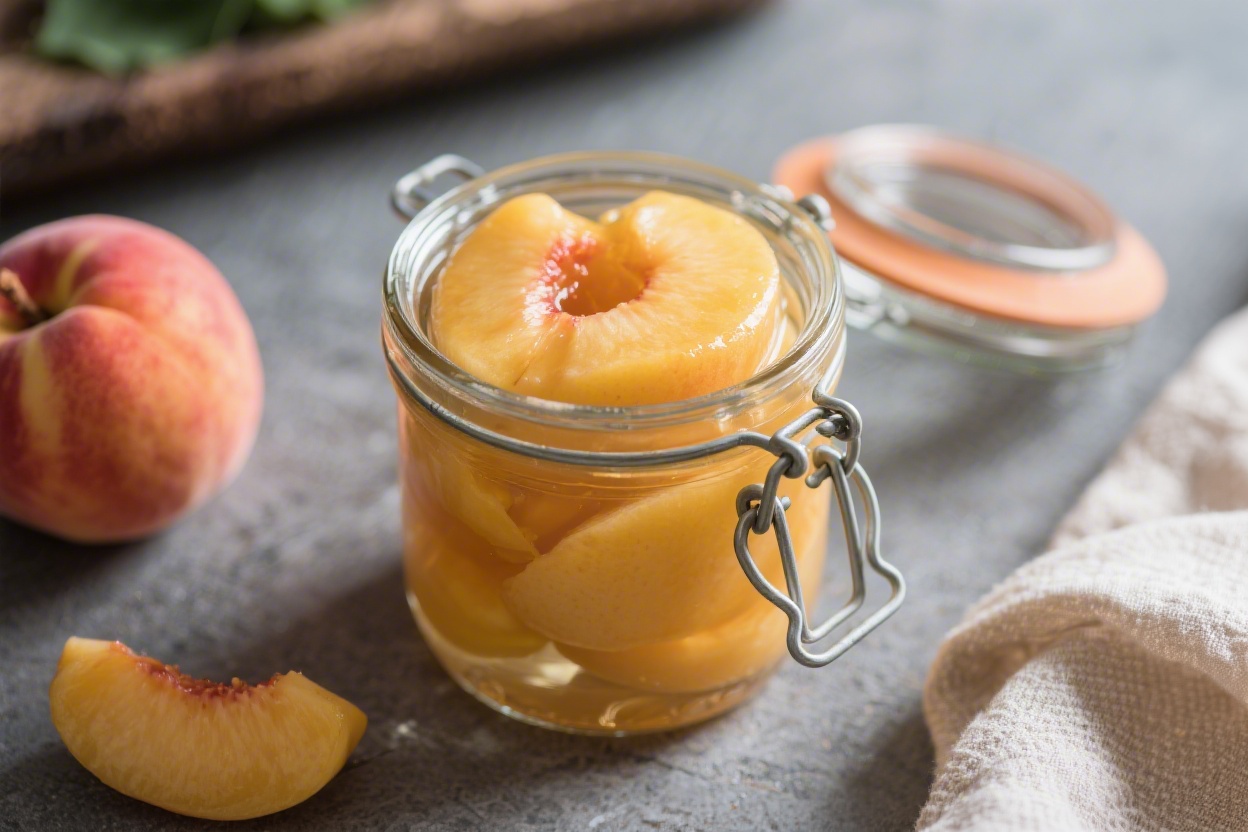
Peaches at their peak are something special—juicy, fragrant, and full of sunshine. Canning them at home lets you lock in that flavor for the cooler months, with a method that’s simple, safe, and satisfying. If you’re new to canning, don’t worry.
This guide keeps things accessible and practical without fancy tools or complicated steps. By the end, you’ll have shelves of beautiful peach jars ready for pies, cobblers, breakfasts, and quick desserts.
Contents
- 1 What Makes This Recipe So Good
- 2 Ingredients
- 3 How to Make It
- 4 How to Store
- 5 Why This is Good for You
- 6 Common Mistakes to Avoid
- 7 Recipe Variations
- 8 FAQ
- 8.1 Do I have to peel the peaches?
- 8.2 Can I use clingstone peaches?
- 8.3 How sweet should the syrup be?
- 8.4 What if my peaches float in the jar?
- 8.5 How do I know if a jar is sealed?
- 8.6 Can I halve the recipe?
- 8.7 Is lemon juice required?
- 8.8 How long do canned peaches last?
- 8.9 What if the liquid level drops after processing?
- 8.10 Can I use this method for nectarines?
- 9 In Conclusion
What Makes This Recipe So Good
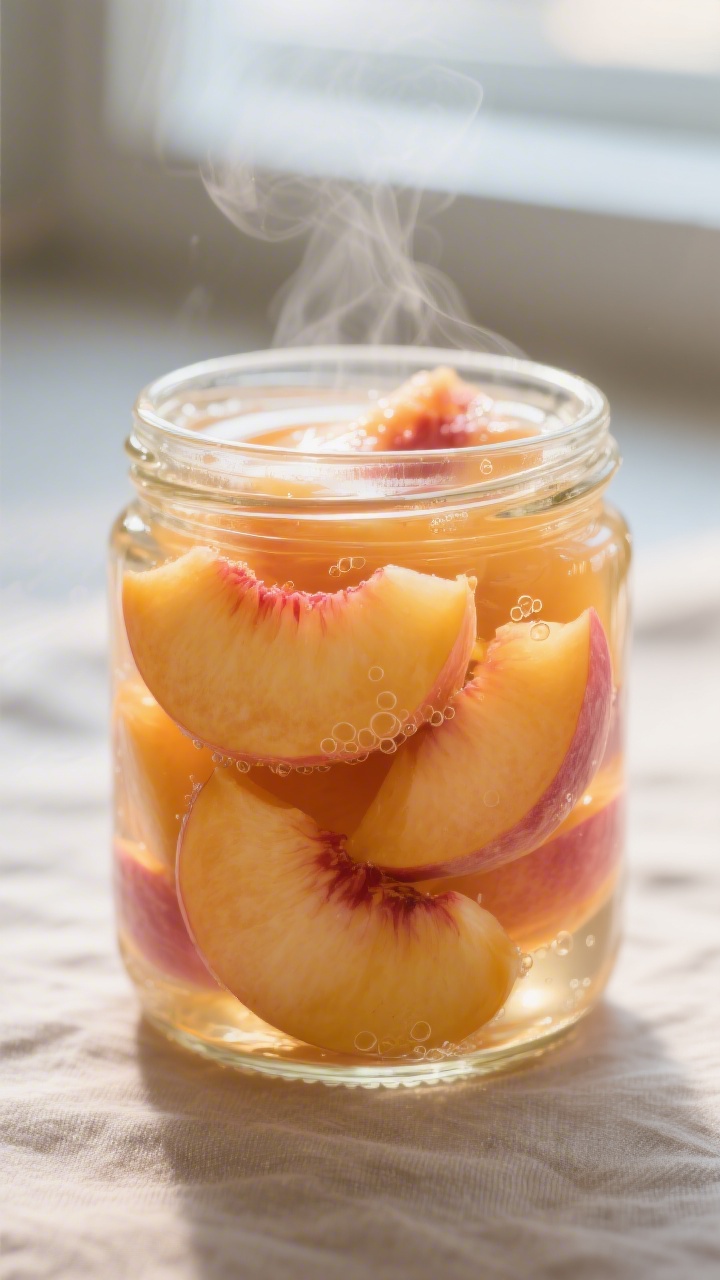
- Simple process: No special ingredients or advanced techniques—just water-bath canning and a light syrup.
- Flexible sweetness: Choose from light, medium, or honey syrup based on your taste.
- Consistent texture: Blanching and peeling help peaches hold their shape and color.
- Great for batches: Easily scale up for a big weekend project or down for a few jars.
- Pantry-friendly: Properly canned peaches last up to a year on the shelf, ready whenever you are.
Ingredients
- 8–10 pounds ripe but firm peaches (freestone varieties are easiest to pit)
- 8 cups water (for syrup)
- 1–2 cups granulated sugar (for light to medium syrup) or 1–1.5 cups honey
- 2 tablespoons bottled lemon juice (optional, helps with color)
- Water for blanching and peeling
- Ice for an ice bath
Equipment: Water-bath canner or a large stockpot with a rack, 6–7 clean pint jars or 3–4 quart jars, new canning lids and rings, jar lifter, funnel, bubble remover or chopstick, clean towels.
How to Make It
- Sterilize your jars. Wash jars, lids, and rings in hot soapy water. Keep jars hot in a 180°F (82°C) water-bath canner or in a warm oven (not above 225°F) until you’re ready to fill them.This helps prevent thermal shock and ensures a good seal.
- Make the syrup. In a pot, combine 8 cups water with 1–2 cups sugar for light to medium syrup. Heat until the sugar dissolves. Keep it hot but not boiling.For a natural option, use honey instead of sugar.
- Blanch the peaches. Bring a large pot of water to a boil. Score a small “X” on the bottom of each peach. Boil peaches for 30–60 seconds, then immediately transfer to an ice bath.Skins should slip off easily.
- Peel, pit, and slice. Remove skins, cut peaches in half, and remove pits. Slice into halves or wedges. If you like, toss slices in a bowl with the bottled lemon juice to slow browning.
- Choose raw pack or hot pack.
- Raw pack: Pack raw peach slices firmly into hot jars and pour hot syrup over them.
- Hot pack (best texture): Simmer peach slices in the hot syrup for 2–3 minutes, then fill jars with the peaches and syrup.This reduces floating fruit and improves quality.
- Pack the jars. Using a funnel, fill each hot jar with peaches and syrup, leaving 1/2 inch headspace. Slide a bubble remover or chopstick along the inside to release trapped air. Add more syrup if needed to maintain headspace.
- Wipe and seal. Wipe rims with a clean, damp cloth to remove any residue.Place lids on and screw on rings until fingertip tight—snug, not cranked down.
- Process in a water bath. Place jars in the canner, ensuring they’re covered by at least 1–2 inches of water. Return to a rolling boil and process:
- Pints: 20 minutes at sea level
- Quarts: 25 minutes at sea level
Adjust for altitude per guidelines: add 5 minutes for 1,001–3,000 ft; add 10 minutes for 3,001–6,000 ft; add 15 minutes for above 6,000 ft.
- Cool and check seals. Turn off heat, let jars rest in water for 5 minutes, then lift out and place on a towel. Do not retighten rings.Let cool undisturbed for 12–24 hours. Lids should ping and the center should be concave with no flex when pressed.
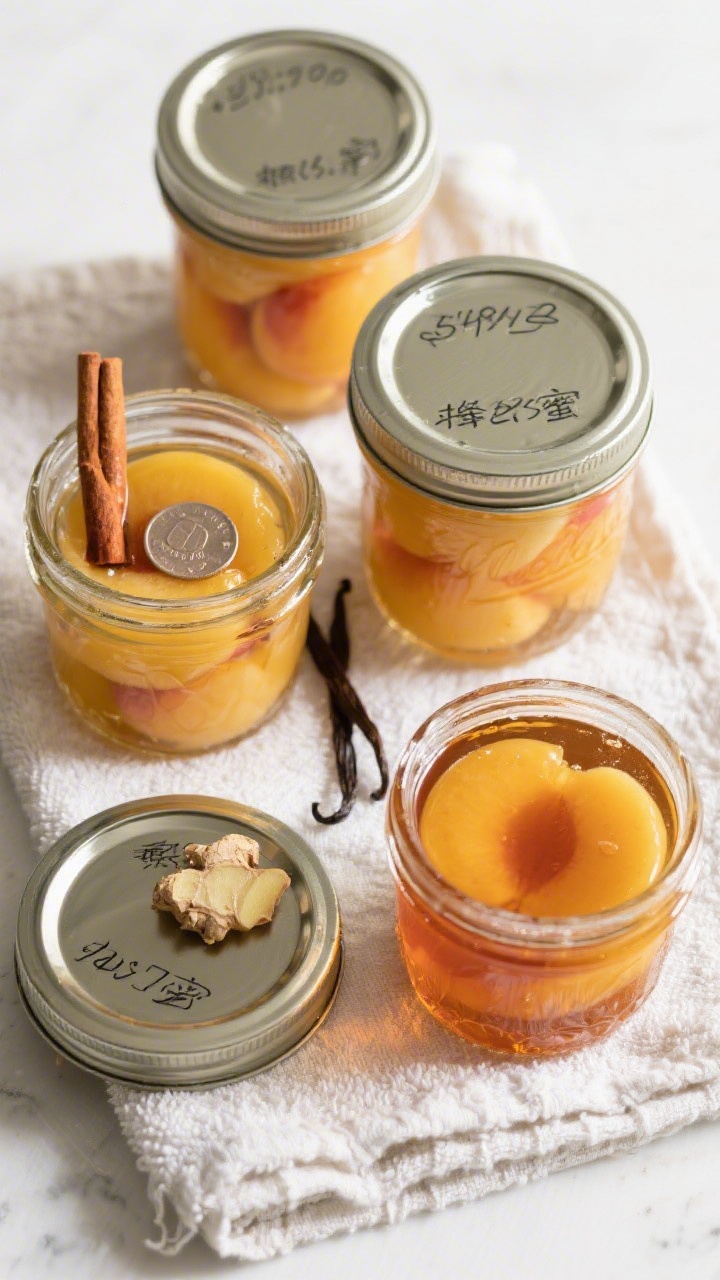
- Label and store. Remove rings, wipe jars, and label with date. Store in a cool, dark place.Any unsealed jars should be refrigerated and used within a week.
How to Store
- Pantry: Keep sealed jars in a cool, dark spot for up to 12 months for best quality.
- Fridge: Once opened, refrigerate and use within 7–10 days.
- Freezer backup: If a jar doesn’t seal, you can freeze the contents in a freezer-safe container for up to 6 months.
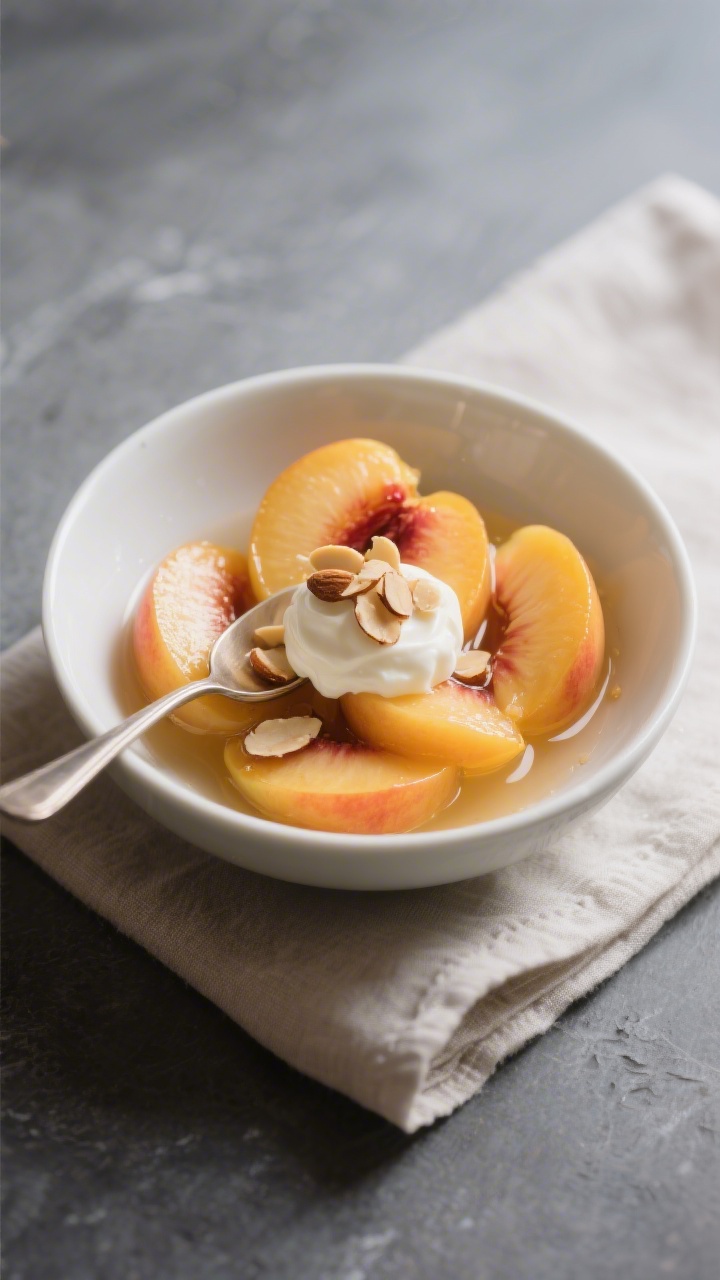
Why This is Good for You
- Real fruit, minimal sugar: You control the syrup strength, keeping added sugar in check.
- Fiber and vitamins: Peaches provide vitamin C, vitamin A, potassium, and fiber.
- No preservatives: Just fruit, water, and a touch of sweetener—simple and clean.
- Reduces waste: Canning uses peak-season produce and extends its life, saving money and cutting food waste.
Common Mistakes to Avoid
- Skipping headspace: Overfilling can cause siphoning and poor seals. Stick to 1/2 inch headspace.
- Packing cold jars in hot water: Temperature shock can crack jars. Keep jars hot until filling.
- Not removing air bubbles: Trapped air affects seals and fruit coverage.Slide a tool around the inside of the jar.
- Underprocessing: Cutting time short risks spoilage. Follow the processing times and altitude adjustments.
- Ignoring bad seals: If a lid flexes or pops, refrigerate and use soon. Do not store unsealed jars at room temperature.
- Using damaged fruit: Overripe, bruised, or moldy peaches can affect flavor and safety.Choose ripe, firm, unblemished fruit.
Recipe Variations
- Honey syrup: Replace sugar with honey for a mellow, floral sweetness.
- Spiced peaches: Add a cinnamon stick, a few whole cloves, or a slice of fresh ginger to each jar.
- Vanilla note: Slip in 1/4 teaspoon vanilla extract per jar or a small piece of vanilla bean.
- White grape juice: Use unsweetened white grape juice as a light, fruit-forward canning liquid.
- No-sugar option: Use water with a touch of lemon juice. Texture is firmer and flavor less sweet but still delicious.
FAQ
Do I have to peel the peaches?
Peels are safe but can turn tough and slightly bitter after canning. For the best texture and color, peeling is recommended.
Blanching makes it quick and easy.
Can I use clingstone peaches?
You can, but they’re harder to pit cleanly. Freestone varieties save time and give neater slices. If using clingstone, cut around the pit in segments.
How sweet should the syrup be?
That’s up to you.
A light syrup (1 cup sugar to 4 cups water) highlights the fruit’s flavor, while a medium syrup (1.5–2 cups sugar) gives a classic dessert-style taste. Honey syrup adds warm, floral notes.
What if my peaches float in the jar?
Floating fruit is common, especially with raw pack. Hot packing helps, as does packing fruit tightly and removing air bubbles.
Over time, some floating may settle—quality is still fine.
How do I know if a jar is sealed?
After cooling 12–24 hours, the lid center should be concave and not flex when pressed. You’ll often hear a satisfying “ping” as it seals. If unsure, gently remove the ring and lift the jar by the lid—sealed lids hold firm.
Can I halve the recipe?
Yes.
Just maintain the same headspace and processing times. Smaller batches can be easier to manage and great for beginners.
Is lemon juice required?
It’s optional for peaches in a water bath, but it helps with color and brightness. Bottled lemon juice is more consistent than fresh for canning.
How long do canned peaches last?
For best flavor and texture, use within 12 months.
They’re often safe beyond that if sealed and stored well, but quality gradually declines.
What if the liquid level drops after processing?
Some siphoning can occur. If the jar is sealed and fruit remains covered at least partially, it’s safe. If more than half the fruit is exposed or the seal failed, refrigerate and use soon.
Can I use this method for nectarines?
Absolutely.
Nectarines can be processed the same way and don’t need peeling unless you prefer it. The flavor is bright and slightly tangy.
In Conclusion
Canning peaches at home is a straightforward way to keep summer on your shelf. With a light syrup, hot pack method, and careful sealing, you’ll get jars that look beautiful and taste even better.
Start with good fruit, follow the times, and keep things clean and hot. Before long, you’ll have a pantry full of golden peaches ready for oatmeal, ice cream, cobblers, or a quick spoonful right from the jar. It’s simple, satisfying, and worth every minute.