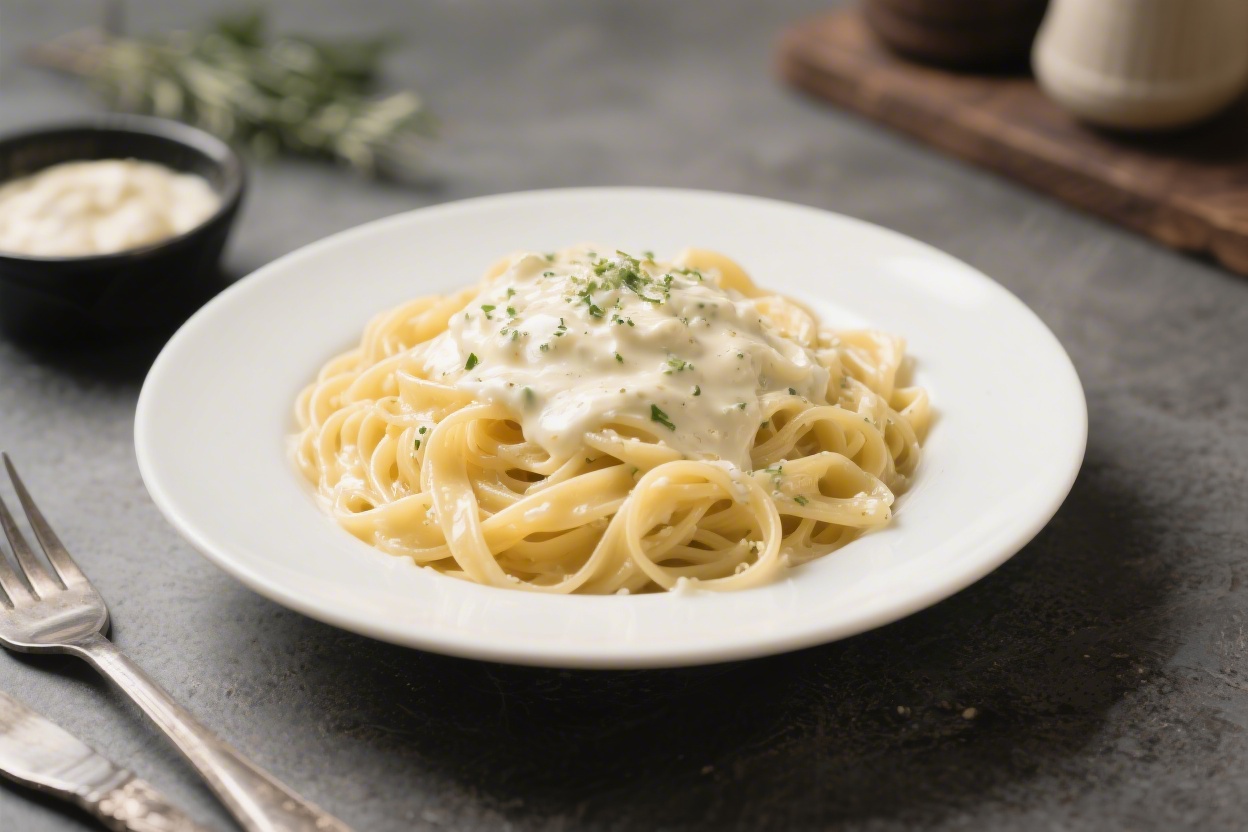
If you’re craving something cozy and satisfying, this creamy Alfredo pasta hits the spot. It’s rich, silky, and comes together in one pan with just a handful of ingredients. No complicated techniques, no mystery steps—just good, honest comfort food.
You’ll get a restaurant-quality sauce with real butter, cream, and Parmesan in under 30 minutes. Keep it simple, or dress it up with chicken, shrimp, or veggies. Either way, this is the kind of meal that makes weeknights feel a little special.
Contents
- 1 What Makes This Special
- 2 Shopping List
- 3 How to Make It
- 4 Keeping It Fresh
- 5 Health Benefits
- 6 Common Mistakes to Avoid
- 7 Alternatives
- 8 FAQ
- 8.1 What type of Parmesan works best?
- 8.2 Can I make Alfredo without cream?
- 8.3 How do I keep the sauce from curdling?
- 8.4 Is Alfredo the same as fettuccine Alfredo from Italy?
- 8.5 What can I serve with Alfredo pasta?
- 8.6 Can I add wine to the sauce?
- 8.7 Why did my sauce get grainy?
- 8.8 Can I freeze Alfredo pasta?
- 9 In Conclusion
What Makes This Special
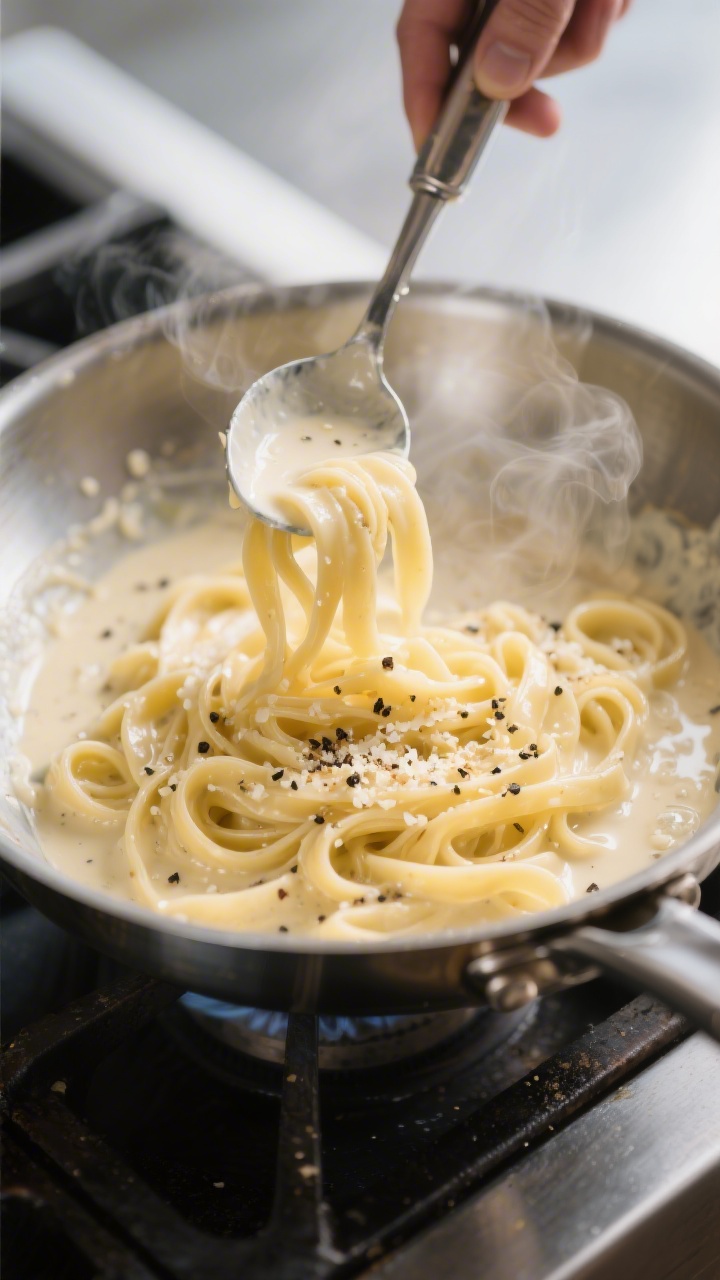
This Alfredo recipe is all about balance: rich but not heavy, silky but not gloopy.
The secret is using quality ingredients and gentle heat so the cheese melts smoothly. You’ll also season at key moments to build flavor. The pasta finishes cooking in the sauce, which helps it cling to every strand.
It’s straightforward, forgiving, and consistently delicious.
Shopping List
- Pasta: Fettuccine is classic, but linguine or tagliatelle works too.
- Butter: Unsalted is best so you can control the salt.
- Heavy cream: For that signature velvety texture.
- Parmesan cheese: Freshly grated, not pre-shredded.
- Garlic: Fresh cloves, finely minced.
- Salt and black pepper: To taste.
- Nutmeg (optional): A tiny pinch warms up the sauce.
- Olive oil (optional): A little for the pasta water if you like, though not necessary.
- Parsley (optional): Fresh, chopped, for garnish.
- Lemon (optional): A squeeze brightens the richness.
How to Make It
- Boil the pasta: Bring a large pot of well-salted water to a rolling boil. Add the fettuccine and cook until just shy of al dente. Reserve 1 cup of pasta water, then drain.
- Warm the butter and garlic: In a large skillet over medium-low heat, melt the butter. Add the minced garlic and cook for 30–60 seconds until fragrant, not browned.
- Add the cream: Pour in the heavy cream and a pinch of salt and pepper.Simmer gently for 2–3 minutes, stirring, until slightly thickened. Keep the heat on the low side to prevent scorching.
- Stir in the Parmesan: Reduce heat to low. Add the freshly grated Parmesan in small handfuls, stirring steadily until it melts and the sauce becomes smooth.If it seems too thick, add a splash of reserved pasta water.
- Season smartly: Taste and adjust with salt, black pepper, and a tiny pinch of nutmeg if using. Nutmeg should be subtle—you shouldn’t quite detect it, just the warmth.
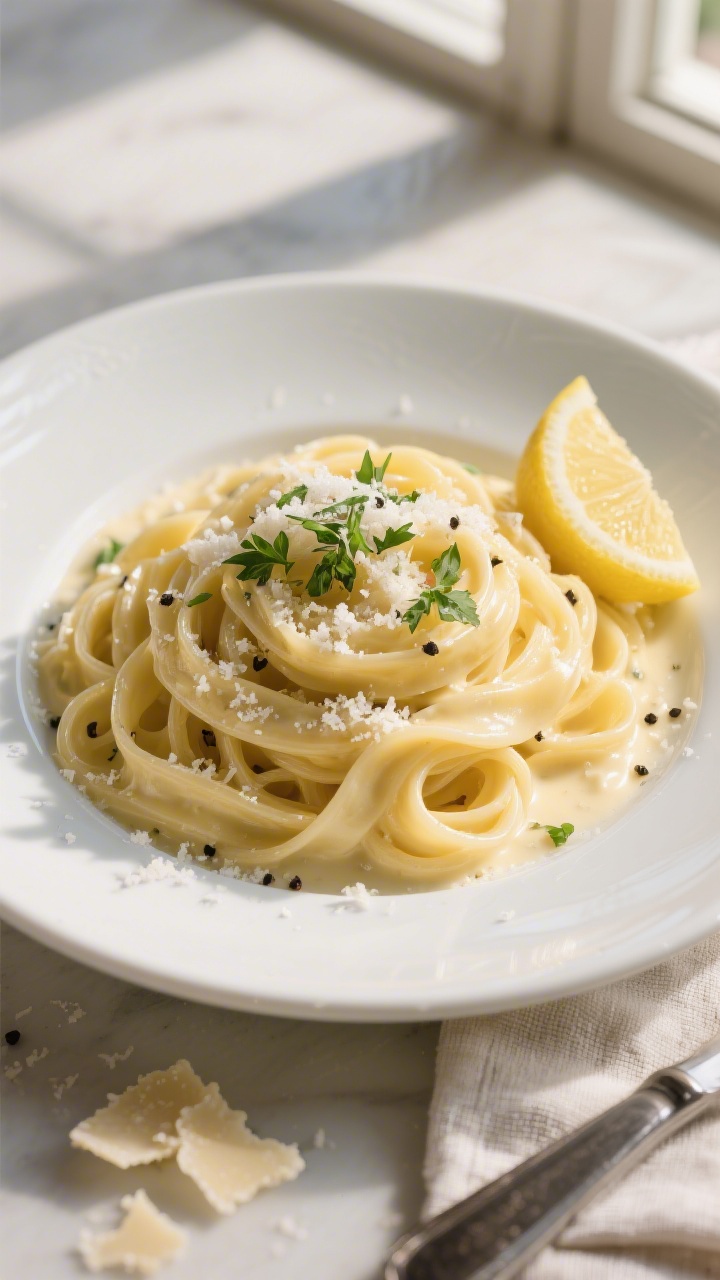
- Toss with pasta: Add the drained pasta to the skillet. Toss for 1–2 minutes, letting the pasta finish cooking in the sauce so it absorbs flavor.Use reserved pasta water as needed to loosen to a silky, coating consistency.
- Finish and serve: Turn off heat. Add a squeeze of lemon if you like, then garnish with chopped parsley and extra Parmesan. Serve immediately while it’s glossy and hot.
Keeping It Fresh
Leftover Alfredo can be tricky because cream sauces thicken as they cool.
Store in an airtight container in the fridge for up to 3 days. Reheat gently over low heat with a splash of milk, cream, or pasta water to bring back the silkiness. Stir often and avoid high heat, which can cause the sauce to split.
If you plan to make it ahead, slightly undercook the pasta so it won’t get mushy when reheated.
Health Benefits
Alfredo is a comfort classic, but there are still a few bright spots. Parmesan provides protein and calcium, along with savory depth, so you can use less salt. Garlic offers antioxidants and flavor without added calories. If you add vegetables like broccoli, spinach, or peas, you’ll boost fiber and vitamins. You can also balance the meal by pairing with a crisp salad or grilled lean protein.
Common Mistakes to Avoid
- Using pre-shredded Parmesan: It often contains anti-caking agents that keep it from melting smoothly.Freshly grate for the best texture.
- Overheating the sauce: High heat can cause the cheese to clump or the sauce to break. Keep it low and gentle.
- Skipping pasta water: That starchy liquid is gold. It thins and emulsifies the sauce for a glossy finish.
- Under-seasoning: Taste as you go.Parmesan is salty, but the cream and butter need balanced seasoning.
- Overcooking the pasta: It should be just shy of al dente before tossing in the sauce, so it finishes perfectly tender.
Alternatives
- Lighter version: Swap half the cream for whole milk and add a teaspoon of cornstarch mixed with cold milk to help thicken. Use less butter and more pasta water to emulsify.
- Protein add-ins: Sliced grilled chicken, sautéed shrimp, or crispy pancetta make it more filling. Cook separately, then fold into the finished sauce.
- Veggie boosts: Add steamed broccoli, sautéed mushrooms, spinach, or peas.Toss them in with the pasta to coat in the sauce.
- Different cheeses: Try a mix of Parmesan and Pecorino Romano for a sharper bite. A little mascarpone adds extra creaminess.
- Gluten-free: Use your favorite gluten-free fettuccine and watch the cooking time closely to avoid mushiness.
- Lemon-garlic twist: Add lemon zest and extra garlic for a brighter profile, then finish with fresh parsley or basil.
FAQ
What type of Parmesan works best?
Use a wedge of real Parmigiano-Reggiano and grate it finely right before cooking. It melts smoother and tastes richer than pre-shredded or powdered cheese.
Can I make Alfredo without cream?
Yes.
Use whole milk and thicken gently with a cornstarch slurry, then finish with butter and Parmesan. It won’t be as rich, but it’s still delicious and silky.
How do I keep the sauce from curdling?
Keep the heat low, add the cheese gradually, and avoid boiling once the dairy is in the pan. If it thickens too much, whisk in warm pasta water a splash at a time.
Is Alfredo the same as fettuccine Alfredo from Italy?
Traditional Roman versions use butter and Parmesan, with pasta water creating the creaminess.
The cream-based version is more common in North America, and that’s what this recipe mirrors.
What can I serve with Alfredo pasta?
A crisp green salad with a tangy vinaigrette balances the richness. Garlic-roasted broccoli, asparagus, or a simple tomato salad also pair well.
Can I add wine to the sauce?
You can deglaze the pan with a small splash of dry white wine after sautéing the garlic. Let it reduce briefly before adding the cream for a subtle, bright note.
Why did my sauce get grainy?
Graininess often comes from high heat or pre-shredded cheese.
Lower the heat, switch to freshly grated Parmesan, and thin with pasta water to smooth it out.
Can I freeze Alfredo pasta?
It’s not ideal. Cream sauces can separate after freezing. If you must freeze, store the sauce separately and whisk in warm pasta water when reheating.
In Conclusion
This Creamy Alfredo Pasta Recipe is comfort food done right—simple ingredients, gentle technique, and a silky sauce that hugs every strand.
With a few smart steps and good Parmesan, you’ll get a dish that feels special any night of the week. Keep it classic or make it your own with proteins and veggies. Either way, it’s fast, reliable, and undeniably satisfying.
Serve hot, eat happily, and enjoy the kind of dinner that never goes out of style.