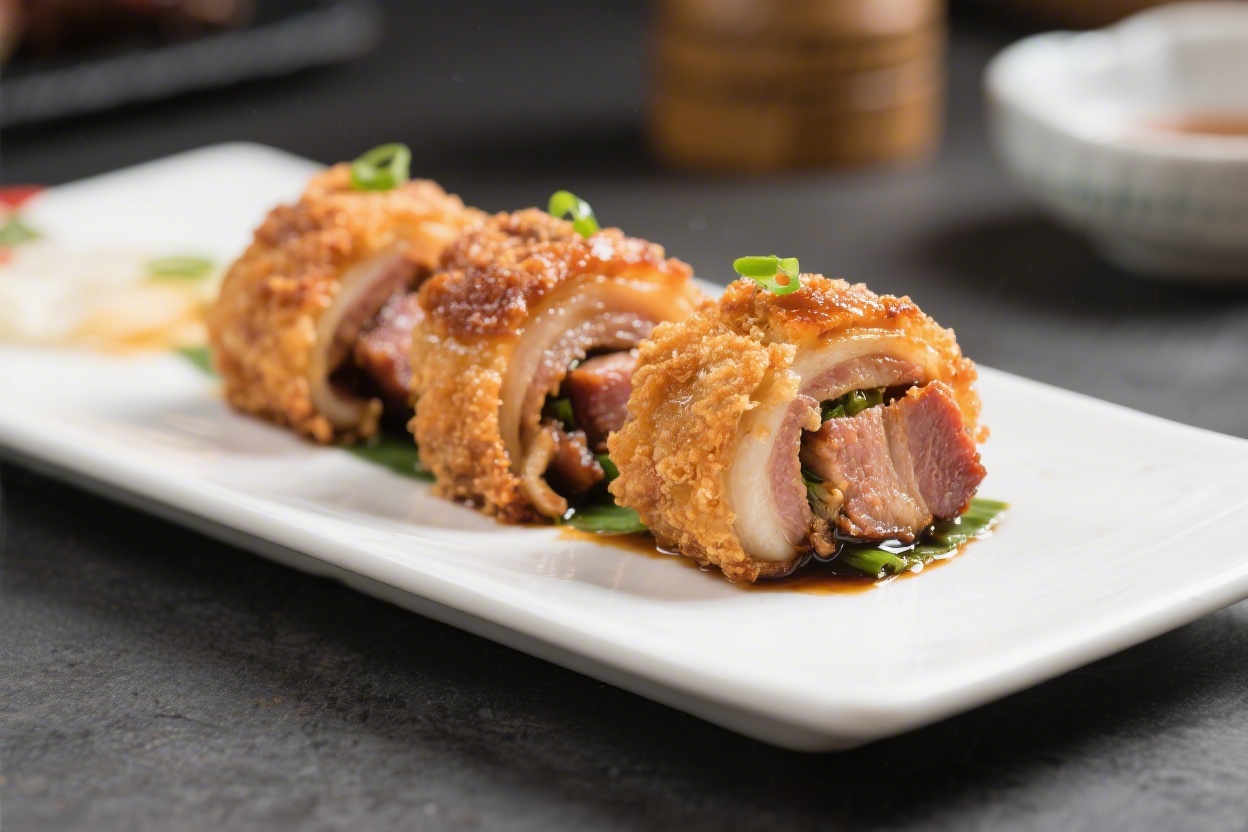
There’s something special about a pork belly roll that’s crisp on the outside and juicy inside. It’s rich, savory, and full of crackling texture that feels like a small victory with every bite. This recipe keeps things simple and reliable, so you can get that restaurant-worthy crunch at home without overthinking it.
Whether it’s a weekend project or a dinner to impress, this one hits all the right notes. Get your oven ready, and let the pork do most of the work.
Contents
What Makes This Recipe So Good
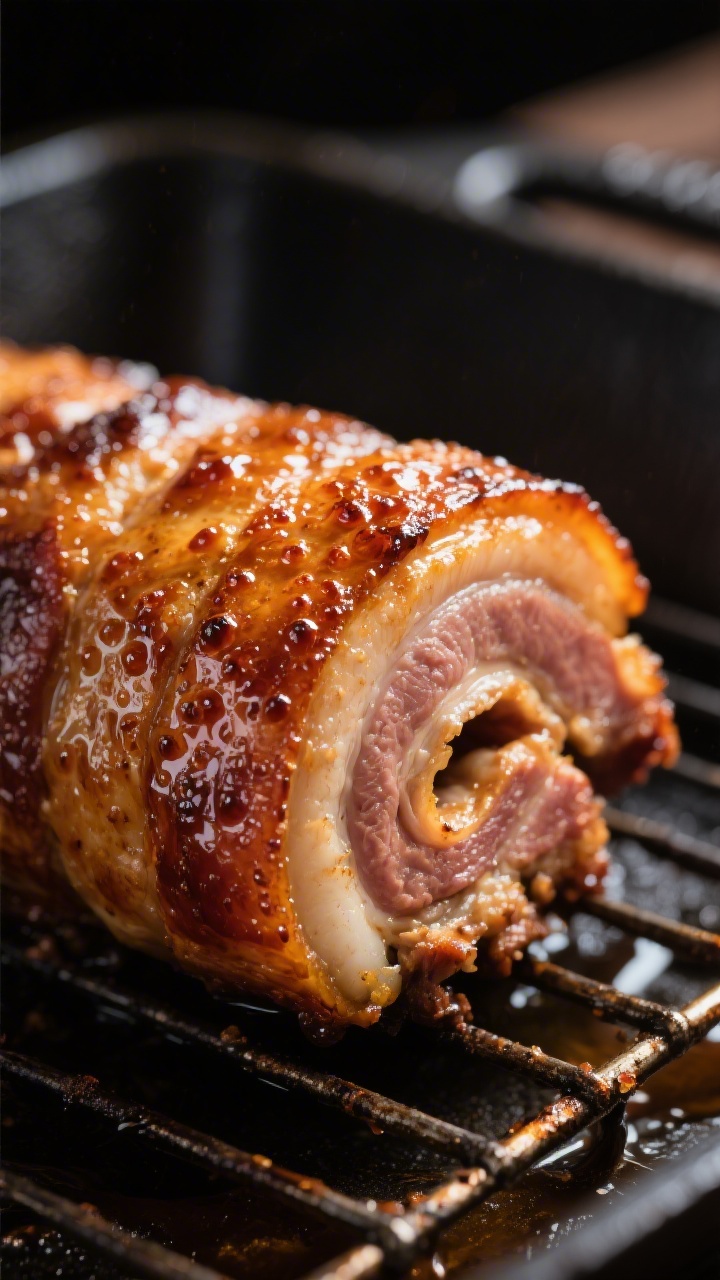
This pork belly roll balances crunchy crackling skin with tender, juicy meat. The key is drying the skin, scoring it properly, and using steady oven heat.
A simple herb and garlic rub goes inside the roll, adding aroma without masking the pork’s natural flavor.
You don’t need special equipment, just a sharp knife, kitchen twine, and a baking tray with a rack. The method is straightforward, and the ingredients are easy to find. Best of all, leftovers are just as good—slice them thin and crisp them up in a skillet for a second-day win.
Shopping List
- Pork belly, skin on, about 3–4 pounds (1.4–1.8 kg), in a rectangular slab
- Kosher salt (or sea salt)
- Black pepper, freshly ground
- Garlic, 5–6 cloves, minced
- Fennel seeds, 1 tablespoon, lightly crushed (optional but great)
- Fresh rosemary, 2 teaspoons, finely chopped (or thyme)
- Lemon zest, from 1 lemon
- Olive oil, 1–2 tablespoons
- Red pepper flakes, a pinch (optional)
- White vinegar or rice vinegar, 1 tablespoon (for the skin)
- Kitchen twine for tying
Optional sides and finishes:
- Roasted potatoes or root vegetables
- Simple salad with a sharp vinaigrette
- Mustard, apple sauce, or salsa verde
Instructions
- Prep the pork belly: Place the pork belly skin-side up.Pat it completely dry with paper towels. Flip to the meat side and trim any loose bits so you have a clean rectangle that rolls neatly.
- Score the skin: Turn skin-side up again. Use a sharp knife to score the skin in straight lines about 1/2 inch apart, just through the skin and a little into the fat.Do not cut into the meat. Crosshatch if you like, but simple parallel lines work great.
- Salt the skin: Rub 1 tablespoon of salt into the skin, pushing it into the scores. Brush or dab the skin lightly with vinegar—this helps the crackling.Leave it uncovered in the fridge for at least 6 hours, ideally overnight, to dry the skin out.
- Make the rub: In a small bowl, mix garlic, fennel seeds, rosemary, lemon zest, black pepper, a pinch of red pepper flakes, and 1–2 tablespoons olive oil to make a paste. Add 1–1.5 teaspoons salt for the meat side.
- Season the meat side: Pat the pork dry again. Flip to the meat side and spread the garlic-herb paste evenly across it, edge to edge.
- Roll and tie: Roll the belly up tightly from the long side to form a log.Tie the roll with kitchen twine every 1.5–2 inches to hold its shape. Don’t tie too tight or the meat will bulge; firm and even is best.
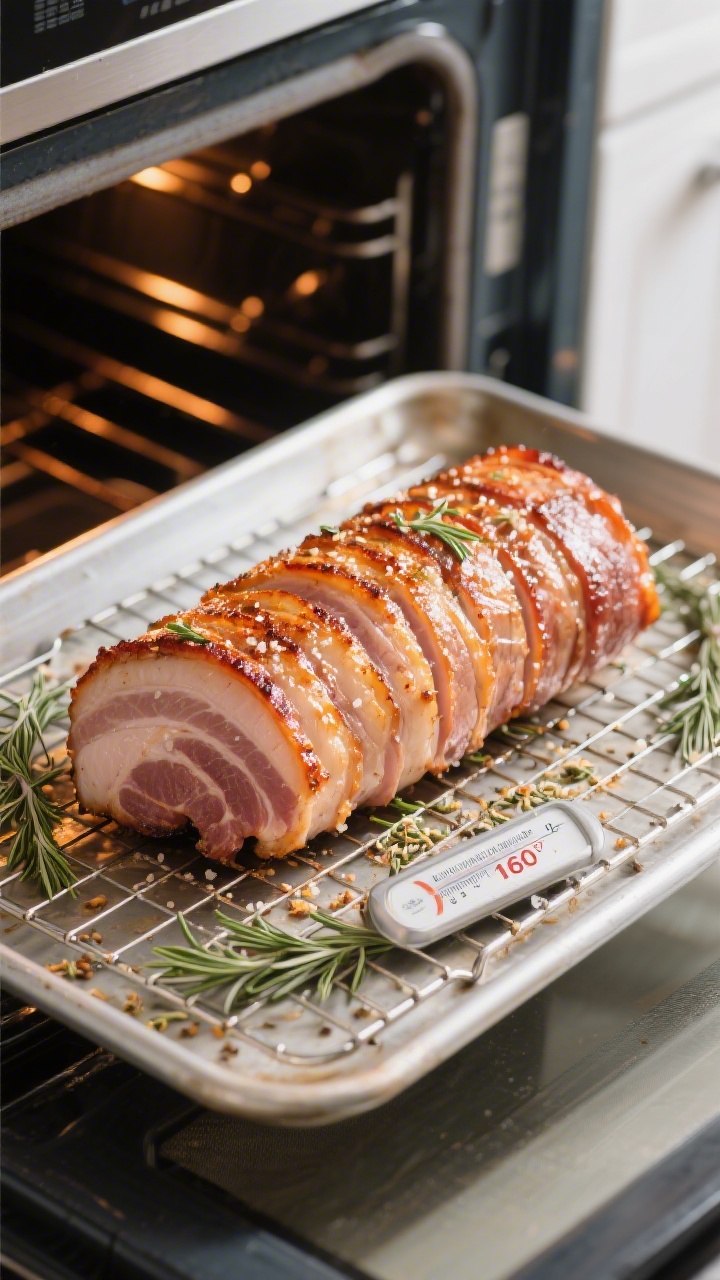
- Preheat and set up: Heat the oven to 300°F (150°C). Place the roll on a wire rack set over a roasting pan or rimmed baking sheet.This keeps airflow under the pork and helps the skin dry.
- Slow-roast: Roast for 2–2.5 hours, until the internal temperature reaches about 160°F (71°C) and the meat feels tender when pressed. The skin will look dry and pale at this stage—that’s good.
- Crisp the crackling: Increase oven to 450°F (230°C). Roast 20–35 minutes more, rotating the pan halfway.Watch closely at the end. The skin will puff and blister. If a section lags, turn that area toward the hotter side of the oven for a few extra minutes.
- Rest: Remove the roll and rest for 15–20 minutes.This keeps the juices in and makes slicing easier. Snip and remove the twine.
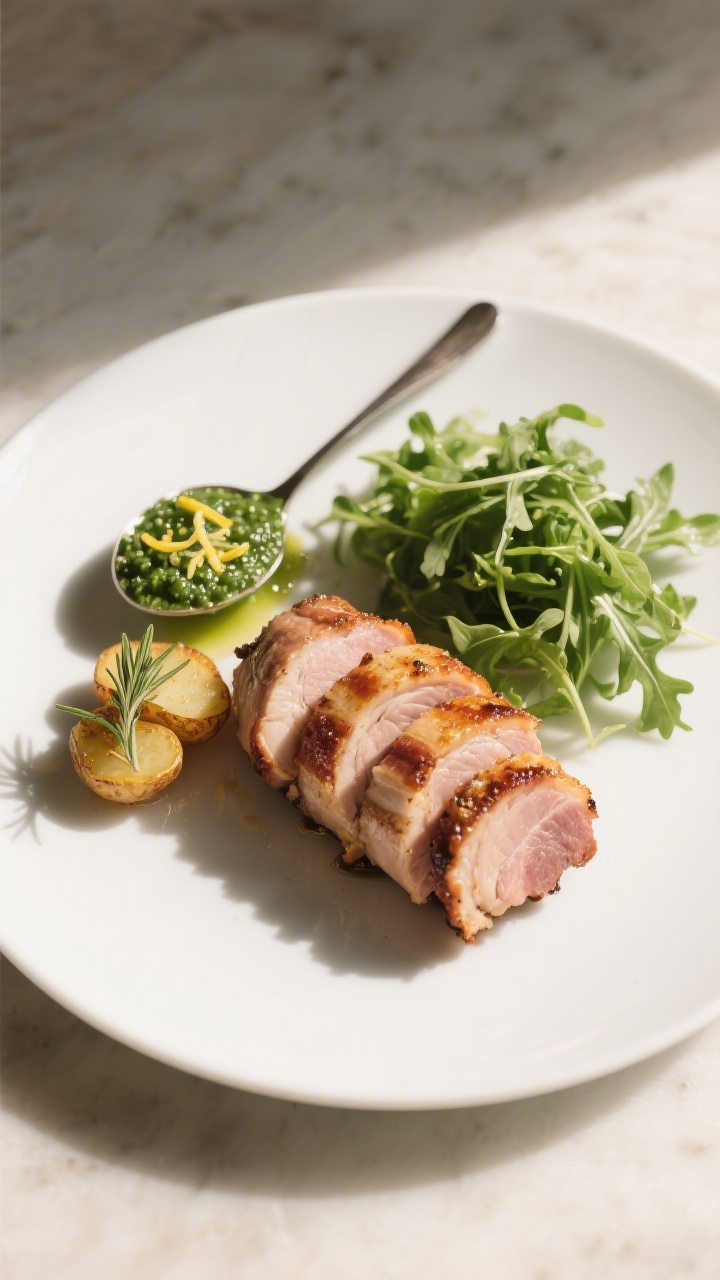
- Slice and serve: Use a sharp serrated knife to cut 1/2-inch slices. Serve with roasted potatoes, a bright salad, and something tangy like mustard or salsa verde.
Keeping It Fresh
Let leftovers cool to room temperature, then store in an airtight container in the fridge for up to 4 days.
For best results, wrap slices in parchment before sealing to protect the crackling. The skin will soften in the fridge, but you can bring it back.
To re-crisp, place slices skin-side down in a cold nonstick skillet. Set to medium heat and cook until the skin sizzles and crisps again, about 5–7 minutes.
Or reheat in a 400°F (200°C) oven on a rack for 10–12 minutes. Avoid microwaving if you want crunch.
You can also freeze tightly wrapped slices for up to 2 months. Thaw overnight in the fridge, then re-crisp as above.
Why This is Good for You
Pork belly is rich, so it’s not everyday food, but there are benefits when you balance it well.
It’s a solid source of protein and provides B vitamins and iron. Pairing it with greens and acidic sides helps make the meal feel lighter and more satisfying without overeating.
Cooking it at a lower temperature first and finishing hot keeps the fat rendered and the meat moist. That means you get the texture you crave without greasiness.
Portioning into thinner slices also helps you enjoy it mindfully.
Pitfalls to Watch Out For
- Wet skin = soft crackling: If the skin isn’t dry before roasting, it won’t blister. Overnight drying in the fridge is your friend.
- Shallow scoring only: Cutting too deep lets juices bubble onto the skin and prevents crisping. Score just through the skin.
- Skipping the rack: Airflow matters.A rack keeps the bottom from steaming in its own fat.
- Overcrowding the pan: Use a roomy tray so heat circulates. If the roll touches the sides, the skin there may stay chewy.
- Rushing the final blast: Watch closely at high heat. The difference between perfect blistering and burnt is a few minutes.
Alternatives
- Different herbs: Swap rosemary for thyme, sage, or a mix.Add orange zest for a warmer citrus note.
- Spice route: Try Chinese five-spice instead of fennel and rosemary. Add a touch of white pepper and grated ginger to the rub.
- Stuffing ideas: A thin layer of sautéed onions and chopped parsley adds sweetness and freshness. Keep layers thin so the roll ties well.
- Air fryer finish: If your oven struggles to crisp, move the roll (or slices) to an air fryer at 400°F (200°C) for 5–8 minutes to finish the crackling.
- No roll, same flavor: If tying is intimidating, cook the belly flat using the same drying, scoring, and temperature method.Slice into squares to serve.
FAQ
How do I keep the pork belly from drying out?
Use the low-and-slow roast first to render fat gently, then finish hot for crisp skin. Rest the meat before slicing so juices settle. Avoid poking holes in the skin during cooking, which can let moisture escape onto the surface.
Can I make this a day ahead?
Yes.
Roast at 300°F (150°C) until tender, cool, and chill. Before serving, bring to room temp and finish at 450°F (230°C) to crisp the skin. This make-ahead approach often improves texture because the skin dries further in the fridge.
What if I don’t have kitchen twine?
You can use unflavored dental floss in a pinch, or cook the belly flat.
Avoid rubber bands or anything that can melt. Twine gives the neatest shape and even cooking, but it’s not strictly required.
My skin isn’t blistering. What can I do?
Crank the heat to 475°F (245°C) briefly and rotate the pan.
Pat the surface dry and brush with a tiny bit of oil if it looks dull and dusty. If your oven has hot spots, aim those areas toward them for a few extra minutes.
Can I use skinless pork belly?
You can, but you won’t get crackling. The method still produces tender, juicy meat with great flavor.
Consider searing the outside in a hot skillet at the end for a browned crust.
What internal temperature should I aim for?
About 160°F (71°C) during the slow roast gives you tender meat, and the high-heat finish focuses on the skin. The meat will climb a few degrees as it rests.
Is there a way to cut the richness?
Serve with sharp sides like a lemony arugula salad, quick pickles, or a vinegar-based slaw. Mustard, chimichurri, or salsa verde also balance the fatty richness beautifully.
Final Thoughts
This crispy pork belly roll is all about contrast: glassy crackling, juicy layers, and a bright hint of herbs and citrus.
The method is simple, and the results are dependable once you focus on dry skin, steady heat, and a hot finish. Make it for a special dinner, then enjoy cold slices in sandwiches the next day. It’s the kind of recipe that turns a basic cut into something you’ll crave again and again.
Printable Recipe Card
Want just the essential recipe details without scrolling through the article? Get our printable recipe card with just the ingredients and instructions.