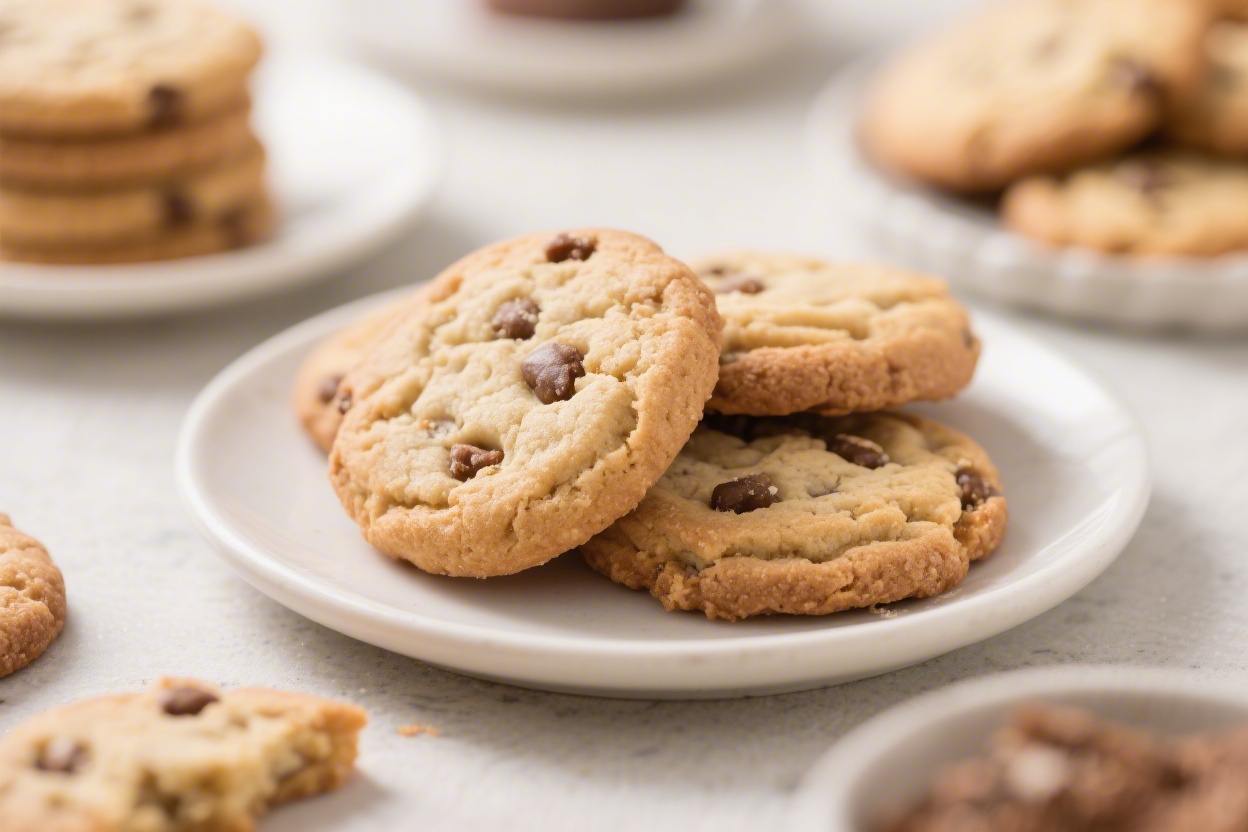
If you’re new to baking, cookies are the perfect place to start. They come together fast, use basic pantry ingredients, and deliver instant comfort. This guide walks you through a simple base dough you can turn into chocolate chip, sugar, or oatmeal cookies with a few easy tweaks.
No special tools, no fancy techniques—just dependable steps that work. You’ll get tasty results even on your first try, and confidence to keep going.
Contents
- 1 Why This Recipe Works
- 2 What You’ll Need
- 3 Instructions
- 4 Storage Instructions
- 5 Why This is Good for You
- 6 Pitfalls to Watch Out For
- 7 Variations You Can Try
- 8 FAQ
- 8.1 Do I have to use a mixer?
- 8.2 What if I only have salted butter?
- 8.3 Can I make the dough ahead?
- 8.4 Why are my cookies spreading too much?
- 8.5 How do I get thicker, bakery-style cookies?
- 8.6 Can I reduce the sugar?
- 8.7 What if I don’t have brown sugar?
- 8.8 How do I make them gluten-free?
- 8.9 Can I bake two trays at once?
- 8.10 How do I know they’re done?
- 9 Wrapping Up
Why This Recipe Works
This base dough uses the classic creaming method—beating butter and sugar—so you get cookies that are lightly crisp on the edges and soft in the center. The mix of white and brown sugar adds both sweetness and moisture.
A quick chill helps the dough hold its shape, so the cookies don’t spread too much. With a 1:1:1 ratio of butter, sugar, and flour by volume (adjusted slightly for best texture), it’s easy to remember and repeat. And the add-ins are flexible, so you can make several flavors from one batch.
What You’ll Need
- 1 cup (2 sticks) unsalted butter, softened to room temperature
- 3/4 cup granulated sugar
- 3/4 cup packed light brown sugar
- 2 large eggs, at room temperature
- 2 teaspoons vanilla extract
- 2 1/2 cups all-purpose flour
- 1 teaspoon baking soda
- 1/2 teaspoon baking powder
- 1/2 teaspoon fine salt
- Optional add-ins (choose 1–2 cups total): chocolate chips, chopped chocolate, sprinkles, raisins, chopped nuts, shredded coconut, or rolled oats
- For rolling or topping (optional): extra granulated sugar, coarse sugar, or flaky sea salt
Instructions
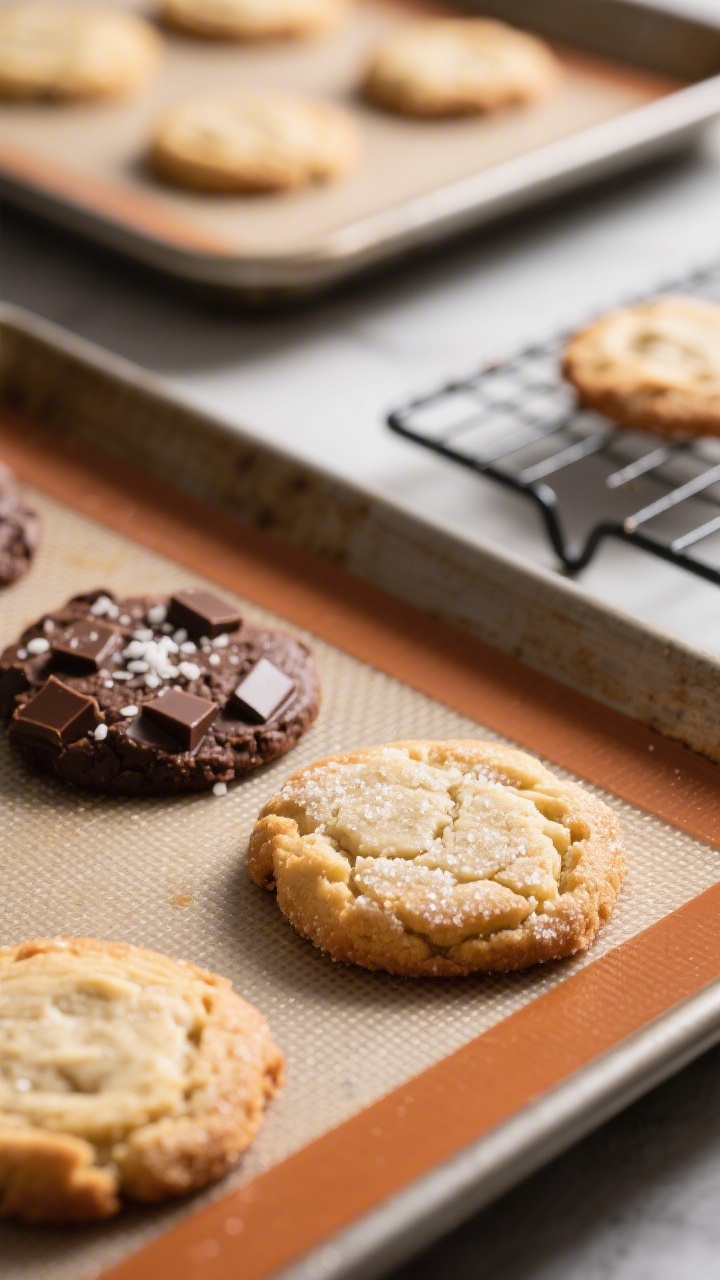
- Prep your tools. Heat the oven to 350°F (175°C).Line two baking sheets with parchment paper or silicone mats. This prevents sticking and gives even browning.
- Cream the butter and sugars. In a large bowl, beat the softened butter with the granulated and brown sugars for 2–3 minutes until light and fluffy. This step builds air into the dough for better texture.
- Add eggs and vanilla. Beat in the eggs one at a time until fully blended.Mix in the vanilla. Scrape the bowl so everything combines evenly.
- Whisk dry ingredients. In a separate bowl, whisk flour, baking soda, baking powder, and salt. This keeps the leaveners from clumping.
- Combine wet and dry. Add the dry mixture to the wet in two additions.Mix on low just until no streaks of flour remain. Do not overmix or the cookies can turn tough.
- Fold in add-ins. Stir in your choice of chocolate chips, nuts, raisins, oats, or sprinkles. Start with 1 1/2 cups and add more if you like chunkier cookies.
- Chill briefly (recommended). Cover the bowl and chill the dough for 20–30 minutes. Chilling helps control spread and deepens flavor, but you can skip it if you’re short on time.
- Scoop and space. Use a tablespoon or cookie scoop to drop 1 1/2-inch balls onto the sheets, spacing them about 2 inches apart. For sugar cookies, roll balls in granulated sugar before baking.
- Bake. Bake for 9–12 minutes, depending on size and your oven. Edges should be lightly golden, centers still a bit soft. They’ll set as they cool.
- Cool. Let cookies rest on the sheet for 3–4 minutes, then transfer to a wire rack to cool completely.This keeps the bottoms crisp and prevents breakage.
Storage Instructions
- Room temperature: Store in an airtight container for 4–5 days. Add a slice of bread to the container to keep cookies soft (replace as it dries out).
- Freezing baked cookies: Cool completely and freeze in layers with parchment between them for up to 2 months. Thaw at room temperature.
- Freezing dough: Scoop dough onto a tray, freeze until firm, then transfer to a freezer bag for up to 3 months.Bake from frozen, adding 1–2 extra minutes.
Why This is Good for You
Homemade cookies let you control what goes in. You can use less sugar, swap in whole wheat pastry flour for part of the white flour, or add oats and nuts for more fiber and healthy fats. You also avoid the preservatives and artificial flavors found in many packaged treats.
And baking builds confidence and creativity in the kitchen, which pays off well beyond dessert.
Pitfalls to Watch Out For
- Overmixing the dough: Mix just until combined after adding the flour. Overmixing develops gluten and can make cookies tough.
- Butter too warm or melted: If your butter is greasy or half-melted, the cookies will spread too much. It should be soft but still cool to the touch.
- Skipping the chill: Not chilling can be fine, but expect flatter cookies.If your kitchen is warm, a short chill is worth it.
- Overbaking: Pull them when the centers look slightly underdone. They firm up as they cool. Overbaked cookies turn dry fast.
- Uneven sizes: Use a scoop for consistent portions so all cookies bake at the same rate.
- Old leaveners: Baking soda and powder lose strength over time.If your cookies don’t rise, check their expiration dates.
Variations You Can Try
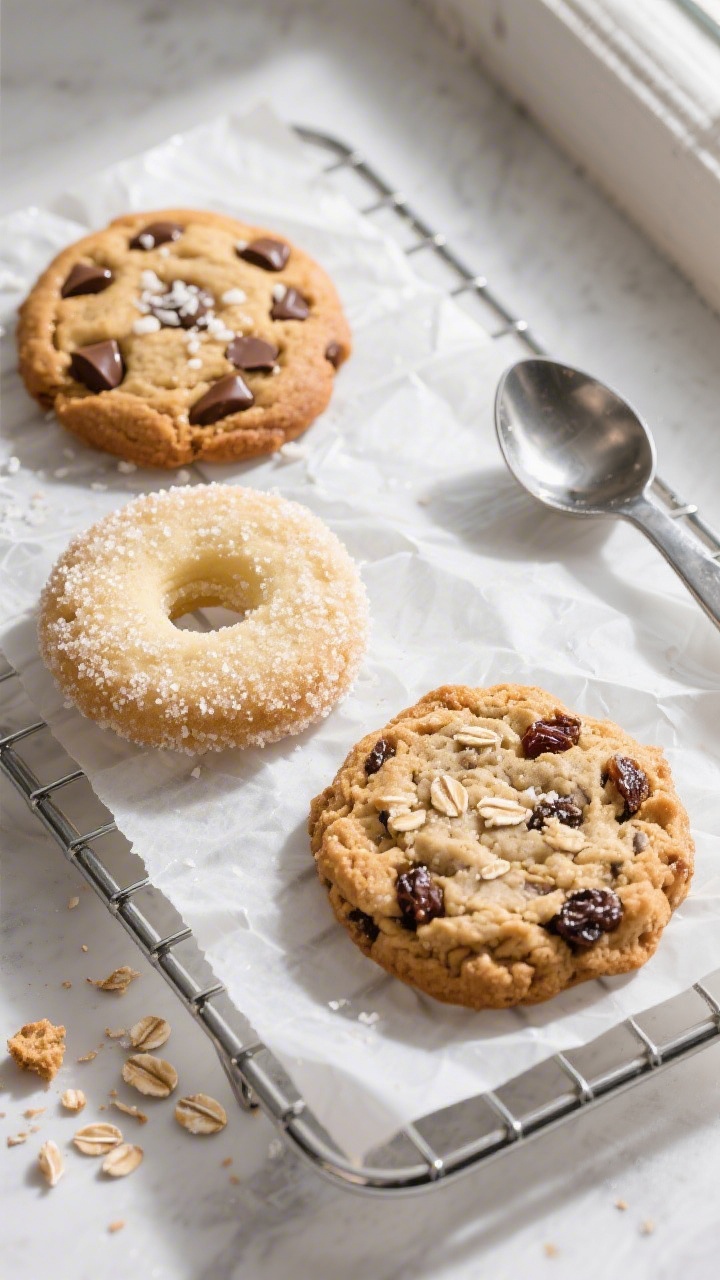
- Classic Chocolate Chip: Add 1 1/2 cups semisweet chips and a pinch of flaky salt on top right after baking.
- Chewy Oatmeal Raisin: Stir in 1 1/2 cups rolled oats, 3/4 cup raisins, and 1/2 teaspoon cinnamon. If dough feels dry, add 1 tablespoon milk.
- Sugar Cookies: Skip chips and nuts. Roll dough balls in granulated sugar and flatten slightly with a glass before baking.
- Peanut Butter Twist: Replace 1/2 cup butter with 1/2 cup creamy peanut butter.Add chopped peanuts or chocolate chunks.
- Double Chocolate: Swap 1/4 cup of the flour for cocoa powder. Fold in white or dark chocolate chunks.
- Coconut Almond: Add 1 cup shredded coconut and 1/2 cup sliced almonds. Finish with a light drizzle of melted chocolate after cooling.
- Lemon Sugar: Mix 1 tablespoon lemon zest into the sugar before creaming.Roll in coarse sugar and top with a tiny squeeze of fresh lemon while warm.
FAQ
Do I have to use a mixer?
No. A wooden spoon or sturdy spatula works fine. It may take a few extra minutes to cream the butter and sugar by hand, but the results are just as good.
What if I only have salted butter?
Use it and reduce the added salt to a small pinch or skip it entirely.
The flavor will still be balanced.
Can I make the dough ahead?
Yes. Keep covered in the fridge for up to 48 hours. The flavor deepens as it chills.
Let it sit at room temperature for 10–15 minutes if it’s too firm to scoop.
Likely causes are butter that was too warm, a hot kitchen, or skipping the chill. Also check that you measured flour correctly—too little flour makes flat cookies.
Chill the dough at least 1 hour, use a larger scoop, and bake at the lower end of the time just until set. You can also add 2 tablespoons extra flour for more structure.
Can I reduce the sugar?
Yes.
You can cut the total sugar by about 1/4 cup without hurting the texture much. Any lower and the cookies may turn drier and less chewy.
What if I don’t have brown sugar?
Use all granulated sugar and add 1 teaspoon molasses if you have it. If not, use all white sugar—cookies will be a bit crisper and lighter in flavor.
How do I make them gluten-free?
Use a 1:1 gluten-free baking flour blend that includes xanthan gum.
Check your oats are certified gluten-free if making oatmeal cookies.
Can I bake two trays at once?
Yes, but rotate the sheets halfway through baking—swap the top and bottom racks and turn the pans front to back for even browning.
How do I know they’re done?
Look for lightly golden edges and soft centers that no longer look glossy. If you tap the edge, it should feel set, not wet.
Wrapping Up
With this simple base dough and a few easy tricks, fresh cookies are always within reach. Start with the classic version, then try a variation or two to find your favorite style.
Keep your butter cool, watch the bake time, and let the cookies finish setting on the sheet. You’ll get consistent, tasty results—and a new go-to recipe you can make anytime.
Printable Recipe Card
Want just the essential recipe details without scrolling through the article? Get our printable recipe card with just the ingredients and instructions.