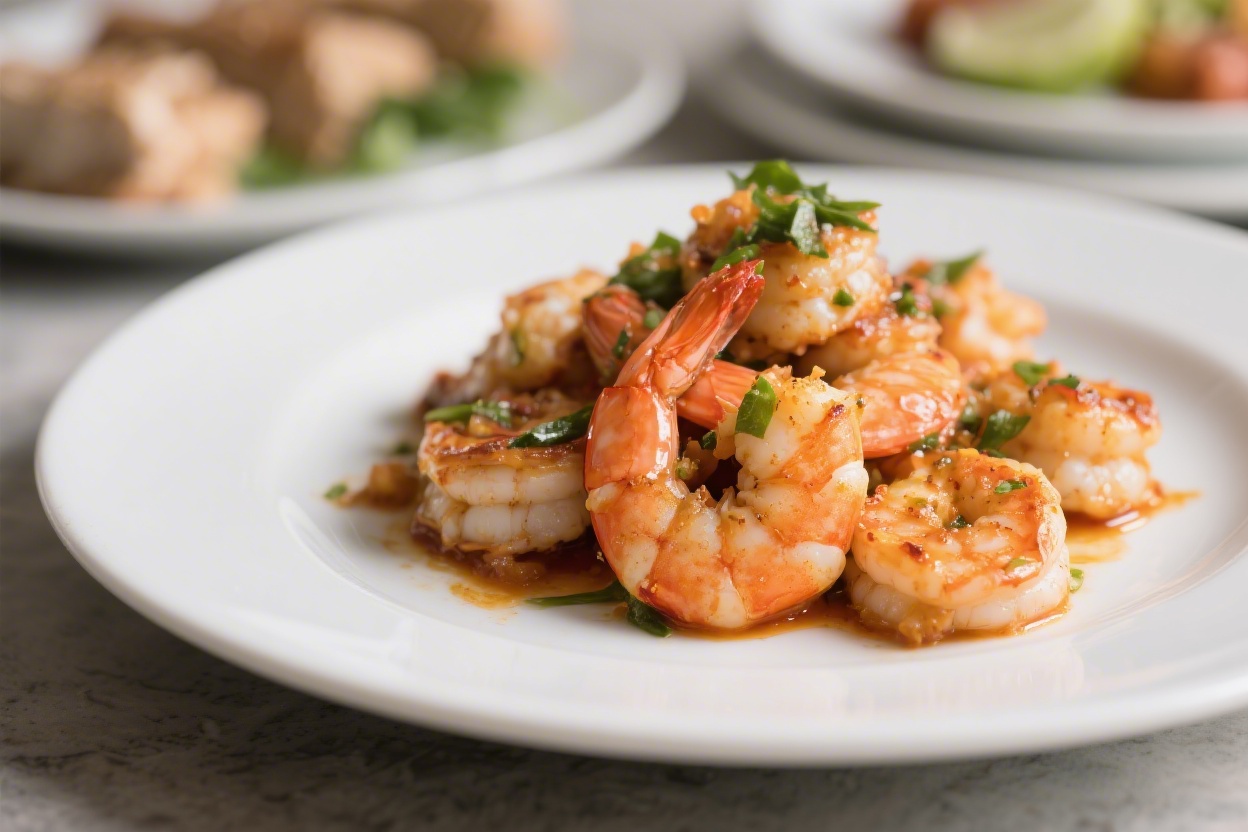
Shrimp makes dinner feel a little special without making you work for it. It cooks in minutes, so you can eat well even when you’re short on time. Plus, it picks up flavor fast, which means simple marinades and pantry spices can go a long way.
In this guide, you’ll find a flexible base recipe and easy ideas to switch it up. Think garlicky shrimp one night, spicy Cajun the next, and a lemon-butter version for when you want something bright and light.
Contents
- 1 What Makes This Special
- 2 Ingredients
- 3 How to Make It
- 4 Keeping It Fresh
- 5 Health Benefits
- 6 Pitfalls to Watch Out For
- 7 Alternatives
- 8 FAQ
- 8.1 Can I use frozen shrimp?
- 8.2 Do I need to devein shrimp?
- 8.3 What size shrimp should I buy?
- 8.4 How do I know when shrimp are done?
- 8.5 What’s the best pan to use?
- 8.6 Can I grill the shrimp instead?
- 8.7 How can I make it creamy?
- 8.8 What if I don’t have fresh herbs?
- 8.9 Is shrimp safe for people with high cholesterol?
- 8.10 How can I make it spicier?
- 9 Final Thoughts
What Makes This Special
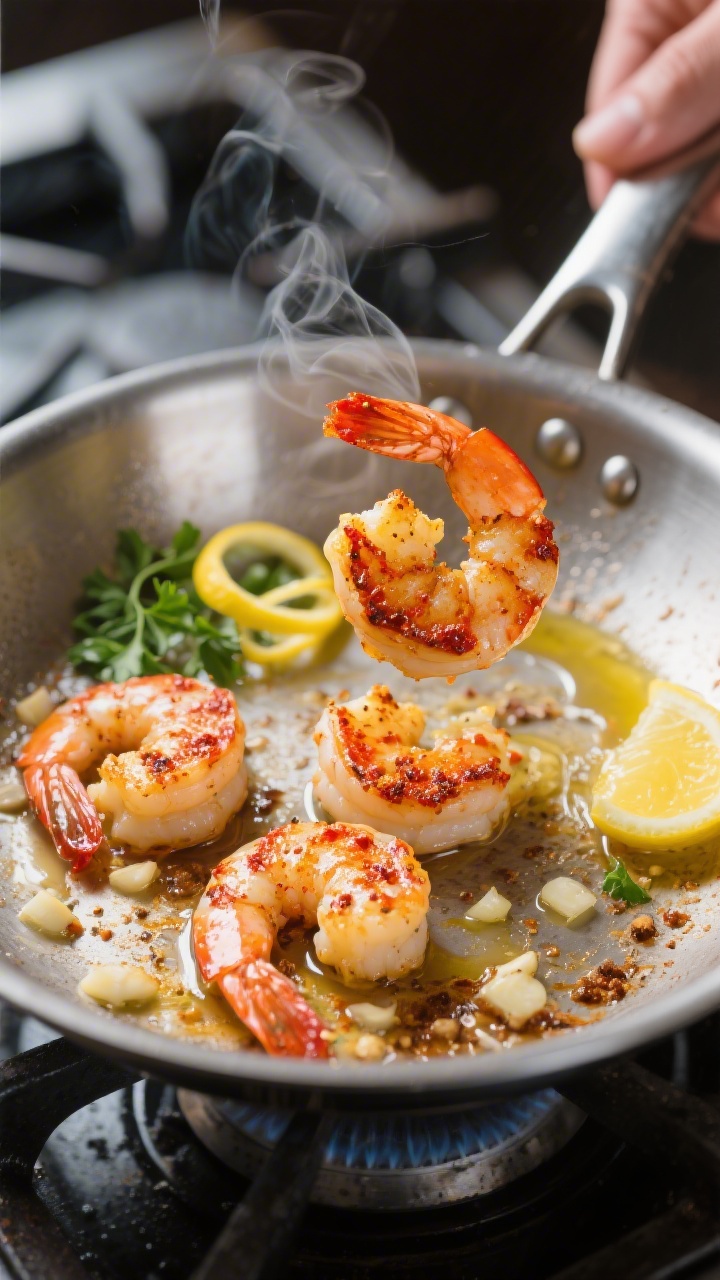
This is less of a single recipe and more of a smart, repeatable method. You’ll season, sear, and finish with a quick sauce that matches your mood.
It’s fast, uses everyday ingredients, and works with fresh or frozen shrimp. You can serve it with rice, pasta, a salad, or tortillas. The best part: it tastes restaurant-level with almost no fuss.
- Speed: Shrimp cooks in 3–4 minutes, total.
- Flavor: Simple aromatics and a splash of acid bring it to life.
- Flexible: Swap spices, herbs, and sauces to match what you have.
- Light but satisfying: Protein-forward, easy to pair with veggies or grains.
Ingredients
- 1 pound large shrimp (16–20 or 21–25 count), peeled and deveined, tails on or off
- 2 tablespoons olive oil or unsalted butter (or a mix)
- 3–4 garlic cloves, minced
- 1 teaspoon kosher salt, plus more to taste
- 1/2 teaspoon black pepper
- 1 teaspoon paprika (sweet or smoked)
- 1/4–1/2 teaspoon red pepper flakes (optional, for heat)
- Zest and juice of 1/2 lemon (about 1–2 tablespoons juice)
- 2 tablespoons fresh parsley, chopped (or cilantro, dill, or basil)
- Optional add-ins: 1/4 cup dry white wine, 2 teaspoons honey, 1 tablespoon soy sauce, 1 teaspoon Cajun seasoning, or 1 tablespoon capers
- For serving: Cooked rice, pasta, crusty bread, tortillas, or mixed greens
How to Make It
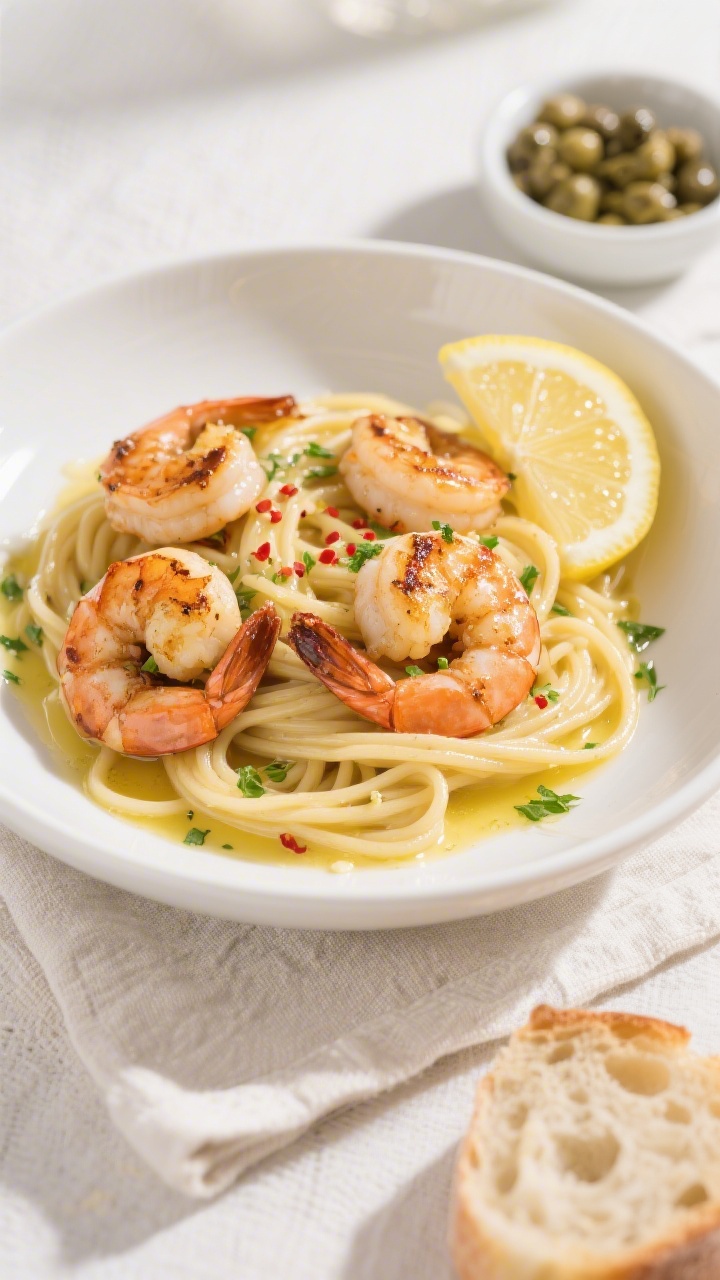
- Prep the shrimp: Pat shrimp very dry with paper towels.Dry shrimp sear better and won’t steam.
- Season simply: Toss shrimp with salt, pepper, and paprika. Add a pinch of red pepper flakes if you like heat.
- Heat the pan: Set a large skillet over medium-high. Add olive oil or butter.When it’s hot and shimmering (or butter is foamy), you’re ready.
- Sear side one: Place shrimp in a single layer. Don’t crowd the pan. Cook 1–2 minutes until the underside is pink and lightly golden.
- Flip and add garlic: Turn shrimp, then add minced garlic to the pan.Cook another 1–2 minutes until shrimp are opaque and just cooked through.
- Deglaze and flavor: Reduce heat to medium-low. Add lemon juice (and wine, if using). Scrape up any browned bits.Add a pat of butter if you want a richer sauce.
- Finish with zest and herbs: Turn off heat. Stir in lemon zest and parsley. Taste and adjust with more salt, pepper, or lemon.
- Serve fast: Shrimp wait for no one.Plate over rice or pasta, tuck into tacos, or spoon over greens with crusty bread.
Keeping It Fresh
- Buy right: If you’re not on the coast, frozen shrimp are often fresher than “fresh” ones at the counter. Thaw in the fridge overnight or under cold running water for 10–15 minutes.
- Dry is key: Moisture keeps shrimp from browning. Always pat dry before seasoning.
- Don’t overcook: Shrimp are done when they’re pink and C-shaped.If they curl into tight O’s, they’re overcooked.
- Storage: Cooked shrimp keep 2–3 days in the fridge. Reheat gently over low heat or enjoy cold on salads.
- Meal prep tip: Make a double batch and use leftovers for shrimp tacos or a quick grain bowl the next day.
Health Benefits
- Lean protein: Shrimp is high in protein with relatively few calories, which helps with satiety.
- Micronutrients: It’s a good source of selenium, iodine, vitamin B12, and zinc, which support metabolism and thyroid health.
- Omega-3s: Shrimp contains beneficial omega-3 fatty acids for heart and brain health.
- Low in saturated fat: Makes a heart-friendly choice when cooked with olive oil and paired with vegetables.
Pitfalls to Watch Out For
- Rubbery texture: Overcooking is the main culprit. Cook quickly over medium-high heat and pull them the moment they turn opaque.
- Watery pan: Crowding the skillet steams shrimp.Work in batches if needed.
- Bland results: Season generously with salt, add acid (lemon), and finish with fresh herbs. A little heat or smoked paprika adds depth.
- Strong “fishy” smell: Old shrimp. Buy from a reliable source and use within a day or two of thawing.
- Shell bits: If peeling yourself, double-check for vein and shell fragments, especially at the tails.
Alternatives
- Flavor swaps: Go Cajun (Cajun seasoning + lemon), Garlic-Butter (extra butter + parsley), Chili-Lime (chili powder + lime juice), or Lemon-Caper (capers + white wine + lemon zest).
- Protein swaps: Try scallops (sear 2–3 minutes per side), thin chicken cutlets (cook longer, 3–4 minutes per side), or firm tofu (press dry, sear until crisp).
- Carb bases: Serve over orzo, couscous, garlic butter noodles, or cauliflower rice for a lighter take.
- Vegetable add-ins: Toss in cherry tomatoes, spinach, zucchini, or asparagus in the last 2–3 minutes.
- Sauce twists: Stir in a spoon of pesto, a splash of soy and honey, or a dollop of harissa for quick variety.
FAQ
Can I use frozen shrimp?
Yes.
Frozen shrimp are often the freshest option. Thaw in the fridge overnight or place in a colander under cold running water for 10–15 minutes. Pat very dry before cooking.
Do I need to devein shrimp?
It’s optional but recommended for cleaner flavor and appearance.
Many bags of frozen shrimp are already peeled and deveined, which saves time.
What size shrimp should I buy?
Large shrimp (16–20 or 21–25 per pound) are ideal for quick searing and even cooking. Smaller shrimp cook faster and can overcook easily.
How do I know when shrimp are done?
They turn pink and opaque with a gentle C-shape. If they’re tight and round like an O, they’re overcooked.
Total time is usually 3–4 minutes.
What’s the best pan to use?
A large stainless steel or cast-iron skillet gives the best sear. Nonstick works too but won’t brown quite as much. Preheat well and don’t overcrowd.
Can I grill the shrimp instead?
Definitely.
Toss with oil and seasoning, thread on skewers, and grill 1–2 minutes per side over medium-high heat. Finish with lemon and herbs.
How can I make it creamy?
Add a splash of cream or half-and-half after deglazing, then simmer 1–2 minutes to thicken slightly. Parmesan and a knob of butter make it extra silky.
What if I don’t have fresh herbs?
Use dried herbs, but reduce the amount (about one-third of the fresh quantity).
A squeeze of lemon still brightens everything.
Is shrimp safe for people with high cholesterol?
Shrimp is higher in dietary cholesterol but low in saturated fat. For most people, saturated fat has a bigger impact on blood cholesterol. If you have specific concerns, consult your doctor or dietitian.
How can I make it spicier?
Add more red pepper flakes, cayenne, or a dash of hot sauce.
A smoky chili powder or chipotle powder adds heat and depth.
Final Thoughts
Easy shrimp dinners are all about smart technique and bold, simple flavor. Keep shrimp dry, cook hot and fast, and finish with lemon and herbs. From garlic-butter to chili-lime, you can switch up the profile without changing the method.
Pair with whatever you’ve got—pasta, greens, or a warm tortilla—and dinner is done. Fast, fresh, and consistently delicious.