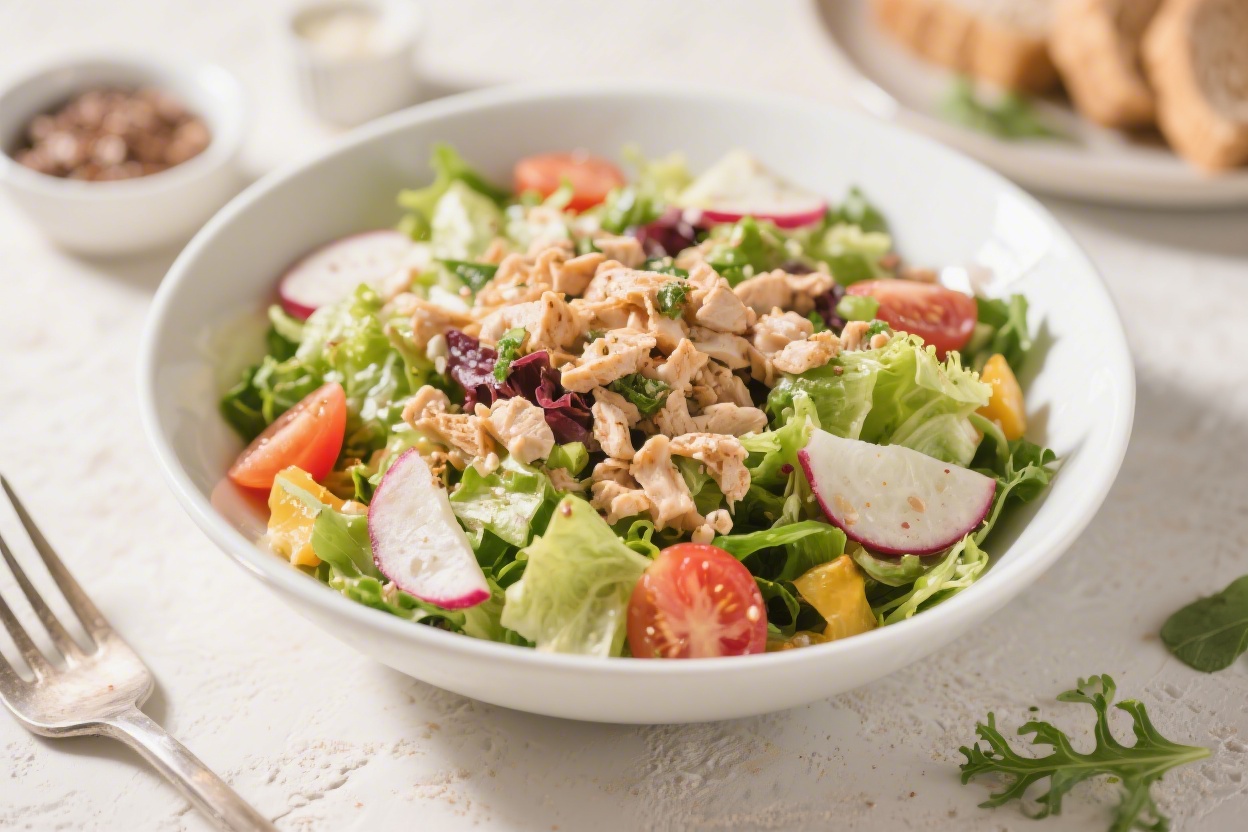
Salads don’t have to leave you hungry an hour later. With the right mix of protein, fiber, and healthy fats, they can be hearty, delicious meals that keep you full and energized. Think juicy chicken, creamy beans, crisp veggies, and crunchy seeds tossed with a bright dressing.
These high protein salad ideas are easy to prep, easy to customize, and ready for busy weekdays. Whether you’re eating low carb, aiming for more fiber, or just want better lunches, these recipes have you covered.
Contents
- 1 Why This Recipe Works
- 2 What You’ll Need
- 3 How to Make It
- 4 Keeping It Fresh
- 5 Health Benefits
- 6 Common Mistakes to Avoid
- 7 Variations You Can Try
- 8 FAQ
- 8.1 How much protein should a filling salad have?
- 8.2 What’s the best dressing for high protein salads?
- 8.3 Can I make these salads vegan?
- 8.4 How long do meal-prepped salads last?
- 8.5 What if I’m short on time?
- 8.6 How can I add more protein without meat?
- 8.7 Are high protein salads okay for weight loss?
- 8.8 What’s a good crunch that isn’t croutons?
- 8.9 How do I keep avocado from browning?
- 8.10 Can I use frozen veggies?
- 9 In Conclusion
Why This Recipe Works
- Balanced macros: Each salad blends protein, fiber, and fats to help control hunger and stabilize energy.
- Meal-prep friendly: Most components store well and assemble quickly on busy days.
- Customizable: Swap proteins, greens, or dressings to match your taste and dietary needs.
- Affordable: Uses pantry staples like beans, canned tuna, eggs, and frozen edamame to keep costs down.
- Fresh flavors: Bright herbs, citrus, and crunchy toppings keep every bite interesting.
What You’ll Need
- Protein options (pick 1–2 per salad):
- Grilled chicken breast or rotisserie chicken
- Canned tuna or salmon (drained)
- Hard-boiled eggs
- Chickpeas, black beans, or lentils (rinsed and drained)
- Tofu (extra-firm), tempeh, or edamame
- Greek yogurt (for dressings or dollops)
- Cottage cheese (small curd for easy mixing)
- Quinoa or farro (for extra protein and texture)
- Greens and veggies:
- Romaine, mixed spring greens, spinach, or kale
- Cherry tomatoes, cucumbers, bell peppers, red onion
- Shredded carrots, cabbage, or broccoli slaw
- Avocado (for healthy fats and creaminess)
- Fresh herbs: parsley, cilantro, dill, or basil
- Crunchy add-ins:
- Pumpkin seeds, sunflower seeds, or sliced almonds
- Whole grain croutons or toasted pita chips (optional)
- Dressings and flavor boosters:
- Olive oil, lemon juice, red wine vinegar, or apple cider vinegar
- Dijon mustard, honey or maple, garlic, salt, pepper
- Tahini or Greek yogurt for creamy dressings
- Spices: cumin, smoked paprika, chili flakes, oregano
How to Make It
- Choose your base: Start with 2–3 cups of greens per serving. Spinach and mixed greens are tender; kale is heartier and holds up longer.Chop into bite-size pieces for easier eating.
- Add a protein anchor: Aim for 20–35 grams of protein. That could be 1 cup chickpeas, 1 can tuna, 4–6 ounces chicken, 2 hard-boiled eggs plus 1/2 cup edamame, or 3/4 cup cottage cheese.
- Layer colorful veggies: Add at least 2 cups of mixed veggies. Tomatoes for juiciness, cucumbers for crunch, peppers for sweetness, and red onion for bite.More color usually means more nutrients.
- Include healthy fats: Add 1/2 avocado, 1–2 tablespoons of seeds or nuts, or a drizzle of olive oil to boost satiety and flavor.
- Season generously: Salt and pepper bring everything to life. Add fresh herbs and a squeeze of lemon to brighten.
- Make a simple dressing: Whisk 3 tablespoons olive oil, 1 tablespoon lemon juice or vinegar, 1 teaspoon Dijon, a pinch of salt, and a little honey. For creamy, whisk in 1 tablespoon Greek yogurt or tahini.
- Toss just before serving: Combine greens, protein, veggies, and dressing in a large bowl.Toss gently so everything gets coated without bruising the greens.
- Top with crunch: Finish with seeds, nuts, or toasted whole grains. Add a final sprinkle of herbs.
- Taste and adjust: More acid if it tastes flat, more salt if it’s dull, a drizzle of oil if it’s too sharp.
Keeping It Fresh
- Store components separately: Keep washed greens, chopped veggies, proteins, and dressing in separate containers. Combine just before eating.
- Use hardy greens for meal prep: Kale, cabbage, and romaine hold up better than spring mix when stored 3–4 days.
- Dry greens thoroughly: Spin or pat dry.Excess water makes salads soggy and waters down dressings.
- Add avocado last: Slice right before serving to prevent browning.
- Keep proteins safe: Store cooked meats and tofu in airtight containers for up to 3–4 days. Canned tuna/salmon keeps 2–3 days after opening.
Health Benefits
- High protein supports satiety: Protein helps reduce hunger hormones and preserves muscle, especially helpful for weight management.
- Fiber for gut health: Beans, greens, and veggies feed healthy gut bacteria and support regular digestion.
- Healthy fats for nutrient absorption: Olive oil, avocado, and seeds help your body absorb fat-soluble vitamins A, D, E, and K.
- Micronutrient rich: Leafy greens bring folate and vitamin K; beans offer iron and magnesium; fish adds omega-3s.
- Steady energy: Balanced meals with protein and fiber help avoid mid-afternoon crashes.
Common Mistakes to Avoid
- Too little protein: A sprinkle of chicken won’t cut it. Measure or estimate to hit at least 20 grams per meal.
- Soggy salads: Wet greens and early dressing lead to limp leaves.Dress at the last minute.
- Flavor imbalance: Bland salads are often missing salt or acid. Add lemon, vinegar, or a pinch more salt to wake up flavors.
- One-note textures: Mix crisp, creamy, and crunchy elements for a better bite and greater satisfaction.
- Skipping fats entirely: A little fat makes salads more filling and improves nutrient absorption.
Variations You Can Try
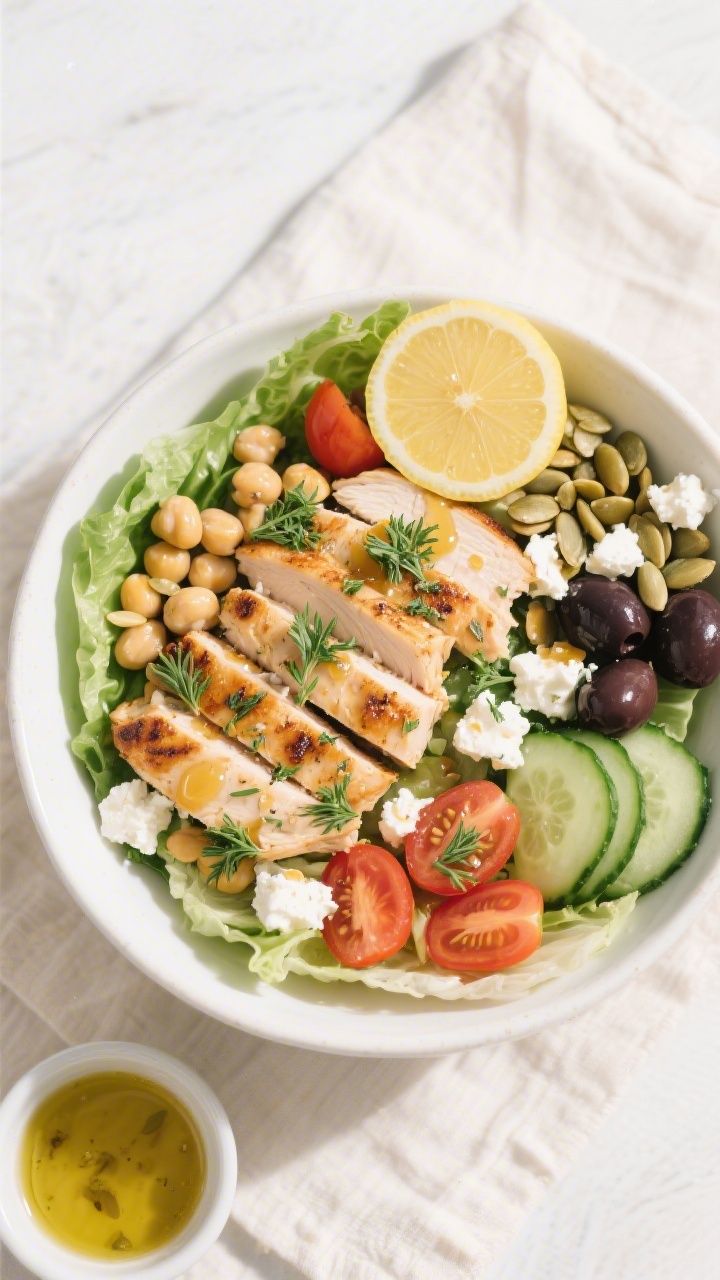
- Mediterranean Power Bowl: Romaine, cherry tomatoes, cucumbers, olives, chickpeas, grilled chicken, feta, and lemon-oregano vinaigrette. Finish with pumpkin seeds.
- Southwest Chicken Salad: Mixed greens, black beans, corn, bell peppers, red onion, grilled chicken, avocado, and a cumin-lime yogurt dressing.Add crushed baked tortillas for crunch.
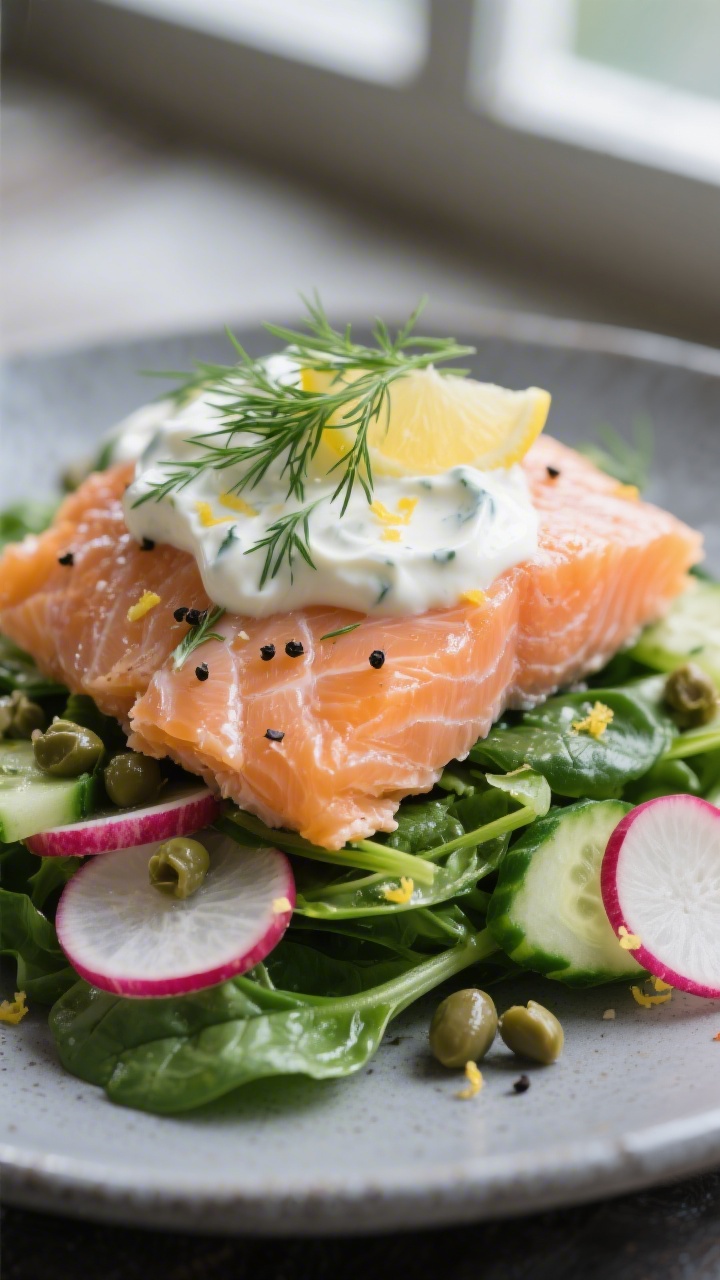
- Salmon and Greens with Dill Yogurt: Spinach, cucumbers, radishes, canned salmon, capers, fresh dill, and Greek yogurt-lemon dressing.
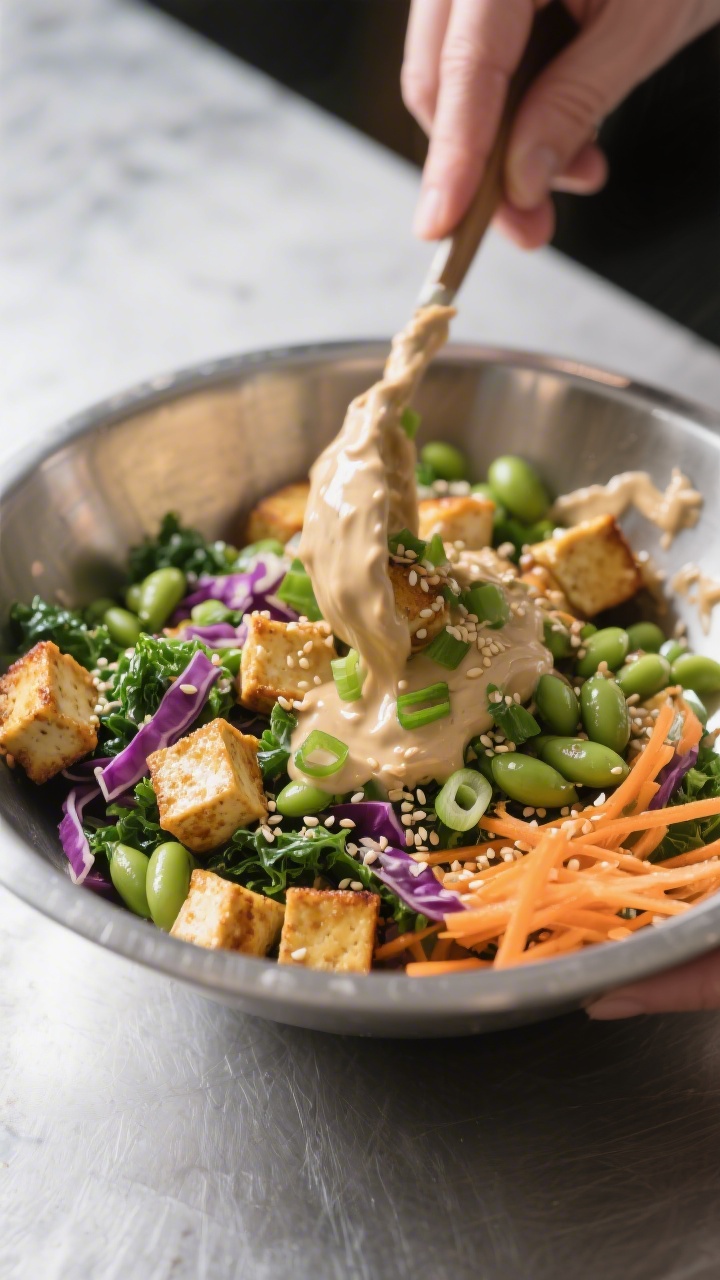
- Tofu Crunch Salad: Kale, shredded cabbage, carrots, baked tofu, edamame, scallions, and a tahini-ginger dressing. Top with toasted sesame seeds.
- Egg and Quinoa Cobb: Romaine, cherry tomatoes, cucumber, hard-boiled eggs, turkey bacon or chickpeas, quinoa, blue cheese or cottage cheese, and a light red wine vinaigrette.
- Lentil Herb Salad: Cooked lentils, arugula, parsley, mint, diced peppers, red onion, olive oil, lemon, and crumbled feta. Add walnuts for extra protein and crunch.
FAQ
How much protein should a filling salad have?
Aim for 20–35 grams of protein per serving.
This range supports fullness for most people and fits easily with chicken, beans, tofu, or fish.
What’s the best dressing for high protein salads?
Simple vinaigrettes with olive oil and lemon or vinegar are great. For extra protein, use a Greek yogurt base with herbs, Dijon, and lemon.
Can I make these salads vegan?
Yes. Use beans, lentils, tofu, tempeh, or edamame for protein.
Choose tahini or olive oil-based dressings and skip dairy or use dairy-free alternatives.
How long do meal-prepped salads last?
Stored properly, components last 3–4 days. Assemble just before eating, and keep dressings separate to prevent sogginess.
What if I’m short on time?
Rely on shortcuts like rotisserie chicken, canned beans, canned fish, pre-washed greens, and store-bought vinaigrette. Add herbs and lemon to boost freshness.
How can I add more protein without meat?
Use a combination: 1 cup beans plus 1/2 cup edamame, or tofu with quinoa, or lentils with seeds and a yogurt-style dressing (plant-based if needed).
Are high protein salads okay for weight loss?
Often yes.
They’re satisfying and nutrient-dense. Watch dressing portions and toppings like cheese or nuts if you’re tracking calories.
What’s a good crunch that isn’t croutons?
Try roasted chickpeas, pumpkin seeds, sunflower seeds, sliced almonds, or toasted quinoa for texture without heavy carbs.
How do I keep avocado from browning?
Slice right before serving, or toss in lemon juice and store tightly wrapped with as little air as possible.
Can I use frozen veggies?
Some, yes. Frozen edamame and corn work well.
Thaw and pat dry before adding so they don’t water down your salad.
In Conclusion
High protein salads don’t have to be complicated to be satisfying. With a solid protein base, crisp veggies, healthy fats, and a punchy dressing, you get meals that taste fresh and keep you full. Mix and match the ideas here to fit your routine, and prep components ahead to make weekdays easier.
A great salad is all about balance, texture, and seasoning—once you dial those in, you’ll look forward to every bowl.