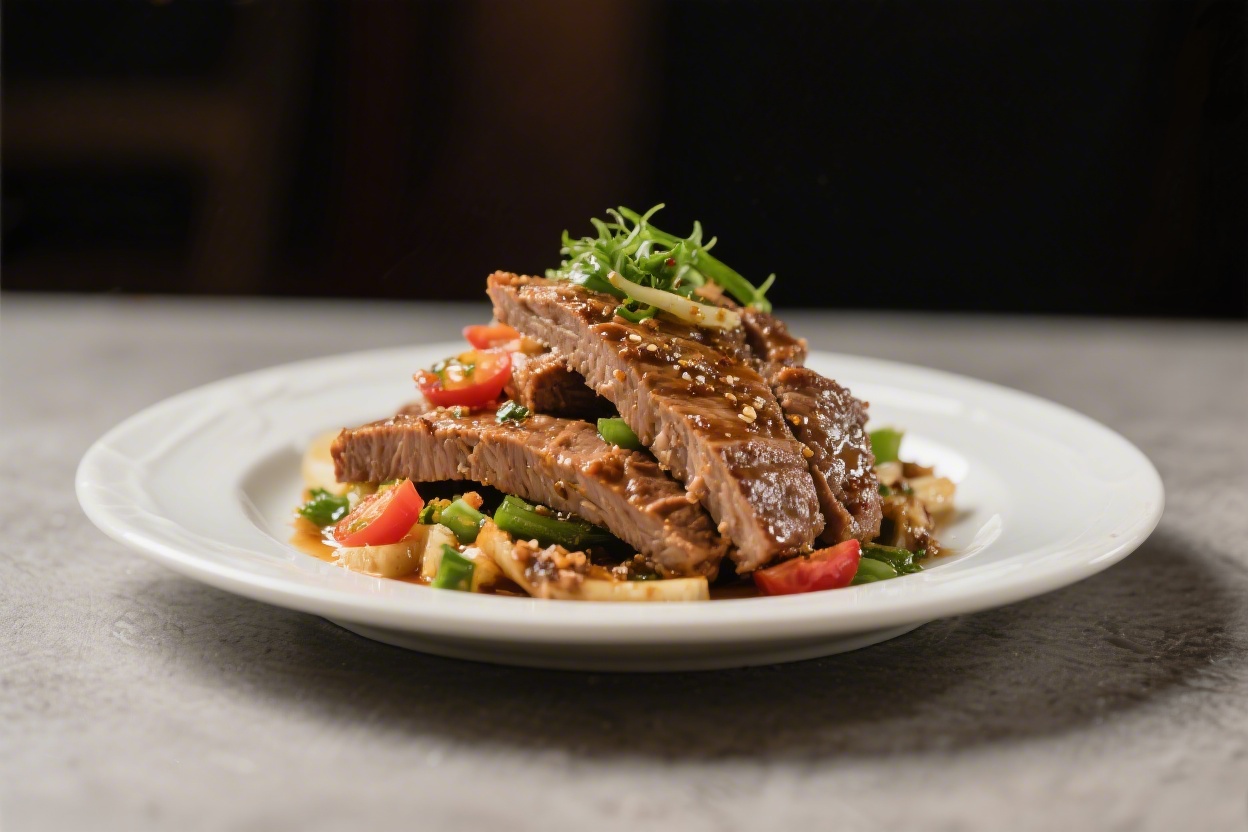
Seitan is a powerhouse for anyone chasing muscle gains on a plant-based diet. It’s packed with protein, easy to season, and cooks fast. If you’re bored of tofu or need variety beyond protein shakes, seitan gives you that chewy, satisfying bite that feels like a real meal.
In this guide, you’ll get a simple base seitan recipe plus easy flavor variations and meal-prep ideas. No fuss, no niche ingredients—just reliable, high-protein meals that taste great.
Contents
Why This Recipe Works
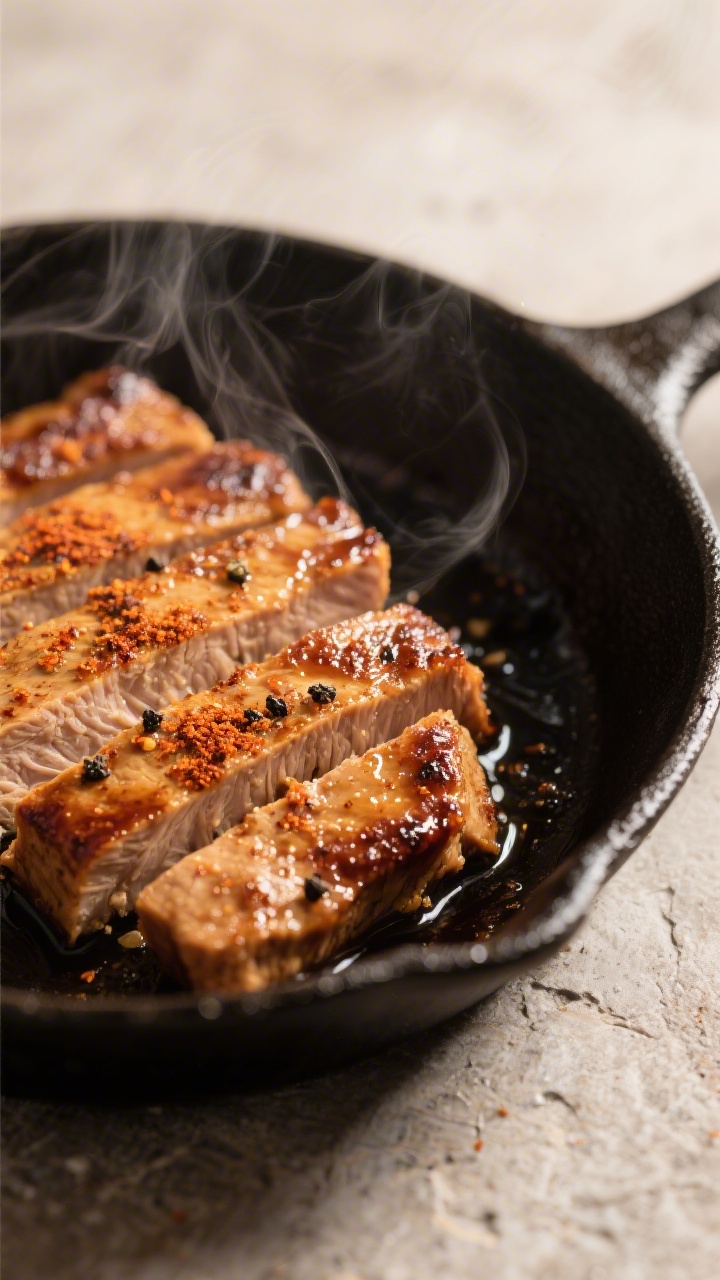
This base seitan recipe uses vital wheat gluten and a few pantry staples to build a firm, meaty texture that holds up in stir-fries, sandwiches, and bowls. The wet mix adds flavor and moisture, while the simmer-and-sear method keeps it tender inside and browned outside.
You’ll also get flexible seasoning options, so you can switch from “chicken-style” to “beefy” to “BBQ” with small tweaks. Most importantly, it’s high in protein and low in fat, which supports muscle gain while keeping calories under control.
Shopping List
- Vital wheat gluten (main protein source)
- Chickpea flour or pea protein powder (optional for texture and extra protein)
- Low-sodium soy sauce or tamari
- Vegetable broth (for the simmer and the dough)
- Nutritional yeast (adds savory depth and B vitamins)
- Olive oil or avocado oil
- Garlic powder and onion powder
- Smoked paprika or regular paprika
- Ground black pepper
- Maple syrup or another mild sweetener (balances flavors)
- Apple cider vinegar or lemon juice (for tenderness)
- Optional flavor boosters: cumin, chili powder, poultry seasoning, liquid smoke, miso paste
Instructions
- Make the wet mix: In a bowl, whisk 1 cup vegetable broth, 2 tablespoons soy sauce, 1 tablespoon olive oil, 1 teaspoon maple syrup, and 1 teaspoon apple cider vinegar. Add 1 teaspoon garlic powder, 1 teaspoon onion powder, 1 teaspoon smoked paprika, and a pinch of black pepper.
- Combine the dry ingredients: In a larger bowl, mix 1.5 cups vital wheat gluten with 2 tablespoons nutritional yeast.Optional: add 2 tablespoons chickpea flour or unflavored pea protein for a slightly softer, more tender bite.
- Form the dough: Pour the wet mix into the dry mix. Stir with a spoon until it comes together, then knead with clean hands for about 1–2 minutes. Stop when the dough becomes springy but not rubbery. Don’t over-knead, or it will be tough.
- Shape the seitan: Divide into 4–6 cutlets or one log.Flatter shapes cook more evenly and are easier to brown later.
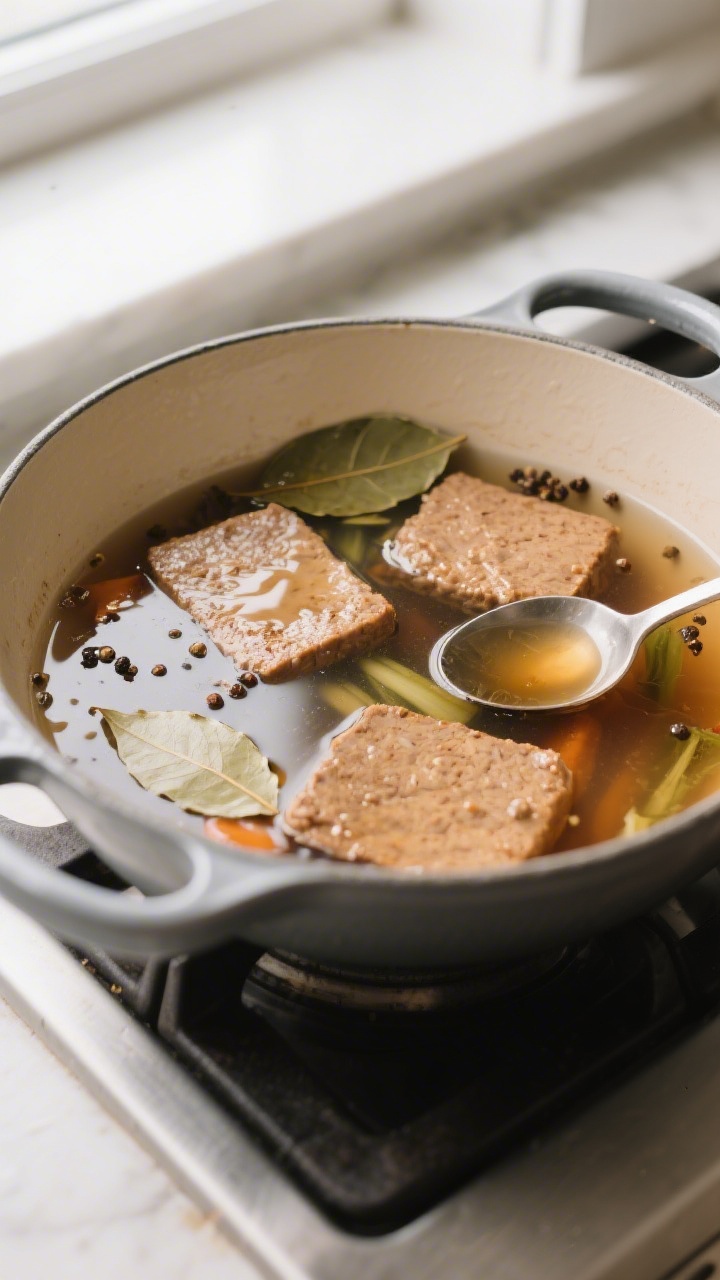
- Prepare the simmering broth: In a wide pot, add 6 cups vegetable broth, 1 tablespoon soy sauce, and a few peppercorns or a bay leaf if you have them. Bring to a gentle simmer—not a rolling boil.
- Simmer gently: Slide the seitan pieces into the broth. Keep the heat low so the liquid barely bubbles.Simmer for 30–35 minutes, flipping halfway. If it boils hard, the texture gets spongy.
- Cool in broth: Turn off the heat and let the seitan rest in the warm broth for 10 minutes. This helps it stay moist and flavorful.
- Optional sear for flavor: Heat a skillet with 1–2 teaspoons of oil. Sear each piece 1–2 minutes per side until browned.Brush with a little soy sauce or BBQ sauce if you like.
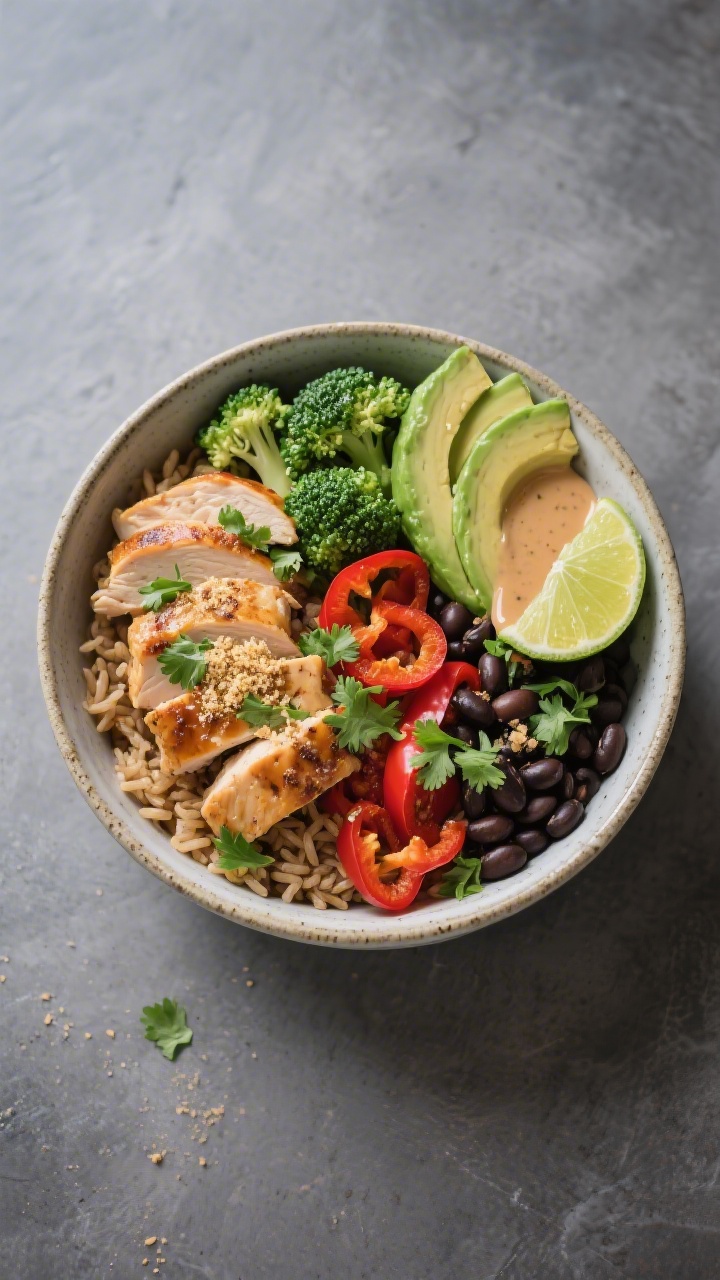
- Serve or meal prep: Slice for stir-fries, dice for burrito bowls, or keep whole for sandwiches. Each piece packs a serious protein punch with great chew.
How to Store
- Refrigerator: Store cooked seitan in its cooking broth or a little extra broth in an airtight container for up to 5 days.
- Freezer: Freeze sliced or whole pieces in freezer bags with a splash of broth for up to 3 months. Thaw overnight in the fridge.
- Reheat: Pan-sear with a bit of oil or warm in a covered skillet with a few tablespoons of broth to keep it tender.
Health Benefits
- High protein density: Seitan delivers roughly 20–25 grams of protein per 3-ounce serving, making it easy to meet daily protein goals for muscle growth.
- Low in fat: You control the oil, so it fits clean bulks or cuts.
- Customizable sodium: Use low-sodium soy sauce and broth to keep salt in check without losing flavor.
- Micronutrient support: Nutritional yeast adds B vitamins and savory taste without extra calories.
- Great for volume eating: Satisfying texture helps curb cravings while keeping calories moderate.
Pitfalls to Watch Out For
- Boiling too hard: A rapid boil makes seitan spongy.Keep the broth at a gentle simmer.
- Over-kneading: Too much kneading leads to a dense, rubbery texture. Stop once it’s cohesive and springy.
- Under-seasoning: Gluten itself is bland. Season the dough and the simmering broth, then finish with a sauce or sear.
- Dry storage: Storing without liquid dries it out.Keep a little broth in the container.
- Gluten sensitivity: Seitan is pure gluten. It’s not suitable if you have celiac disease or non-celiac gluten sensitivity.
Variations You Can Try
- Chicken-Style: Add 1 teaspoon poultry seasoning, 1/2 teaspoon turmeric, and a squeeze of lemon to the wet mix. Simmer in lighter broth.Great for wraps and salads.
- Beefy Umami: Add 1 tablespoon tomato paste, 1 teaspoon miso paste, 1/2 teaspoon ground cumin, and a dash of liquid smoke. Brown hard for stews or grain bowls.
- BBQ Meal Prep:</-strong> Brush finished seitan with BBQ sauce and bake at 400°F (200°C) for 10 minutes to set the glaze. Slice for sandwiches or bowls.
- Spicy Chili-Lime: Add 1 teaspoon chili powder, 1/2 teaspoon cayenne, and lime zest to the dough.Finish with a lime squeeze after searing.
- High-Protein Boost: Swap 1/4 cup of the gluten with unflavored pea protein and add 1–2 extra tablespoons broth to balance moisture.
FAQ
How much protein is in seitan?
On average, you’ll get about 20–25 grams of protein per 3-ounce (85 g) serving, depending on the exact recipe and moisture level. Adding pea protein or chickpea flour can nudge it higher.
Is seitan a complete protein?
Seitan is low in lysine. You can round out your amino acids by pairing it with lysine-rich foods like beans, lentils, tofu, quinoa, or a varied diet over the day.
For most people, total daily variety is what matters.
Can I bake instead of simmer?
Yes. Wrap the dough tightly in foil and bake at 350°F (175°C) for 60–70 minutes, flipping halfway. The texture is a bit firmer and less spongy if you don’t overbake.
You can still sear after baking for a crust.
Why did my seitan turn out rubbery?
Common causes are over-kneading, boiling too hard, or not enough moisture in the dough. Knead lightly, keep the broth at a low simmer, and add a tablespoon or two of extra broth to the dough if it feels stiff.
Can I make it gluten-free?
Traditional seitan cannot be gluten-free since it’s made from gluten. If you need a gluten-free high-protein option, try firm tofu, tempeh, or a chickpea and pea-protein loaf.
How can I use seitan in muscle-building meals?
Try bowls with brown rice, black beans, roasted veggies, and seitan; whole-grain wraps with seitan, hummus, and greens; or stir-fries with quinoa.
Aim for 30–40 grams of protein per meal by pairing seitan with legumes, tofu, or a protein-rich side.
Do I need to marinate seitan?
It already absorbs flavor during simmering, but a short 15–30 minute marinade before searing can add punch, especially for BBQ or teriyaki styles. Keep marinades low in sugar to prevent burning when searing.
Wrapping Up
Seitan is a smart, flexible way to get more protein without overcomplicating your meal prep. With a solid base recipe, gentle simmer, and a quick sear, you’ll have tender, flavorful slices ready for bowls, wraps, and snacks all week.
Keep the seasoning bold, store it in a little broth, and rotate the flavor profiles to stay excited about your meals. Your muscles—and your taste buds—will thank you.
Printable Recipe Card
Want just the essential recipe details without scrolling through the article? Get our printable recipe card with just the ingredients and instructions.