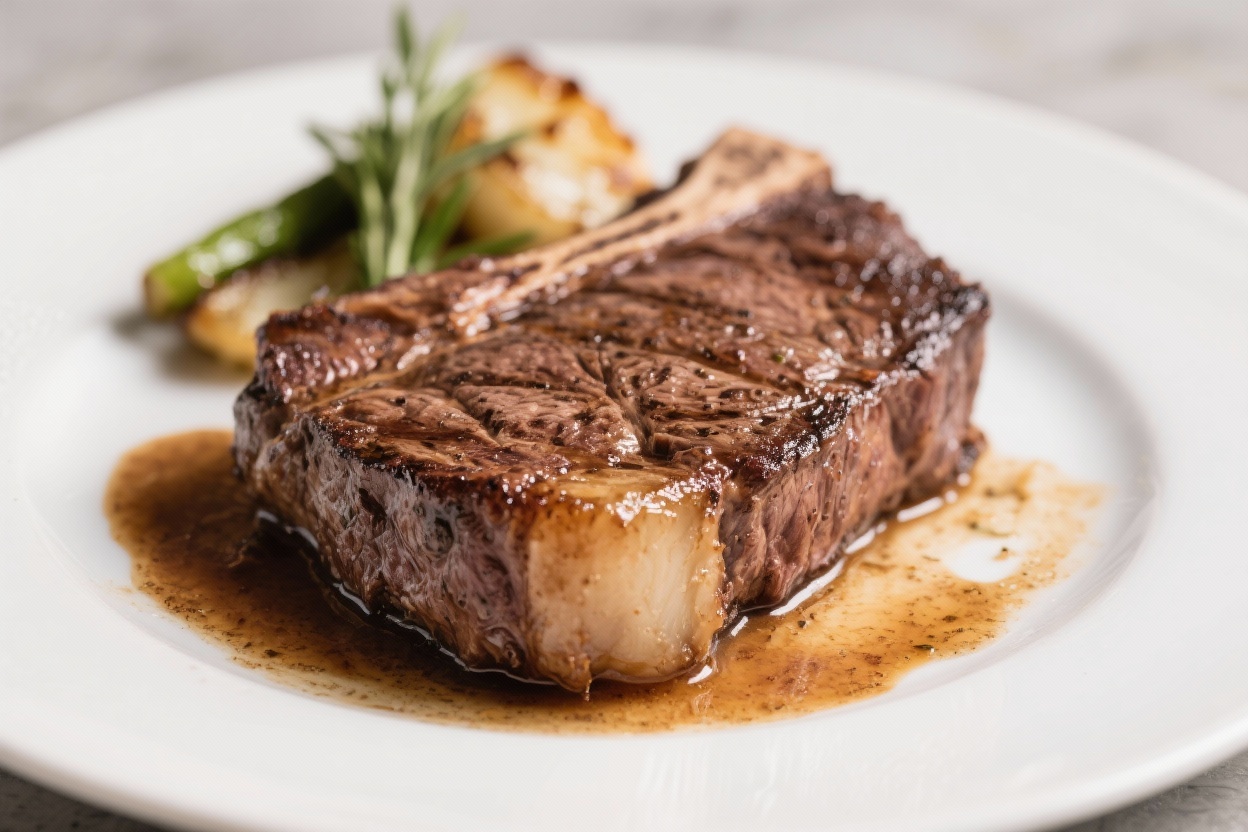
Chuck eye steak is the unsung hero of the steak world. It’s richly marbled, cooks quickly, and delivers big flavor without the ribeye price tag. With the right technique, you’ll get a tender, juicy steak with a gorgeous crust and buttery finish.
This recipe keeps things simple, letting the beef shine while adding just enough seasoning and butter to take it over the top. Perfect for weeknights or a no-fuss date night at home.
Contents
- 1 What Makes This Recipe So Good
- 2 Shopping List
- 3 Instructions
- 4 How to Store
- 5 Why This is Good for You
- 6 Common Mistakes to Avoid
- 7 Recipe Variations
- 8 FAQ
- 8.1 What is chuck eye steak, and how is it different from ribeye?
- 8.2 Can I cook this without a cast-iron skillet?
- 8.3 How do I know when the steak is done without a thermometer?
- 8.4 Should I use oil or butter for the sear?
- 8.5 How long should I rest the steak?
- 8.6 What should I serve with chuck eye steak?
- 8.7 Can I cook from frozen?
- 9 Final Thoughts
What Makes This Recipe So Good
- Great flavor for less money: Chuck eye steak comes from the same area as ribeye, so it’s meaty, rich, and well-marbled.
- Quick cook time: From pan to plate in under 20 minutes, including resting.
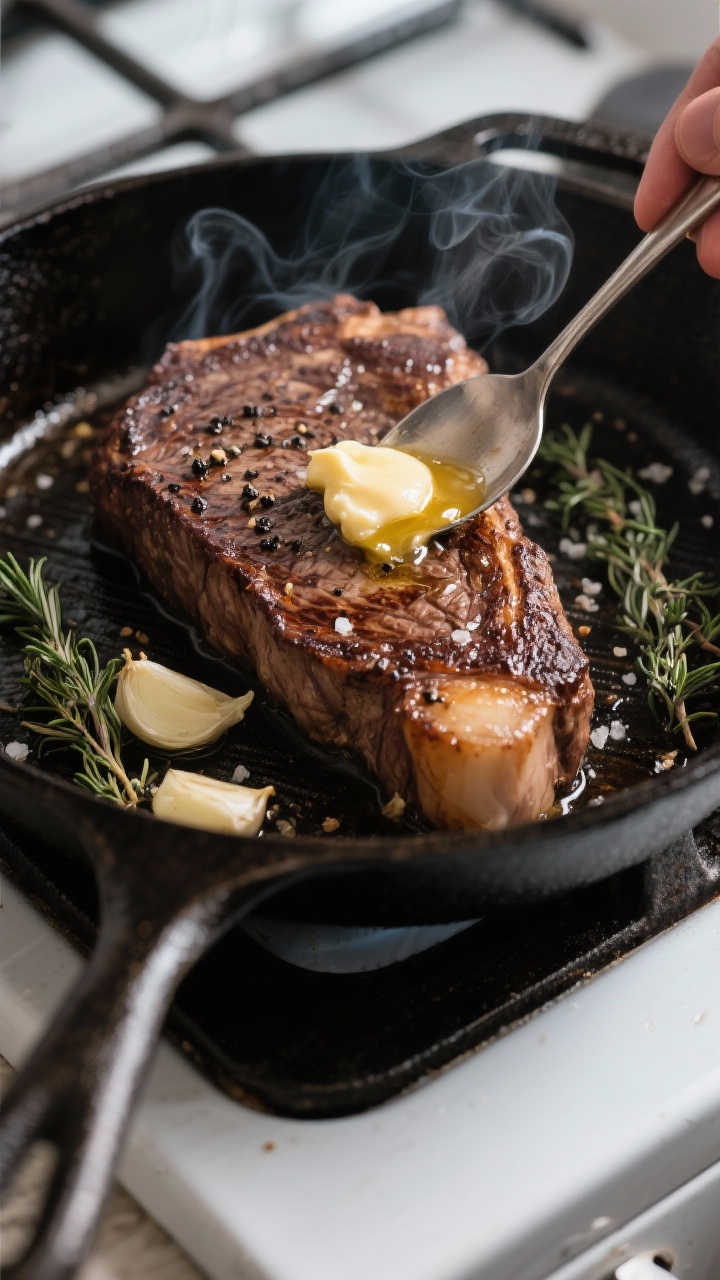
- Foolproof sear: High heat and a simple butter baste create a crusty exterior and juicy middle.
- Minimal ingredients: Salt, pepper, garlic, and butter are all you really need.
- Flexible method: Works in a cast-iron skillet, on the grill, or under the broiler.
Shopping List
- 2 chuck eye steaks (about 1–1.25 inches thick, 10–12 ounces each)
- Kosher salt
- Freshly ground black pepper
- High-heat oil (avocado, canola, or grapeseed)
- 2–3 tablespoons unsalted butter
- 2 garlic cloves, smashed
- Fresh herbs (optional: thyme or rosemary)
- Flaky sea salt (optional, for finishing)
- Lemon wedge (optional, for a bright finish)
Instructions
- Dry and season the steaks: Pat the steaks dry with paper towels. Season both sides generously with kosher salt and black pepper.Let them sit at room temperature for 20–30 minutes. This helps them cook evenly.
- Heat the skillet: Place a cast-iron skillet over medium-high heat and let it get very hot, about 3–5 minutes. Add a thin layer of high-heat oil and swirl to coat.
- Sear the first side: Lay the steaks in the pan and press gently so all surfaces contact the skillet.Do not move them for 2–3 minutes, until a deep brown crust forms.
- Flip and add aromatics: Flip the steaks. Add butter, smashed garlic, and herbs to the pan. Tilt the skillet and spoon the melted butter over the steaks for 1–2 minutes.
- Cook to temperature: Continue searing until the steaks reach your desired doneness.Aim for 125–130°F for medium-rare, 135°F for medium. Use an instant-read thermometer for accuracy.
- Rest the steaks: Transfer to a cutting board and rest 5–8 minutes. This keeps the juices inside the meat.
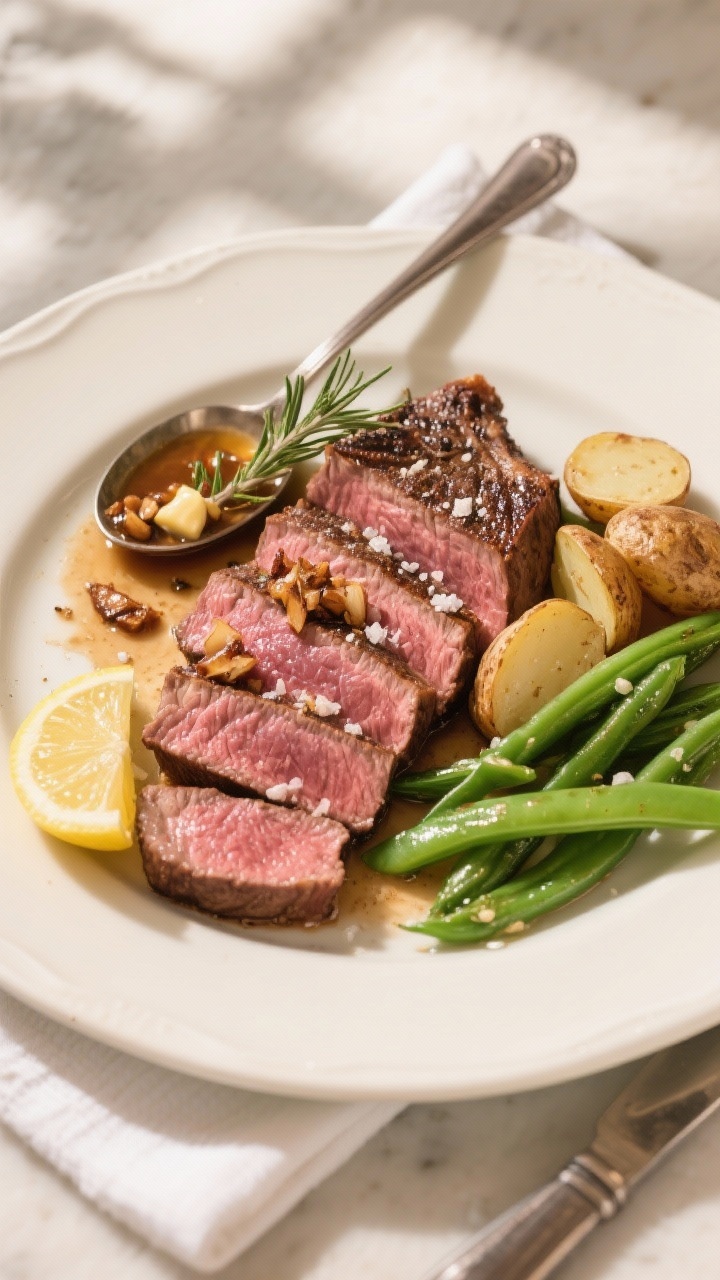
- Finish and serve: Spoon a little pan butter over the top, sprinkle with flaky sea salt, and add a squeeze of lemon if you like.Serve whole or slice against the grain.
How to Store
- Refrigerate: Store leftover steak in an airtight container for up to 3 days. Keep any pan butter for reheating.
- Freeze: Wrap tightly in plastic, then foil, and freeze up to 2 months. Thaw overnight in the fridge.
- Reheat gently: Warm slices in a skillet over low heat with a splash of water or beef broth and a pat of butter.Avoid microwaving on high; it can toughen the meat.
Why This is Good for You
- Protein-rich: Steak provides essential amino acids for muscle repair and satiety.
- Iron and B vitamins: Red meat is a solid source of iron, B12, and niacin, which support energy and brain function.
- Balanced fats: Chuck eye has natural marbling, and cooking with a small amount of butter enhances flavor without needing heavy sauces.
- Customizable sides: Pair it with vegetables, a salad, or roasted potatoes to round out the meal.
Common Mistakes to Avoid
- Skipping the dry-off: Moisture on the surface prevents browning. Pat the steaks very dry before seasoning.
- Underheating the pan: If the skillet isn’t hot, you won’t get a proper sear. Preheat until it’s just shy of smoking.
- Constant flipping: Let the steak sit and form a crust before turning.One flip is usually enough.
- Overcooking: Chuck eye is best medium-rare to medium. Use a thermometer rather than guessing.
- Skipping the rest: Cutting too soon releases juices. Resting makes a huge difference in tenderness.
- Too much butter too soon: Add butter after the first flip so it doesn’t burn during the initial high-heat sear.
Recipe Variations
- Grilled: Preheat the grill to high.Oil the grates, sear 2–3 minutes per side, then move to indirect heat until desired doneness. Finish with herb butter.
- Broiled: Place a rack 6 inches from the broiler. Broil on a preheated sheet pan, 3–5 minutes per side, watching closely for a good char.
- Coffee-chili rub: Mix 1 teaspoon finely ground coffee, 1 teaspoon brown sugar, 1/2 teaspoon chili powder, 1/2 teaspoon smoked paprika, salt, and pepper.Rub on both sides before searing.
- Garlic-herb marinade: Combine olive oil, minced garlic, chopped rosemary, lemon zest, salt, and pepper. Marinate 30–60 minutes, then pat dry before cooking.
- Pan sauce: After cooking, deglaze the skillet with 1/4 cup beef broth or red wine. Scrape up browned bits, reduce by half, swirl in 1 tablespoon butter, and spoon over steak.
FAQ
What is chuck eye steak, and how is it different from ribeye?
Chuck eye comes from the chuck primal, right next to the ribeye section.
It shares similar marbling and flavor but costs less. It’s sometimes called the “poor man’s ribeye,” and when cooked properly, it’s tender and juicy.
Can I cook this without a cast-iron skillet?
Yes. Use any heavy, oven-safe stainless steel skillet.
For grilling, follow the same seasoning and doneness tips. Avoid nonstick pans on high heat—they don’t sear as well.
How do I know when the steak is done without a thermometer?
Use the finger test for firmness: rare feels soft, medium-rare slightly springy, and medium firmer with some give. Still, an instant-read thermometer is the most reliable way to avoid overcooking.
Should I use oil or butter for the sear?
Use a high-heat oil for the initial sear.
Add butter after the flip for flavor and basting. This prevents the butter from burning too early.
How long should I rest the steak?
Five to eight minutes is ideal for a 1–1.25-inch steak. Resting keeps the juices from running out when you slice.
What should I serve with chuck eye steak?
Simple sides shine: roasted potatoes, sautéed green beans, a crisp salad, grilled asparagus, or a chimichurri for brightness.
Can I cook from frozen?
It’s better to thaw overnight in the fridge.
If cooking from frozen, sear both sides, then finish gently in the oven at 300°F until it reaches target temperature.
Final Thoughts
Chuck eye steak proves you don’t need a fancy cut to make a great steak dinner. With strong heat, simple seasoning, and a quick butter baste, you’ll get a beautiful crust and tender, juicy center. Keep an eye on temperature, let it rest, and finish with a little flaky salt.
It’s easy, affordable, and seriously satisfying.
Printable Recipe Card
Want just the essential recipe details without scrolling through the article? Get our printable recipe card with just the ingredients and instructions.