Weeknights can be chaotic, and the last thing you want is a sink full of dishes. That’s where one-pan dinners shine: quick prep, easy cleanup, and big flavor with minimal effort. You don’t need fancy tools or hours in the kitchen—just a skillet or sheet pan and a handful of simple ingredients.
In under 30 minutes, you can have a hearty, satisfying meal on the table. This guide walks you through a versatile one-pan method you can adapt to whatever you have in your fridge.
Contents
Why This Recipe Works
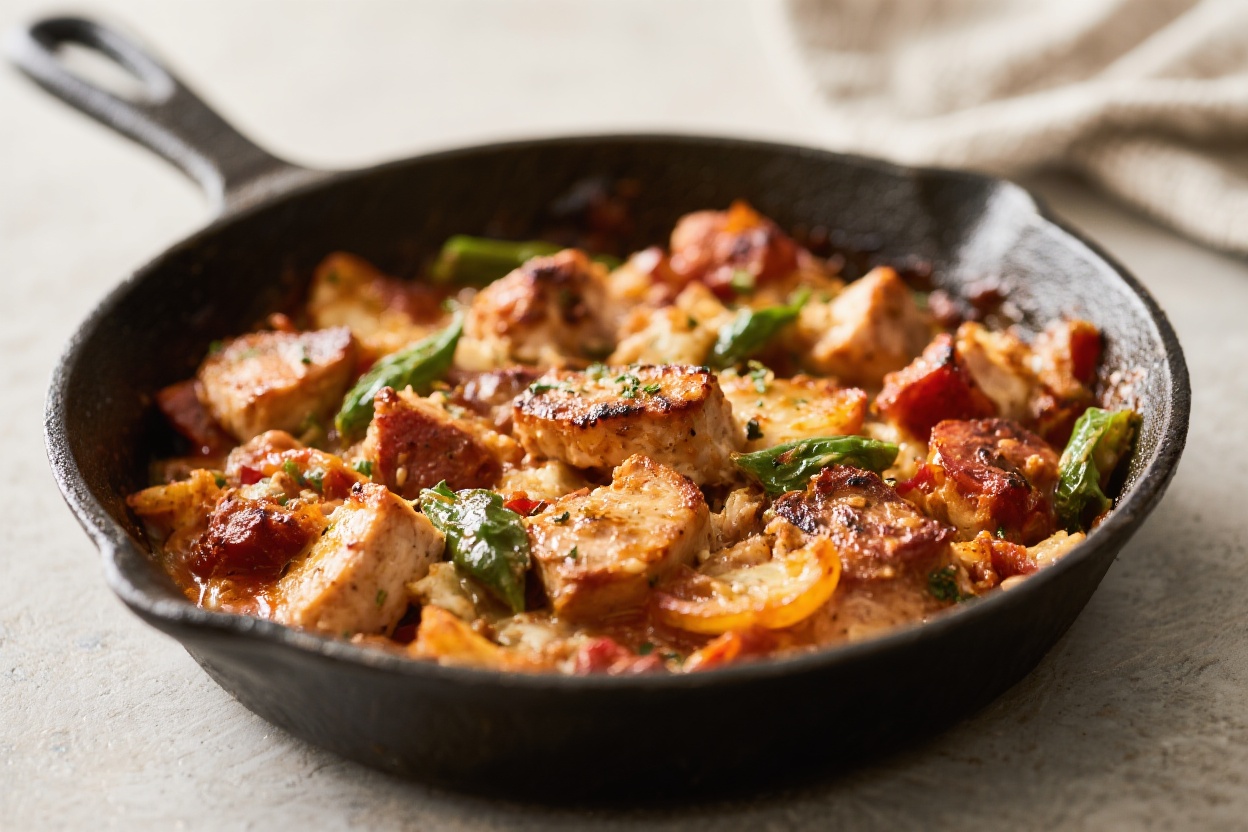
This one-pan approach layers ingredients by cook time, so everything finishes together—no overcooked veggies or dry protein. High heat builds deep, savory browning fast, which means more flavor in less time.
Pantry-friendly sauces and seasonings keep it simple, while swaps make it flexible for different diets. Most of all, it’s a method, not a rigid recipe, so you can repeat it all week without getting bored.
Ingredients
- Protein (choose one): 1 lb boneless, skinless chicken thighs (cut into bite-size pieces), shrimp (peeled and deveined), turkey sausage, firm tofu (pressed and cubed), or chickpeas (drained)
- Quick-cook veggies: 2 cups total of bell peppers, zucchini, cherry tomatoes, broccoli florets, snap peas, or mushrooms
- Aromatics: 1 small onion (sliced) and 2–3 cloves garlic (minced)
- Carb base (choose one): 2 cups cooked rice or quinoa, 8 oz gnocchi, 8 oz small pasta (pre-cooked), or 1 can drained cannellini beans
- Fat: 2–3 tbsp olive oil or avocado oil
- Seasoning blend: 1 tsp smoked paprika, 1 tsp dried Italian herb mix (or cumin and chili powder for a Southwest vibe), 1/2 tsp crushed red pepper (optional), salt and black pepper
- Quick sauce (choose one):
- 2 tbsp soy sauce + 1 tbsp honey + 1 tsp rice vinegar
- 3 tbsp pesto
- 2 tbsp lemon juice + 1 tsp Dijon + 1 tbsp olive oil
- 1/3 cup jarred marinara
- Finishers: Lemon wedges, fresh herbs (parsley, basil, cilantro), grated Parmesan, or toasted nuts
- Optional: Red pepper flakes, a knob of butter for richness, or a splash of cream/coconut milk
How to Make It
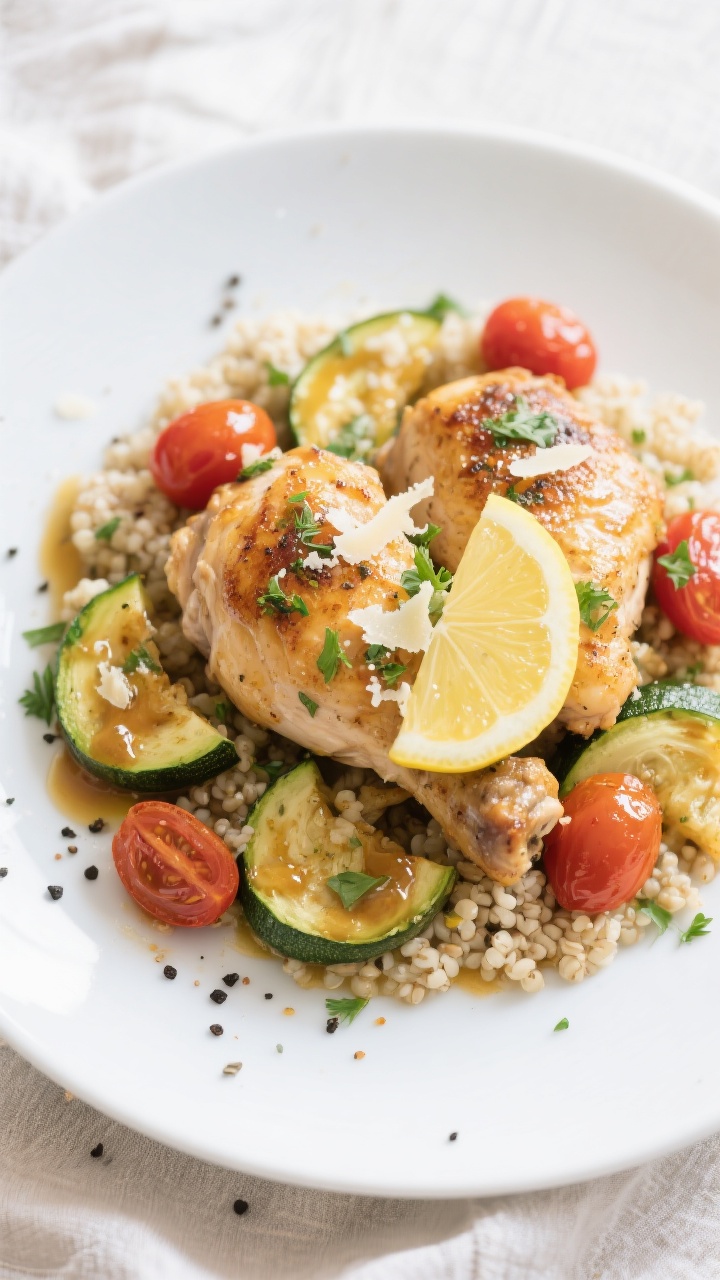
- Heat your pan. Place a large skillet or sauté pan over medium-high heat. Add 1–2 tbsp oil and let it shimmer.A hot pan means fast browning and better flavor.
- Season and sear the protein. Pat your protein dry, season with salt, pepper, and half the spice blend. Add to the pan in a single layer. Cook 3–5 minutes, stirring once or twice, until golden and mostly cooked through.Remove to a plate.
- Sweat the aromatics. Add another 1 tbsp oil if the pan looks dry. Toss in onions and a pinch of salt. Cook 2 minutes until softened.Add garlic and cook 30 seconds until fragrant—don’t let it burn.
- Add sturdy veggies first. Broccoli, carrots, or mushrooms need a head start. Stir-fry 2–3 minutes. Then add quick-cook veggies like peppers, zucchini, or tomatoes.Season with the rest of the spice blend.
- Deglaze and steam. Splash in 2–3 tbsp water, broth, or wine to lift the browned bits. This creates instant flavor and softens veggies without overcooking.
- Return protein and add the carb. Toss the protein back in. Stir in your cooked rice, beans, gnocchi, or pasta.If using shelf-stable gnocchi, it can cook right in the pan with a splash of liquid for 2–3 minutes.
- Stir in the quick sauce. Pick your sauce and pour it over. Toss to coat and simmer 1–2 minutes to marry flavors. Taste and adjust salt, pepper, and heat.
- Finish and serve. Off the heat, add a squeeze of lemon, a pat of butter, or a spoon of pesto for shine.Top with herbs and cheese or nuts. Serve hot, straight from the pan.
Keeping It Fresh
Use what’s in season to keep the dish bright and budget-friendly. Spring likes asparagus and peas; summer shines with tomatoes and zucchini; fall and winter love mushrooms and broccoli.
For crisp-tender veggies, avoid crowding the pan—work in batches if needed. Finish with fresh herbs or citrus to wake up flavors, especially if you’re using leftovers.
Health Benefits
- Balanced plate in one pan: Protein, fiber-rich veggies, and complex carbs support steady energy and fullness.
- Healthy fats: Olive oil adds heart-healthy monounsaturated fats and helps absorb fat-soluble vitamins.
- Lower sodium control: Making your own sauce lets you manage salt. Use low-sodium soy sauce or broth if needed.
- Veggie variety: Mixing colors boosts antioxidants, vitamins A and C, and minerals like potassium.
Common Mistakes to Avoid
- Overcrowding the pan: Too much food steams instead of browns.Cook in two batches if your pan is small.
- Skipping the pat-dry step: Wet protein won’t brown well. Blot with paper towels first.
- Adding garlic too early: Burnt garlic tastes bitter. Add it after onions soften.
- Using raw, long-cook carbs: Dried pasta or uncooked rice won’t be ready in 30 minutes unless pre-cooked.Use cooked grains or quick-cook gnocchi.
- Forgetting to taste: Adjust seasoning at the end with salt, acid (lemon or vinegar), and heat (red pepper flakes).
Recipe Variations
- Lemon Herb Chicken and Zucchini: Chicken thighs, zucchini, cherry tomatoes, garlic, Italian herbs, and a lemon-Dijon drizzle. Finish with parsley and Parmesan.
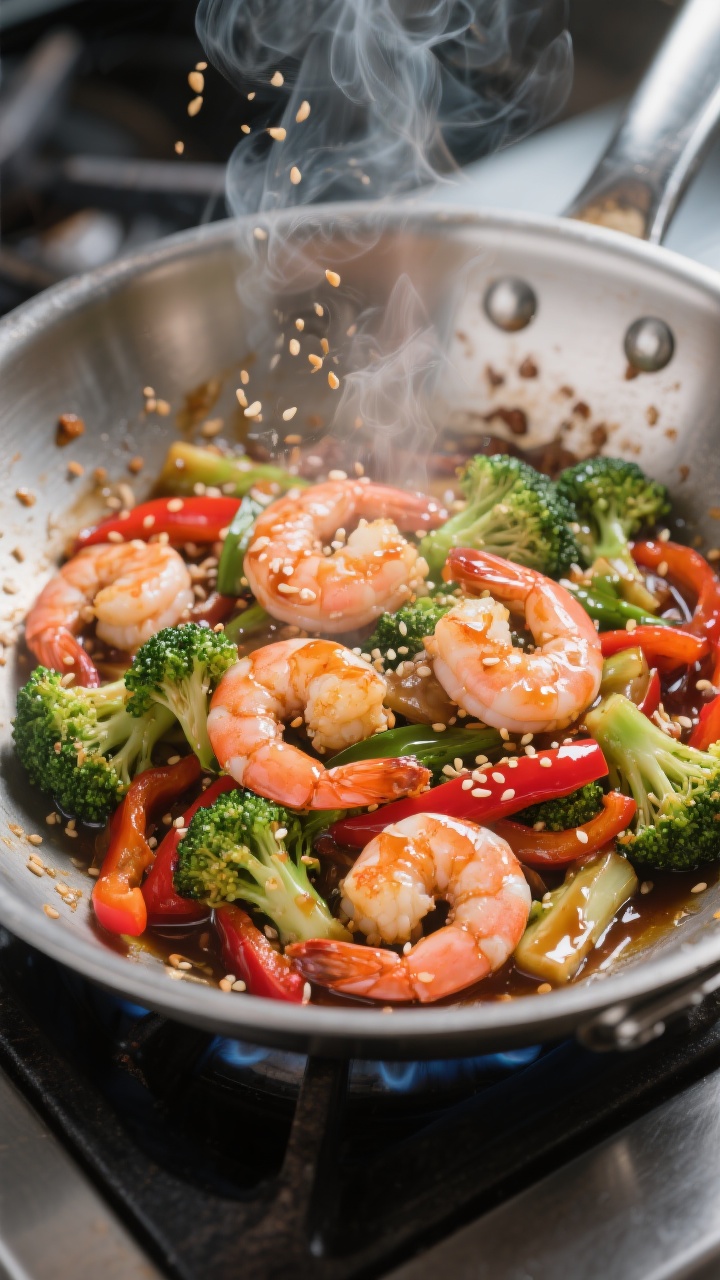
- Shrimp and Broccoli Stir-Fry: Shrimp, broccoli, bell pepper, soy sauce, honey, and rice vinegar. Serve over cooked rice, finish with sesame seeds.
- Smoky Sausage and Peppers: Turkey sausage, onions, peppers, smoked paprika, and marinara.Toss with gnocchi and a knob of butter.
- Tofu Veggie Pesto Skillet: Crisped tofu, mushrooms, snap peas, and pesto. Add cannellini beans for extra protein and creaminess.
- Southwest Chickpea Hash: Chickpeas, corn, peppers, cumin, and chili powder. Splash of lime, cilantro, and a dollop of yogurt.
FAQ
Can I make this dairy-free or gluten-free?
Yes.
Use olive oil instead of butter, skip the cheese, and choose gluten-free carbs like rice or quinoa. For sauces, use tamari instead of soy sauce and check labels on pesto or marinara.
How do I keep shrimp from overcooking?
Cook shrimp just until pink and curled into a loose “C,” about 2 minutes per side. Remove them while you finish the veggies and sauce, then add back at the end to warm through.
What pan works best?
A large, heavy skillet or sauté pan (10–12 inches) gives you space for browning.
Cast iron or stainless steel holds heat well. Nonstick is fine but won’t brown quite as deeply.
Can I use frozen veggies?
Absolutely. Thaw and pat dry for best browning, or cook from frozen and expect a bit more moisture.
Add frozen veggies earlier to let excess water evaporate.
How can I add more protein without extra meat?
Stir in beans, lentils, or edamame. A sprinkle of nuts or seeds adds crunch and protein. You can also top with a fried egg for a fast boost.
What if I don’t have a premade sauce?
Make a quick pan sauce: whisk 1/2 cup broth with a teaspoon of mustard and a squeeze of lemon, or reduce a splash of soy sauce with honey and water.
Finish with herbs.
How do I meal prep this?
Cook the base (protein, veggies, carb) and keep sauce separate. Reheat the base in a skillet, then toss with sauce and finishers right before serving to keep flavors bright.
How long do leftovers last?
Store in an airtight container for up to 3–4 days. Reheat gently over medium heat with a splash of water or broth to keep it moist.
In Conclusion
One-pan dinners are the easiest way to cook smarter, not harder.
With a simple method, a hot pan, and a quick sauce, you can turn everyday ingredients into a satisfying meal in under 30 minutes. Keep it flexible, taste as you go, and finish with something fresh. Fewer dishes, faster cooking, and plenty of flavor—it’s a weeknight win every time.