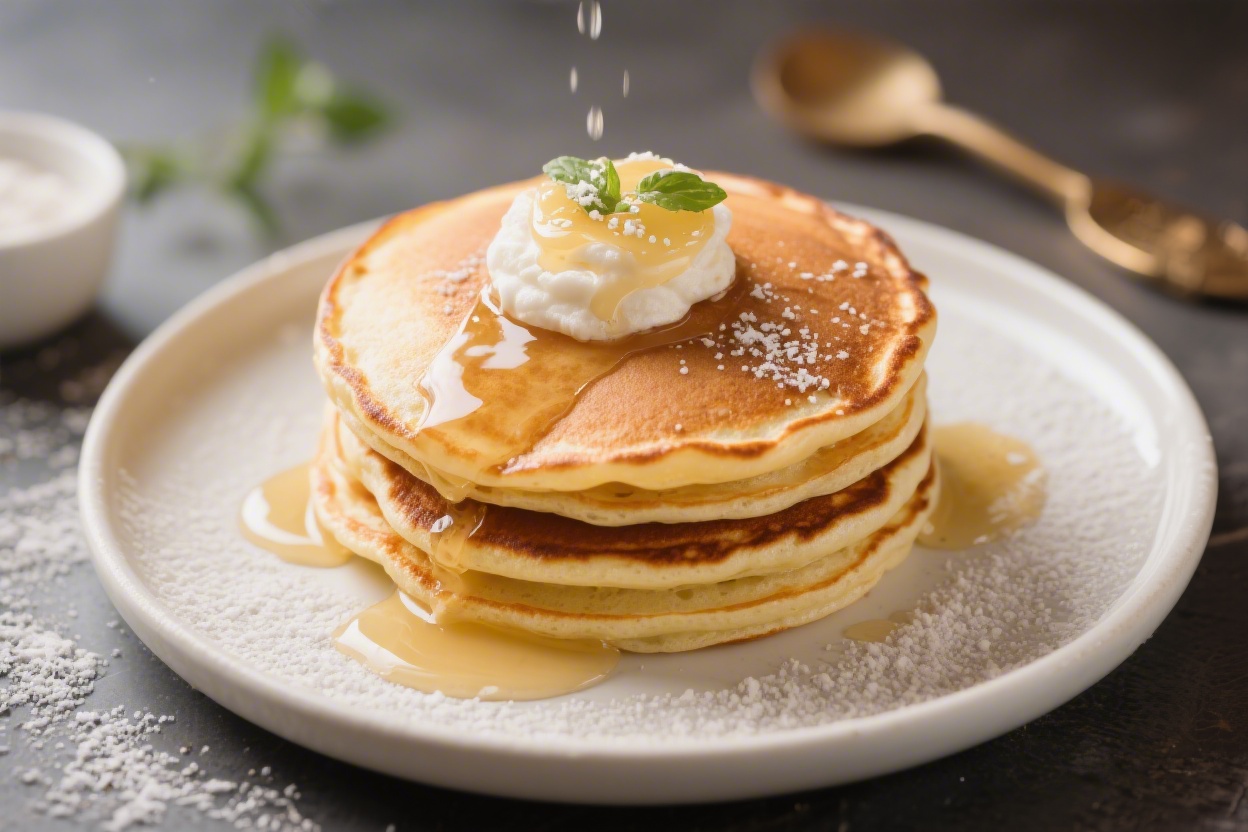
Pancakes are one of those breakfasts that make any morning feel special, even on a busy weekday. This recipe keeps things simple while delivering light, fluffy stacks that taste like a cozy weekend at home. You don’t need fancy tools or hard-to-find ingredients—just a bowl, a whisk, and a hot pan.
The batter comes together fast, and you can tweak it to match what you like. Whether you top them with butter and maple syrup or fresh fruit and yogurt, these pancakes are a crowd-pleaser.
Contents
- 1 Why This Recipe Works
- 2 Ingredients
- 3 Instructions
- 4 Keeping It Fresh
- 5 Benefits of This Recipe
- 6 What Not to Do
- 7 Alternatives
- 8 FAQ
- 8.1 Why are my pancakes dense instead of fluffy?
- 8.2 How do I know when to flip?
- 8.3 Can I make the batter ahead of time?
- 8.4 What’s the best pan to use?
- 8.5 How can I keep the first batch warm?
- 8.6 My pancakes are pale. What am I doing wrong?
- 8.7 Can I use oil instead of butter?
- 8.8 How do I add fruit without soggy spots?
- 9 In Conclusion
Why This Recipe Works
This recipe uses a smart balance of flour, milk, and eggs for a batter that’s smooth and easy to pour. A mix of baking powder and a touch of baking soda gives the pancakes lift without a chalky taste.
A bit of sugar helps with browning and flavor, while melted butter adds richness. Resting the batter briefly lets the flour hydrate and the leaveners start working, which leads to fluffy centers and golden edges. The result is a reliable, forgiving batter that cooks evenly and tastes great every time.
Ingredients
- 1 1/2 cups all-purpose flour
- 2 tablespoons granulated sugar
- 1 tablespoon baking powder
- 1/4 teaspoon baking soda
- 1/2 teaspoon fine salt
- 1 1/4 cups milk (plus 1–2 tablespoons more if needed)
- 1 large egg
- 3 tablespoons unsalted butter, melted and slightly cooled (plus more for the pan)
- 1 teaspoon vanilla extract (optional but recommended)
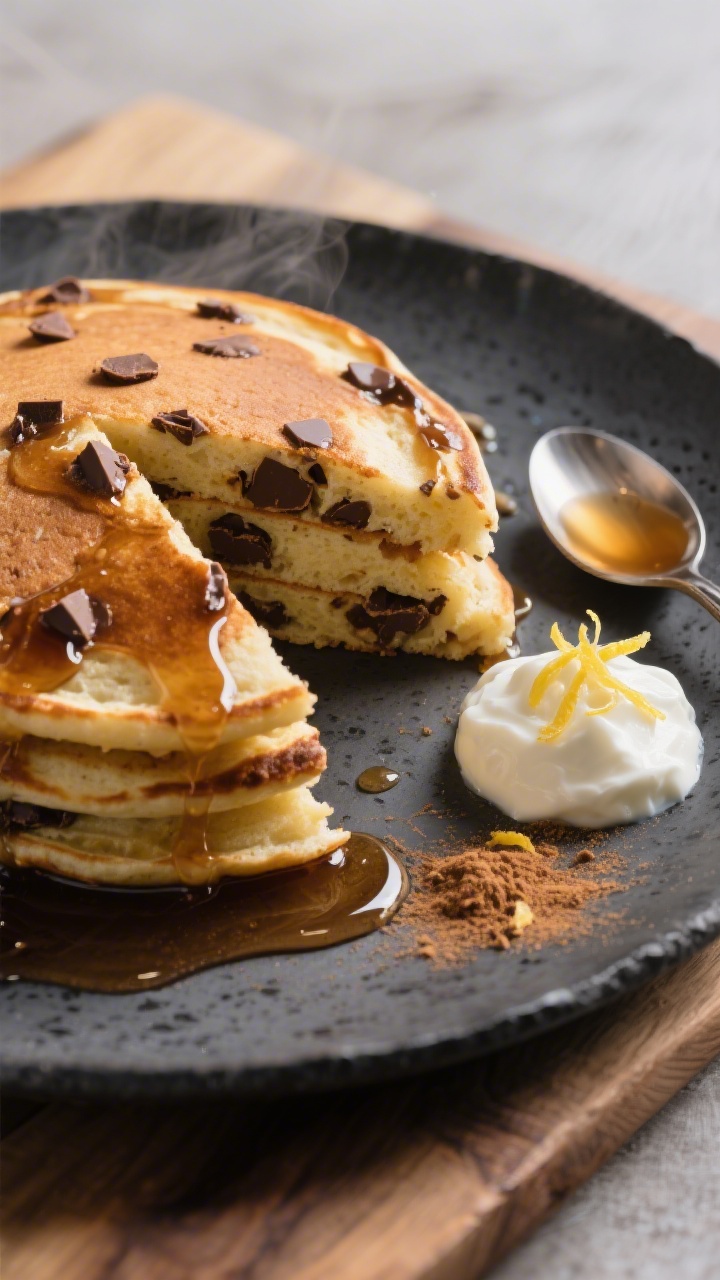
- Optional add-ins: chocolate chips, blueberries, sliced bananas, or cinnamon
Instructions
- Preheat your pan or griddle. Set a nonstick skillet or griddle over medium heat so it’s ready when the batter is mixed.You want it hot enough that a drop of water sizzles, but not smoking.
- Mix the dry ingredients. In a large bowl, whisk together the flour, sugar, baking powder, baking soda, and salt until well combined.
- Whisk the wet ingredients. In a separate bowl or large measuring cup, whisk the milk, egg, melted butter, and vanilla until smooth.
- Bring the batter together. Pour the wet ingredients into the dry and whisk gently just until you no longer see dry flour. A few small lumps are fine. If the batter looks very thick, add 1–2 tablespoons of milk.
- Rest the batter for 5 minutes. This short rest helps the gluten relax and lets the leaveners activate, giving you fluffier pancakes.
- Grease the pan lightly. Brush or wipe a thin layer of butter on the hot pan.Too much fat can cause uneven browning, so keep it light.
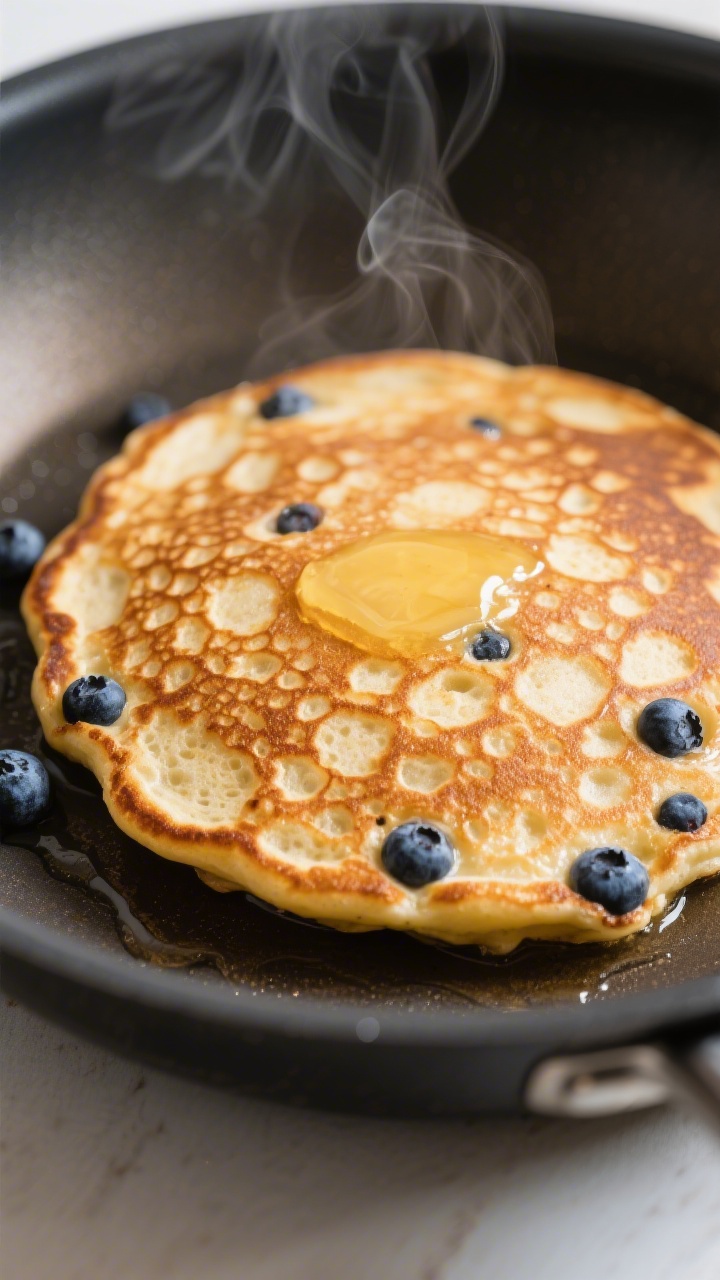
- Cook the pancakes. Pour 1/4 cup of batter per pancake. If using add-ins like chocolate chips or blueberries, sprinkle them onto each pancake now. Cook until bubbles form on top and the edges look set, about 2–3 minutes.
- Flip once. Turn the pancakes and cook for another 1–2 minutes, until golden and cooked through.Adjust the heat if they’re browning too quickly.
- Keep warm. Place finished pancakes on a baking sheet in a 200°F (95°C) oven while you cook the rest, so they stay warm without drying out.
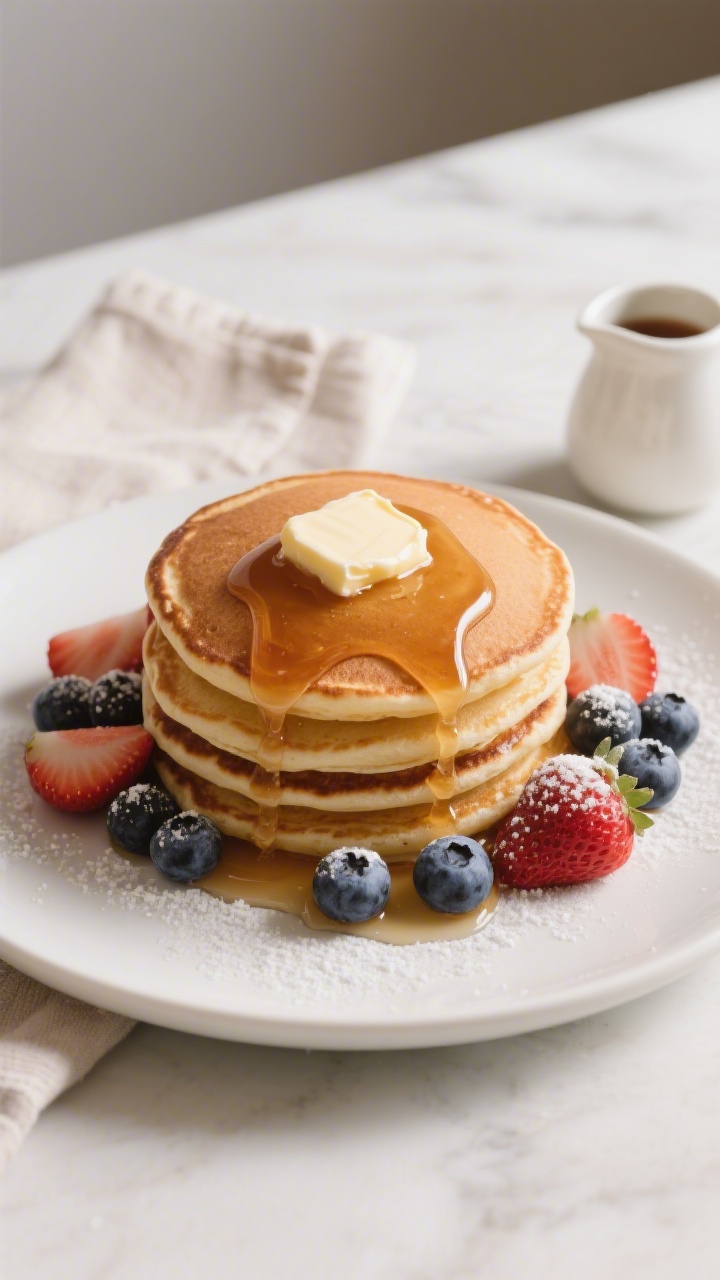
- Serve. Top with butter, warm maple syrup, fresh berries, yogurt, or a dusting of powdered sugar. Enjoy right away.
Keeping It Fresh
Pancakes taste best hot off the griddle, but you have options. For short-term storage, let them cool completely, then stack with parchment between each pancake.
Store in an airtight container in the fridge for up to 3 days. Reheat in a toaster or a 300°F (150°C) oven until warmed through.
To freeze, place cooled pancakes in a single layer on a sheet pan and freeze until firm. Transfer to a freezer bag, pressing out excess air.
They’ll keep well for up to 2 months. Reheat straight from frozen in the toaster or oven for a quick breakfast.
Benefits of This Recipe
- Reliable texture. The combination of baking powder and baking soda creates consistent lift for fluffy, tender pancakes.
- Simple pantry ingredients. Everything is common and affordable, with no special trips needed.
- Fast and flexible. The batter mixes in minutes and can be customized with fruit, chocolate, or spices.
- Kid- and crowd-friendly. Mild flavor and soft texture make these a hit for all ages.
- Make-ahead friendly. Batter rests quickly, and cooked pancakes freeze well for busy mornings.
What Not to Do
- Don’t overmix the batter. Overmixing develops too much gluten and makes pancakes tough. Stop when the dry bits disappear.
- Don’t cook on high heat. High heat burns the outside while leaving the center raw.Medium heat yields even browning.
- Don’t flip too early—or more than once. Wait for bubbles to pop and edges to set. Flip once for the best rise and texture.
- Don’t add too much fat to the pan. Excess butter can fry the edges and cause patchy browning. A thin film is enough.
- Don’t skip the rest. Even a 5-minute rest improves fluffiness and consistency.
Alternatives
- Dairy-free. Use almond, oat, or soy milk and swap melted butter for neutral oil or vegan butter.Add a pinch more sugar if using unsweetened milk.
- Whole wheat. Replace up to half the all-purpose flour with whole wheat flour. Add 1–2 extra tablespoons of milk to keep the batter pourable.
- Gluten-free. Use a 1:1 gluten-free flour blend with xanthan gum. Let the batter rest an extra 5 minutes for better hydration.
- Extra fluffy. Separate the egg.Whisk the white to soft peaks and fold it into the batter at the end for more lift.
- Buttermilk twist.</-strong> Swap milk for buttermilk. Reduce baking powder to 2 teaspoons and keep the baking soda at 1/4 teaspoon for balance.
- Flavor upgrades.</-strong> Add 1/2 teaspoon cinnamon, a pinch of nutmeg, lemon zest, or a splash of almond extract for a different vibe.
FAQ
Why are my pancakes dense instead of fluffy?
Most often, the batter was overmixed or the heat was too low. Mix until just combined and make sure your baking powder is fresh.
A brief rest also helps the leaveners do their job.
How do I know when to flip?
Look for bubbles forming and popping on the surface and edges that look set, not glossy. Slide the spatula under gently—if it resists, give it another 20–30 seconds.
Can I make the batter ahead of time?
You can mix it up to 12 hours ahead and refrigerate, but expect slightly less rise. For the best results, whisk the dry and wet ingredients separately, then combine them right before cooking.
What’s the best pan to use?
A nonstick skillet or a well-seasoned griddle works best.
Cast iron is great for even heat, but preheat it thoroughly and keep the heat at medium to avoid scorching.
How can I keep the first batch warm?
Place cooked pancakes on a wire rack set over a baking sheet in a 200°F (95°C) oven. The rack prevents sogginess and keeps the texture light.
My pancakes are pale. What am I doing wrong?
You may be cooking on heat that’s too low or using too little sugar.
A small amount of sugar helps with browning. Make sure the pan is properly preheated.
Can I use oil instead of butter?
Yes. Use 2–3 tablespoons of neutral oil in the batter and a light wipe of oil for the pan.
Butter adds flavor, but oil performs well and prevents sticking.
How do I add fruit without soggy spots?
Sprinkle the fruit over each pancake right after pouring the batter into the pan, rather than mixing it into the bowl. This keeps moisture in check and distribution even.
In Conclusion
This pancake recipe is straightforward, flexible, and consistently delicious. With a few pantry staples and a gentle hand, you can turn out soft, golden pancakes that fit any morning.
Keep the heat moderate, avoid overmixing, and let the batter rest for a minute. From there, it’s all about personalizing your stack with the toppings you love. Breakfast is served—warm, fluffy, and satisfying.
Printable Recipe Card
Want just the essential recipe details without scrolling through the article? Get our printable recipe card with just the ingredients and instructions.