Pellet smokers make backyard cooking feel effortless. You get wood-fired flavor without babysitting a fire, and the results are consistently juicy and smoky. This guide walks you through a simple, crowd-pleasing menu: smoky chicken thighs, classic pork ribs, and veggie skewers.
Each recipe uses the same smoker setup, so you can cook them together or pick your favorite. Whether you’re hosting a weekend cookout or just feeding the family, these recipes deliver big taste with low effort.
Contents
- 1 What Makes This Special
- 2 Ingredients
- 3 How to Make It
- 4 How to Store
- 5 Why This is Good for You
- 6 Pitfalls to Watch Out For
- 7 Variations You Can Try
- 8 FAQ
- 8.1 What temperature should I smoke at for best flavor?
- 8.2 Which pellets should I use?
- 8.3 How do I know when ribs are done?
- 8.4 Can I cook everything at once?
- 8.5 Do I need to spritz the ribs?
- 8.6 How do I keep chicken skin from getting rubbery?
- 8.7 What if I don’t have a binder for the ribs?
- 8.8 Can I use boneless chicken thighs?
- 8.9 How long should meat rest?
- 8.10 Do I need a water pan?
- 9 Wrapping Up
What Makes This Special
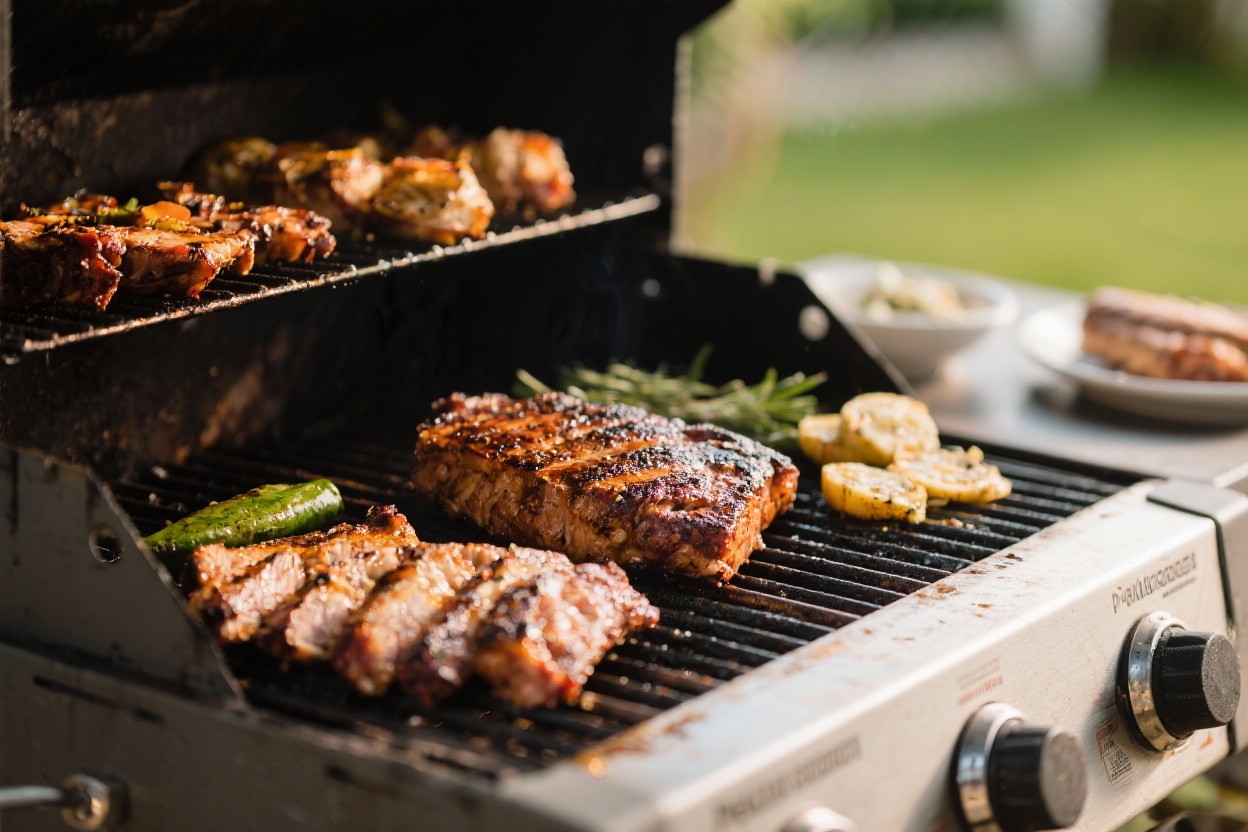
Pellet smokers hold temperature steady, which means fewer flare-ups and more reliable results. You load the hopper with pellets, set your temp, and the smoker does the heavy lifting.
The recipes below are designed to fit on a single smoker, use common seasonings, and finish around the same time. You’ll get deep smoke flavor, crispy edges, and tender centers without complicated steps or special tools.
Ingredients
For Smoky Chicken Thighs
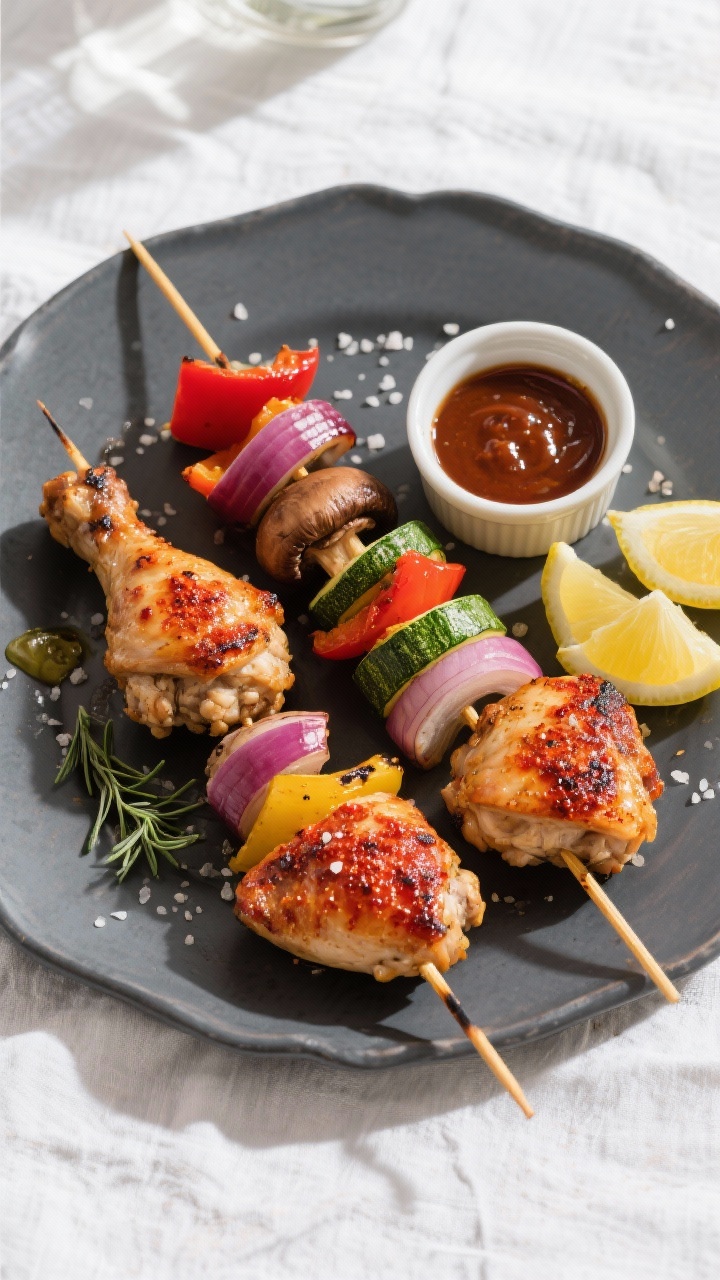
- 8 bone-in, skin-on chicken thighs
- 2 tablespoons olive oil
- 2 teaspoons kosher salt
- 1 teaspoon black pepper
- 2 teaspoons smoked paprika
- 1 teaspoon garlic powder
- 1 teaspoon onion powder
- 1 teaspoon brown sugar
For Classic Pork Ribs
- 1 rack baby back or St. Louis–style ribs
- 2 tablespoons yellow mustard
- 2 tablespoons brown sugar
- 2 teaspoons kosher salt
- 2 teaspoons chili powder
- 1 teaspoon garlic powder
- 1 teaspoon smoked paprika
- 1/2 teaspoon black pepper
- 1/4 cup apple juice (for spritzing, optional)
- 1/4 cup barbecue sauce (optional, for glazing)
For Veggie Skewers
- 2 bell peppers, chopped into 1.5-inch pieces
- 1 red onion, cut into wedges
- 1 zucchini, sliced into thick rounds
- 8 ounces mushrooms, whole or halved
- 2 tablespoons olive oil
- 1 teaspoon kosher salt
- 1/2 teaspoon black pepper
- 1 teaspoon Italian seasoning or dried oregano
- Wooden or metal skewers
Recommended Pellets
- Hickory for a stronger, classic barbecue flavor
- Apple or cherry for a sweeter, fruitier smoke
- Blend pellets for balanced, mellow flavor
How to Make It
- Preheat the pellet smoker to 225°F. Fill the hopper with your chosen pellets.Let the smoker preheat for at least 10–15 minutes to build a clean smoke.
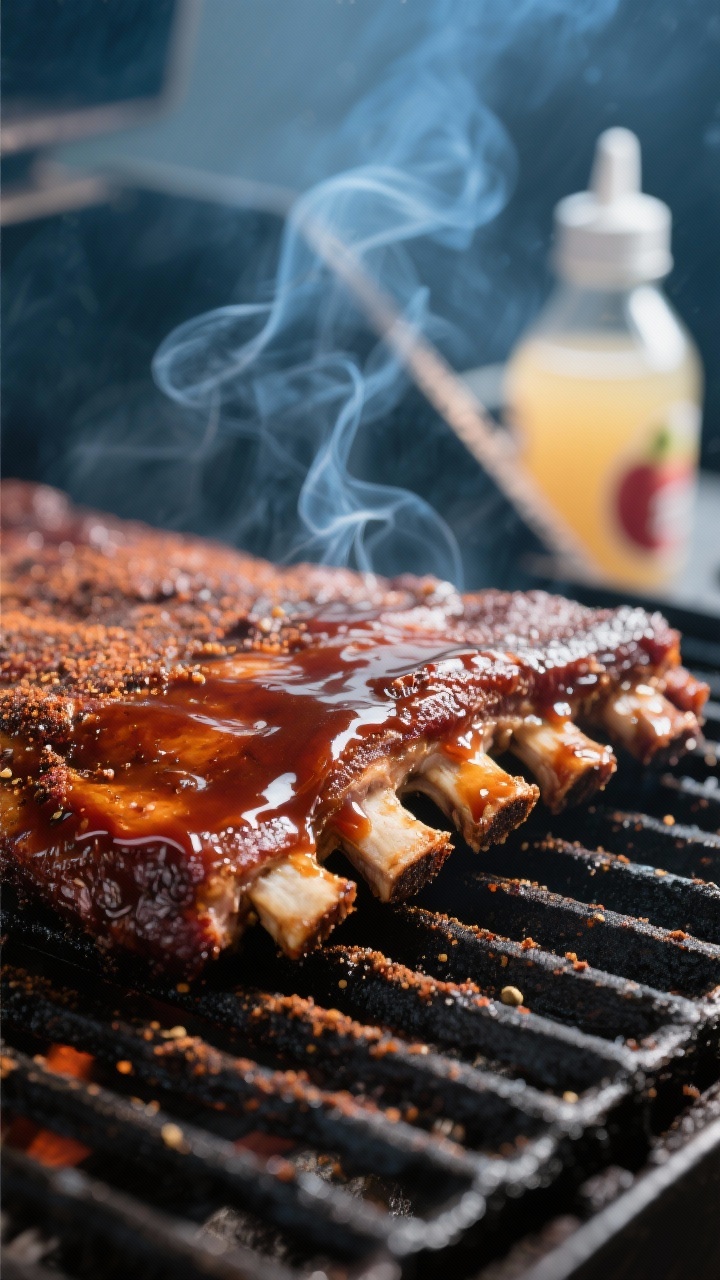
- Prep the ribs. Pat the rack dry. If present, remove the thin membrane on the bone side by sliding a butter knife under it and pulling with a paper towel. Rub with mustard as a binder, then mix brown sugar, salt, chili powder, garlic powder, smoked paprika, and pepper.Coat both sides evenly.
- Start the ribs. Place ribs bone-side down on the smoker. Close the lid and smoke at 225°F for about 3 hours. Spritz with apple juice every hour if you like a softer bark.
- Season the chicken thighs. Pat dry, then toss with olive oil.Combine salt, pepper, smoked paprika, garlic powder, onion powder, and brown sugar. Coat the chicken evenly, making sure to season under some of the skin for extra flavor.
- Prep the veggie skewers. If using wooden skewers, soak them in water for 20–30 minutes to prevent burning. Toss veggies with olive oil, salt, pepper, and Italian seasoning.Thread onto skewers, spreading colors and textures evenly.
- Add chicken to the smoker. After ribs have smoked for about 1 hour, place chicken thighs skin-side up on the grates. Keep the smoker at 225°F. Smoke for 60–75 minutes.
- Wrap the ribs (optional but recommended for tenderness). After about 3 hours, wrap the ribs tightly in foil with a small splash of apple juice.Return to the smoker for another 1.5–2 hours.
- Finish chicken at higher heat. When the chicken hits about 150–155°F internal, raise smoker temp to 300–325°F to crisp the skin. Cook until the thickest part reaches 175°F (thighs are more tender above 170°F). Move chicken to a warm platter and tent loosely with foil.
- Glaze and set the ribs. Unwrap the ribs when they’re tender (bones should show about a quarter inch and bend easily).Brush with barbecue sauce, then place back on the smoker, unwrapped, for 15–20 minutes to set the glaze. Aim for an internal temp around 195–203°F for soft, juicy ribs.
- Grill the veggie skewers. With the smoker still at 300–325°F, place skewers on the grates. Cook 12–15 minutes, turning once, until lightly charred and tender.
- Rest and serve. Let meats rest 10 minutes before slicing.Slice ribs between the bones, and serve with chicken and skewers. Add extra sauce on the side if you like.
How to Store
- Refrigerate: Store cooled meats and veggies in airtight containers for up to 4 days.
- Freeze: Wrap meats tightly in foil, then place in freezer bags. Freeze up to 2 months.Thaw in the fridge overnight.
- Reheat: Warm in a 275°F oven or smoker with a splash of broth or apple juice, covered, until heated through. For chicken skin, finish uncovered under a broiler for 2–3 minutes.
Why This is Good for You
- High in protein: Chicken thighs and ribs deliver satisfying protein for energy and fullness.
- Veggie boost: The skewers add fiber, vitamins, and color to your plate without much oil.
- Balanced seasoning: You control salt and sugar, keeping flavors bold but sensible.
- Cleaner cooking: Pellet smokers burn efficiently, producing a consistent smoke profile with less mess.
Pitfalls to Watch Out For
- Rub too thick or too salty: Heavy rubs can create a bitter bark. Keep it even and not caked on.
- Skipping the rib membrane: Leaving it on makes ribs chewy.Remove it for better texture.
- Not watching internal temps: Use a probe thermometer. Don’t guess doneness by time alone.
- Wet smoke: Give the smoker time to burn clean before adding food. Thick white smoke can taste harsh.
- Overcrowding: Leave space around each piece so smoke and heat circulate.
Variations You Can Try
- Spicy chicken: Add cayenne or chipotle powder to the rub and finish with hot honey.
- Memphis-style ribs: Skip the sauce and finish with a light sprinkle of dry rub for a savory bark.
- Herb-forward veggies: Toss skewers with lemon zest, fresh thyme, and a pinch of red pepper flakes.
- Cedar plank salmon: Swap the chicken for salmon fillets at 250°F until 125°F internal, then rest.
- Maple glaze: Mix equal parts maple syrup and apple cider vinegar.Brush on chicken in the last 10 minutes.
FAQ
What temperature should I smoke at for best flavor?
For most meats, 225°F builds smoke flavor without drying things out. You can finish at 300–325°F to crisp skin or set glazes.
Which pellets should I use?
Hickory is bold and classic. Apple and cherry are milder and slightly sweet.
If you’re unsure, a competition blend is a safe, balanced choice.
How do I know when ribs are done?
Look for meat pullback from the bones, a gentle bend when you lift the rack with tongs, and an internal temp near 195–203°F. They should feel tender but not mushy.
Can I cook everything at once?
Yes. Start ribs first, add chicken after about an hour, then finish at higher heat to crisp the chicken and set the rib glaze.
Add the veggie skewers last.
Do I need to spritz the ribs?
No, but spritzing with apple juice can help keep the bark from drying out. If your smoker runs humid or your ribs are already moist, you can skip it.
How do I keep chicken skin from getting rubbery?
Smoke at 225°F to build flavor, then raise the heat to 300–325°F at the end. Finish skin-side down if your grates are clean and oiled.
What if I don’t have a binder for the ribs?
Mustard is traditional, but olive oil or even a light spritz of water works.
The binder helps the rub stick but doesn’t change flavor much.
Can I use boneless chicken thighs?
Yes. They will cook faster. Aim for 170–175°F internal for the best texture and adjust time as needed.
How long should meat rest?
About 10 minutes for chicken and 10–15 minutes for ribs.
Resting keeps juices from running out when you slice.
Do I need a water pan?
Many pellet smokers hold moisture well. If your bark is drying too quickly, add a small water pan to stabilize humidity.
Wrapping Up
Backyard smoking doesn’t have to be complicated. With steady heat, simple rubs, and a few smart timing tricks, you’ll get tender ribs, juicy chicken, and vibrant veggies in one cook.
Choose pellets you like, watch your temps, and let the smoker do the work. Once you nail this lineup, tweak the rubs and glazes to make it your own. That smoky backyard aroma will have everyone asking what’s on the menu next.