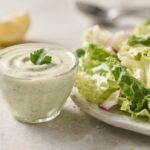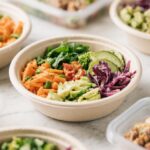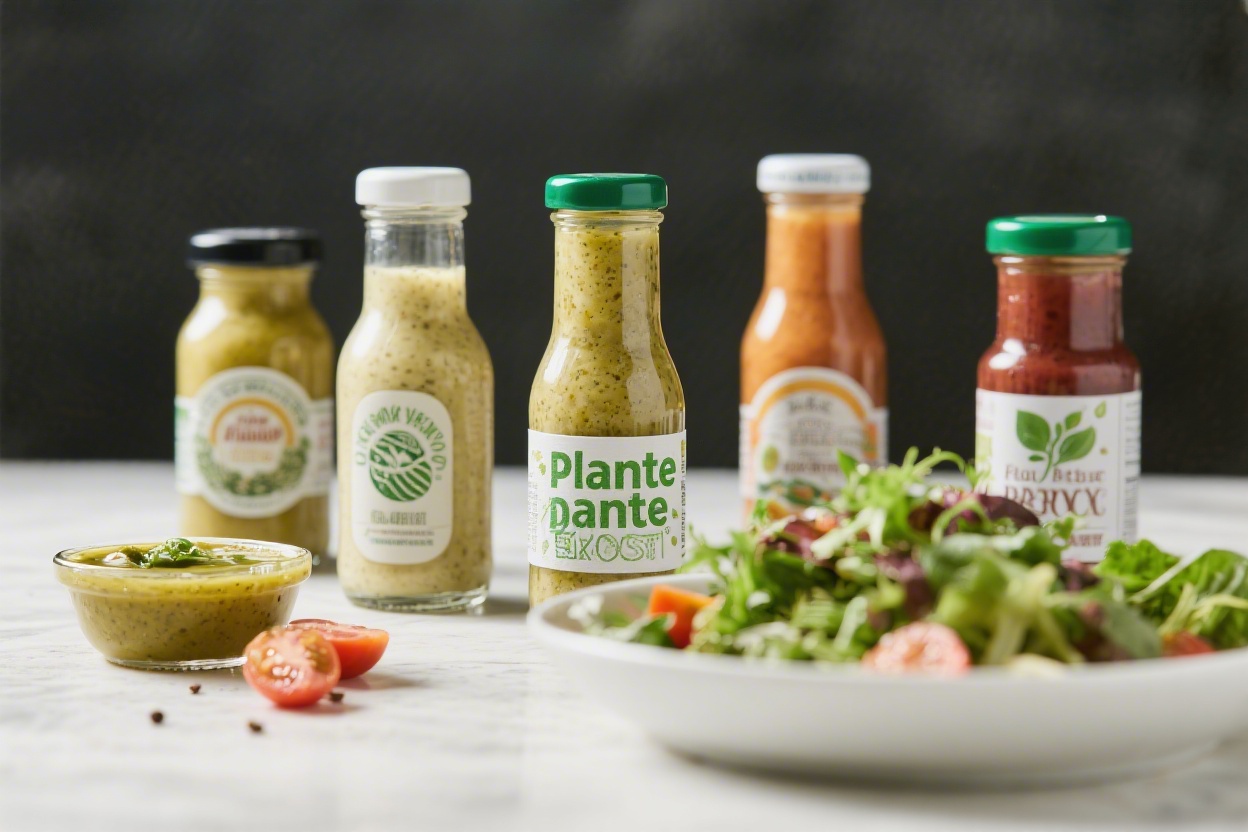
If your salads and bowls feel a little flat, the right plant-based dressing can change everything. A bright, creamy sauce pulls meals together, adds texture, and makes veggies taste like the main event. You don’t need fancy ingredients or a blender that sounds like a jet engine.
A few pantry staples, a jar, and some smart pairing ideas are enough. Here’s how to build flavor-forward dressings and sauces you’ll actually use all week.
Contents
- 1 What Makes This Special
- 2 What You’ll Need
- 3 Instructions
- 4 How to Store
- 5 Benefits of This Recipe
- 6 Pitfalls to Watch Out For
- 7 Recipe Variations
- 8 FAQ
- 8.1 Can I make these without a blender?
- 8.2 How do I keep dressings from separating?
- 8.3 What if my dressing is too sour?
- 8.4 Can I make these oil-free?
- 8.5 How do I scale up for meal prep?
- 8.6 What goes best with which dressing?
- 8.7 Are these kid-friendly?
- 8.8 How can I add protein to sauces?
- 8.9 What if I don’t have miso?
- 8.10 How do I make it nut-free?
- 9 Wrapping Up
What Makes This Special
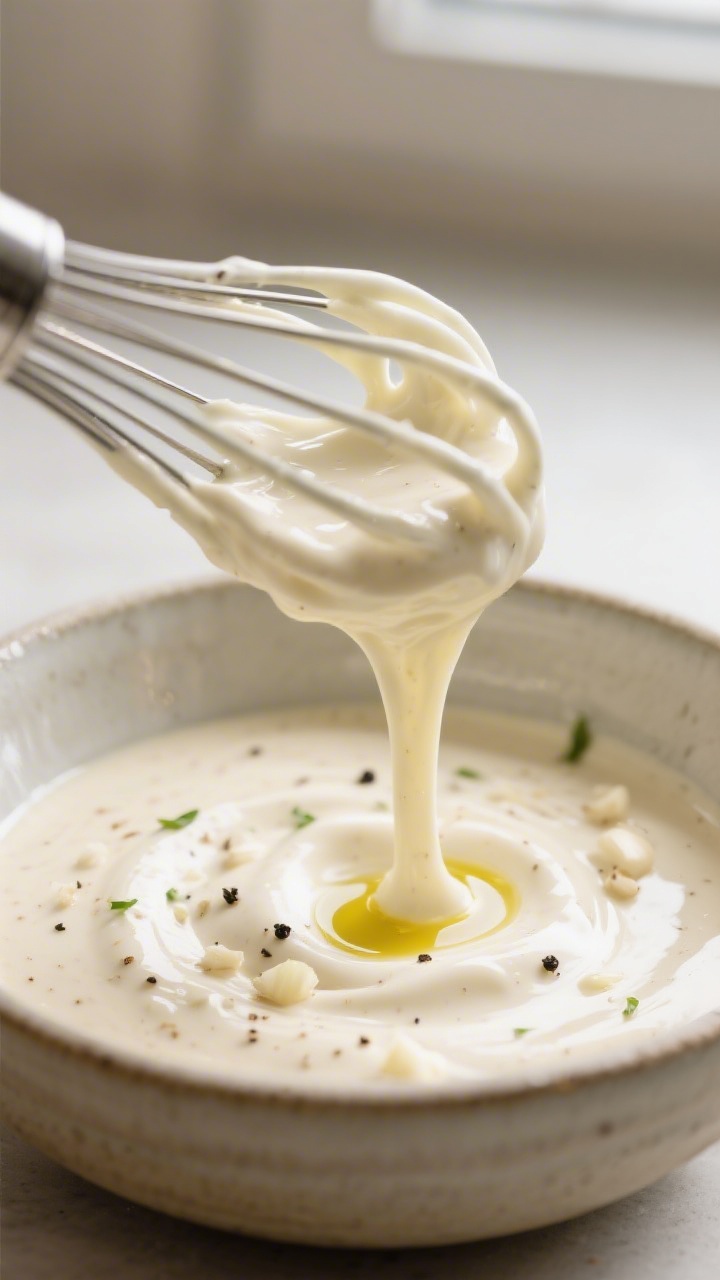
This guide gives you a simple base formula plus reliable add-ins that boost flavor without dairy, eggs, or refined sugar. You’ll get creamy textures from nuts, seeds, and beans, and bold pops from citrus, vinegar, miso, and herbs.
The ingredients are flexible and budget-friendly, and the methods are quick—most take under 10 minutes. Think of these as mix-and-match building blocks for bowls, salads, roasted veg, tacos, and grain dishes.
What You’ll Need
- Base Creaminess (choose 1–2): tahini, almond butter, peanut butter, cashew butter, soaked raw cashews, silken tofu, white beans (like cannellini), avocado
- Acid: lemon juice, lime juice, apple cider vinegar, rice vinegar, red wine vinegar
- Umami/Fermented Boosters: white or yellow miso paste, tamari or soy sauce, nutritional yeast
- Sweetness (optional): maple syrup, date syrup, a soft Medjool date, or a splash of orange juice
- Heat (optional): chili flakes, sriracha, gochujang (vegan), jalapeño, harissa
- Fresh Aromatics: garlic, shallot, ginger, cilantro, parsley, basil, dill
- Dry Spices: cumin, smoked paprika, coriander, turmeric, black pepper
- Liquid to Thin: water, unsweetened plant milk, or aquafaba (chickpea water)
- Fat for Mouthfeel (if needed): extra-virgin olive oil, toasted sesame oil
- Salt: sea salt or kosher salt
- Optional Extras: capers, mustard (Dijon or whole-grain), sun-dried tomatoes, roasted red peppers, coconut aminos
Instructions
- Pick Your Creamy Base. Choose 1–2 from tahini, cashew butter, silken tofu, white beans, or avocado. Start with 1/3 to 1/2 cup for a small batch (about 4 servings).
- Add Acid and Salt. Stir in 2–3 tablespoons lemon or vinegar and a good pinch of salt.This sets the bright backbone and keeps flavors lively.
- Layer Umami. Mix in 1–2 teaspoons miso or 1 teaspoon tamari/soy sauce. Add 1–2 tablespoons nutritional yeast if you like a cheesy note.
- Balance With Sweetness. Add 1–2 teaspoons maple syrup or 1 pitted date if your acid tastes harsh. This doesn’t make it “sweet”—it rounds edges.
- Add Heat and Aroma. Grate in a small clove of garlic or a nub of ginger.Sprinkle chili flakes or a dab of sriracha if you want a kick.
- Season With Spices. Try 1/2 teaspoon cumin, 1/2 teaspoon smoked paprika, or a pinch of turmeric. Keep it simple at first; you can build later.
- Thin to Desired Texture. Whisk in water or plant milk 1 tablespoon at a time until it pours smoothly but clings to a spoon. Aim for yogurt-like thickness for salads, thinner for drizzling bowls.
- Optional Oil or Sesame Finish. For extra silkiness, whisk in 1–2 teaspoons olive oil or a few drops of toasted sesame oil.A little goes a long way.
- Taste and Adjust. Hit the four keys: salt (more?), acid (brighter?), sweet (smoother?), heat (livelier?). Tiny tweaks change everything.
- Rest, Then Serve. Let it sit 5 minutes so flavors marry, then spoon over salads, grain bowls, roasted veg, tacos, or sandwiches.
How to Store
- Refrigerator: Keep in a clean jar for 4–6 days. Dressings with fresh herbs or avocado last closer to 3–4 days.
- Freezer: Many bases freeze well, especially cashew, tofu, and bean blends.Portion into small containers or ice cube trays for up to 2 months. Thaw in the fridge and re-whisk with a splash of water.
- Freshness Tips: Label with the date. Stir before using—natural separation is normal.Add fresh herbs right before serving for best color and flavor.
Benefits of This Recipe
- Whole-food fats: Nuts, seeds, and avocado supply fiber and nutrients, not just oil.
- Protein boost: Silken tofu and white beans add plant protein and creaminess.
- Sodium control: You set the salt level; miso and tamari add flavor so you can use less.
- Versatility: One base works across salads, bowls, roasted veg, noodles, and wraps.
- Meal prep friendly: Quick to make, easy to store, and simple to refresh with acid or water.
Pitfalls to Watch Out For
- Over-thickening: It’s easier to thin than to re-thicken. Add liquid slowly and whisk well.
- Bitter tahini: Some brands taste harsh. Fix with a bit more lemon and a touch of maple, or switch brands.
- Flat flavor: If it tastes dull, it usually needs acid or salt.Taste, adjust, and taste again.
- Garlic overload: Raw garlic grows stronger over time. Start small or use roasted garlic for mellow sweetness.
- Seized nut butters: If it clumps, add warm water in tiny splashes and whisk until smooth.
Recipe Variations
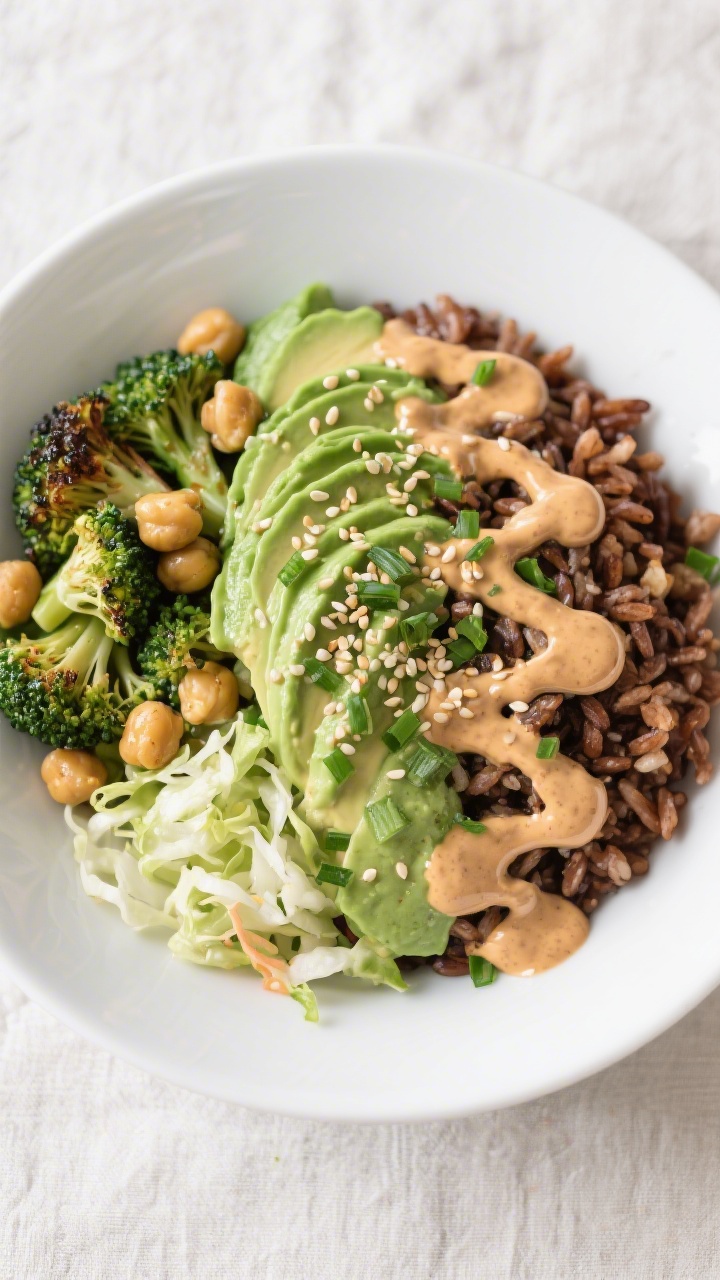
- Creamy Lemon-Tahini Everyday Sauce: 1/2 cup tahini, juice of 1 lemon, 1/2 teaspoon salt, 1 teaspoon maple syrup, 1 small grated garlic clove, 1/2 cup water (or as needed), black pepper. Great on grain bowls and roasted broccoli.
- Herbed Green Goddess (Vegan): 1/2 block silken tofu, 1/4 cup packed parsley, 1/4 cup dill, 2 tablespoons chives, 2 tablespoons lemon juice, 1 teaspoon capers, 1 tablespoon nutritional yeast, salt, pepper, water to thin.Perfect for salads and as a dip.
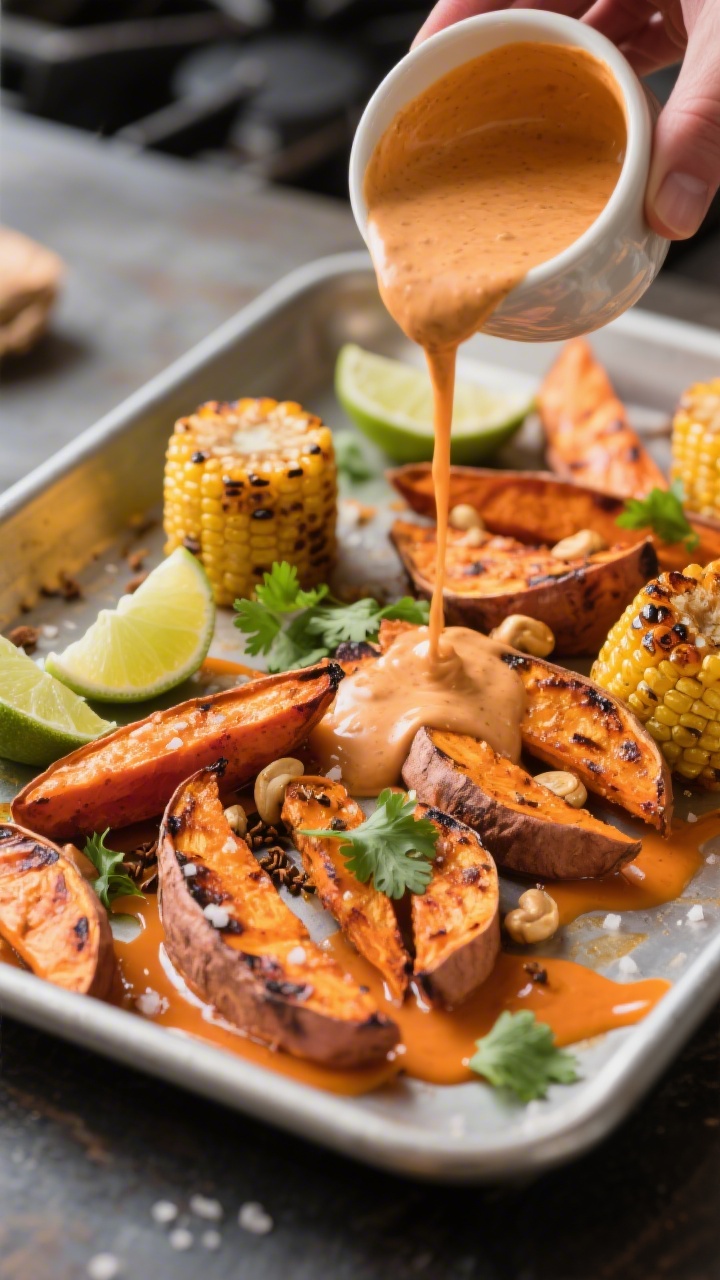
- Smoky Chipotle Cashew Cream: 3/4 cup soaked cashews, 1–2 teaspoons chipotle in adobo (or powder to taste), 2 tablespoons lime juice, 1/4 teaspoon cumin, pinch of salt, water to blend. Ideal for tacos, sweet potatoes, and grilled corn.
- Miso-Ginger Sesame: 2 tablespoons white miso, 1 tablespoon tahini, 1 tablespoon tamari, 1 tablespoon rice vinegar, 1 teaspoon maple, 1 teaspoon grated ginger, 1/2 teaspoon toasted sesame oil, water to thin. Toss with cabbage slaw or drizzle over tofu.
- Avocado Cilantro Lime: 1 ripe avocado, 1/3 cup water, juice of 1 lime, handful of cilantro, pinch of salt, jalapeño to taste.Creamy, bright, and great on bowls and burritos.
- Sun-Dried Tomato Red Pepper Spread: 1/2 cup soaked cashews, 1/3 cup oil-packed sun-dried tomatoes (drained), 1/2 cup roasted red peppers, 1 tablespoon red wine vinegar, pinch smoked paprika, salt. Thicker—use as a sandwich spread or pasta sauce.
FAQ
Can I make these without a blender?
Yes. Use smooth tahini or nut butter and finely grate aromatics with a microplane.
Whisk in a bowl, thinning gradually. For chunkier items like sun-dried tomatoes, chop very finely.
How do I keep dressings from separating?
Emulsify by whisking acid into the creamy base before adding water. A small amount of mustard or miso helps everything hold together.
If it separates in the fridge, a quick stir or shake fixes it.
What if my dressing is too sour?
Add a pinch of salt and a touch of sweetness, then a bit more creamy base. Sometimes a teaspoon of water softens sharp edges too.
Can I make these oil-free?
Absolutely. Rely on tahini, cashews, tofu, or beans for body and mouthfeel.
Use water or plant milk to thin, and add miso or nutritional yeast for richness.
How do I scale up for meal prep?
Double or triple the ingredients and store in multiple small jars so you only open what you need. Add herbs fresh to each jar for brighter flavor through the week.
What goes best with which dressing?
Pair lemon-tahini with roasted carrots and chickpeas, miso-ginger with crunchy cabbage and tofu, chipotle cashew with sweet potatoes and black beans, and green goddess with salads or grain bowls. Match acid and heat to the heartiness of the dish.
Are these kid-friendly?
Yes—start mild.
Skip raw garlic and strong heat, use a bit more sweetness, and keep textures smooth. Offer chili oil or hot sauce at the table for adults.
How can I add protein to sauces?
Blend in silken tofu or white beans, or whisk in a spoon of hemp hearts. Nutritional yeast adds a savory note and a small protein bump too.
What if I don’t have miso?
Use tamari, soy sauce, or coconut aminos for depth.
A few chopped capers or a splash of olive brine can also bring salty umami complexity.
How do I make it nut-free?
Use tahini, sunflower seed butter, silken tofu, or white beans as your base. Check labels on packaged ingredients to ensure they’re processed in nut-free facilities if needed.
Wrapping Up
Plant-based dressings and sauces aren’t just extras—they’re the reason simple meals taste special. With a creamy base, a bright acid, a hit of umami, and small tweaks for balance, you can turn any bowl of veg or grains into something you’re excited to eat.
Keep a jar in the fridge, refresh with a squeeze of lemon, and try a new variation each week. Simple methods, big flavor, and zero fuss—that’s the kind of kitchen win that sticks.
Printable Recipe Card
Want just the essential recipe details without scrolling through the article? Get our printable recipe card with just the ingredients and instructions.