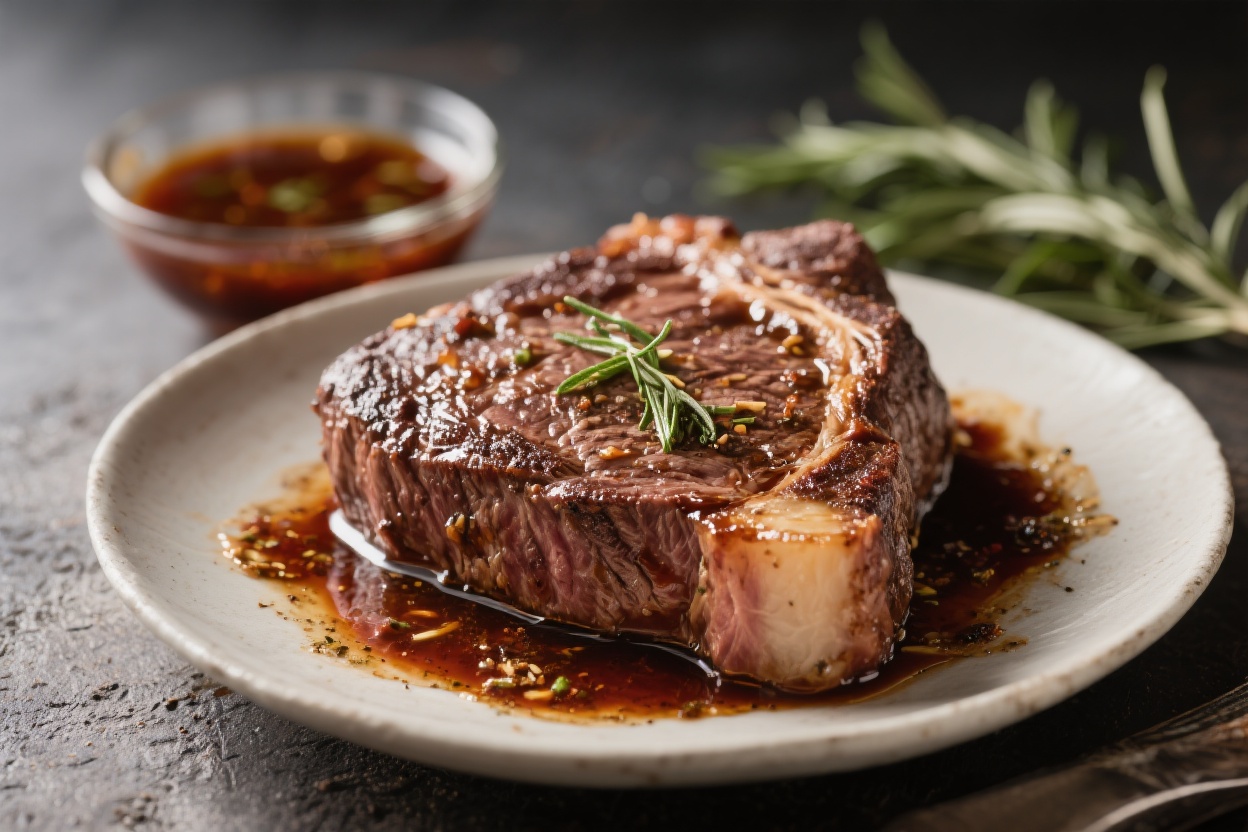
A great sirloin steak starts with a great marinade. This one brings bold flavor, gentle tenderness, and a beautiful sear without masking the taste of the beef. It’s easy to throw together with pantry staples, and it works whether you’re grilling outside or searing on the stove.
The result is juicy, well-seasoned steak with a balanced, savory bite. If you’re craving a steakhouse feel at home, this marinade gets you there without any fuss.
Contents
- 1 Why This Recipe Works
- 2 What You’ll Need
- 3 How to Make It
- 4 How to Store
- 5 Health Benefits
- 6 Pitfalls to Watch Out For
- 7 Alternatives
- 8 FAQ
- 8.1 How long should I marinate sirloin steak?
- 8.2 Can I use this marinade on other cuts?
- 8.3 Do I need to salt the steak separately?
- 8.4 Should I poke holes in the steak?
- 8.5 Can I turn the leftover marinade into a sauce?
- 8.6 What’s the best way to reheat steak?
- 8.7 How do I get a great crust?
- 8.8 Is this marinade too salty?
- 9 Wrapping Up
Why This Recipe Works
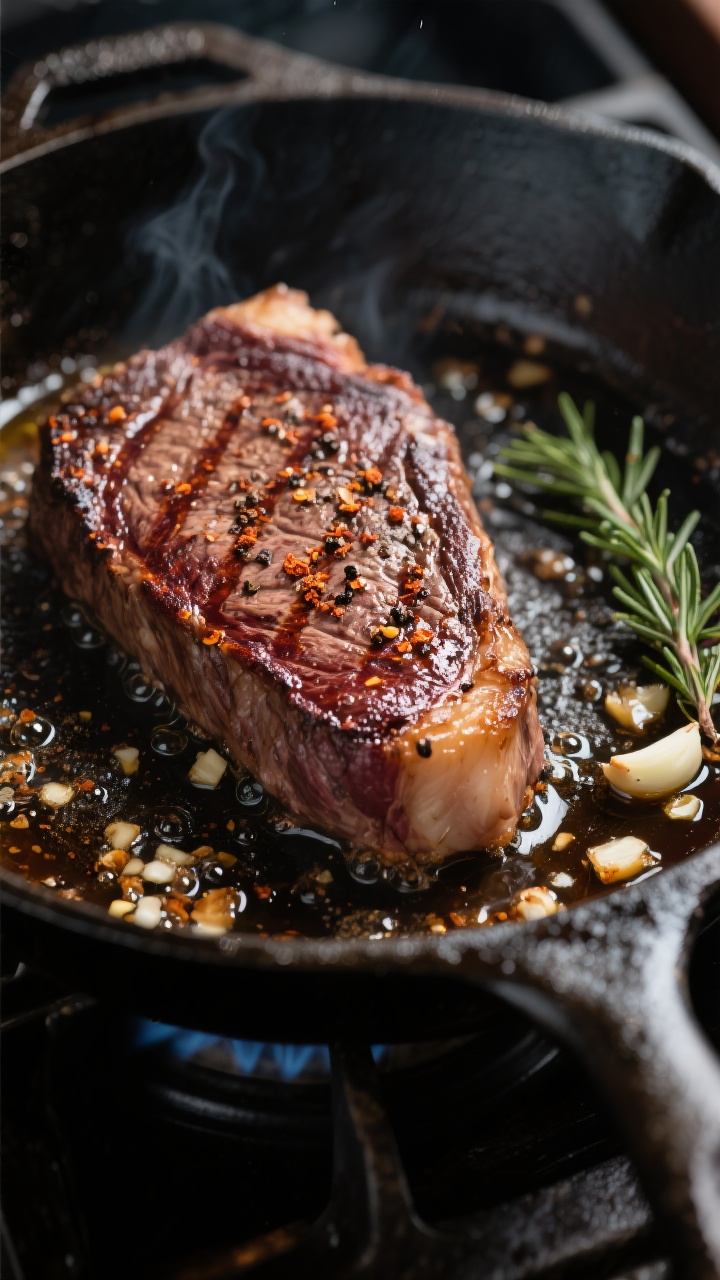
This marinade is built on a smart balance of salt, acid, fat, and aromatics. The salt helps the steak retain moisture, while the acid gently tenderizes the meat’s exterior.
Oil carries flavor across the surface and helps create a rich crust when the steak hits high heat. Garlic, herbs, and a touch of sweetness round out the flavor so each bite tastes layered, not one-note. The marinade comes together in minutes and improves the steak whether you have 30 minutes or overnight.
What You’ll Need
- Sirloin steak: 1.5 to 2 pounds, about 1 to 1.5 inches thick.
- Soy sauce: 3 tablespoons for umami and saltiness.
- Olive oil: 3 tablespoons to carry flavor and aid browning.
- Worcestershire sauce: 2 tablespoons for depth.
- Balsamic vinegar or red wine vinegar: 2 tablespoons for acidity.
- Lemon juice: 1 tablespoon for brightness.
- Brown sugar or honey: 1 tablespoon to balance acidity and boost caramelization.
- Garlic: 3 cloves, minced.
- Black pepper: 1 teaspoon, freshly ground.
- Kosher salt: 1 teaspoon, adjust to taste (reduce if steaks are pre-salted).
- Smoked paprika: 1 teaspoon for subtle smoke and color.
- Dijon mustard: 1 teaspoon to emulsify and add tang.
- Fresh herbs (optional): 1 tablespoon chopped rosemary or thyme.
- Red pepper flakes (optional): 1/2 teaspoon for gentle heat.
How to Make It
- Trim and pat dry: Blot the sirloin with paper towels.Removing surface moisture helps get a better crust later.
- Mix the marinade: In a bowl, whisk soy sauce, olive oil, Worcestershire, vinegar, lemon juice, brown sugar, garlic, black pepper, salt, smoked paprika, and Dijon. Stir in herbs and red pepper flakes if using.
- Bag it up: Place the steak in a large resealable bag or shallow dish. Pour the marinade over the steak, press out extra air, and seal.Turn to coat evenly.
- Marinate: Refrigerate for 30 minutes to 2 hours for a quick flavor boost, or up to 8–12 hours for deeper seasoning. Avoid going past 24 hours to prevent the surface from getting mushy.
- Bring to room temp: Take the steak out of the fridge 30–45 minutes before cooking. This helps it cook more evenly.
- Preheat your cooking surface: Heat a grill to high (450–500°F) or preheat a heavy skillet or grill pan over medium-high until very hot.Lightly oil the grates or pan.
- Remove excess marinade: Let the marinade drip off and gently pat the steak. Too much wet marinade can steam instead of sear.
- Cook: Sear 3–5 minutes per side for medium-rare, depending on thickness. Aim for an internal temperature of 130–135°F for medium-rare, 135–145°F for medium.
- Rest: Transfer to a plate, tent loosely with foil, and rest 5–10 minutes.Resting keeps juices in the meat, not on the cutting board.
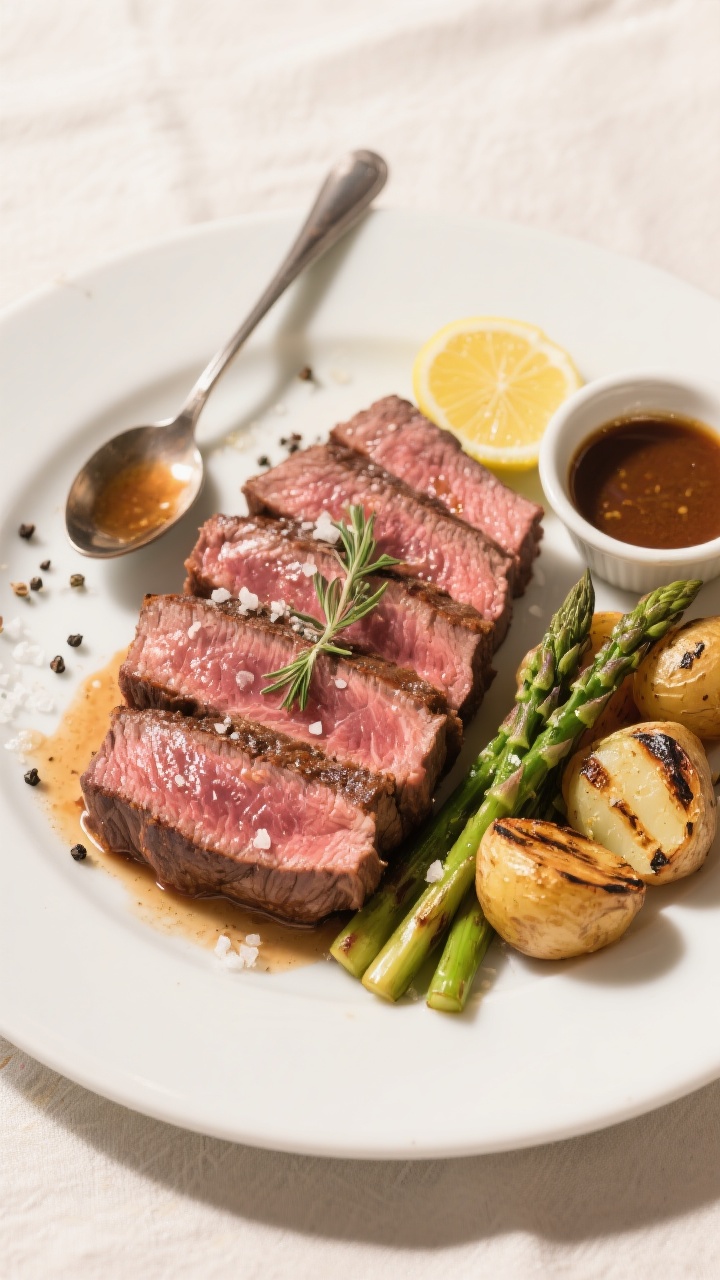
- Slice and serve: Slice against the grain for tenderness. Spoon any resting juices over the slices for extra flavor.
How to Store
- Uncooked, marinating steak: Refrigerate up to 24 hours. Discard used marinade or boil it for 2–3 minutes before using as a sauce.
- Cooked steak: Store in an airtight container in the fridge for 3–4 days.Reheat gently to avoid overcooking.
- Freezing: You can freeze the steak in the marinade for up to 3 months. Thaw in the fridge overnight, then cook as directed.
- Leftover marinade: If it hasn’t touched raw meat, store it in the fridge up to 1 week or freeze for later.
Health Benefits
- High-quality protein: Sirloin provides essential amino acids that support muscle repair and satiety.
- Iron and B vitamins: Beef contains heme iron, B12, niacin, and B6, which support energy and cognitive function.
- Controlled sodium, sugar, and fat: Making your own marinade lets you manage salt and sweeteners while using heart-healthy olive oil.
- Herbs and spices: Garlic, rosemary, and paprika add antioxidants and flavor without extra calories.
- Portion flexibility: Sirloin is leaner than many cuts, so you get flavor with fewer calories when portions are reasonable.
Pitfalls to Watch Out For
- Over-marinating: Too much acid for too long can make the surface mushy. Cap it at 12 hours for best texture.
- Skipping the pat-dry step: Excess marinade can prevent browning and create a gray, steamed exterior.
- Cold steak on a cold pan: Not preheating properly leads to weak sear and uneven doneness.
- Cutting too soon: If you slice right away, juices run out.Rest the steak to keep it juicy.
- Using only time, not temperature: Thickness varies. Use an instant-read thermometer for reliable doneness.
Alternatives
- Citrus-herb marinade: Swap balsamic for orange and lemon juice, add oregano and parsley, and skip the soy for a brighter profile.
- Asian-inspired: Add grated ginger, sesame oil, and a splash of rice vinegar. Use honey and a pinch of white pepper.
- Smoky-chipotle: Blend adobo sauce from chipotles, lime juice, cumin, and a bit of brown sugar for heat and smoke.
- No-sugar version: Omit brown sugar and increase Worcestershire slightly.You’ll still get good browning from the meat and soy.
- Gluten-free: Use tamari or coconut aminos instead of soy sauce, and confirm your Worcestershire is gluten-free.
- No-marinate method: If you’re short on time, season heavily with salt and pepper, rest 15 minutes, then sear in butter with smashed garlic and thyme. Finish with a quick pan sauce.
FAQ
How long should I marinate sirloin steak?
For best flavor and texture, marinate for 2–8 hours. You can go up to 12 hours if needed.
Avoid more than 24 hours to prevent a mushy surface.
Can I use this marinade on other cuts?
Yes. It works well on flank, skirt, New York strip, and even chicken or mushrooms. Adjust time for thinner cuts (30–90 minutes is often enough).
Do I need to salt the steak separately?
No.
The soy sauce and added salt in the marinade season the meat well. If you like a pronounced crust, sprinkle a pinch of salt right before cooking.
Should I poke holes in the steak?
No. Poking can release juices.
A well-balanced marinade seasons the surface effectively without piercing the meat.
Can I turn the leftover marinade into a sauce?
Yes, but boil it for 2–3 minutes to kill any bacteria from raw meat. Reduce until slightly thickened, then adjust with butter or a squeeze of lemon.
What’s the best way to reheat steak?
Warm it gently in a 275°F oven until just heated through, then give it a quick 30–60 second sear in a hot pan with a little oil or butter.
How do I get a great crust?
Pat the steak dry, preheat your pan or grill until very hot, use a thin film of oil, and avoid moving the steak for the first few minutes so it can brown properly.
Is this marinade too salty?
It’s balanced, but tastes vary. If you’re sensitive to salt, reduce soy sauce to 2 tablespoons and skip the added salt, then season lightly before cooking if needed.
Wrapping Up
A solid marinade can turn a good sirloin into a great one.
With the right mix of salt, acid, fat, and aromatics, you’ll get a tender, flavorful steak and a restaurant-quality crust at home. Keep an eye on marinating time, dry the surface well, and cook to temperature, not just time. Serve with a crisp salad, roasted potatoes, or grilled vegetables, and you’ve got a weeknight-friendly dinner that feels special.