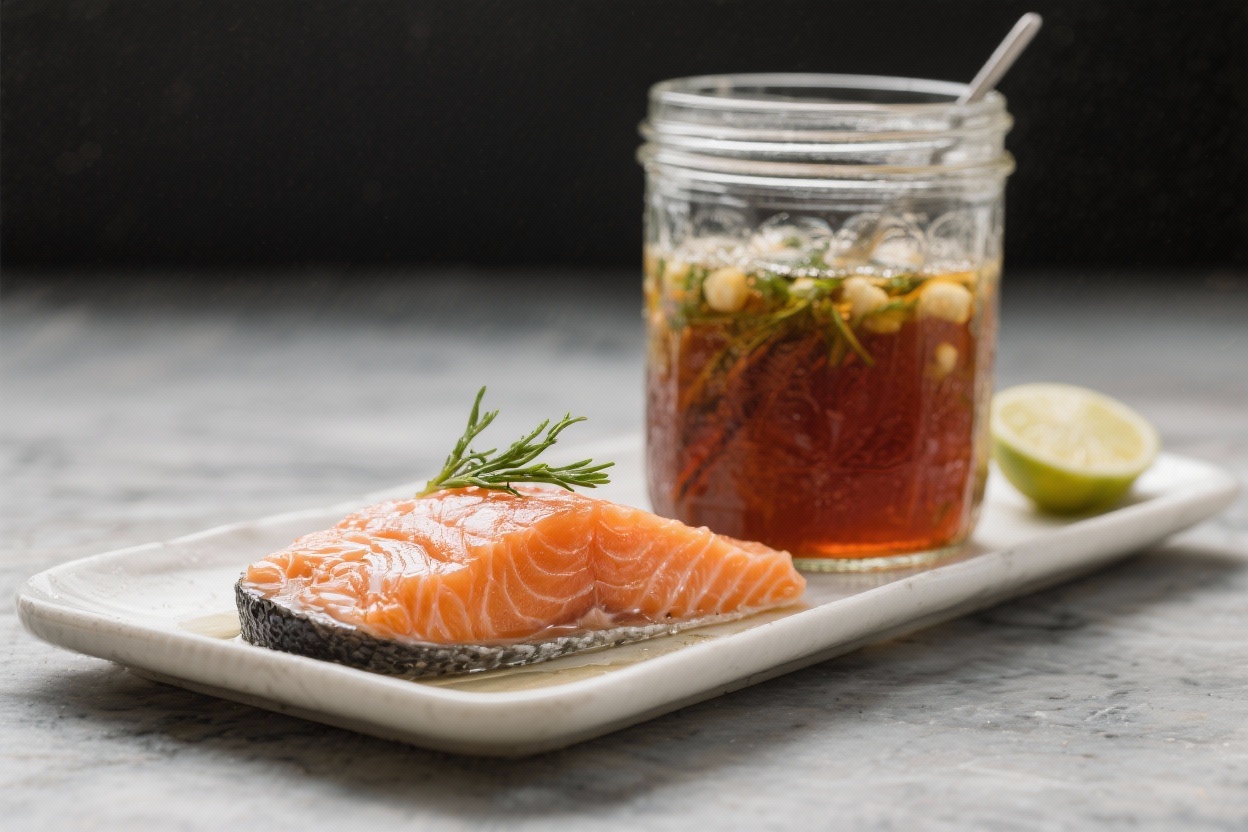
Smoked salmon can be tricky—too salty, too dry, or not quite flavorful enough. This brine solves those problems without any fuss. It’s balanced, dependable, and easy to customize for your smoker setup and taste preferences.
If you’ve ever wanted consistently tender, gently seasoned smoked salmon with a beautiful texture, this is the method to trust. You’ll get clean flavor, great moisture, and results you can repeat any time.
Contents
What Makes This Recipe So Good
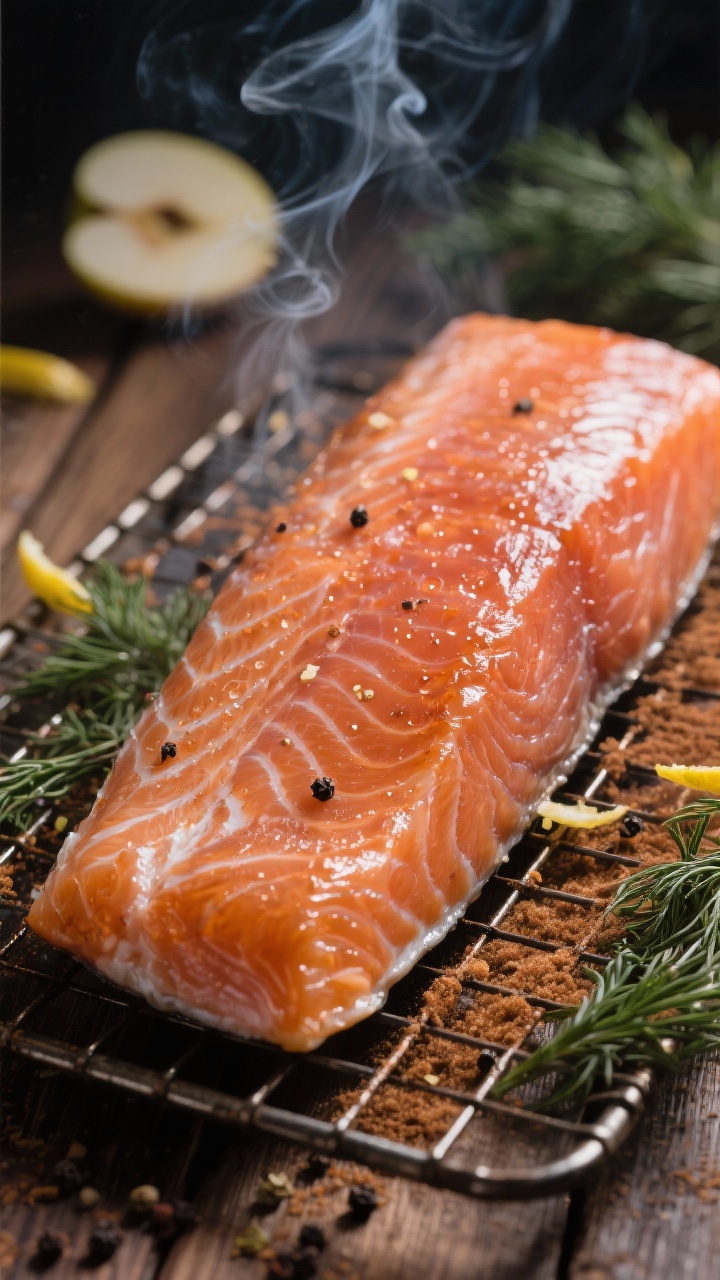
- Balanced salinity: The salt-to-water ratio is dialed in to season the fish without making it overly salty.
- Perfect texture: A bit of sugar helps retain moisture and promotes a glossy finish after smoking.
- Reliable every time: Straightforward steps—no guesswork, no complicated equipment.
- Customizable flavor: Add herbs, citrus, or spices without throwing off the brine itself.
- Works with different smokers: Pellet, charcoal, electric, or kamado—this brine supports any setup.
What You’ll Need
- Salmon: 2 to 3 pounds skin-on salmon fillet, pin bones removed
- Cold water: 8 cups (1/2 gallon)
- Kosher salt: 1/2 cup (use Morton’s; if using Diamond Crystal, use 3/4 cup due to lighter crystals)
- Brown sugar: 1/2 cup (light or dark)
- Black peppercorns: 2 teaspoons, lightly crushed
- Garlic: 3 cloves, smashed
- Bay leaves: 2
- Lemon zest: From 1 lemon (optional, but brightens flavor)
- Fresh dill or thyme: A few sprigs (optional)
- Ice: 2 cups, for rapid cooling if heating the brine
Instructions
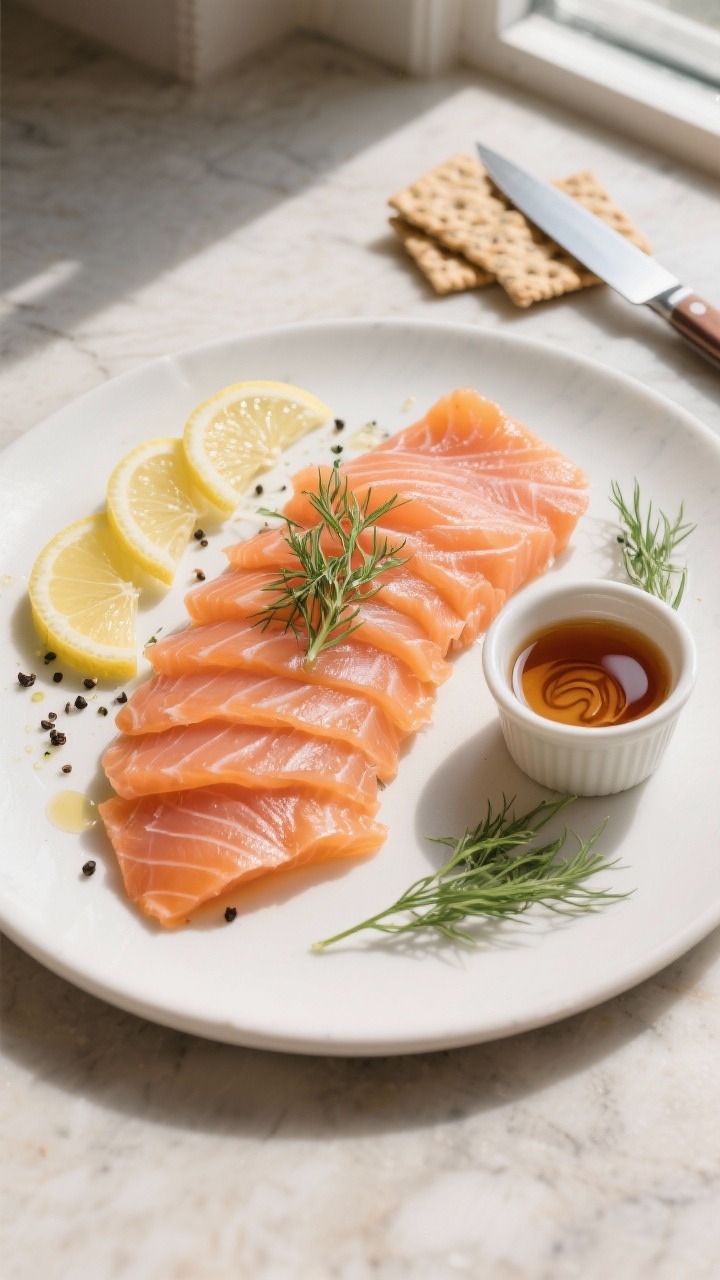
- Make the brine: In a large pot, add water, kosher salt, and brown sugar. Warm over medium heat, stirring until the salt and sugar dissolve.Do not boil. Remove from heat.
- Flavor the brine: Add peppercorns, garlic, bay leaves, lemon zest, and herbs. If the brine is warm, stir in the ice to cool it quickly.
- Chill completely: The brine must be fully cold before adding the salmon.Aim for 40°F or below. Use the fridge or an ice bath to speed it up.
- Prep the salmon: Check for pin bones and remove with tweezers. Pat the fillet dry with paper towels.
- Brine the fish: Submerge the salmon in the cold brine.Cover and refrigerate for 6 to 8 hours for a full fillet, or 3 to 4 hours for smaller portions.
- Rinse and dry: Remove the salmon from the brine. Rinse lightly under cold water to remove surface salt. Pat very dry.
- Create a pellicle: Place the salmon on a wire rack set over a sheet pan.Refrigerate uncovered for 2 to 4 hours (or set in front of a fan for 45–60 minutes) until the surface feels tacky. This helps smoke adhere and improves texture.
- Preheat the smoker: Set your smoker to 160–180°F. Use alder, apple, or cherry wood for a clean, mild smoke.
- Smoke the salmon: Place the fillet skin-side down.Smoke until the internal temperature reaches 130–135°F for moist and silky results, usually 2 to 3 hours depending on thickness and smoker consistency.
- Rest and chill: Let the salmon rest at room temp for 10 minutes. For best slicing and texture, chill in the fridge until cool.
Storage Instructions
- Refrigerator: Store smoked salmon in an airtight container for up to 5 days.
- Freezer: Wrap tightly in plastic, then foil, or vacuum seal. Freeze for up to 2 months.Thaw overnight in the fridge.
- Portioning: Slice or portion before chilling for easier storage and faster cooling.
- Serving leftovers: Enjoy cold, or gently warm in a low oven (250°F) for 10 minutes. Avoid microwaving—it can dry the fish.
Benefits of This Recipe
- Consistent results: The salt-to-water ratio and timing are balanced for predictable flavor and texture.
- Moisture protection: Sugar helps retain moisture and encourages a delicate sheen after smoking.
- Food safety minded: Chilling the brine and forming a pellicle reduces risk and improves smoke adhesion.
- Flexible smoking temps: Works across a range of 160–180°F, so you’re not tied to one exact setting.
- Clean, natural flavor: The aromatics enhance salmon without overpowering it.
Common Mistakes to Avoid
- Brining too long: Over-brining can make the salmon salty and firm. Stick to the recommended time.
- Skipping the pellicle: Smoking a wet surface leads to blotchy color and weaker smoke flavor.
- Warm brine:</-strong> Adding salmon to warm brine can partially cook the fish and raise food safety concerns.Always chill thoroughly.
- High smoker heat: Smoking above 200°F can cause white albumin to push out and dry the fish. Lower and slower is better.
- No rinse after brine: A quick rinse prevents the exterior from tasting overly salty.
Recipe Variations
- Maple-Brined Salmon: Replace half the brown sugar with pure maple syrup. Add a pinch of cayenne for gentle heat.
- Citrus-Herb: Add orange zest and extra lemon zest, plus fresh parsley and thyme.Great for a brighter profile.
- Ginger-Soy:</-strong> Swap 1 cup of water for low-sodium soy sauce. Add 1 tablespoon grated fresh ginger and 1 teaspoon sesame oil.
- Spicy Peppercorn: Add 1 teaspoon crushed red pepper flakes and an extra teaspoon of black pepper.
- Honey-Dill: Replace half the brown sugar with honey and add a handful of fresh dill to the brine.
FAQ
Can I dry brine instead of wet brine?
Yes. Mix 1 part kosher salt to 1 part brown sugar by weight and rub over the salmon.
Refrigerate 4 to 8 hours, then rinse, dry, and form a pellicle. The texture is slightly firmer, and it concentrates flavor more than a wet brine.
What type of salmon works best?
King (Chinook) and Atlantic yield very tender, rich results. Sockeye is leaner and more robust in flavor but can dry more easily—watch your temps and time closely.
Do I have to rinse after brining?
A quick rinse is recommended.
It removes excess surface salt so the final flavor is balanced. Pat dry thoroughly after rinsing.
Why does white stuff (albumin) appear on the salmon?
Albumin is a protein that coagulates when heated. It’s harmless, but shows up more at high temperatures or with overcooking.
Keep smoker temps at 160–180°F, don’t overcook, and use a proper brine and pellicle to minimize it.
How do I know when it’s done?
Use a thermometer. Aim for 130–135°F in the thickest part for moist, silky salmon. If you prefer flakier texture, go up to 140°F, but expect slightly drier results.
Can I reuse the brine?
No.
Discard it after use. It contains raw fish juices and isn’t safe to reuse.
What wood should I use?
Alder is classic and clean. Apple and cherry add a mild sweetness.
Avoid heavy-handed woods like mesquite, which can overwhelm the salmon.
How long can I brine smaller pieces?
For 4–6 ounce portions, 3 to 4 hours is enough. Over-brining small pieces can make them too salty and firm.
Final Thoughts
This smoked salmon brine keeps things simple and dependable. It seasons the fish evenly, protects moisture, and builds a beautiful, subtle flavor that pairs with almost anything.
Follow the timing, keep the temps steady, and don’t skip the pellicle. Once you taste the results, you’ll keep this brine in your back pocket for every smoking session.