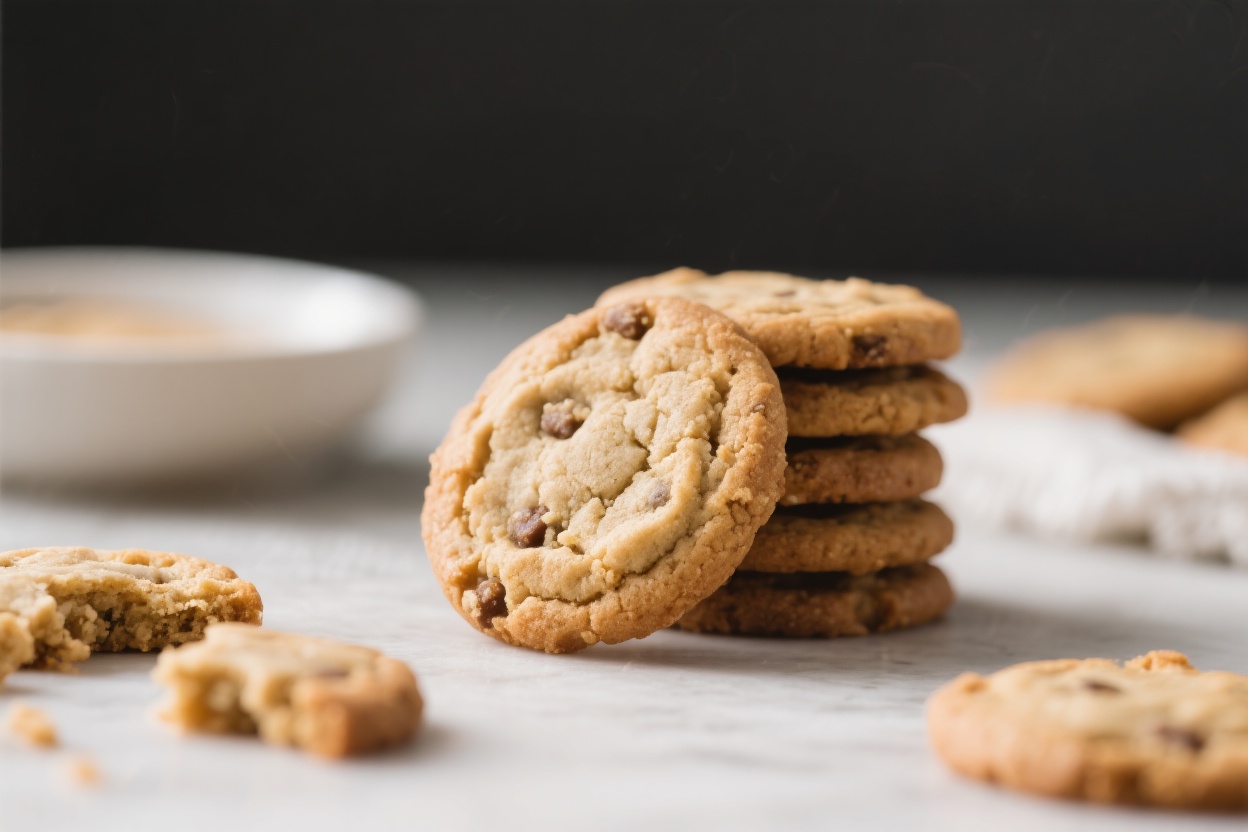
These cookies are the kind you make once and end up baking every week. They’re soft in the center, lightly crisp at the edges, and full of warm vanilla flavor. No gritty texture, no dry crumb—just a classic cookie experience without the gluten.
Whether you’re gluten-free or baking for someone who is, this recipe delivers consistent results. Keep a batch on hand for lunchboxes, coffee breaks, or late-night cravings.
Contents
- 1 Why This Recipe Works
- 2 What You’ll Need
- 3 Instructions
- 4 Storage Instructions
- 5 Benefits of This Recipe
- 6 Pitfalls to Watch Out For
- 7 Alternatives
- 8 FAQ
- 8.1 Can I make these cookies without xanthan gum?
- 8.2 Why add both butter and oil?
- 8.3 Do I have to chill the dough?
- 8.4 How do I keep gluten-free cookies from tasting gritty?
- 8.5 What’s the best way to measure gluten-free flour?
- 8.6 Can I make these larger or smaller?
- 8.7 Can I make them vegan?
- 8.8 Why did my cookies turn out dry?
- 9 Wrapping Up
Why This Recipe Works
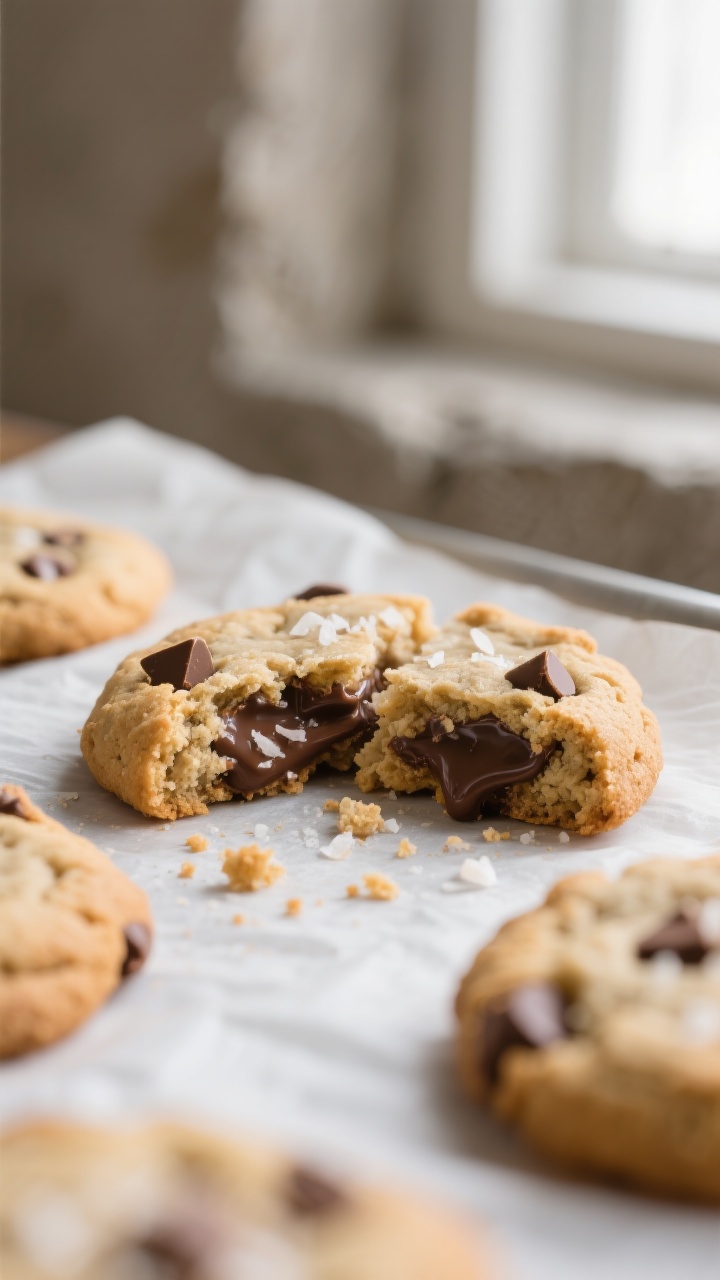
This recipe balances moisture and structure for that perfect chewy bite. A blend of gluten-free flour, cornstarch, and xanthan gum mimics the tenderness of wheat flour without the heaviness.
Brown sugar adds chew and flavor, while a short chill in the fridge helps the dough hold its shape and prevents spreading. The baking time is dialed in to keep the centers soft and the edges slightly crisp.
What You’ll Need
- 1 3/4 cups (220g) gluten-free all-purpose flour (measure by weight if possible; use a blend with rice flour and starches)
- 2 tablespoons cornstarch (or tapioca starch)
- 1/2 teaspoon xanthan gum (omit if your flour blend already includes it)
- 1/2 teaspoon baking soda
- 1/2 teaspoon fine sea salt
- 1/2 cup (113g) unsalted butter, softened
- 1/4 cup (50g) neutral oil (like avocado or light olive oil) for extra chew
- 3/4 cup (150g) packed light brown sugar
- 1/3 cup (65g) granulated sugar
- 1 large egg, room temperature
- 1 1/2 teaspoons pure vanilla extract
- 1 cup (170g) chocolate chips or chunks (or mix-ins of your choice)
- Optional: flaky sea salt for topping
Instructions
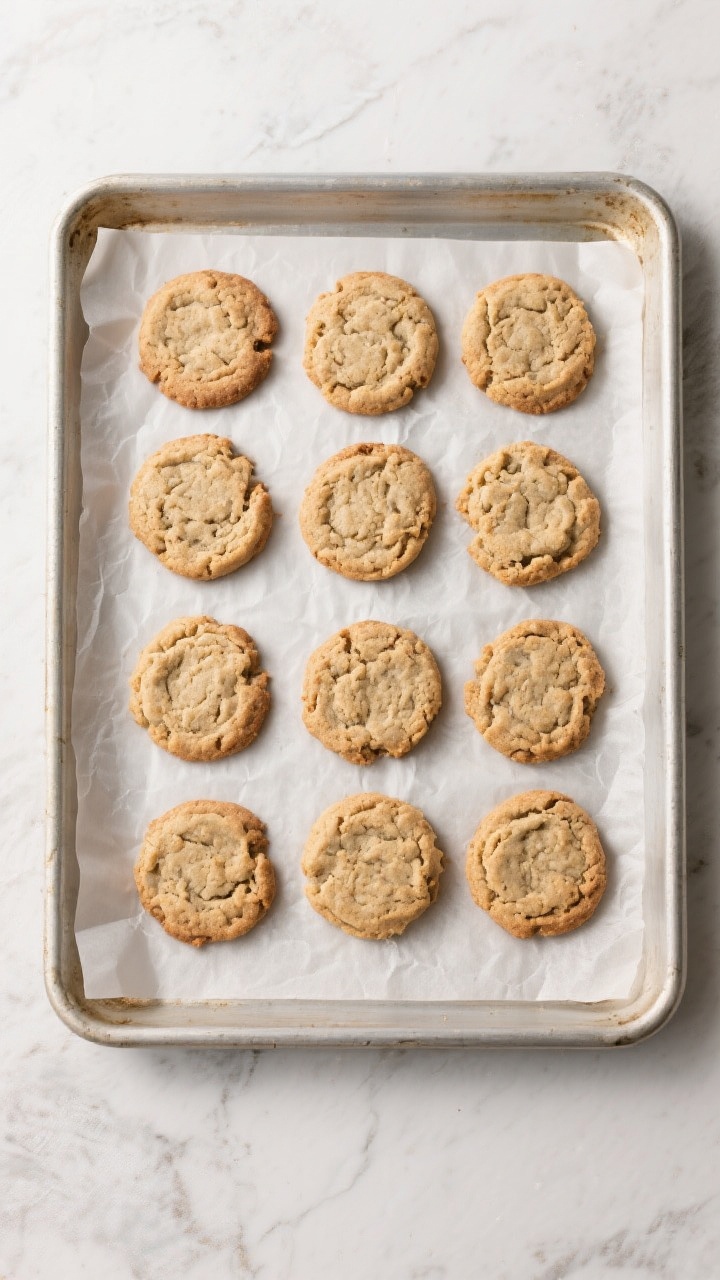
- Preheat and prep: Set the oven to 350°F (175°C). Line two baking sheets with parchment paper.
- Whisk dry ingredients: In a bowl, whisk the gluten-free flour, cornstarch, xanthan gum, baking soda, and salt until evenly combined.
- Cream the fats and sugar: In a separate large bowl, beat the softened butter, oil, brown sugar, and granulated sugar for 2–3 minutes until light and slightly fluffy.
- Add egg and vanilla: Beat in the egg and vanilla until smooth.Scrape down the bowl.
- Combine: Add the dry ingredients to the wet mixture. Mix on low just until a soft dough forms. The dough should be thick but slightly tacky, not dry.
- Fold in chips: Stir in the chocolate chips or your chosen mix-ins.
- Chill briefly: Cover and chill the dough for 20–30 minutes. This helps control spreading and improves texture.
- Scoop: Use a 1.5-tablespoon scoop to portion dough onto the prepared sheets, spacing about 2 inches apart.
- Bake: Bake 9–11 minutes, until edges are set and lightly golden but centers still look soft. Do not overbake.
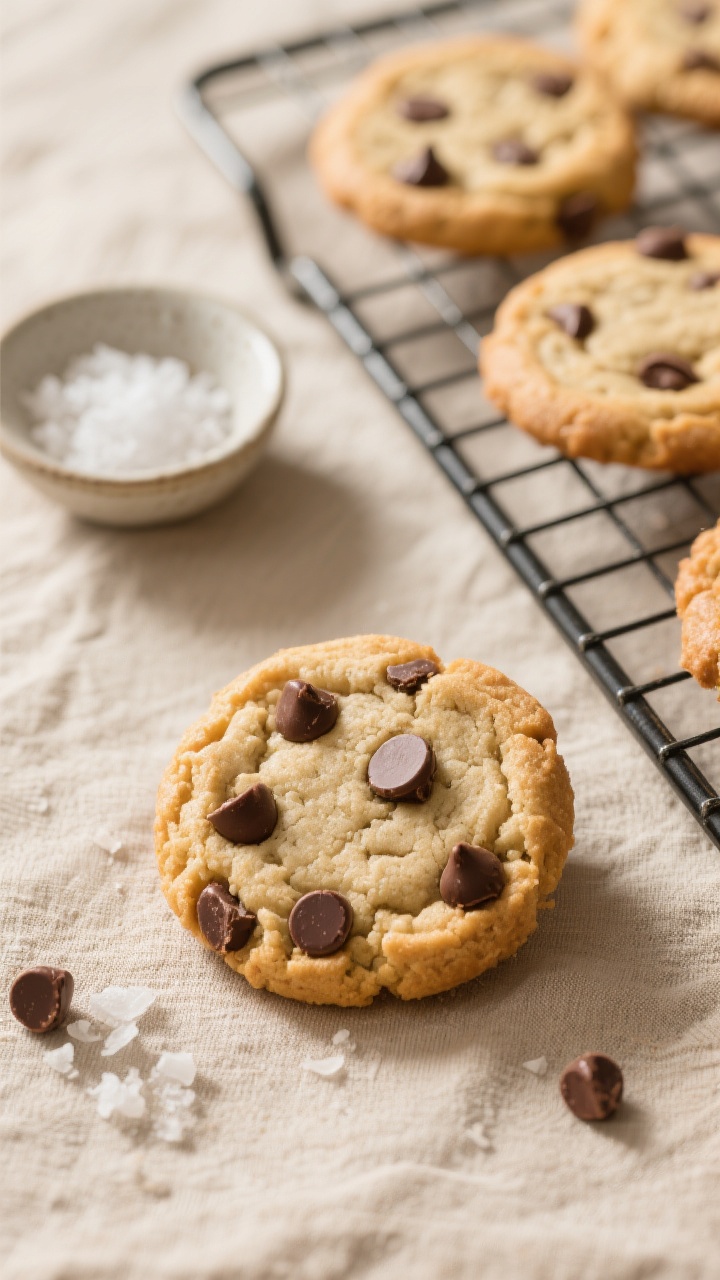
- Finish: If using, sprinkle a pinch of flaky salt on hot cookies.Let them cool on the sheet for 5 minutes, then move to a rack to cool completely.
Storage Instructions
- Room temperature: Store in an airtight container for 3–4 days with a slice of bread or a piece of apple to keep them soft.
- Freezer (baked): Freeze in a zip-top bag up to 2 months. Thaw at room temperature or warm for 10–15 seconds in the microwave.
- Freezer (dough): Scoop dough balls onto a tray, freeze until firm, then bag. Bake from frozen at 350°F (175°C) for 11–13 minutes.
Benefits of This Recipe
- Consistent texture: The cornstarch and brown sugar combo ensures a soft, chewy center every time.
- No gritty bite: Proper hydration and a short chill help the flour blend hydrate and smooth out.
- Flexible mix-ins: Chocolate chips, chopped nuts, dried fruit, or white chocolate all work well.
- Beginner-friendly: No special equipment, no complicated steps—just reliable results.
- Great make-ahead: Dough freezes beautifully for quick cookies on demand.
Pitfalls to Watch Out For
- Using the wrong flour blend: Not all gluten-free blends are equal.Avoid blends heavy on bean flours for cookies; look for rice flour plus starches.
- Skipping xanthan gum: If your blend doesn’t include it, you need a little for structure; otherwise, cookies may spread too much or crumble.
- Overbaking: Pull them when centers look slightly underdone; they finish setting on the hot sheet.
- Too much flour: Gluten-free flour packs easily. Weigh if possible, or fluff, spoon, and level to avoid dry cookies.
- Skipping the chill: Warm dough spreads fast and can turn thin and crispy instead of soft and chewy.
Alternatives
- Dairy-free: Use vegan butter sticks and dairy-free chocolate chips. Keep the oil in the recipe for chew.
- Egg-free: Replace the egg with a flax egg (1 tablespoon ground flax + 3 tablespoons water, rest 5 minutes). Expect slightly less rise but solid chew.
- Refined sugar–reduced: Use coconut sugar for the brown sugar portion and reduce granulated sugar by 1–2 tablespoons.Texture stays chewy, flavor turns more caramel-like.
- Oat flour feel: Swap 1/4 cup of the gluten-free blend for certified gluten-free oat flour for a cozy flavor and tender crumb.
- Mix-in ideas: White chocolate + macadamia, peanut butter chips, chopped pecans, mini marshmallows, or a pinch of cinnamon and nutmeg.
FAQ
Yes, if your gluten-free flour blend already contains xanthan gum, leave it out. If it doesn’t, the cookies may spread and crumble without it. In that case, add the listed amount or use 1 teaspoon psyllium husk powder as a backup.
Why add both butter and oil?
Butter brings classic flavor and structure, while oil adds moisture and chew.
The combo gives you soft centers without greasy cookies.
Do I have to chill the dough?
It’s strongly recommended. Even 20 minutes helps the flour hydrate and controls spreading, which is especially important with gluten-free dough.
Use a quality flour blend and give the dough a short rest. Baking just until set also helps maintain a smooth, tender crumb.
What’s the best way to measure gluten-free flour?
Weigh it for accuracy.
If you don’t have a scale, fluff the flour, spoon it into the measuring cup, and level it off with a knife. Avoid scooping directly from the bag.
Can I make these larger or smaller?
Yes. For large bakery-style cookies, scoop 3 tablespoons and bake 12–14 minutes.
For mini cookies, use 1 tablespoon and bake 8–9 minutes. Watch the edges for doneness.
Can I make them vegan?
Use vegan butter, a flax egg, and dairy-free chocolate chips. Expect slightly less browning but a similar soft, chewy texture.
Common causes include too much flour, overbaking, or using a very absorbent flour blend.
Next time, weigh your flour, reduce bake time by a minute, or add 1–2 teaspoons milk to the dough.
Wrapping Up
These soft and chewy gluten-free cookies hit that sweet spot: easy to make, reliably delicious, and friendly to all kinds of mix-ins. With a few smart tweaks—like a quick chill and the right flour blend—you’ll get bakery-quality results at home. Keep the recipe handy and customize it for every craving.
Once you taste them warm from the oven, you’ll see why they’re a keeper.
Printable Recipe Card
Want just the essential recipe details without scrolling through the article? Get our printable recipe card with just the ingredients and instructions.