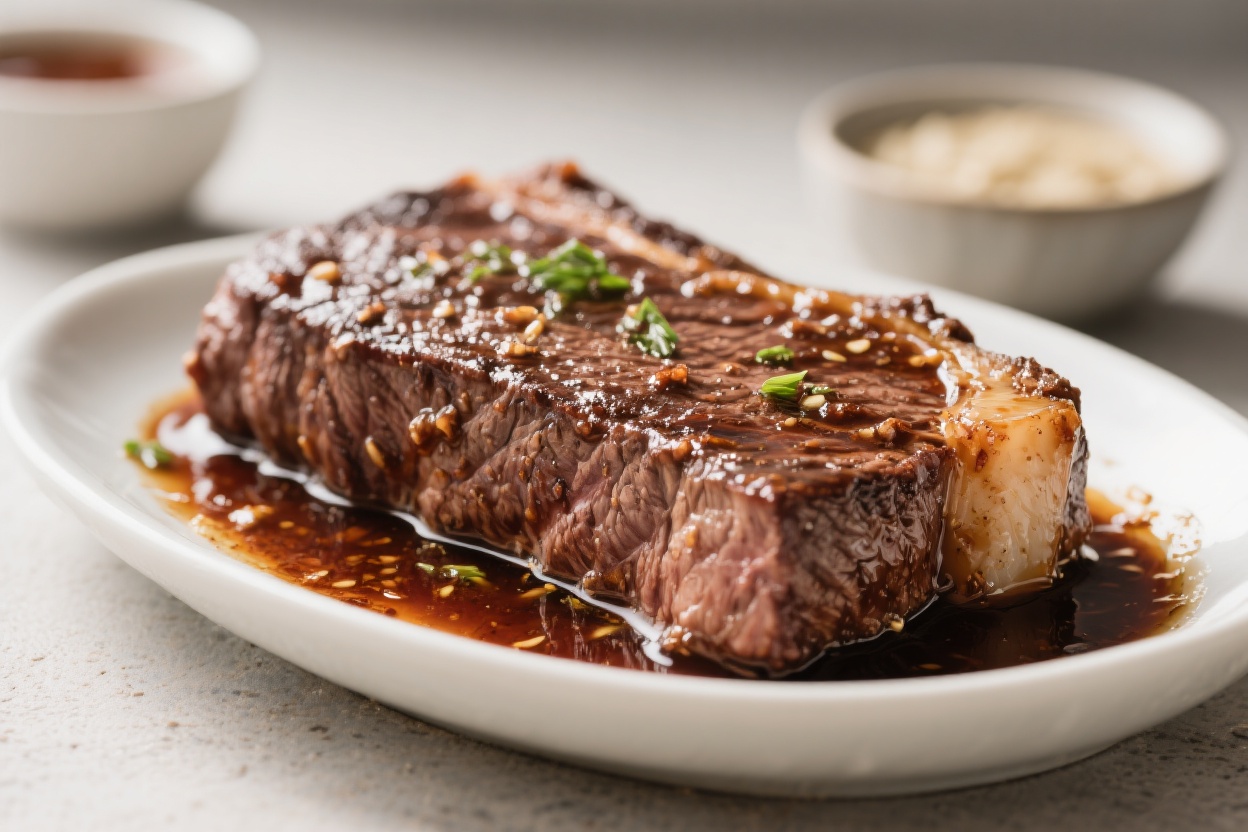
A great steak doesn’t need much, but the right marinade can turn a tough cut into something worth craving. This tenderizing marinade is balanced, dependable, and made with pantry staples. It softens the meat without making it mushy, and it adds deep, savory flavor that sears beautifully.
Use it for flank, skirt, sirloin, or even a budget-friendly chuck steak. With a little time and the right ingredients, you’ll get steak that’s juicy, tender, and full of character.
Contents
- 1 Why This Recipe Works
- 2 Ingredients
- 3 How to Make It
- 4 Keeping It Fresh
- 5 Why This is Good for You
- 6 What Not to Do
- 7 Variations You Can Try
- 8 FAQ
- 8.1 How long should I marinate steak to make it tender?
- 8.2 Can I reuse marinade?
- 8.3 What steak cuts work best with this marinade?
- 8.4 Does pineapple or papaya help tenderize?
- 8.5 Can I cook the steak in the oven?
- 8.6 Should I salt the steak separately?
- 8.7 What’s the best oil for the marinade?
- 8.8 How do I avoid flare-ups on the grill?
- 9 Final Thoughts
Why This Recipe Works
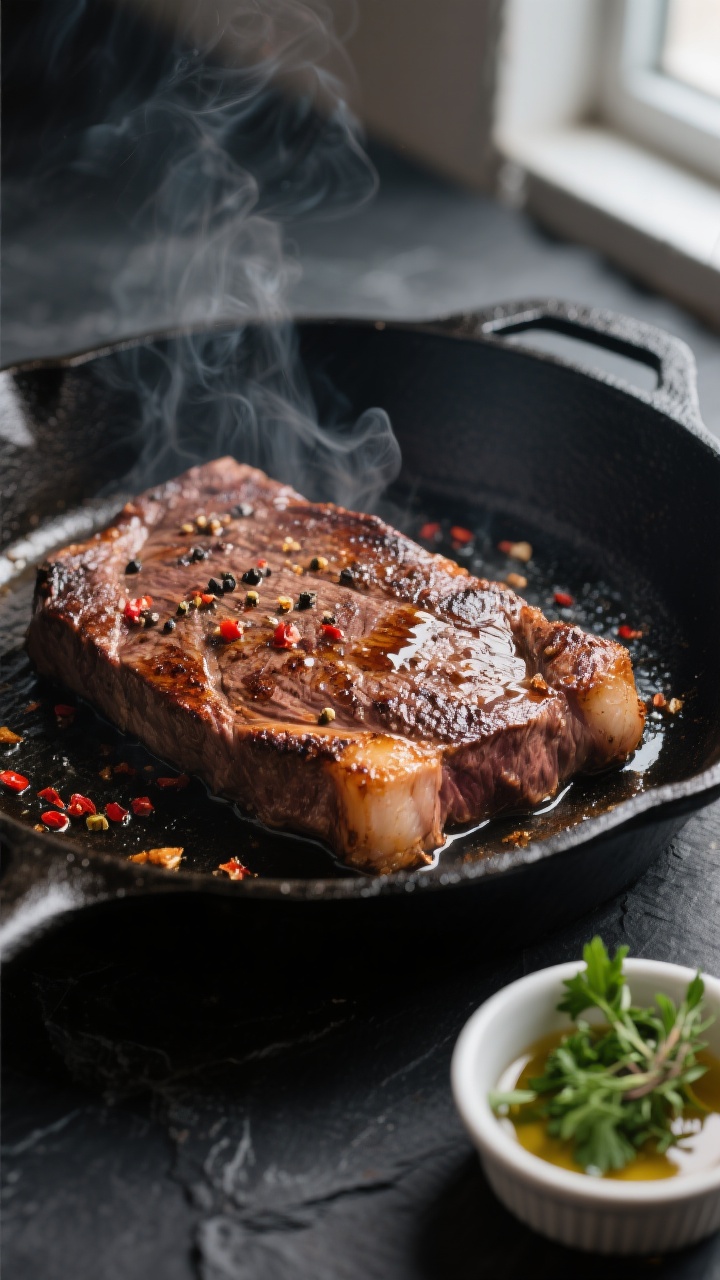
This marinade uses a smart mix of acid, salt, and enzymes to break down tough fibers without ruining the texture. Acidic ingredients like vinegar and lemon juice loosen up muscle proteins so they hold more moisture when cooked. Soy sauce and salt season the steak all the way through and help it retain juices. A touch of sugar or honey boosts browning for a better crust. And fresh garlic and spices add layers of flavor that don’t overpower the beef.
Ingredients
- 1/3 cup soy sauce (regular or low sodium)
- 1/4 cup olive oil
- 2 tablespoons Worcestershire sauce
- 2 tablespoons apple cider vinegar (or red wine vinegar)
- 1 tablespoon fresh lemon juice (optional but great for tenderizing)
- 2 tablespoons honey or brown sugar
- 4 cloves garlic, minced
- 1 teaspoon Dijon mustard
- 1 teaspoon freshly ground black pepper
- 1 teaspoon onion powder
- 1/2 teaspoon crushed red pepper flakes (optional, for heat)
- 1–2 tablespoons chopped fresh herbs (parsley, thyme, or rosemary)
- 1/4 cup water (to slightly dilute and help cover the steak)
- 1.5 to 2 pounds steak (flank, skirt, sirloin, flat iron, hanger, or chuck)
How to Make It
- Mix the marinade: In a medium bowl, whisk soy sauce, olive oil, Worcestershire, vinegar, lemon juice, honey, garlic, Dijon, pepper, onion powder, red pepper flakes, herbs, and water until well combined.
- Prep the steak: Pat the steak dry with paper towels.If using a thicker cut, score the surface lightly with shallow diagonal cuts to help the marinade penetrate.
- Bag it up: Place the steak in a large zip-top bag or shallow dish. Pour the marinade over it, press out excess air, and seal.
- Marinate smart: Refrigerate for at least 2 hours. For tougher cuts like flank or skirt, aim for 6–12 hours.Avoid going past 24 hours to prevent a mealy texture.
- Bring to room temp: Remove the steak from the fridge 30–45 minutes before cooking so it cooks more evenly.
- Dry before searing: Discard the marinade and pat the steak dry. A dry surface gives you a better crust.
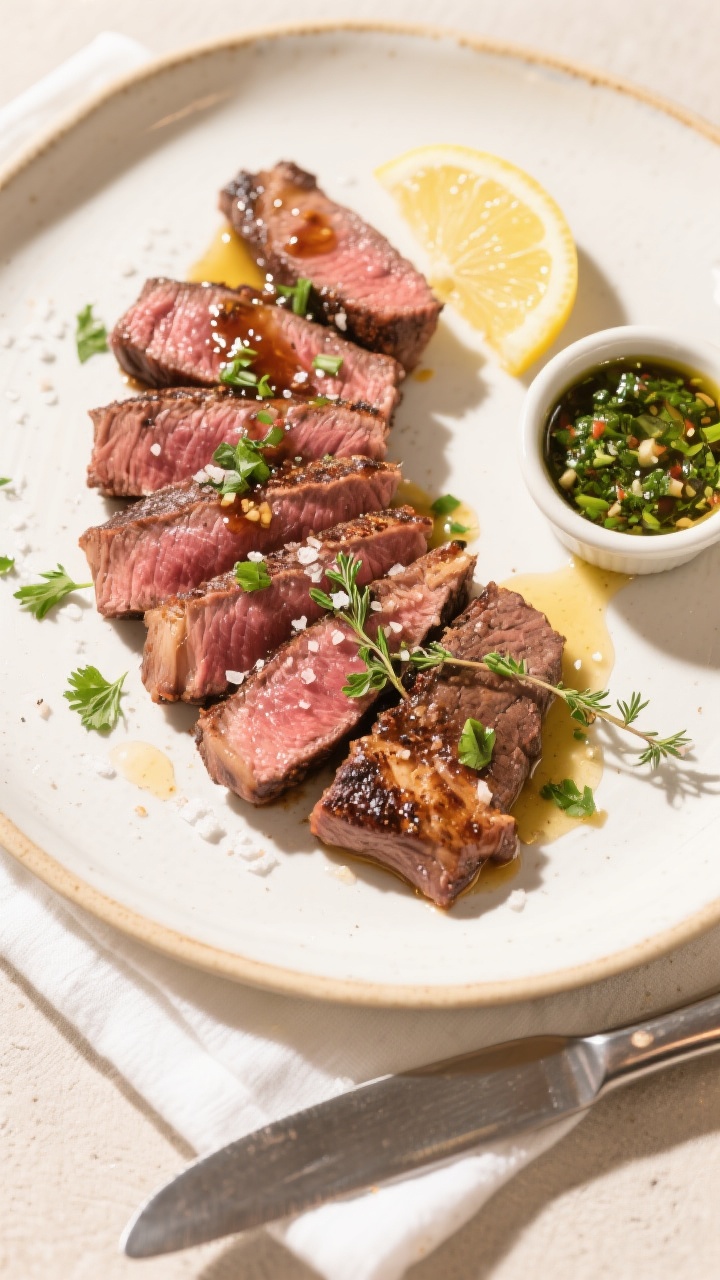
- Cook your way: Grill over high heat, pan-sear in a hot cast-iron skillet with a bit of oil, or broil. For flank or skirt, cook to medium-rare (130–135°F) for best tenderness.
- Rest and slice: Let the steak rest 5–10 minutes.For long-grain cuts like flank or skirt, slice thinly against the grain to maximize tenderness.
Keeping It Fresh
Store raw steak in the marinade in the fridge for up to 24 hours max. If you want to get ahead, add steak and marinade to a freezer bag and freeze for up to 2 months. Thaw overnight in the fridge and cook as usual.
Leftover cooked steak keeps well in an airtight container in the fridge for 3–4 days.
Reheat gently in a skillet over low heat or enjoy cold in salads and sandwiches. Avoid microwaving on high, which can toughen the meat.
Why This is Good for You
- Protein-rich: Steak provides complete protein to support muscle repair and satiety.
- Iron and B vitamins: Red meat offers heme iron, B12, and niacin, which support energy and brain function.
- Smarter fats: Using olive oil adds heart-friendly monounsaturated fats.
- Lower sodium option: Choosing low-sodium soy sauce and balancing flavors with herbs keeps salt in check without losing taste.
What Not to Do
- Don’t over-marinate: More time isn’t always better. Too much acid for too long can make the texture mushy.
- Don’t skip drying the steak: Excess moisture prevents browning and creates steam instead of a sear.
- Don’t use tenderizing powders with this marinade: Papain or bromelain plus acid can over-tenderize and turn the surface pasty.
- Don’t cook it ice-cold: A chilled center can lead to uneven doneness and a tough bite.
- Don’t forget to slice against the grain: Especially for flank, skirt, and hanger.This single step changes the chew dramatically.
Variations You Can Try
- Garlic-Herb Balsamic: Swap vinegar for balsamic, add extra rosemary and thyme, and reduce honey to 1 tablespoon.
- Citrus-Soy: Replace lemon juice with orange juice for a rounder acidity and subtle sweetness. Great for skirt steak.
- Chimichurri Marinade: Blend parsley, cilantro, oregano, garlic, red wine vinegar, olive oil, and chili flakes. Use part as a marinade and save some for drizzling.
- Smoky Maple: Use maple syrup instead of honey, add 1 teaspoon smoked paprika, and a dash of liquid smoke if you’re not grilling.
- Korean-Inspired: Add grated pear or apple (2 tablespoons) and a teaspoon of sesame oil for gentle enzyme tenderizing and a touch of sweetness.
- Spice Rub + Quick Mop: Skip a long marinade and instead rub the steak with salt, pepper, garlic powder, and cumin.Brush with a thinner version of the marinade during the last minute of cooking.
FAQ
How long should I marinate steak to make it tender?
For most cuts, 6–12 hours is ideal. Thinner, more fibrous cuts like flank or skirt benefit most from that window. Try not to exceed 24 hours, or the texture can start to break down too much.
Can I reuse marinade?
Not without boiling it first.
If you want to use it as a sauce, bring the leftover marinade to a rolling boil for at least 1 minute to kill any bacteria. Better yet, set aside a clean portion before it touches raw meat.
What steak cuts work best with this marinade?
Flank, skirt, hanger, flat iron, sirloin, and chuck steaks respond well. Tender cuts like ribeye or filet don’t need tenderizing, but a shorter 30–60 minute soak can add flavor if you like.
Does pineapple or papaya help tenderize?
Yes, they contain enzymes that break down proteins quickly.
Use sparingly and for short times (15–30 minutes), or the surface can turn mushy. This recipe avoids them for more control.
Can I cook the steak in the oven?
Yes. Broil on high, 4–6 inches from the heat source, flipping once.
Use an instant-read thermometer and pull at your target doneness, then rest before slicing.
Should I salt the steak separately?
No need. The soy sauce and Worcestershire provide plenty of salt. If you prefer a saltier finish, sprinkle a small pinch of flaky salt after slicing.
What’s the best oil for the marinade?
Olive oil adds nice flavor, but any neutral oil like avocado or canola works.
The main job of the oil is to carry fat-soluble flavors and help with browning.
How do I avoid flare-ups on the grill?
Pat the steak dry, oil the grates, and keep one side of the grill cooler as a safe zone. If flames rise, move the steak to the cooler side briefly, then return to high heat.
Final Thoughts
A solid steak marinade should be simple, balanced, and predictable. This one checks all three boxes and treats tougher cuts with care.
With a few hours of marinating and proper slicing, you’ll get a tender, flavorful steak that feels like a splurge—even when it’s not. Keep this recipe in your back pocket, tweak the flavors to your taste, and enjoy steak night your way.