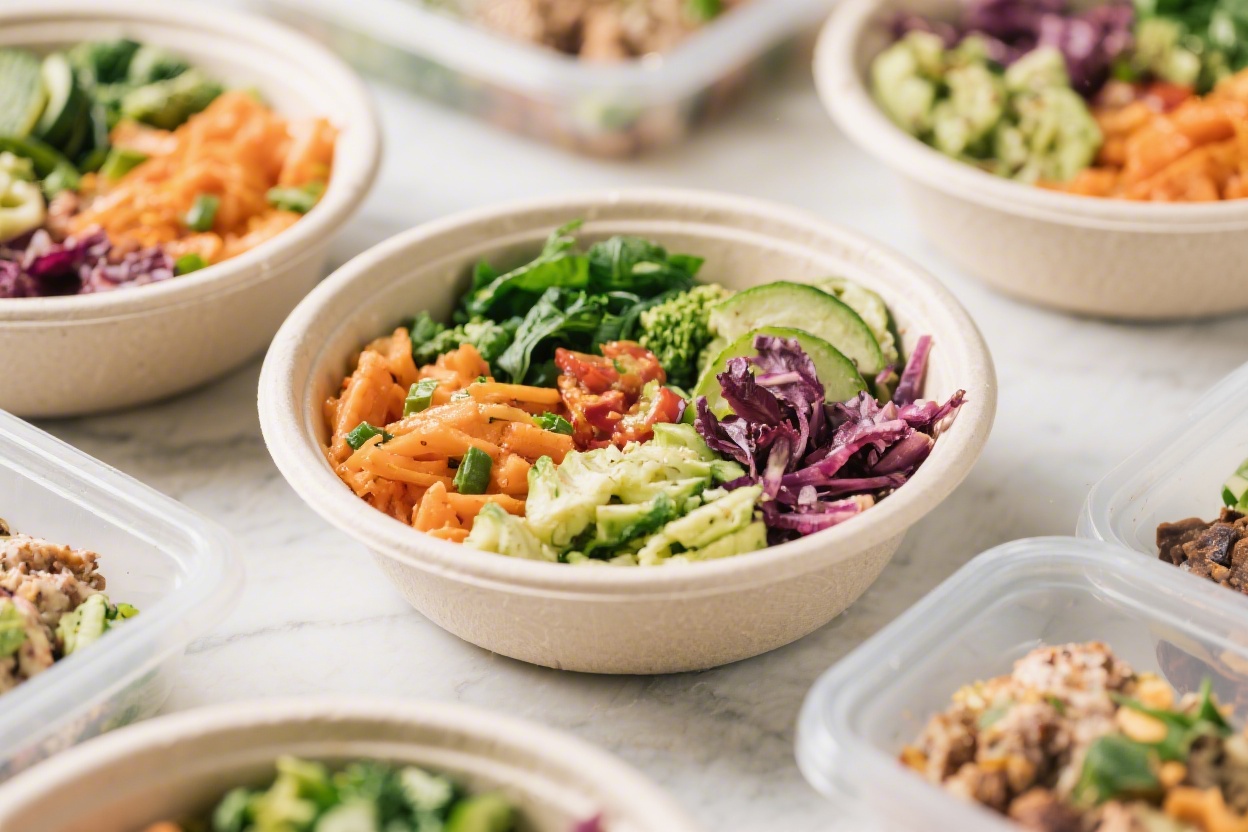
Meal prep doesn’t have to be complicated to be satisfying. These vegan freezer prep lunch bowls are packed with whole grains, colorful veggies, and plant protein you can pull out on your busiest days. They reheat beautifully, taste fresh, and keep you full without feeling heavy.
You’ll batch-cook a few components, mix and match, and freeze in portions. When lunchtime hits, you’re minutes away from a warm, balanced meal that actually tastes good.
Contents
- 1 Why This Recipe Works
- 2 What You’ll Need
- 3 Step-by-Step Instructions
- 4 Keeping It Fresh
- 5 Health Benefits
- 6 Common Mistakes to Avoid
- 7 Variations You Can Try
- 8 FAQ
- 8.1 Can I use frozen vegetables to start?
- 8.2 How long do these bowls last in the freezer?
- 8.3 What’s the best way to prevent soggy grains?
- 8.4 Can I make them gluten-free?
- 8.5 How do I reheat without a microwave?
- 8.6 Do the sauces really freeze well?
- 8.7 Can I add avocado?
- 8.8 What portion sizes work for lunch?
- 9 Wrapping Up
Why This Recipe Works
- Batch-friendly base ingredients: Grains, beans, and roasted veggies all handle freezing and reheating well without turning mushy.
- Mix-and-match flavors: A neutral base plus bold sauces keeps things interesting all week without a new recipe every day.
- Balanced nutrition: Each bowl packs protein, fiber, complex carbs, and healthy fats to keep energy steady.
- Efficient prep: One oven session and two pots cover everything. You’ll assemble 8–10 bowls in under two hours.
- Freezer-ready portions: The bowls freeze flat, stack neatly, and reheat fast for grab-and-go convenience.
What You’ll Need
- Grains (choose 1–2): 2 cups dry brown rice, quinoa, or farro
- Protein: 3 cups cooked chickpeas or black beans (canned and drained works), plus 1 block (14 oz) extra-firm tofu or 2 cups tempeh
- Roasting veggies: 2 medium sweet potatoes, 2 bell peppers, 1 red onion, 1 small head broccoli, 1 small head cauliflower
- Greens: 5–6 cups kale or spinach (lightly sautéed or steamed)
- Sauces (pick 1–2): Tahini lemon sauce, peanut-ginger sauce, or salsa verde (store-bought or homemade)
- Flavor boosters: Garlic, fresh or dried herbs, smoked paprika, cumin, chili flakes
- Pantry staples: Olive oil or avocado oil, soy sauce or tamari, salt, black pepper, maple syrup or agave, apple cider vinegar or rice vinegar
- Optional add-ins: Frozen corn, edamame, peas; roasted chickpeas for crunch; pumpkin seeds or sliced almonds
- Containers: 8–10 freezer-safe containers (3–4 cup capacity) with tight lids or heavy-duty freezer bags
Step-by-Step Instructions
- Cook the grains. Rinse and cook 2 cups dry grain according to package instructions.Fluff with a fork, season lightly with salt and a splash of vinegar for brightness, and cool on a sheet pan.
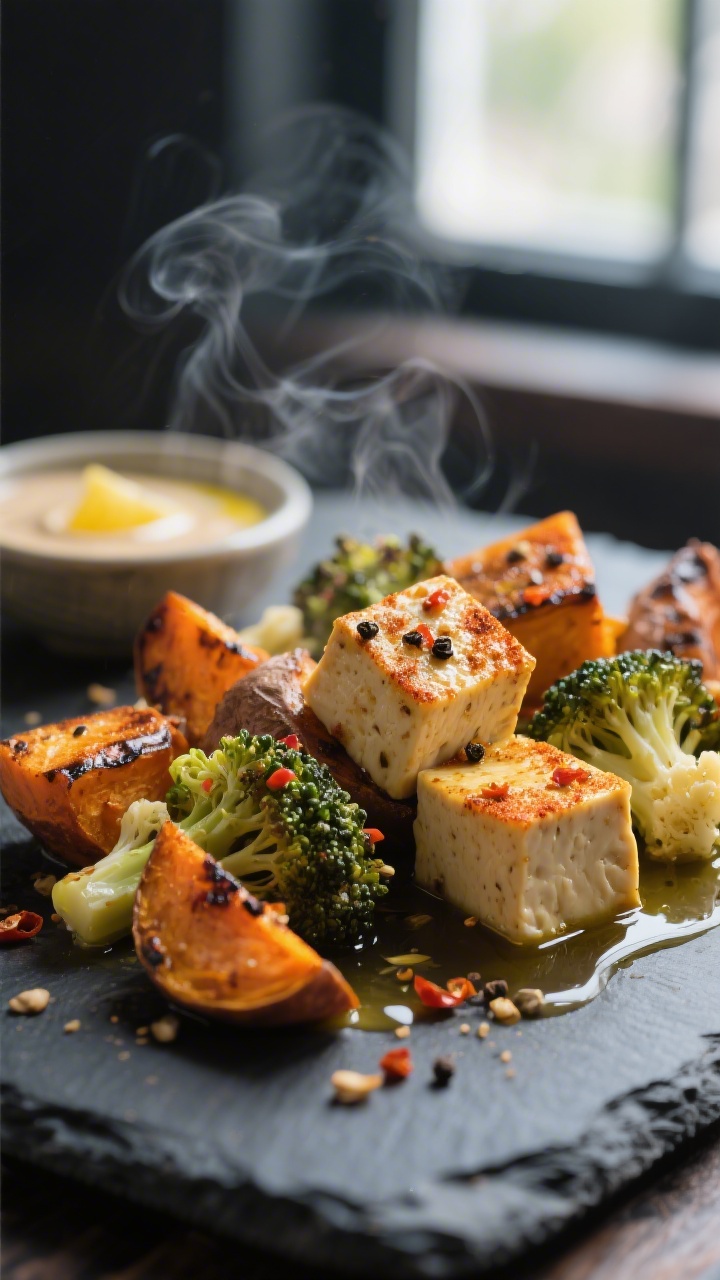
- Prep the tofu or tempeh. Press tofu 15–20 minutes to remove excess moisture. Cube tofu or slice tempeh. Toss with 1 tablespoon oil, 2 tablespoons tamari, 1 teaspoon maple syrup, 1 teaspoon smoked paprika, and black pepper.Air-fry or bake at 400°F (200°C) for 15–20 minutes until edges are golden.
- Roast the vegetables. Dice sweet potatoes, bell peppers, and onion. Cut broccoli and cauliflower into florets. Toss with 2–3 tablespoons oil, 1 teaspoon salt, 1 teaspoon cumin, and 1 teaspoon smoked paprika.Roast at 425°F (220°C) for 20–30 minutes, flipping once, until tender with charred edges.
- Cook the beans (if using dry). If starting from dry, cook until tender and season with salt. If using canned, drain and rinse, then toss with 1 tablespoon olive oil, 1 teaspoon chili powder, and a pinch of salt. Warm briefly in a skillet to bloom spices.
- Sauté the greens. In a large skillet, add 1 teaspoon oil and a clove of minced garlic.Add kale or spinach with a pinch of salt. Cook 2–3 minutes until just wilted. Squeeze in lemon juice to keep color bright.
- Make a freezer-friendly sauce. For tahini lemon: whisk 1/2 cup tahini, juice of 1–2 lemons, 1 teaspoon maple syrup, 1 small grated garlic clove, salt, pepper, and enough water to thin.For peanut-ginger: whisk 1/3 cup peanut butter, 1 tablespoon soy sauce, 1 tablespoon maple, 1 tablespoon rice vinegar, grated ginger, and water to thin. Adjust to taste.
- Cool everything. Let grains, proteins, and veggies cool to room temp. Do not pack hot food into the freezer—this causes ice crystals and soggy textures.
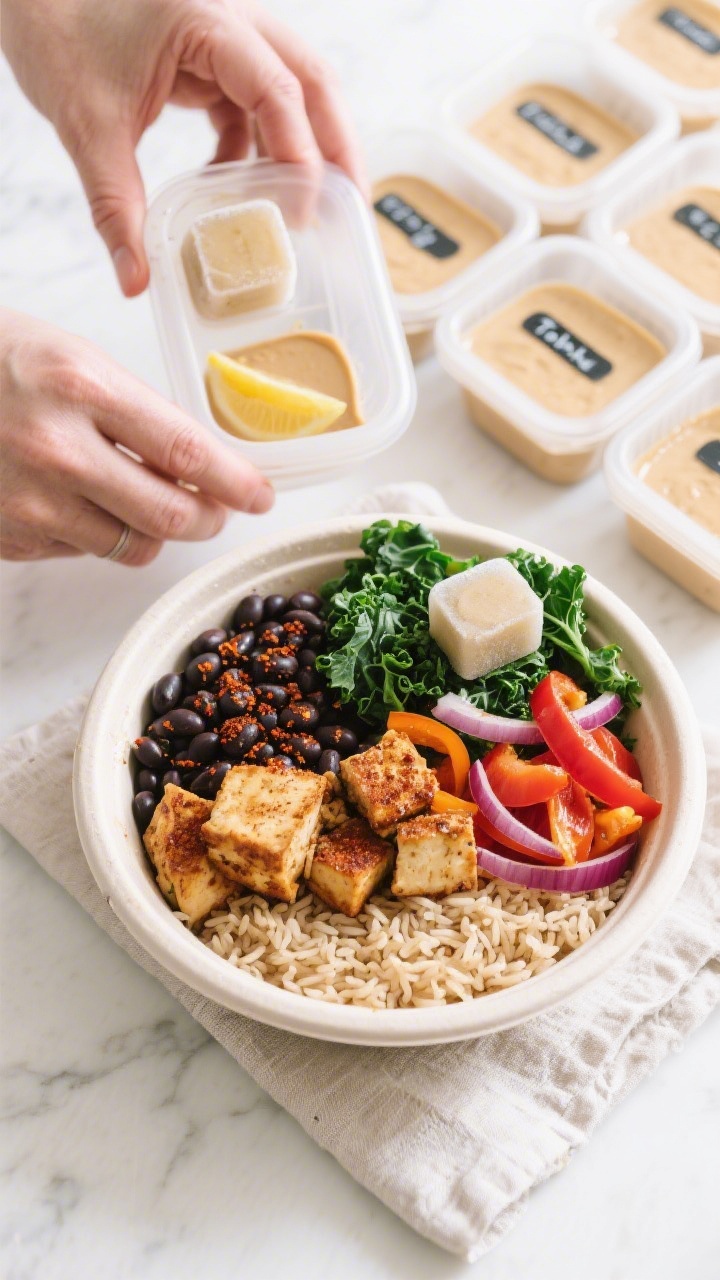
- Assemble the bowls. Divide grains among containers (about 3/4–1 cup each). Add a large scoop of beans and tofu/tempeh.Top with roasted veggies and a handful of greens. Keep sauce separate in small containers or freeze sauce as cubes (ice tray) and add 1–2 cubes per bowl.
- Label and freeze. Label each container with contents and date. Seal tightly, removing excess air.Freeze flat if using bags. Bowls keep well for up to 3 months.
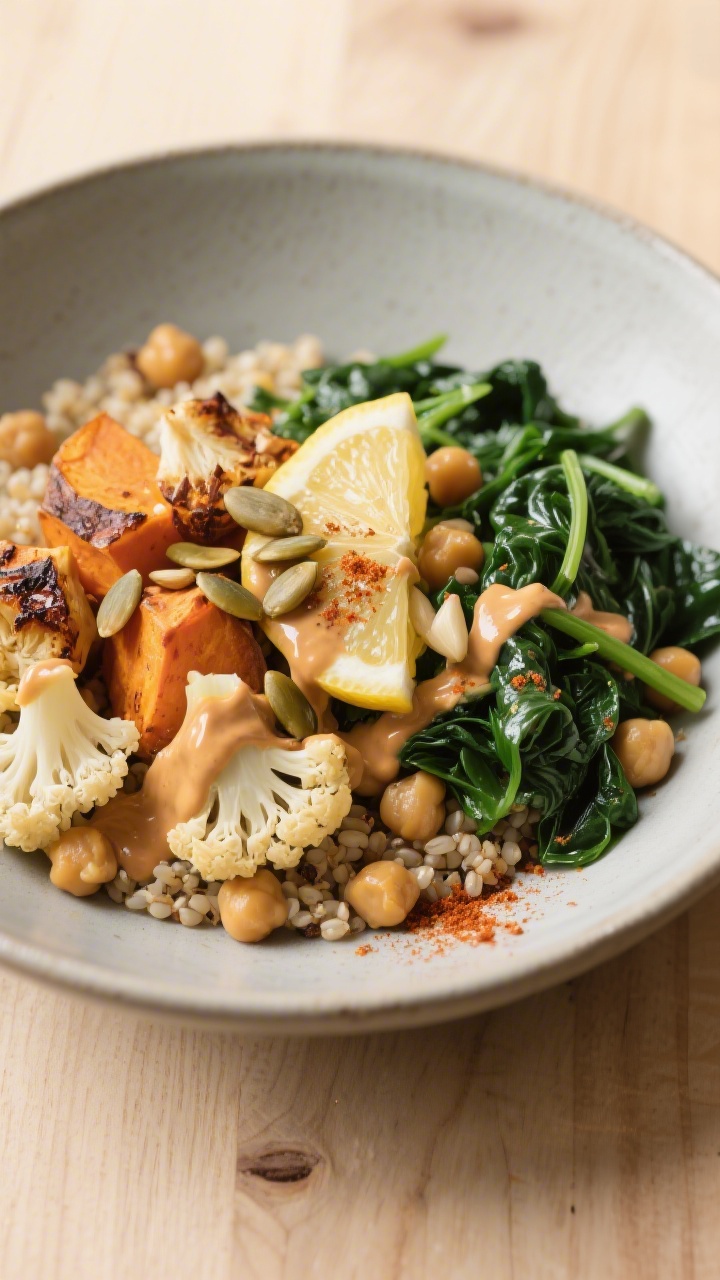
- Reheat and finish. Microwave from frozen 4–6 minutes, stirring halfway, or thaw overnight in the fridge and reheat 2–3 minutes. Add sauce after reheating.Finish with a squeeze of lemon and a sprinkle of seeds for crunch.
Keeping It Fresh
- Layer smart: Put grains on the bottom, then proteins, then veggies. Keep sauces separate until serving to prevent sogginess.
- Avoid high-water veggies: Raw cucumbers and tomatoes get mushy when frozen. Add them fresh on serving day if you want.
- Cool completely before freezing: This reduces ice buildup and helps food keep its texture.
- Use airtight containers: Freezer burn happens when air hits food.Press plastic wrap directly onto food surface before sealing if using larger containers.
- Portion right: Aim for 2–2.5 cups per bowl. It reheats more evenly and prevents waste.
Health Benefits
- High fiber: Whole grains, beans, and vegetables support digestion and help keep you satisfied between meals.
- Plant protein: Beans, tofu, and tempeh provide complete nutrition when paired with grains, supporting muscle repair and steady energy.
- Healthy fats: Tahini, nuts, and seeds add unsaturated fats that support heart health and help absorb fat-soluble vitamins.
- Micronutrient-rich: Leafy greens and colorful veggies bring iron, folate, vitamin C, beta-carotene, and antioxidants.
- Steady blood sugar: A mix of complex carbs, fiber, and protein helps avoid midday crashes.
Common Mistakes to Avoid
- Packing food while hot: Traps steam, causes ice crystals, and ruins texture. Always cool first.
- Using delicate greens raw: Raw spinach turns slimy in the freezer.Lightly sauté or add fresh after reheating.
- Over-saucing before freezing: Sauces thicken or separate. Freeze separately or add after reheating.
- Skipping seasoning: Frozen meals need a touch more seasoning. Taste as you go—salt, acid, and spices matter.
- Ignoring moisture balance: Pat tofu dry and roast veggies well to avoid watery bowls after thawing.
Variations You Can Try
- Mexican-inspired: Brown rice, black beans, roasted corn and peppers, cilantro-lime tofu, salsa verde, and avocado added fresh.
- Mediterranean: Quinoa, chickpeas, roasted eggplant and zucchini, garlicky greens, lemon-tahini sauce, olives added fresh.
- Thai-leaning: Jasmine rice, edamame, roasted sweet potato and broccoli, peanut-ginger sauce, lime and chili flakes.
- Smoky BBQ: Farro, pinto beans, BBQ-spiced tofu, roasted cauliflower, quick cabbage slaw added fresh after reheating.
- Supergreen: Brown rice, lentils, sautéed kale and peas, herby chimichurri (oil-based sauces freeze well), pumpkin seeds on top.
FAQ
Can I use frozen vegetables to start?
Yes.
Use frozen broccoli, cauliflower, or mixed veggies to save time. Roast straight from frozen at a higher heat (425–450°F) to drive off moisture and get some browning.
How long do these bowls last in the freezer?
For best quality, use within 3 months. They’re safe beyond that, but texture and flavor can fade.
What’s the best way to prevent soggy grains?
Cook grains al dente, spread to cool, and don’t add sauce before freezing.
Reheat uncovered first, then toss with sauce right before eating.
Can I make them gluten-free?
Absolutely. Choose gluten-free grains like brown rice or quinoa, and use tamari instead of soy sauce. Always check labels on sauces and seasonings.
How do I reheat without a microwave?
Thaw overnight, then warm in a skillet with a splash of water or broth, stirring until hot.
You can also reheat covered in the oven at 350°F for 15–20 minutes.
Do the sauces really freeze well?
Tahini and peanut sauces freeze fine, though they may thicken. Thin with warm water or lemon juice after reheating. Oil-based herb sauces hold especially well.
Can I add avocado?
Add fresh after reheating for the best texture.
Frozen avocado tends to darken and turn mushy.
What portion sizes work for lunch?
Aim for 3/4–1 cup grains, 3/4–1 cup veggies, and 1 cup combined proteins per bowl. Adjust based on your appetite and goals.
Wrapping Up
Freezer prep lunch bowls turn a couple of weekend hours into a week (or month) of easy, nourishing meals. Keep the base simple, lean on bold sauces, and freeze in ready-to-reheat portions.
You’ll waste less, spend less, and eat better without thinking too hard about it. Make a batch now, thank yourself later.
Printable Recipe Card
Want just the essential recipe details without scrolling through the article? Get our printable recipe card with just the ingredients and instructions.