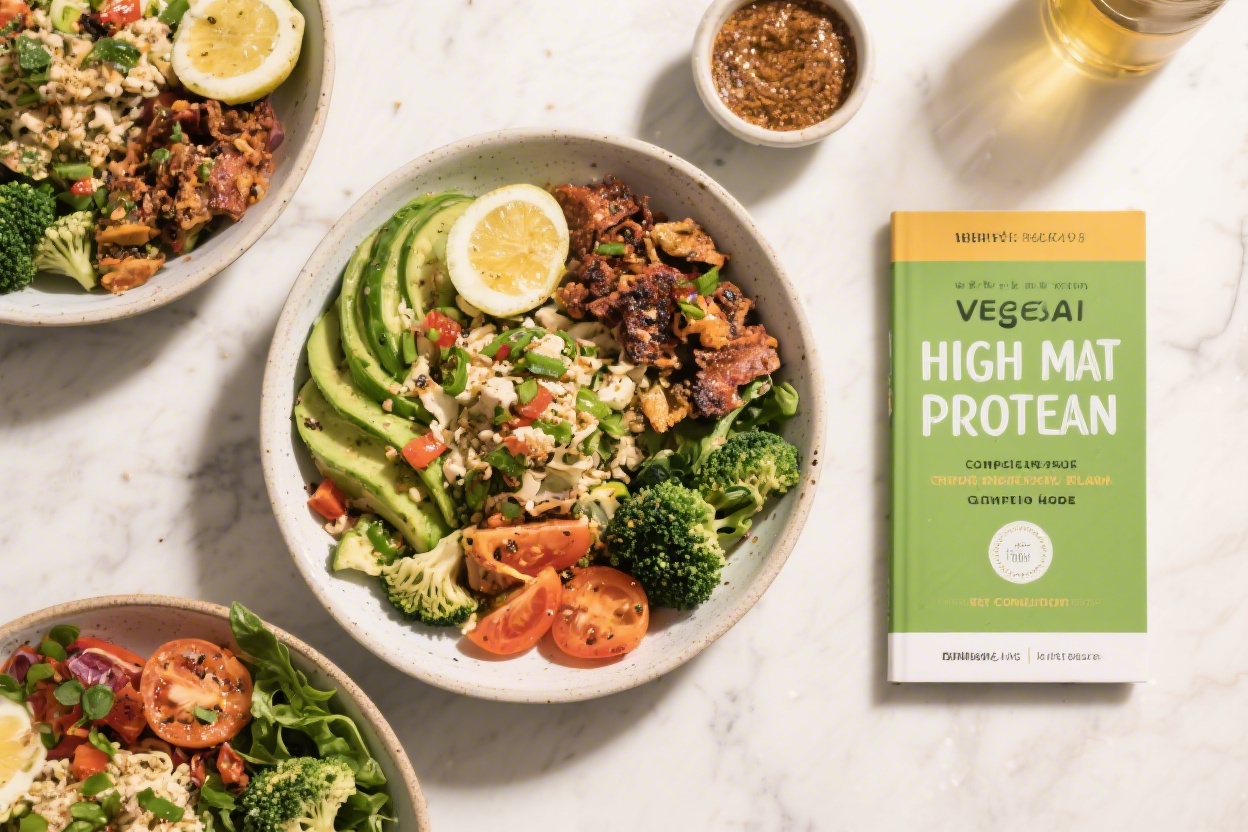
Looking to eat more plants without losing out on protein? This guide lays out a simple, high-protein vegan plan that’s easy to follow and built around everyday ingredients. You’ll get a full day of meals that hit your protein goals, plus tips to batch cook, swap ingredients, and stay full.
No complicated prep, no rare superfoods. Just straightforward recipes that taste good, keep you energized, and support your health and fitness.
Contents
- 1 Why This Recipe Works
- 2 Shopping List
- 3 Instructions
- 4 How to Store
- 5 Benefits of This Recipe
- 6 Pitfalls to Watch Out For
- 7 Alternatives
- 8 FAQ
- 8.1 How much protein does this daily plan provide?
- 8.2 Can I prep everything for the whole week?
- 8.3 Do I need protein powder?
- 8.4 What if I don’t like tofu?
- 8.5 How do I get enough iron and B12 on this plan?
- 8.6 Is this suitable for weight loss?
- 8.7 What about athletes or heavy training days?
- 8.8 Can I make it kid-friendly?
- 9 Wrapping Up
Why This Recipe Works
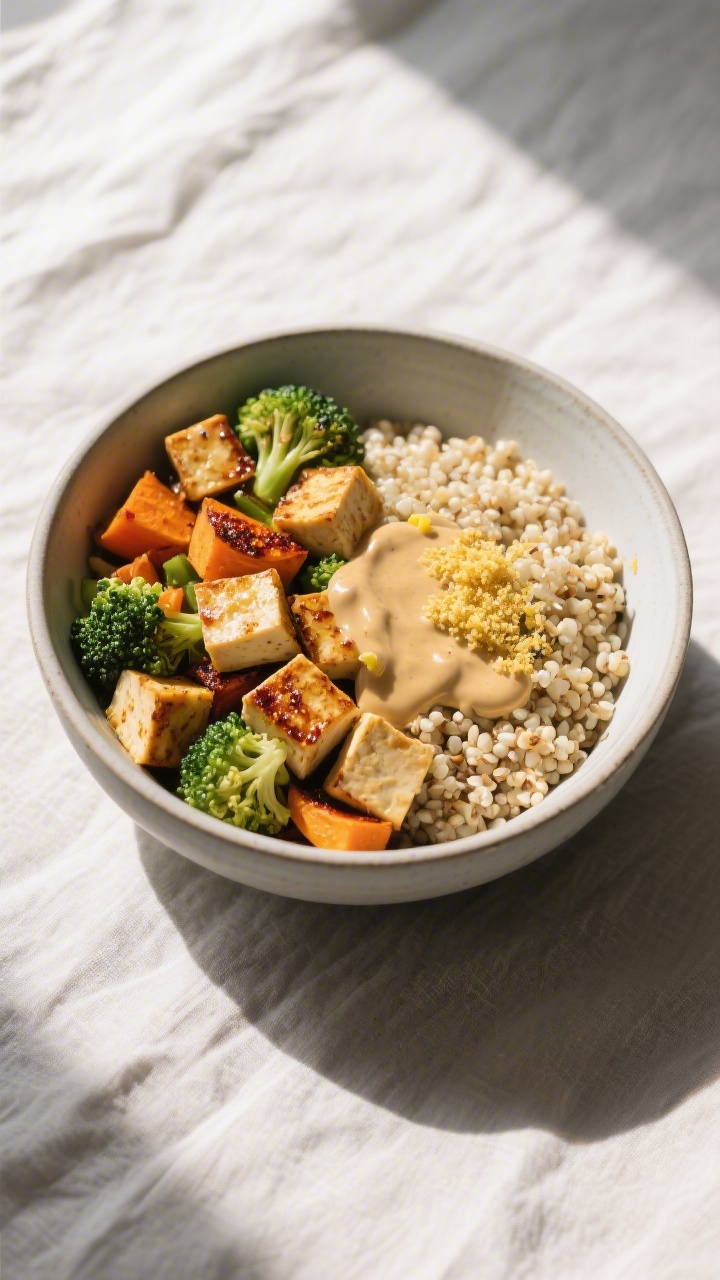
This plan centers on whole foods that naturally pack protein: tofu, tempeh, lentils, quinoa, edamame, and soy yogurt. Each meal balances protein with fiber, healthy fats, and complex carbs so you stay full longer.
It uses overlapping ingredients to reduce waste and save money. You can prep most components ahead, which makes weekday eating stress-free. Most importantly, the flavors are simple and flexible, so you’ll actually want to stick with it.
Shopping List
- Proteins: Extra-firm tofu (2 blocks), tempeh (1 block), canned lentils (2 cans) or dry lentils (1 lb), edamame (frozen, 1 bag), unsweetened soy yogurt, chickpeas (2 cans), peanut butter or almond butter
- Grains: Quinoa (1–2 cups dry), rolled oats, whole-grain wraps or pitas, brown rice (optional)
- Vegetables: Spinach or kale, cherry tomatoes, cucumbers, mixed salad greens, bell peppers, red onion, broccoli, carrots, zucchini, sweet potatoes
- Fruits: Bananas, berries (fresh or frozen), apples, lemons or limes
- Flavor and Pantry: Olive oil, soy sauce or tamari, tahini, hummus, vegetable broth, garlic, ginger, chili flakes, cumin, smoked paprika, curry powder, salt, pepper, maple syrup or agave, nutritional yeast
- Extras: Chia seeds or ground flaxseed, pumpkin seeds, whole-grain bread, salsa, sriracha
Instructions
- Prep the basics (60–90 minutes on the weekend):
- Cook 2 cups dry quinoa in vegetable broth; chill.
- Roast a sheet pan of broccoli, carrots, and sweet potatoes (olive oil, salt, pepper, smoked paprika) at 400°F/200°C for 25–30 minutes.
- Press and cube 1 block tofu; bake at 400°F/200°C for 25 minutes after tossing in soy sauce and a drizzle of oil.
- Steam or microwave a few cups of edamame.
- Chop salad veggies (peppers, cucumbers, tomatoes, red onion) and store separately.
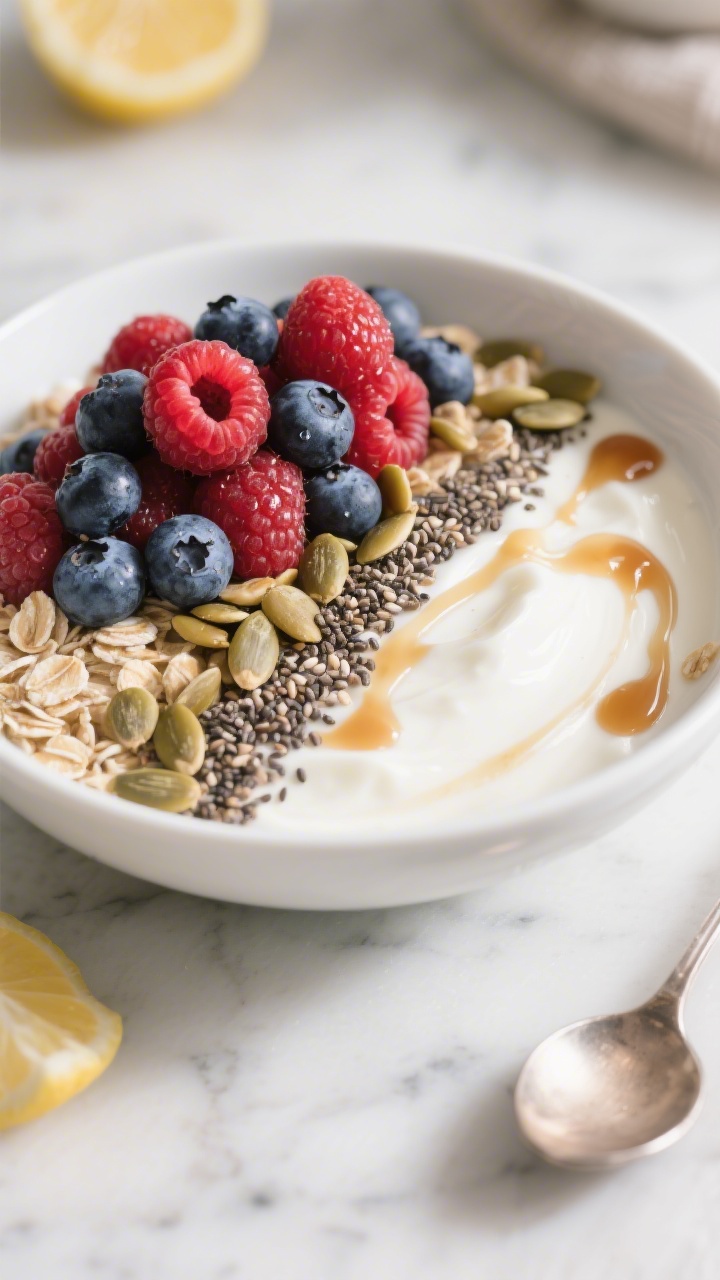
- Breakfast: Protein-Packed Berry Soy Yogurt Bowl
- Mix 1 cup unsweetened soy yogurt with 1/4 cup rolled oats.
- Top with 1 cup berries, 1 tbsp chia or ground flax, and 1–2 tbsp pumpkin seeds.
- Optional: drizzle of maple syrup.This gives a solid protein base plus fiber.
- Snack 1: Peanut Butter Banana Oats
- Stir 1/3 cup dry oats into hot water or soy milk.
- Top with 1 tbsp peanut butter and banana slices. Add cinnamon for flavor.
- Lunch: Tofu Quinoa Power Bowl
- Layer 1 cup cooked quinoa, 1 cup roasted veggies, and 4–6 oz baked tofu.
- Drizzle with a quick sauce: 1 tbsp tahini, 1 tsp soy sauce, lemon juice, water to thin.
- Finish with a sprinkle of nutritional yeast for umami and extra B vitamins.
- Snack 2: Hummus and Veg Wrap
- Spread 3 tbsp hummus on a whole-grain wrap.
- Add spinach, cucumbers, and bell peppers. Roll tight and slice.
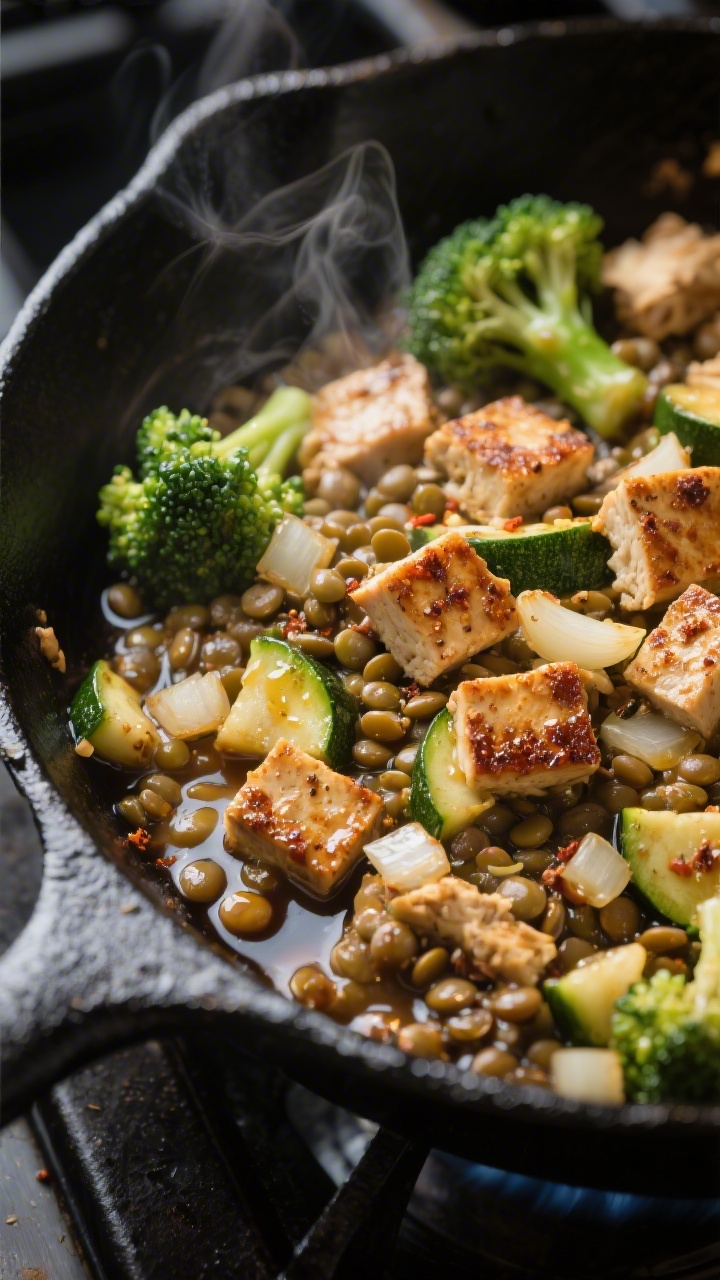
- Dinner: Tempeh Lentil Skillet
- Sauté 1 diced onion with garlic and ginger in olive oil until soft.
- Crumble 1/2 block tempeh into the pan; brown for 5–7 minutes.
- Add 1 can lentils (rinsed), 1–2 cups chopped zucchini and broccoli, 1 tsp cumin, 1 tsp smoked paprika, salt, and pepper.
- Splash with soy sauce and a bit of vegetable broth; simmer 5 minutes.
- Serve over 3/4 cup quinoa or brown rice.Top with sriracha if you like heat.
- Evening option (if needed): Soy yogurt with a handful of edamame or an apple with 1 tbsp almond butter for a final protein boost.
How to Store
- Cooked grains and legumes: Store in airtight containers for up to 4 days in the fridge or freeze for 1–2 months.
- Tofu and tempeh: Baked tofu keeps 4 days refrigerated. Tempeh skillet tastes best within 3 days. Reheat gently to avoid drying out.
- Chopped vegetables: Keep dry and separate in sealed containers; add dressings right before eating.
- Yogurt bowls and oats: Assemble fresh or prep overnight portions for 2–3 days.
- Sauces: Tahini and soy-based sauces last 5–7 days in the fridge.
Benefits of This Recipe
- High protein from plants: Tofu, tempeh, lentils, soy yogurt, and edamame deliver complete or complementary proteins.
- Steady energy: Balanced carbs, fat, and fiber help control hunger and support workouts.
- Nutrient-dense: Vegetables, seeds, and legumes pack iron, folate, magnesium, and antioxidants.
- Budget-friendly and scalable: Overlapping ingredients and batch cooking reduce cost and time.
- Flexible flavors: Easy to swap spices and veggies so you don’t get bored.
Pitfalls to Watch Out For
- Undereating protein: If you’re active, aim for roughly 0.7–1.0 g protein per pound of goal body weight.Add extra tofu, tempeh, or edamame if needed.
- Low calories: Vegan meals can be light. Include healthy fats (tahini, nuts, olive oil) and hearty grains to meet energy needs.
- Micronutrient gaps: Pay attention to vitamin B12, vitamin D, iodine, and omega-3s. Consider fortified foods or supplements as needed.
- Bland flavors: Season generously.Use acids (lemon, lime), umami (soy sauce, nutritional yeast), and fresh herbs.
- Meal fatigue: Rotate proteins and spice blends weekly to keep meals exciting.
Alternatives
- Gluten-free: Choose corn tortillas, gluten-free wraps, and tamari instead of soy sauce. Quinoa and rice are naturally gluten-free.
- Soy-free: Swap tofu/tempeh/soy yogurt for chickpeas, seitan (if not gluten-free), lupini beans, pea-protein yogurt, or hemp tofu.
- Higher calories: Add avocado, extra tahini, nuts, and larger grain portions.
- Lower carbs: Emphasize tofu/tempeh/edamame and non-starchy veggies; reduce grains and sweet potatoes.
- Flavor profiles: Try curry paste and coconut milk for the skillet, harissa for bowls, or a citrus-ginger dressing.
FAQ
How much protein does this daily plan provide?
Depending on portion sizes, you’ll land around 90–120 grams per day. Increase tofu, tempeh, and edamame or add a pea or soy protein smoothie to push higher if you’re very active.
Can I prep everything for the whole week?
Yes, but for best texture, prep grains, roasted veg, and proteins up to 4 days ahead.
Freeze extra quinoa and lentils. Assemble salads and wraps fresh to keep them crisp.
Do I need protein powder?
No, not if you eat enough legumes, soy, and grains. Protein powder is convenient but optional.
It’s helpful on busy days or for post-workout recovery.
What if I don’t like tofu?
Use tempeh, chickpeas, seitan (if you eat gluten), or crispy baked lentil patties. Season well and try different marinades to match your taste.
How do I get enough iron and B12 on this plan?
Iron is abundant in lentils, chickpeas, tofu, pumpkin seeds, and leafy greens. Pair with vitamin C (lemon, peppers) to boost absorption.
For B12, rely on fortified foods or a reliable supplement, since B12 is not naturally abundant in plants.
Is this suitable for weight loss?
It can be. High protein and fiber increase fullness. Control portions of grains and fats, and load up on vegetables.
Track intake for a few days to find your calorie sweet spot.
What about athletes or heavy training days?
Increase total calories and protein by adding an extra protein snack or smoothie, larger grain portions, and more tofu or tempeh at meals. Include electrolytes and extra carbs around workouts.
Can I make it kid-friendly?
Yes. Keep spices mild, serve sauces on the side, and offer fun shapes like wraps and bowls they can build themselves.
Add fruit and crunchy veg for balance.
Wrapping Up
This vegan high-protein plan is simple, flexible, and realistic for busy weeks. Prep a few staples once, mix and match through the week, and season boldly. With smart swaps and balanced portions, you’ll meet your protein needs, feel satisfied, and enjoy every bite.
Keep it consistent, make small tweaks as you go, and you’ll find a rhythm that fits your lifestyle.
Printable Recipe Card
Want just the essential recipe details without scrolling through the article? Get our printable recipe card with just the ingredients and instructions.