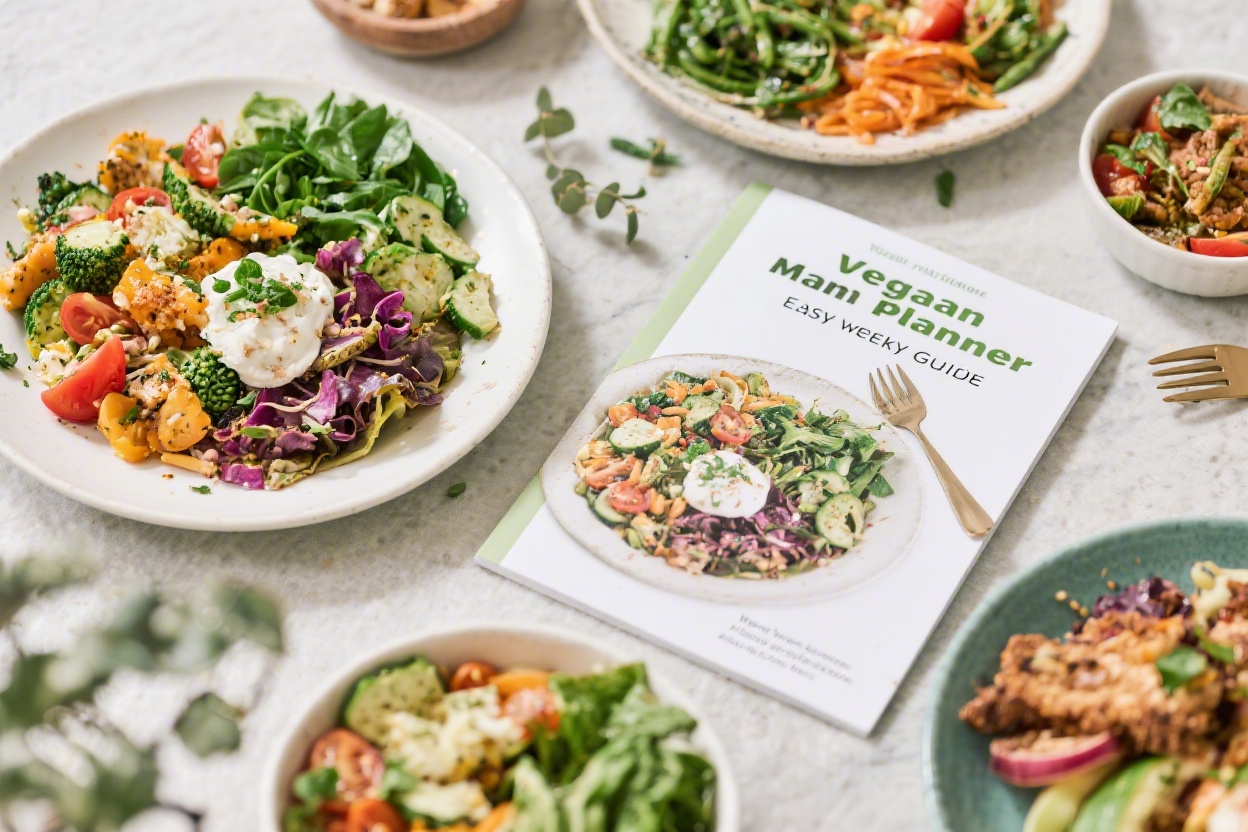
Planning vegan meals for the week doesn’t have to be complicated. With a little structure, you can save time, reduce food waste, and always know what’s for dinner. This guide walks you through a straightforward weekly plan with simple, tasty meals and smart prep tips.
Whether you’re new to plant-based eating or just want an easier routine, this plan helps you stay organized and well-fed. No fancy ingredients or chef skills required—just practical steps that work.
Contents
- 1 What Makes This Special
- 2 What You’ll Need
- 3 Step-by-Step Instructions
- 4 How to Store
- 5 Health Benefits
- 6 Common Mistakes to Avoid
- 7 Recipe Variations
- 8 FAQ
- 8.1 How do I get enough protein on this plan?
- 8.2 Can I do this if I’m short on time?
- 8.3 What if I don’t like tofu?
- 8.4 How do I keep meals from getting boring?
- 8.5 Is this plan kid-friendly?
- 8.6 What about snacks?
- 8.7 Can I freeze the meals?
- 8.8 How do I budget for this?
- 8.9 Do I need supplements?
- 8.10 How can I add more calories if I’m very active?
- 9 Wrapping Up
What Makes This Special
This weekly guide focuses on simple, repeatable meals that use a small set of ingredients in different ways. You’ll cook once and eat twice, so you spend less time in the kitchen.
The menu balances protein, fiber, and healthy fats to keep you full and energized. There’s room to swap ingredients based on what you have, and the plan is budget-friendly. Best of all, the flavors are fresh, comforting, and easy to customize.
What You’ll Need
- Proteins: Canned chickpeas, black beans, lentils (dry or canned), extra-firm tofu, tempeh
- Grains and starches: Brown rice, quinoa, whole-wheat pasta, rolled oats, sweet potatoes, tortillas
- Vegetables: Bell peppers, onions, garlic, cherry tomatoes, cucumbers, spinach, kale, broccoli, carrots, zucchini
- Fruits: Bananas, berries (fresh or frozen), lemons/limes, apples
- Healthy fats: Avocado, olive oil, tahini, peanut butter or almond butter, nuts and seeds (pumpkin, chia, hemp, sunflower)
- Flavor boosters: Soy sauce or tamari, nutritional yeast, cumin, chili powder, paprika, Italian seasoning, curry powder, smoked paprika, salt and pepper
- Condiments: Salsa, mustard, hot sauce, balsamic vinegar, maple syrup
- Basics for dressings: Olive oil, lemon juice, tahini, garlic, Dijon mustard
Step-by-Step Instructions
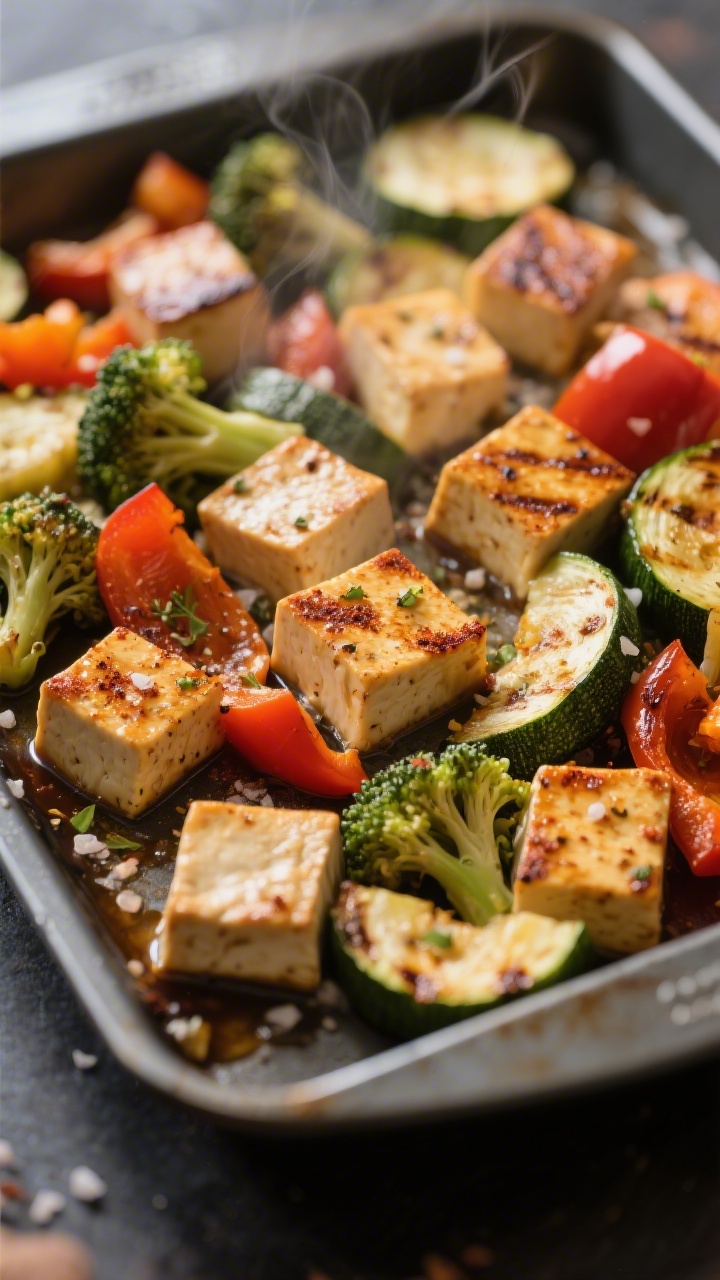
- Plan Your Week (10 minutes): Choose 3 mains you’ll cook and stretch into multiple meals: a grain bowl base, a hearty soup or stew, and a sheet-pan tofu and veggies.Add two quick breakfasts and two easy lunches.
- Make a Smart Shopping List: Group items by category. Aim for overlapping ingredients. For example, buy one big bag of greens for smoothies, salads, and sautés.
- Batch Cook Grains: Cook 2 cups dry brown rice and 1 cup dry quinoa.Cool and store in separate containers. These form the base of bowls, salads, and quick stir-fries.
- Prep Proteins: Press and cube tofu; toss with soy sauce, garlic powder, and smoked paprika. Roast on a sheet pan at 400°F (200°C) for 25–30 minutes.Cook a pot of lentils or rinse canned beans.
- Roast a Tray of Veggies: Chop broccoli, carrots, bell peppers, and zucchini. Toss with olive oil, salt, pepper, and Italian seasoning. Roast at 400°F (200°C) for 25 minutes, flipping once.
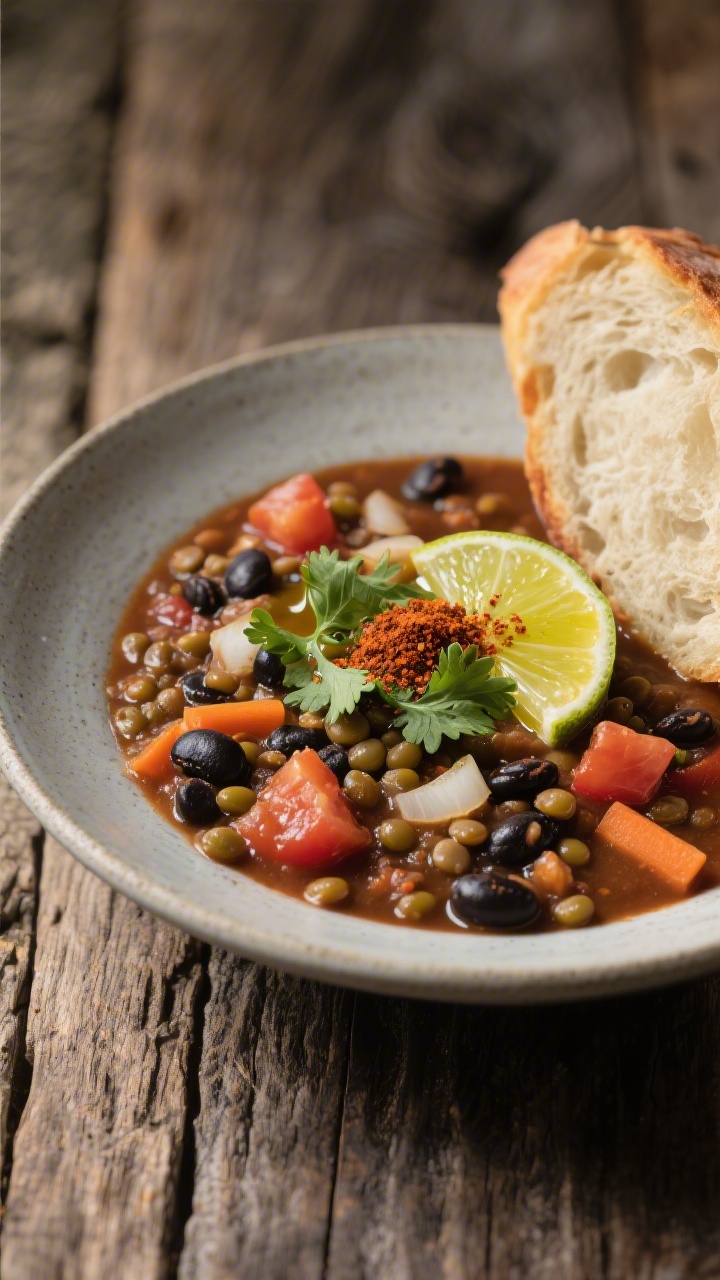
- Make One Big Soup or Stew: In a pot, sauté onion, garlic, and carrots.Add lentils or black beans, diced tomatoes, vegetable broth, cumin, and chili powder. Simmer 25–30 minutes. Finish with lime and cilantro if you like.
- Whip Up Two Dressings:
- Lemon-Tahini: Tahini, lemon juice, water, garlic, salt, pepper.
- Simple Balsamic: Olive oil, balsamic vinegar, Dijon mustard, maple syrup, salt, pepper.
- Assemble Grab-and-Go Breakfasts:
- Overnight oats: Rolled oats, plant milk, chia seeds, maple syrup, berries.
- Smoothie packs: Portion spinach, banana slices, and berries into freezer bags.Blend with plant milk in the morning.
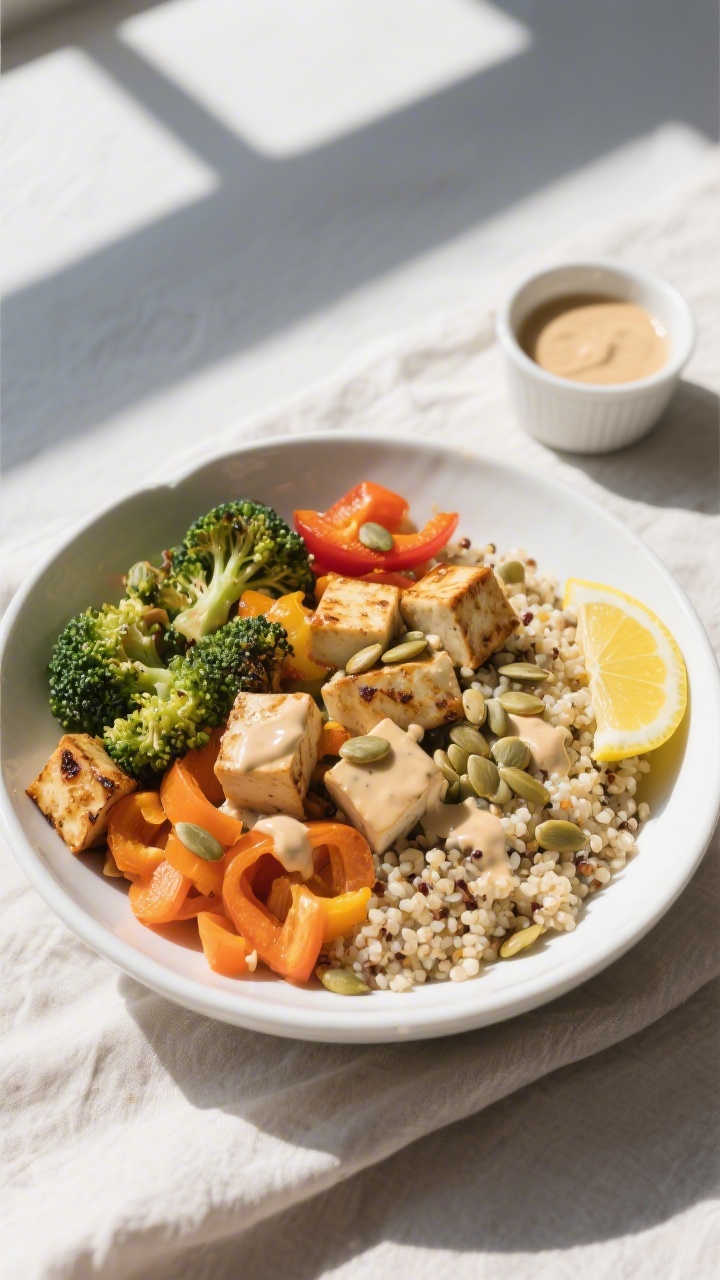
- Pre-portion Lunches: Build 3–4 bowls with quinoa or rice, roasted veggies, tofu, and lemon-tahini. Pack dressing on the side. Add avocado day-of.
- Set Up Quick Dinners: Keep tortillas, salsa, and canned beans ready for tacos.Have pasta, marinara, and spinach for a 15-minute meal. Plan one “free night” for leftovers.
- Label and Store: Use clear containers, write contents and dates, and stack by meal type. Keep sauces and crunchy toppings separate to maintain texture.
- Weekly Menu Example:
- Breakfasts: Overnight oats; green smoothie.
- Lunches: Tofu quinoa bowls; lentil soup.
- Dinners: Sheet-pan tofu and veggies over rice; black bean tacos; pasta with marinara and spinach; curry-style chickpeas with coconut milk and broccoli; leftover night.
- Snacks: Apple with peanut butter; hummus with carrots; mixed nuts; chia pudding.
How to Store
- Grains and beans: Store in airtight containers for up to 4 days in the fridge or freeze for up to 2 months.
- Roasted veggies: Refrigerate up to 4 days.Reheat in a skillet or air fryer to restore crisp edges.
- Tofu: Keep roasted tofu up to 4 days. Reheat in a hot pan for best texture.
- Soups and stews: Refrigerate 4–5 days or freeze up to 3 months. Leave headspace in containers for expansion.
- Dressings: Store 5–7 days.Thin with water or lemon juice if they thicken.
- Overnight oats: 3–4 days in the fridge. Add fresh fruit the day you eat to avoid sogginess.
Health Benefits
- High fiber: Beans, lentils, whole grains, and veggies support digestion and promote steady energy.
- Plant protein: Tofu, tempeh, beans, and lentils help maintain muscle and keep you satisfied.
- Healthy fats: Avocado, nuts, seeds, and tahini support brain function and hormone health.
- Micronutrient-rich: Dark leafy greens, colorful veggies, and berries provide vitamins, minerals, and antioxidants.
- Stable blood sugar: Balanced meals with protein, fiber, and fat can help reduce spikes and crashes.
Common Mistakes to Avoid
- Cooking too many unique dishes: Stick to a few core recipes to avoid burnout and waste.
- Skipping protein: Add a protein source to every meal to stay full longer.
- Forgetting texture: Balance creamy, crunchy, and chewy elements for more satisfying meals.
- Not seasoning enough: Use salt, acid (lemon, vinegar), and spices. Taste as you go.
- Overpacking salads: Keep dressings and watery veggies separate until serving.
- Ignoring leftovers: Plan a weekly “leftover remix” night to clear the fridge.
Recipe Variations
- Mediterranean bowls: Quinoa, chickpeas, cucumber, tomato, olives, hummus, and lemon-tahini.
- Tex-Mex tacos: Black beans, roasted peppers, corn, avocado, salsa, and lime over tortillas.
- Italian pasta night: Whole-wheat pasta, marinara, spinach, mushrooms, and nutritional yeast.
- Curry comfort: Chickpeas simmered in coconut milk with curry powder, garlic, and broccoli over rice.
- Stir-fry swap: Tofu, snap peas, carrots, and broccoli with tamari-ginger sauce over brown rice.
- Breakfast twist: Savory oats with spinach, mushrooms, and a drizzle of tahini.
FAQ
How do I get enough protein on this plan?
Include a protein source in every meal: tofu, tempeh, beans, or lentils.
Aim for about 15–25 grams per meal by pairing proteins with grains and seeds. Add hemp hearts or a sprinkle of nuts to boost totals.
Can I do this if I’m short on time?
Yes. Focus on one batch-cooking session each week—about 90 minutes for grains, protein, roasted veggies, and soup.
The rest of the week becomes assembly and quick reheats.
What if I don’t like tofu?
Swap in tempeh, extra beans, or baked falafel. You can also use store-bought meatless crumbles if you prefer, though whole-food options are more budget-friendly.
How do I keep meals from getting boring?
Rotate sauces and spices. The same bowl tastes new with lemon-tahini one day and a spicy peanut sauce the next.
Change one component each week—try a new grain, bean, or veggie mix.
Is this plan kid-friendly?
Yes. Keep flavors mild, serve sauces on the side, and offer build-your-own bowls or tacos. Include familiar fruits and simple sides like roasted sweet potatoes.
What about snacks?
Choose balanced options: fruit with nut butter, hummus with veggies, coconut yogurt with granola, or a small handful of nuts and seeds.
Keep snacks pre-portioned to make good choices easy.
Can I freeze the meals?
Soups, stews, cooked beans, and grains freeze well. Avoid freezing high-water veggies like cucumbers or dressed salads. Freeze flat in labeled bags for easy stacking.
How do I budget for this?
Buy beans and grains in bulk, choose seasonal produce, and rely on frozen veggies and fruit when prices are high.
Plan overlapping ingredients and repurpose leftovers.
Do I need supplements?
Many vegans take a B12 supplement. Depending on your diet and sun exposure, you may also consider vitamin D, iodine, or omega-3 from algae oil. Check with a healthcare professional for personalized advice.
How can I add more calories if I’m very active?
Add extra grains, avocado, nuts, and seeds.
Smoothies with oats, nut butter, and plant protein powder can easily raise your intake without lots of volume.
Wrapping Up
A vegan week can be smooth, affordable, and delicious with a little planning. Batch a few basics, lean on versatile sauces, and repeat your favorites. Keep it flexible, use what you have, and let leftovers work for you.
With this simple system, you’ll spend less time cooking and more time enjoying every meal.
Printable Recipe Card
Want just the essential recipe details without scrolling through the article? Get our printable recipe card with just the ingredients and instructions.