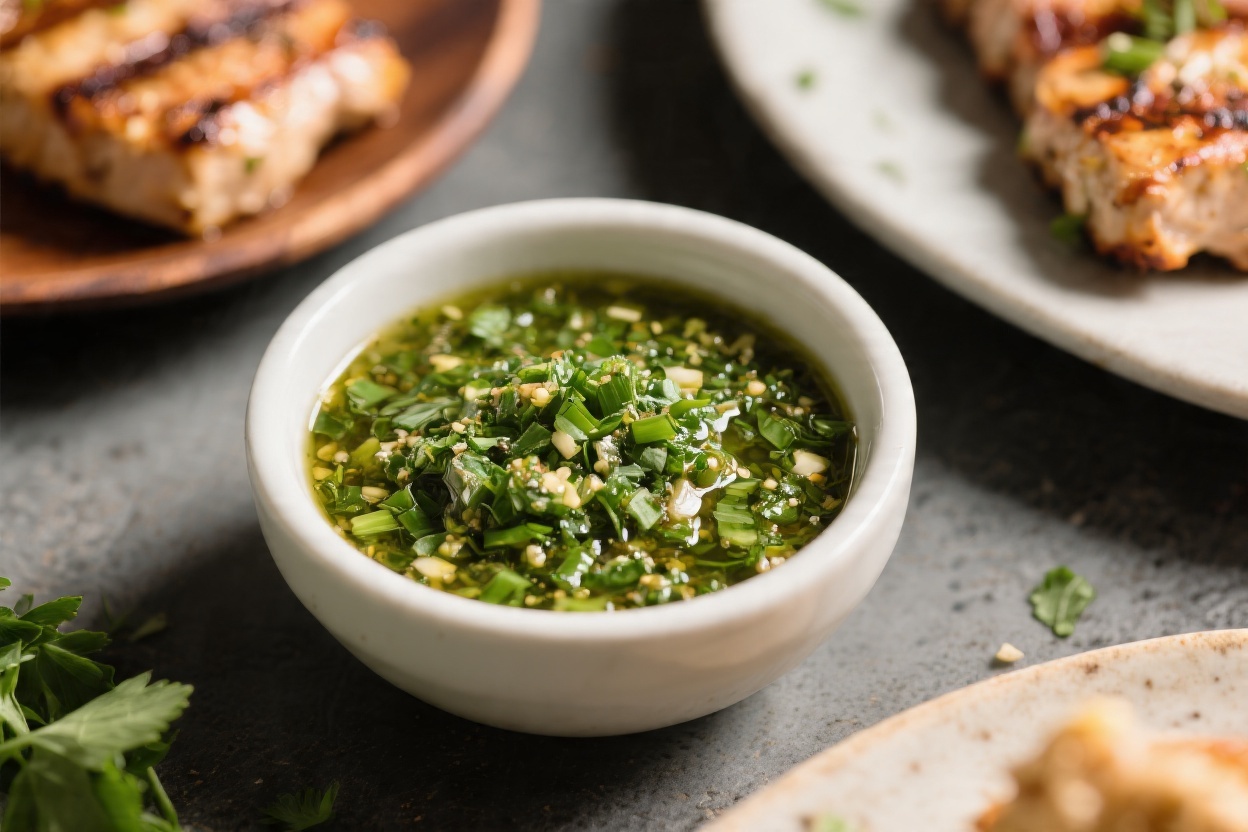
Chimichurri is bold, fresh, and the easiest way to make grilled food taste like you worked way harder than you did. This Argentine-inspired sauce is bright with herbs, a little garlicky, and just the right amount of tangy. It’s perfect spooned over steak, chicken, shrimp, or grilled veggies.
You can even use it as a marinade or a zippy salad dressing. If your summer meals need a lift, this is the one sauce you’ll turn to again and again.
What Makes This Special
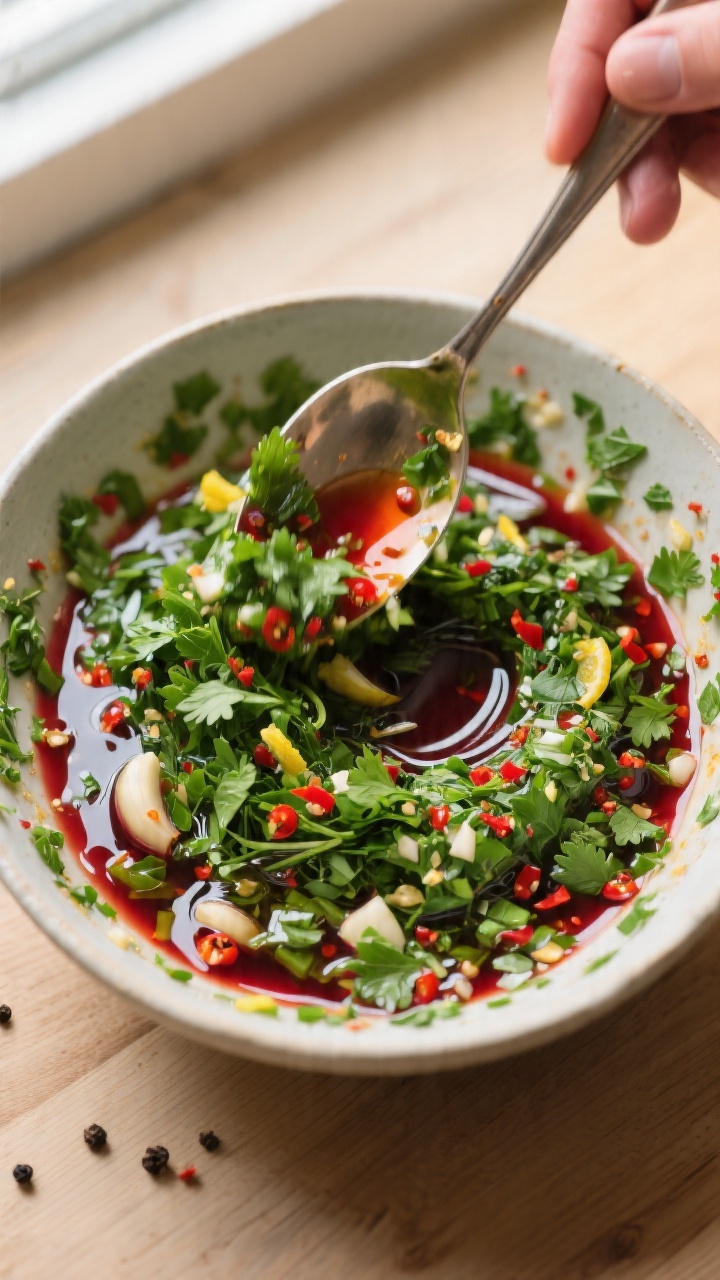
Chimichurri brings big flavor with minimal effort. The combination of fresh parsley, oregano, garlic, olive oil, and vinegar creates a punchy sauce that wakes up anything from ribeye to cauliflower steaks.
It’s ready in 10 minutes and doesn’t require cooking, special tools, or tricky techniques.
It’s also incredibly versatile. Use it as a finishing sauce, a marinade, or a dip. Because it’s herb-forward and not creamy, it feels light and summery, which pairs beautifully with smoky, charred foods from the grill.
Another perk: it’s naturally dairy-free and gluten-free, and you can adjust the heat, acidity, and texture to fit your taste.
Once you get the basics down, you’ll make it on autopilot.
What You’ll Need
- Fresh flat-leaf parsley (1 tightly packed cup, finely chopped) – the star of the show
- Fresh oregano (2 tablespoons, finely chopped) – or 2 teaspoons dried oregano
- Garlic (3–4 cloves, minced) – adjust to taste
- Red wine vinegar (3 tablespoons) – adds brightness
- Extra-virgin olive oil (1/2 cup) – choose a smooth, fruity one if possible
- Red pepper flakes (1/2 to 1 teaspoon) – for gentle heat
- Kosher salt (about 1 teaspoon) – season to preference
- Freshly ground black pepper (1/2 teaspoon)
- Lemon zest (optional, 1/2 teaspoon) – a fresh citrus lift
- Shallot (optional, 1 small, finely minced) – mild onion note
Instructions
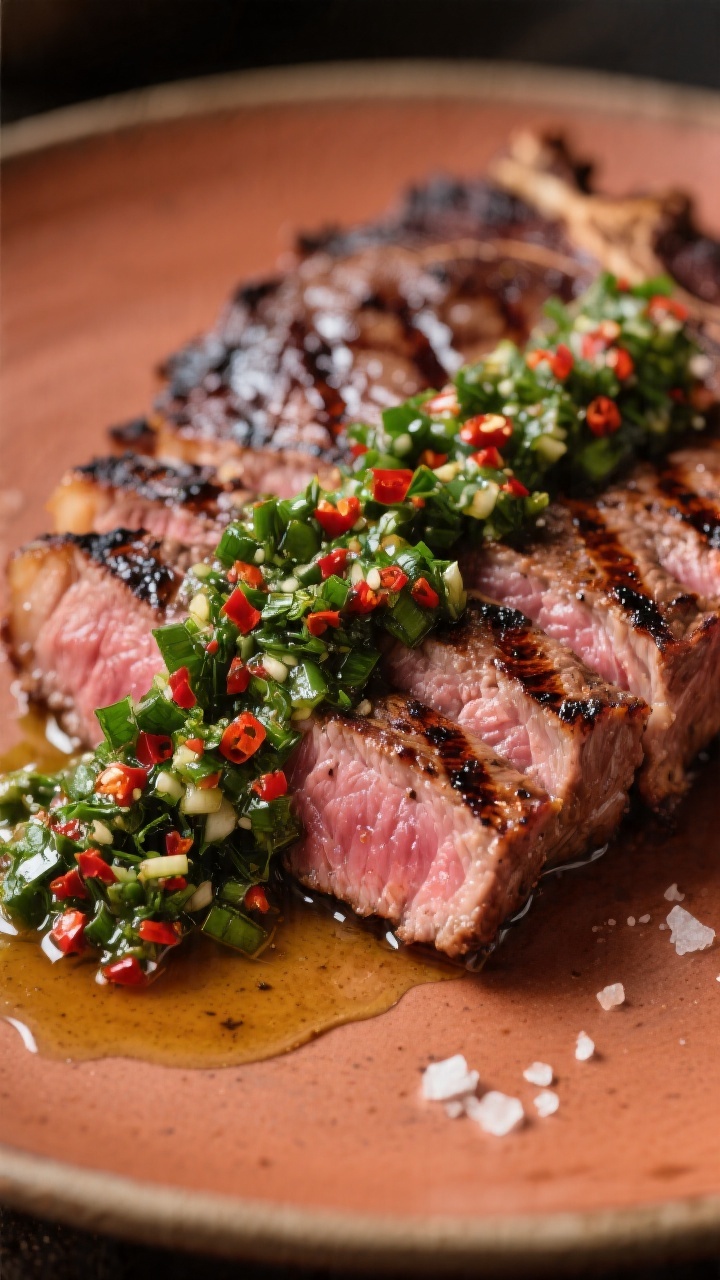
- Prep the herbs by hand. Rinse and dry the parsley and oregano thoroughly. Finely chop them with a sharp knife. Hand-chopping keeps the sauce vibrant and prevents it from turning into a paste.
- Mince the aromatics. Finely mince the garlic (and shallot if using).Aim for small pieces so the flavors spread evenly without harsh bursts.
- Build the base. In a medium bowl, combine parsley, oregano, garlic, and shallot. Add red pepper flakes, salt, black pepper, and lemon zest if using. Stir to distribute the seasoning.
- Add acidity and oil. Pour in the red wine vinegar and stir well.Slowly stream in the olive oil while stirring to blend. You want a loose, spoonable mixture with a glossy sheen.
- Taste and adjust. Try a small spoonful. If it’s flat, add a pinch of salt.If it’s too sharp, add a splash more oil. If it needs brightness, add a touch more vinegar. Balance is key.
- Let it rest. Cover and let the chimichurri sit for at least 15–20 minutes at room temperature.This softens the garlic’s bite and helps flavors meld. For best results, rest 1–2 hours.
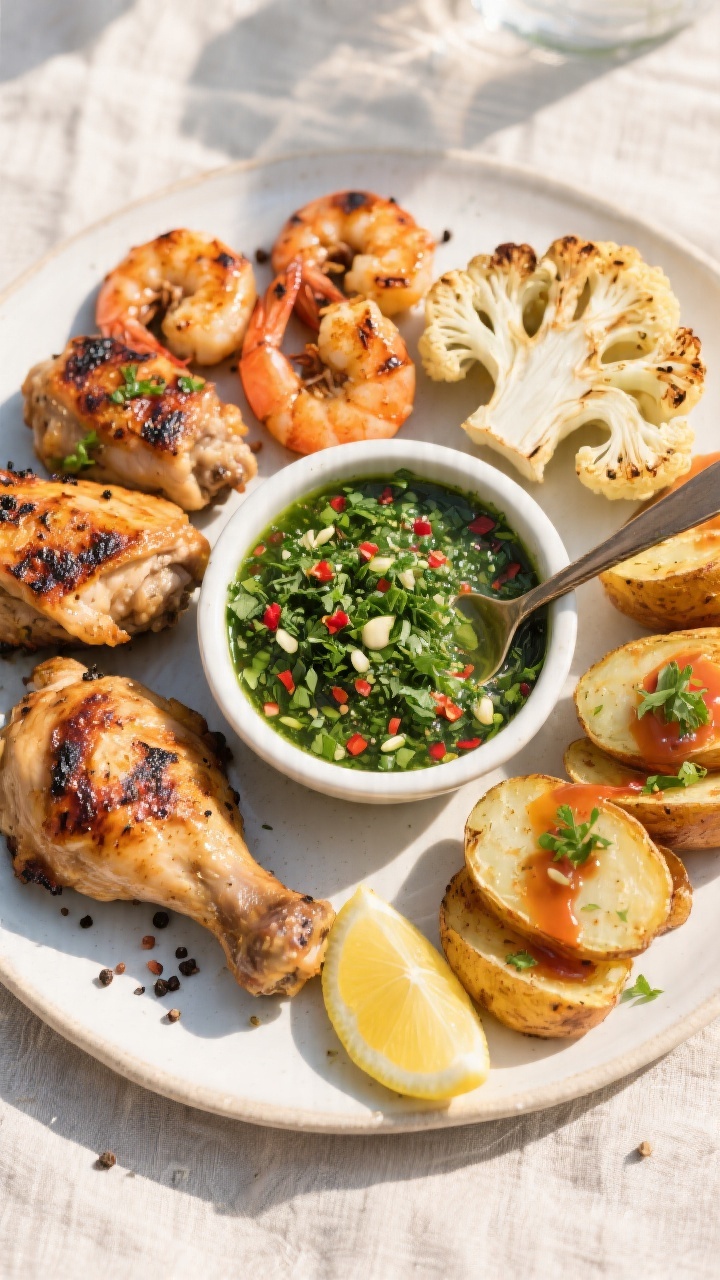
- Serve. Spoon over grilled steak, chicken thighs, pork chops, shrimp, or hearty vegetables. It’s also great on burgers, sausages, or drizzled over roasted potatoes.
Storage Instructions
- Refrigeration: Store in an airtight container for up to 5 days.Press plastic wrap directly on the surface or top with a thin layer of olive oil to slow oxidation.
- Freezing: Freeze in small portions (ice cube trays work well) for up to 1 month. Thaw in the fridge and stir in a splash of fresh vinegar or a bit of chopped parsley to refresh.
- Bring to room temp: Cold olive oil firms up. Let the sauce sit out 15–20 minutes and give it a stir before serving.
Health Benefits
- Herb power: Parsley and oregano are rich in antioxidants and vitamin K.They bring flavor with almost no calories.
- Heart-healthy fats: Extra-virgin olive oil provides monounsaturated fats linked to better heart health and improved cholesterol balance.
- Low in sugar and carbs: This sauce is naturally low-carb and fits many dietary patterns, including paleo and keto styles.
- Anti-inflammatory potential: Garlic and oregano contain compounds that may support immune function and reduce inflammation.
Pitfalls to Watch Out For
- Overprocessing: A blender or food processor can turn chimichurri into a puree. If you use one, pulse gently and stop while it’s still textured. Hand-chopping is safest.
- Too much garlic: Raw garlic is powerful.Start with less, then add more to taste after the rest has rested.
- Unbalanced acidity: If the sauce tastes harsh, it likely needs more oil or a pinch of salt. If it tastes heavy, add a splash more vinegar.
- Wet herbs: Water clinging to herbs dilutes flavor and causes separation. Dry them well before chopping.
- Old olive oil: Stale oil will ruin the sauce.Use fresh, good-quality extra-virgin olive oil with clean, fruity notes.
Variations You Can Try
- Cilantro chimichurri: Swap half the parsley for cilantro. Great with grilled fish, shrimp, or chicken.
- Smoky version: Add 1/2 teaspoon smoked paprika or a small pinch of chipotle powder for a subtle, smoky warmth.
- Lime twist: Replace some or all of the red wine vinegar with fresh lime juice for a brighter, citrusy edge.
- Minty lamb pairing: Add a handful of chopped mint and a squeeze of lemon to pair with grilled lamb chops.
- Shallot-forward: Increase minced shallot and let the sauce rest longer; this mellows the onion and adds depth.
- No-heat option: Skip the red pepper flakes and add extra black pepper for a mild, family-friendly version.
- Marinade mode: Thin with extra oil and vinegar (about 2 more tablespoons each) and add a pinch of sugar or honey. Marinate proteins 30 minutes to 2 hours.
FAQ
Can I make chimichurri ahead of time?
Yes.
In fact, it tastes better after resting. Make it a few hours in advance or the night before, then refrigerate. Bring to room temperature and stir before serving.
Is chimichurri the same as pesto?
No.
Pesto is typically basil-based, contains nuts and cheese, and is blended to a thicker paste. Chimichurri is parsley-oregano based, has no nuts or cheese, and stays loose and chunky with vinegar for acidity.
What can I serve chimichurri with besides steak?
It’s fantastic on grilled chicken, pork, shrimp, salmon, and tofu. It also brightens grilled vegetables, baked potatoes, grain bowls, and even scrambled eggs.
Can I use dried herbs?
You can use dried oregano, but keep parsley fresh for the best flavor and texture.
If you must use some dried parsley, use sparingly and add more fresh elements like chopped scallions or cilantro to compensate.
How do I fix bitter chimichurri?
Bitterness can come from overprocessed herbs or strong olive oil. Stir in a bit more vinegar, a pinch of salt, and a splash of milder oil. Let it rest; the flavors usually settle and round out.
How spicy should it be?
That’s up to you.
Start with 1/2 teaspoon red pepper flakes and add more if you like heat. You can also use a finely minced fresh chili for a fresher kick.
Can I use a blender?
Yes, but pulse carefully. Add the oil last and stop while the herbs still look chopped, not pureed.
Over-blending can make the sauce dense and muddy in color.
Is white wine vinegar okay instead of red?
Yes. Red wine vinegar is traditional, but white wine vinegar or even sherry vinegar works well. Avoid balsamic; it’s too sweet and heavy for classic chimichurri.
Final Thoughts
Chimichurri is the kind of sauce that makes summer cooking feel effortless.
With a handful of fresh ingredients and a few minutes of chopping, you get bright, punchy flavor that makes grilled food sing. Keep a jar in the fridge, spoon it over anything hot off the grill, and watch dinner disappear. Once you make it, it’ll be your go-to for every backyard BBQ and weeknight cookout.
Printable Recipe Card
Want just the essential recipe details without scrolling through the article? Get our printable recipe card with just the ingredients and instructions.