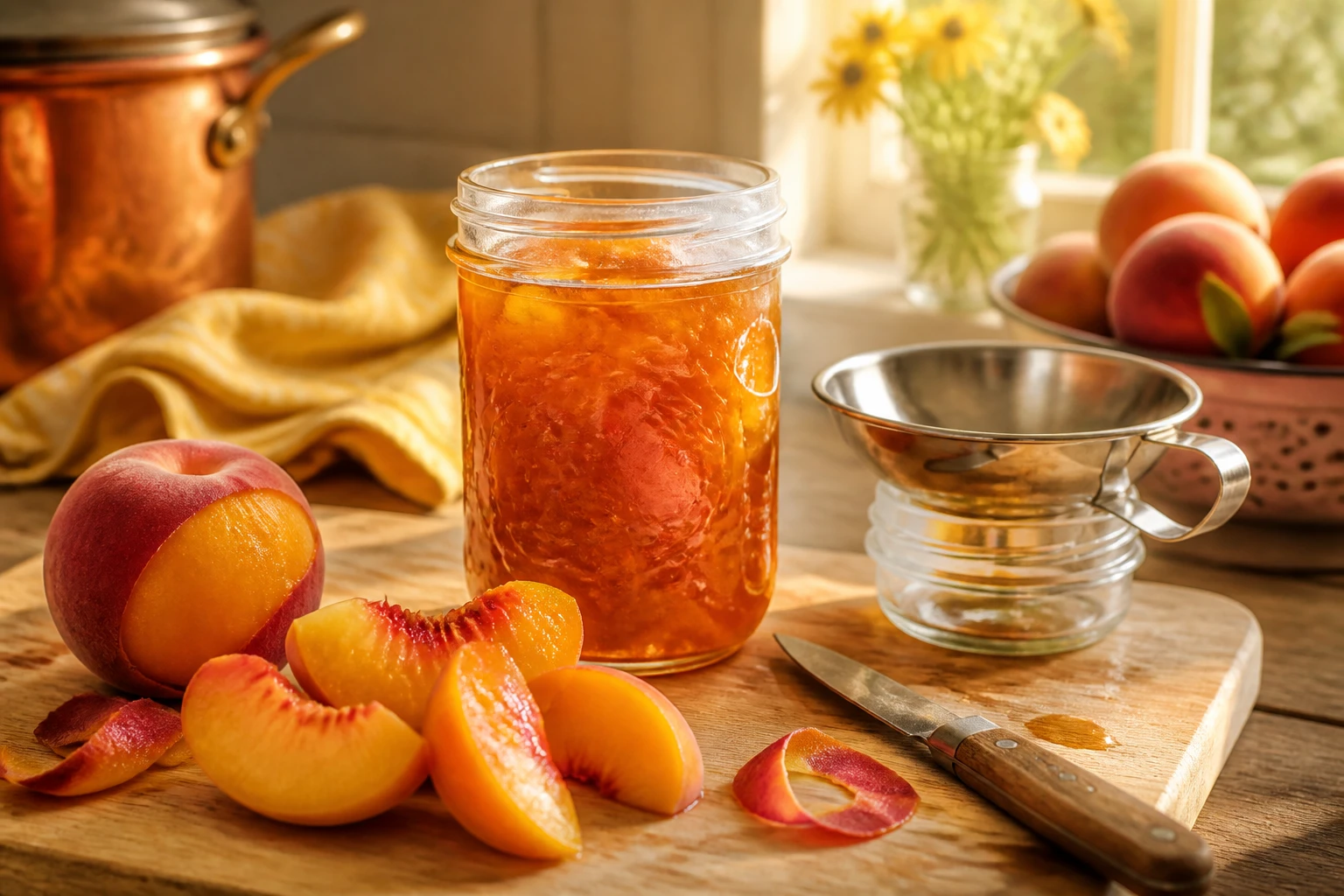
I’m not gonna sugarcoat it: canning peaches is about as satisfying as it gets when you want summer sunshine all year long. You’ll get bright, jammy peaches you can grab for desserts, oats, or just a snack straight from the jar. And yes, you can do this as a beginner without turning your kitchen into a science lab.
Why this Easy Canning Peach Recipe Works for Beginners
Peaches are forgiving. They’re meaty, sweet, and hold their vibe through the canning process. No fancy equipment needed (just a little patience). The trick is simple: use ripe-but-not-soft peaches, a clean jar, and a steady boil. FYI, you’ll gain bragging rights at your next potluck when you say, “I canned these myself.” Confidence boost: unlocked.
Choosing the Right Peaches
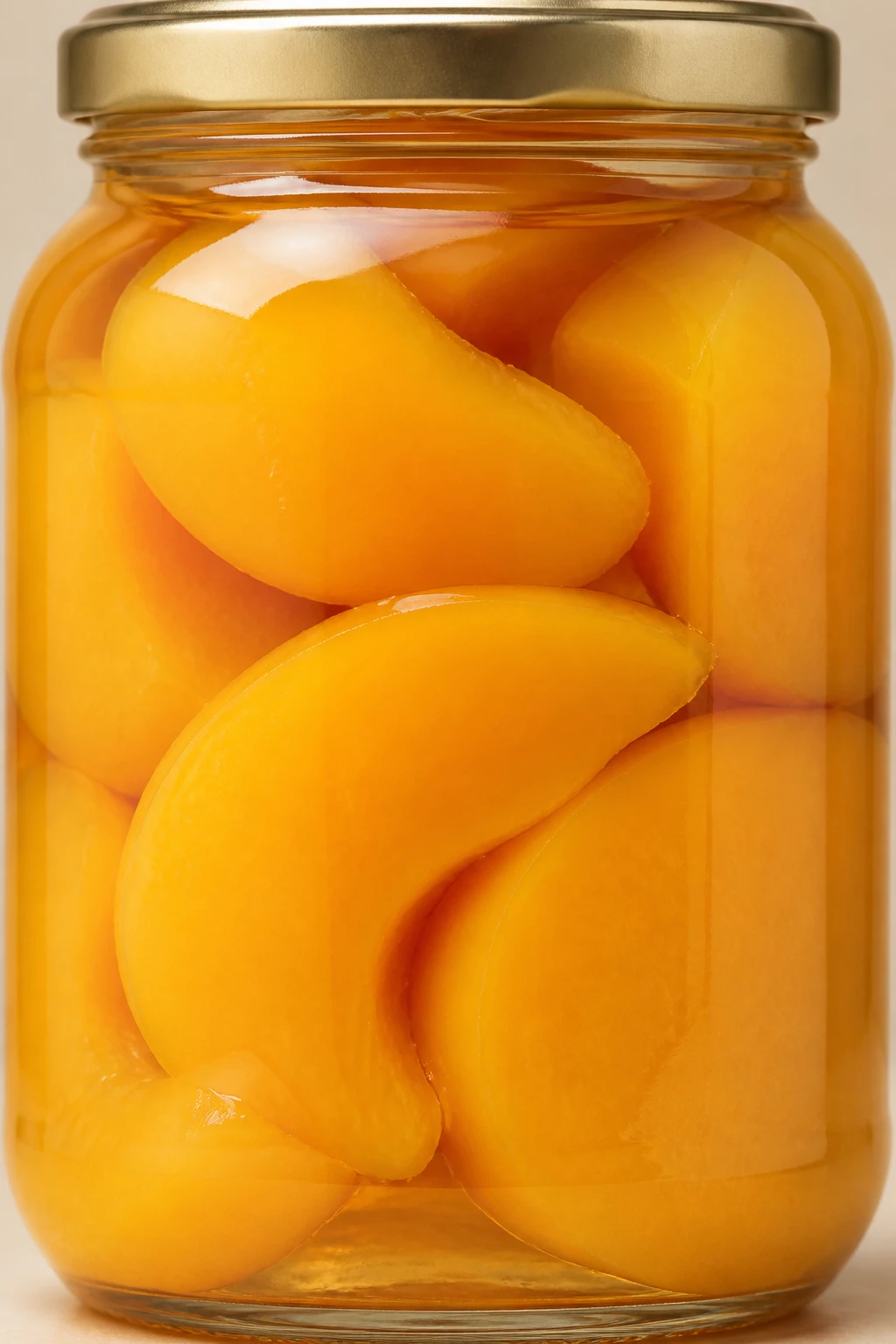
– Look for peaches that yield slightly to a gentle press. Not rock-hard, not mushy.
– Smell is your friend. A fragrant peach means good flavor ahead.
– If you can’t find perfect peaches, skip the ones with big bruises. You’re not baking a photo, you’re canning real fruit.
– Ripe peaches can be peeled more easily after a quick blanch. It’s like giving them a spa day before the spa day becomes a jar.
Blanching: The Quick Peel Trick
Blanching loosens skins in 30-60 seconds. Boil a pot of water, drop in peaches for a moment, then plunge into ice water. The skins slide right off. If you hate peeling, this is your best friend. After peeling, slice the peaches into halves or thick wedges. Leave the pit area in place but trim away any brown spots.
Prep, Sterilize, and Pack
– Clean jars and lids like you mean it. Soap, hot water, and a quick rinse do the trick. Don’t skip this step—trust me, you don’t want extra drama in your pantry.
– Pack peaches in the jars with a little syrup or juice. You’re aiming for enough liquid to cover, not drown.
– Add a touch of lemon juice for acidity. It helps prevent browning and boosts shelf life.
– Leave proper headspace. Usually about 1/4 inch for fruit in syrup. Too much space and you risk seal failure; too little and you’ll get messy overflow.
Simple Syrup Ratios
– Light syrup: 1 cup sugar to 2 cups water
– Medium syrup: 2 cups sugar to 3 cups water
– Heavy syrup: 3 cups sugar to 3 cups water
If you’re just starting, go with light or medium. It’s sweet enough to taste fabulous without turning the peaches into a sugar bomb.
Pressure Canning vs. Water Bath
This is the moment when you realize there’s a grown-up decision to make. Do you go with water bath canning or pressure canning?
– Water bath canning works best for high-acid foods like peaches in syrup. It’s simpler and costs less, which is ideal for beginners.
– Pressure canning is for low-acid foods or if you’re planning to store things for decades. It’s a bit more intimidating but totally doable with care.
If you’re just canning peaches in syrup, a water bath is your friend. It’s forgiving and quick while still getting the job done.
Processing Time and Seals
– For water bath canning, boil the filled jars for about 25-30 minutes (adjust for altitude). If you’re at a high elevation, add a few extra minutes.
– After the boil, carefully remove jars and let them cool undisturbed. You’ll hear the satisfying pop of seals as they cool. That’s your jar whispering, “I’m sealed and ready.”
– If a jar doesn’t seal, don’t panic. Refrigerate and use the contents within a few days, or reprocess with a fresh lid.
Altitude Adjustment Quick Cheat
If you’re above 1,000 feet, you’ll need to add time. A quick look in your canning book or a trusted online resource will give you the exact minutes for your altitude. Bonus: now you sound like a pro at picnics.
Storage, Labeling, and Fun Uses
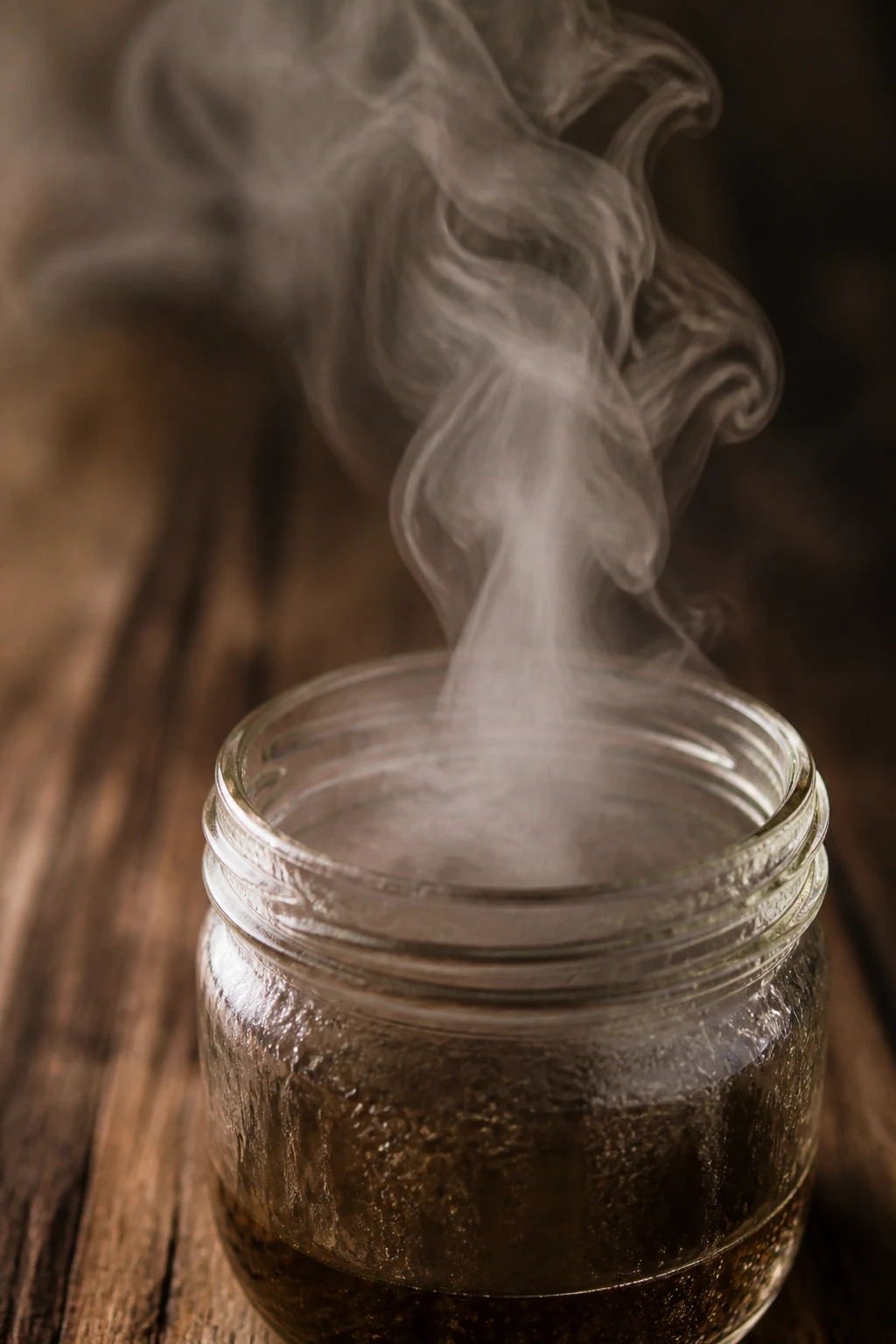
– Label jars with the date and simple notes (syrup strength, peach variety). Your future self will thank you when you can’t remember which batch was top-tier.
– Store in a cool, dark place. Aim for a pantry that isn’t a sauna.
– Open a jar for a quick topping on yogurt, oatmeal, or morning waffles. Trust me, peaches in syrup make everything feel fancy without trying too hard.
– Bonus ideas: swirl into compotes, pair with grilled chicken or pork for a surprising dinner, or blend into smoothies for a summer vibe in winter.
Common Pitfalls (And How to Dodge Them)
– Poorly peeled peaches complicate packing. Blanching is your best friend here.
– Skimping on acid. Lemon juice helps with color and safety, so don’t skip it.
– Overpacking jars. Leave headspace so lids seal properly. Messy seals mean soggy peaches—nobody wants that.
– For beginners: take a breath, read your jar labels, and follow the processing times. It’s not a scavenger hunt; it’s a predictable routine you’ll nail with practice.
FAQ
Is it safe to can peaches at home with basic equipment?
Yes. For peaches in syrup, a water bath canner is sufficient. Make sure you follow a tested recipe, use clean jars, and maintain proper acidity with lemon juice. Always check seals after cooling. If a jar doesn’t seal, refrigerate and use within a week or reprocess with a fresh lid.
How do I know if a jar has sealed properly?
Listen for pops as jars cool—that’s the seal forming. You should also press the center of each lid; it shouldn’t move. If a lid flexes, the jar didn’t seal and should be refrigerated or reprocessed.
Can I adjust sweetness after canning?
You can control sweetness in the syrup you prepare, but once peaches are sealed, you don’t change the sweetness inside. If you want milder peaches, use a lighter syrup during packing. You can always rinse a jar before serving to reduce sweetness slightly, but it won’t remove all sugar.
What if I don’t have a blanching setup?
If blanching isn’t convenient, you can still peel peaches with a paring knife after a brief soak in hot water. It takes a bit longer, but you’ll still end up with delicious canned peaches. The key is to ensure you remove the skins smoothly and maintain clean, peeled fruit.
How long will canned peaches stay good?
Properly canned peaches in sterile jars stored in a cool, dark place can last up to a year. For best flavor and texture, aim to enjoy them within 6-12 months. Always check for off smells or bulging lids before use.
Conclusion
Canning peaches is the kind of DIY project that pays off in sunshine you can pop open whenever you want. You’ll love the bright, fresh taste and the little sense of accomplishment that comes with “I did that.” So grab ripe peaches, clean jars, and a grin—your pantry just got a sunny upgrade. If you’re feeling brave, tag along for a second batch and tweak the syrup to your taste. IMO, you’ll become a peach-canning regular before you know it. Happy canning!