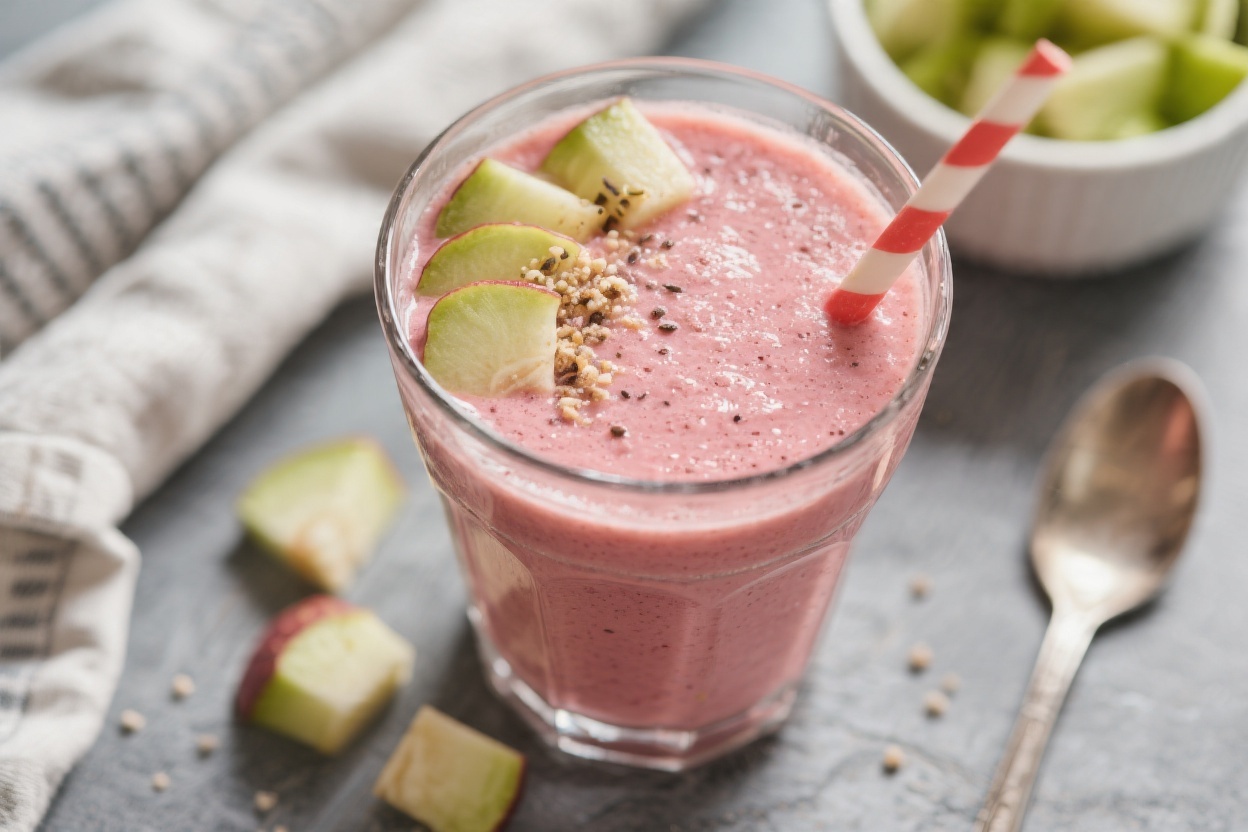
This Keto Electrolyte Smoothie is for those days when water isn’t cutting it and you need something that hydrates, fuels, and actually tastes good. It’s creamy, lightly sweet, and packed with the minerals your body craves on a low-carb lifestyle. Whether you’re easing keto flu symptoms, recovering from a workout, or staying steady on a hot day, this smoothie helps you feel balanced fast.
No fancy powders required—just simple ingredients you can find anywhere. It comes together in minutes and fits easily into your daily routine.
What Makes This Recipe So Good
- Electrolyte focused: It delivers sodium, potassium, and magnesium—three key minerals that can dip on keto and leave you feeling sluggish.
- Keto friendly: Low in net carbs, with smart fats to keep you satisfied without spiking blood sugar.
- Fresh and flexible: Uses clean, simple ingredients and can be adjusted to your taste and needs.
- Hydration boost: Coconut water is swapped for lower-carb options, so you get hydration without a sugar bomb.
- Great taste: Lightly citrusy, creamy, and refreshing—no chalky aftertaste.
What You’ll Need
- 1 cup cold water or unsweetened almond milk (for creaminess)
- 1/4 cup full-fat coconut milk (canned, shaken well)
- 2 tablespoons lemon juice (freshly squeezed)
- 1 tablespoon lime juice (freshly squeezed)
- 1/8 teaspoon fine sea salt (or Himalayan pink salt)
- 1/8 teaspoon potassium chloride (salt substitute, often labeled “NoSalt”)
- 150–200 mg magnesium (from a magnesium powder that’s unflavored and keto-friendly, or use magnesium glycinate capsule contents)
- 1/4 avocado (for creaminess and potassium)
- 5–7 ice cubes
- Optional sweetener: 5–10 drops liquid stevia or 1–2 teaspoons erythritol/monk fruit blend
- Optional add-ins: a pinch of cream of tartar (extra potassium), a few cucumber slices, or a sprig of mint
How to Make It
- Add the water or almond milk, coconut milk, lemon juice, and lime juice to a blender.
- Sprinkle in the sea salt, potassium chloride, and magnesium. If using a capsule, open it and pour in the powder.
- Add the avocado and ice cubes.If you want it sweeter, add your preferred keto sweetener now.
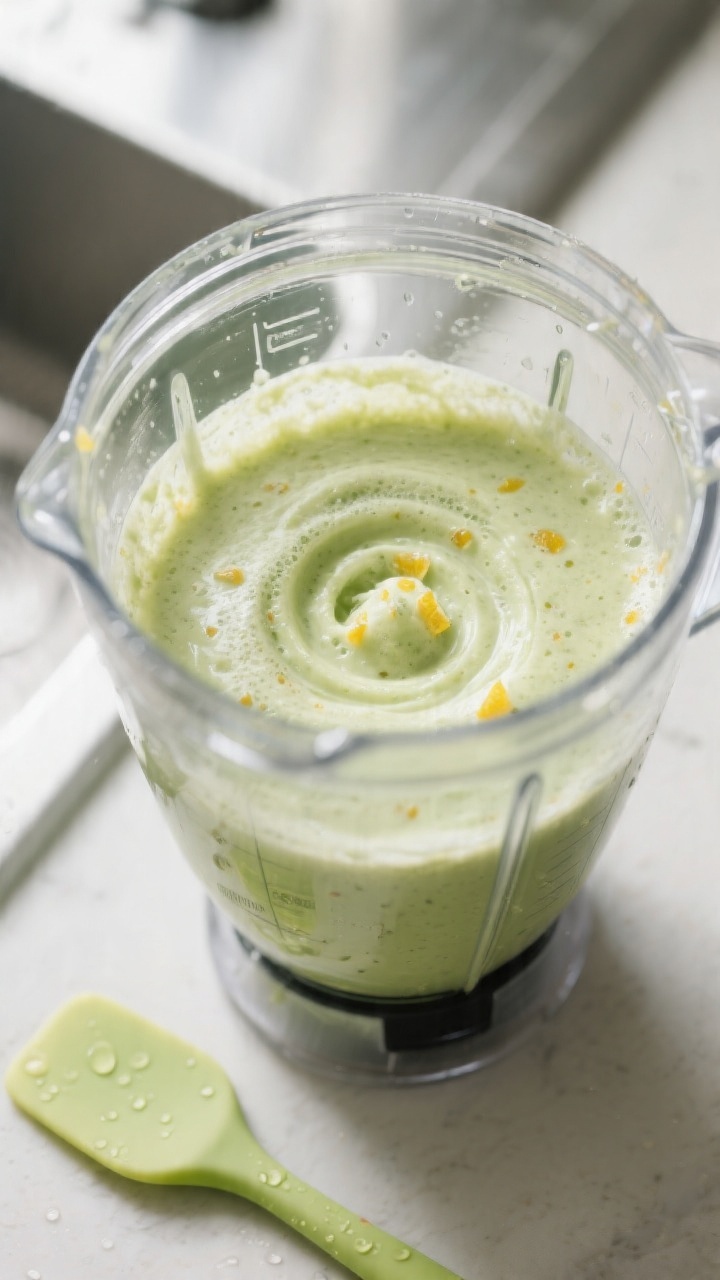
- Blend on high for 20–30 seconds, until smooth and frothy. Taste and adjust salt, citrus, and sweetness.
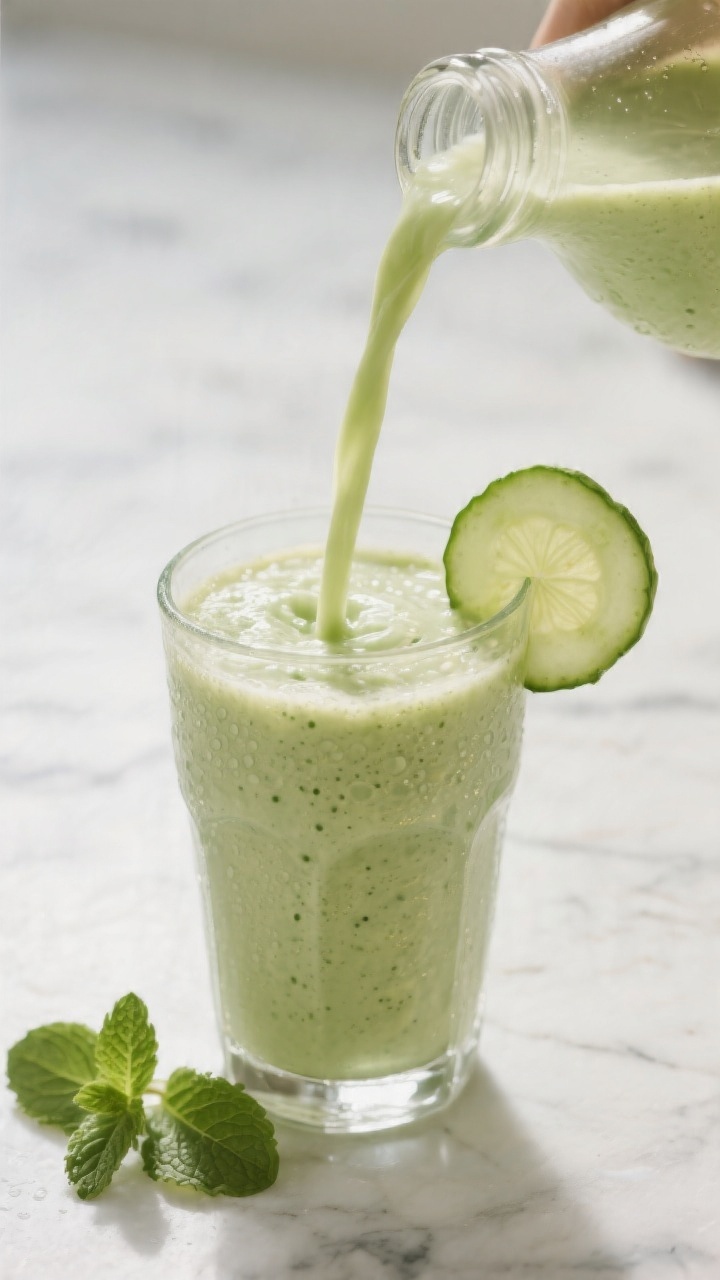
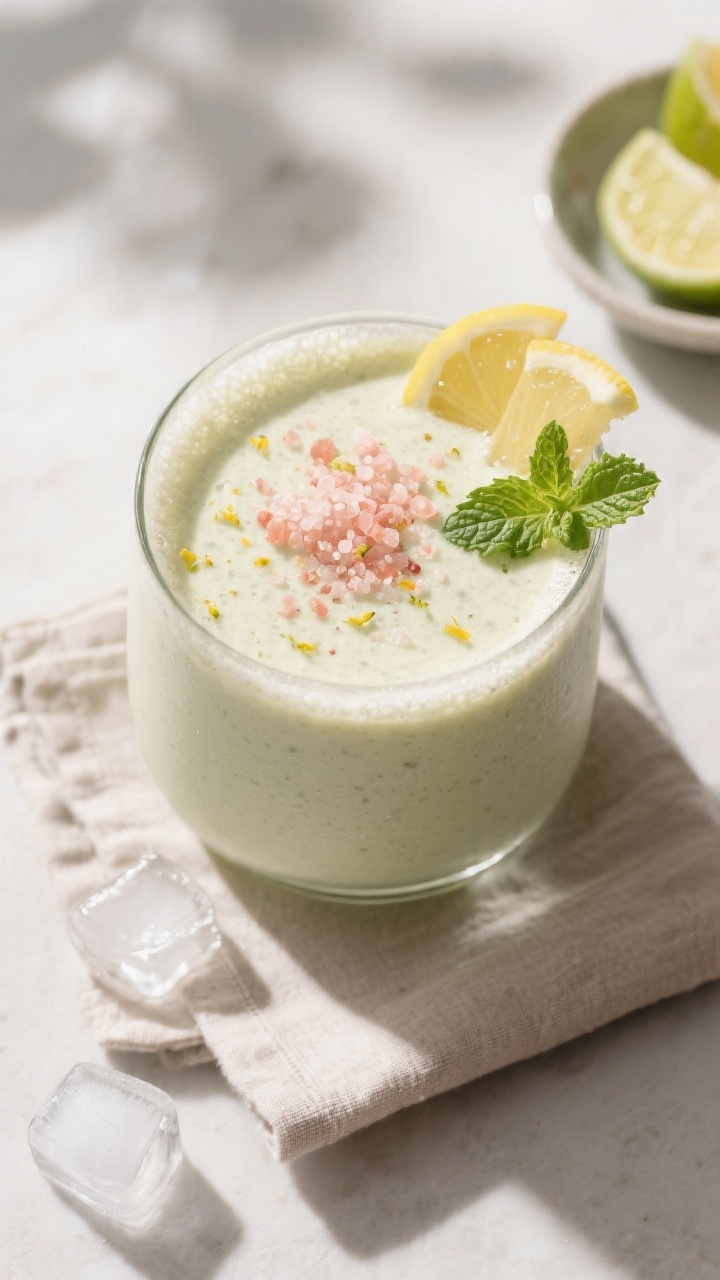
- Pour into a chilled glass. Garnish with mint or a cucumber slice if you like.Drink right away for the best texture.
Keeping It Fresh
This smoothie is best enjoyed immediately because the citrus and avocado can separate over time. If you need to prep ahead, store it in an airtight jar with as little air space as possible. Add a squeeze of lemon on top to slow oxidation.
Keep it chilled for up to 24 hours, then give it a vigorous shake before drinking. For meal prep, you can also freeze smoothie packs with avocado, citrus juice (frozen into cubes), and measured electrolytes. Blend with liquid and ice when you’re ready.
Health Benefits
- Replenishes electrolytes: Sodium helps maintain fluid balance and nerve function.Potassium supports muscle contractions and heart rhythm. Magnesium calms nerves, supports energy production, and can reduce cramping.
- Supports keto adaptation: Early in keto, your body sheds water and minerals. This smoothie helps prevent headaches, fatigue, and “keto flu” symptoms.
- Steady energy: Healthy fats from coconut milk and avocado promote satiety without spiking blood sugar.
- Digestive comfort: Lemon and lime add flavor and lightness without heavy dairy, which some people find bloating.
- Workout-friendly: Helpful for post-exercise hydration, especially in hot weather or after sweaty sessions.
Pitfalls to Watch Out For
- Overdoing the sweetener: Even keto-friendly sweeteners can train your palate to crave more sweetness.Start small.
- Too much magnesium at once: Some forms, like magnesium citrate, can cause stomach upset. If you’re sensitive, use magnesium glycinate and start around 100 mg.
- Hidden carbs in liquids: Check labels on almond milk and coconut milk. Choose unsweetened versions to keep carbs low.
- Salt sensitivity: If you’re new to adding salt, begin with a small pinch.You can always add more to taste.
- Medication interactions: Potassium and magnesium can interact with certain medications. If you take blood pressure meds, diuretics, or have kidney issues, consult your healthcare provider.
Recipe Variations
- Berry Breeze: Add 2–3 frozen raspberries or strawberries for a hint of fruit with minimal carbs. Increase ice if needed.
- Ginger Zing: Blend in 1/2 teaspoon freshly grated ginger for a bright, spicy kick and added digestive support.
- Creamy Vanilla: Add 1/2 teaspoon vanilla extract and a dash of cinnamon.Great with almond milk as the base.
- Green Hydrator: Toss in a handful of spinach and a few cucumber slices. Mild flavor, extra micronutrients.
- Protein Boost: Add a scoop of unflavored or vanilla whey isolate or egg white protein. Choose a brand with 0–2 grams net carbs per scoop.
- Mint-Lime Cooler: Use more lime, a handful of fresh mint, and crushed ice for a mojito-style vibe.
- Citrus Swap: If you’re out of lemons, use all lime juice, or try a small splash of orange extract instead of orange juice to keep carbs low.
FAQ
Can I make this without avocado?
Yes.
Skip the avocado and add a few more ice cubes plus 1 tablespoon of chia seeds or 1–2 tablespoons of coconut cream for thickness. You can also use a small amount of xanthan gum (about 1/8 teaspoon) to help with texture.
Is potassium chloride safe to use?
For most healthy adults, small amounts used as a salt substitute are fine. However, if you have kidney disease, heart issues, or take medications that affect potassium levels, talk to your doctor first.
You can also get potassium from food—spinach, avocado, and a pinch of cream of tartar are easy adds.
What if I don’t have magnesium powder?
You can open a magnesium glycinate capsule and pour the contents into the blender. If you only have magnesium citrate, start with half the amount to avoid digestive discomfort. Another option is to take your magnesium supplement with the smoothie instead of blending it in.
How many carbs are in this smoothie?
Exact carbs vary by brand, but a typical serving made with water, coconut milk, avocado, and citrus comes in around 3–6 grams net carbs.
Using almond milk instead of water may add 1–2 grams, depending on the product.
Can I use coconut water?
Traditional coconut water is higher in sugar and isn’t ideal for strict keto. If you want the flavor, use 1–2 tablespoons for a hint of taste and rely on added electrolytes to do the heavy lifting.
When should I drink it?
It’s great first thing in the morning, before or after a workout, or anytime you feel lightheaded, crampy, or unusually tired on keto. Many people find it helpful on hot days or when starting low-carb to stay ahead of electrolyte losses.
Can I add MCT oil?
Yes, 1 teaspoon to 1 tablespoon can boost energy and ketone production.
Start small to avoid digestive upset and increase as tolerated.
Is this safe for intermittent fasting?
If you’re doing a strict fast, any calories will technically break it. For a clean keto fast focused on electrolytes, you can omit the avocado and coconut milk and blend water, citrus, salt, potassium, and magnesium. That version is nearly zero calories but still hydrating.
Final Thoughts
This Keto Electrolyte Smoothie is simple, tasty, and practical—exactly what you want when you’re aiming for steady energy and clear focus.
It covers your bases with sodium, potassium, and magnesium while staying low in carbs and high in satisfaction. Keep the core recipe handy, then tweak sweetness, citrus, and add-ins to match your day. When keto feels tough, a glass of this can make a real difference—hydration, balance, and flavor in one quick blend.