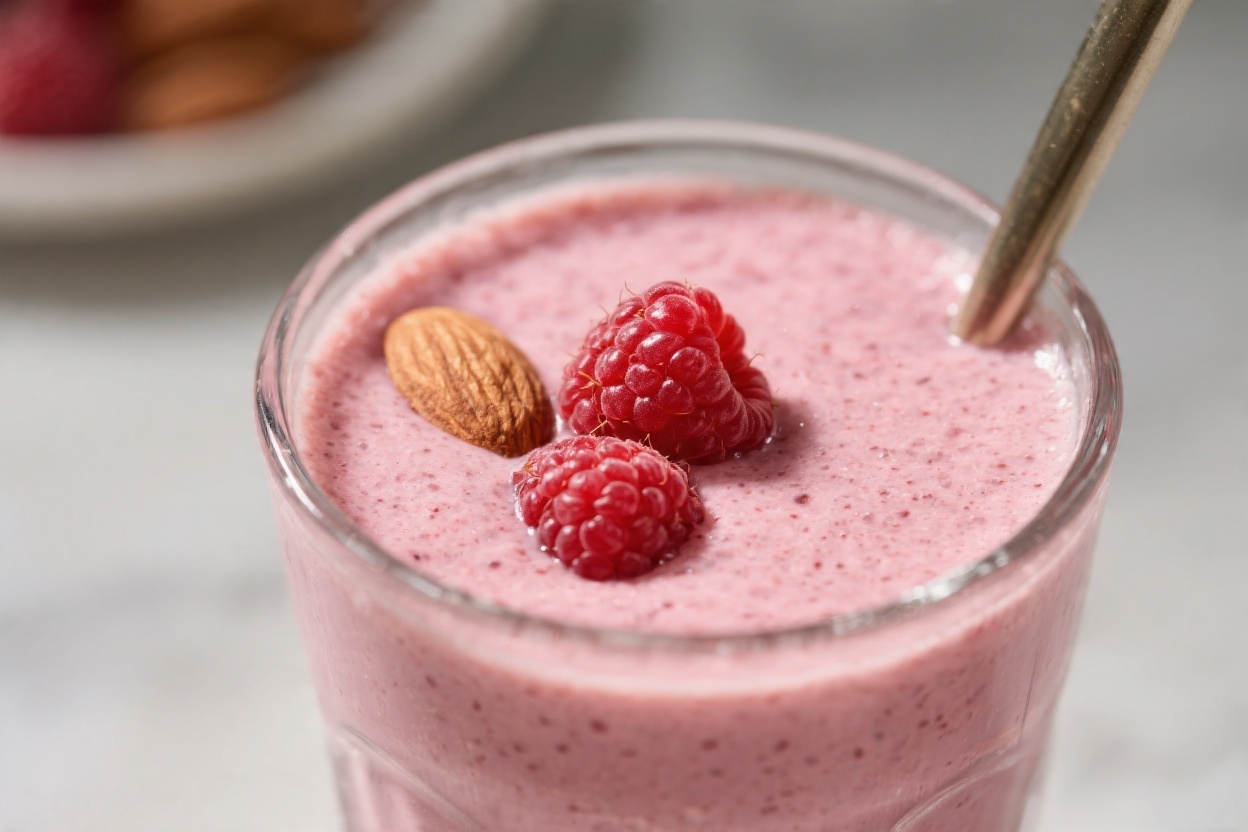
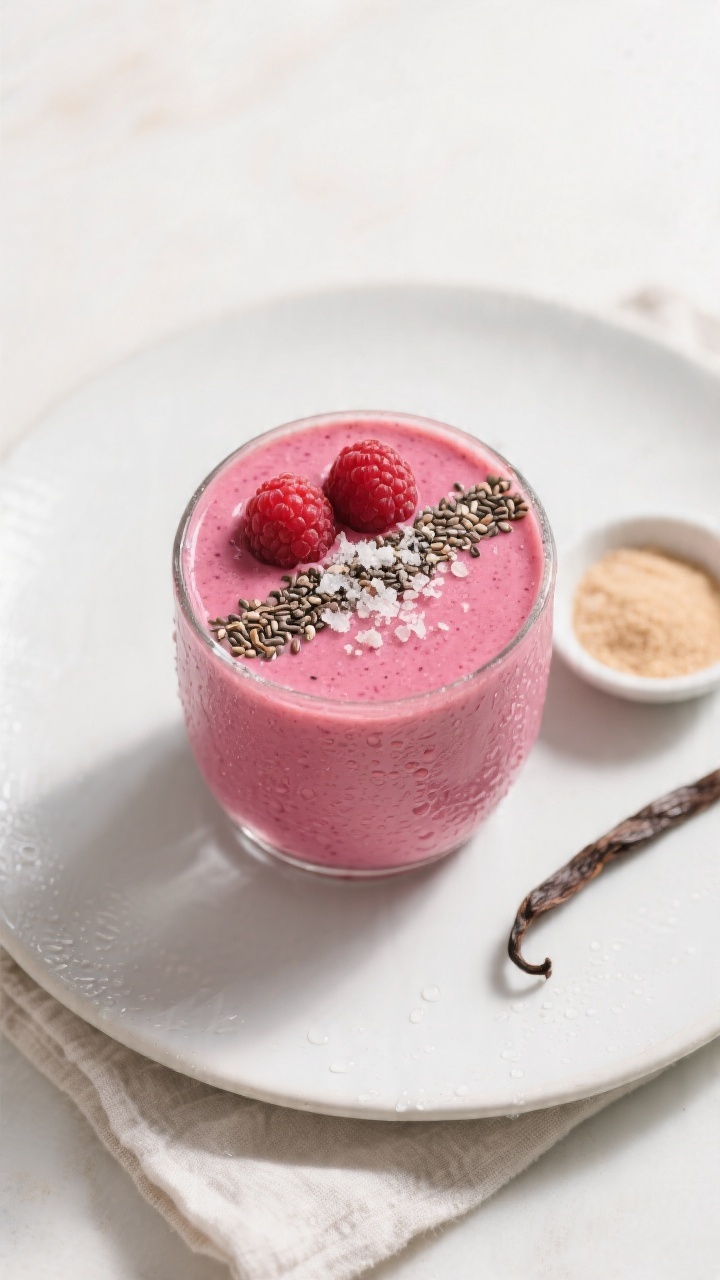
Fresh, bright, and satisfyingly creamy, this Raspberry Almond Keto Smoothie hits all the right notes for a quick breakfast or afternoon pick-me-up. It blends tart raspberries with smooth almond butter and almond milk for a flavor that feels indulgent but stays low in carbs. You get a frosty, milkshake-like texture without the sugar crash.
It’s easy to customize, takes just a few minutes, and uses simple ingredients you probably already have. If you love a smoothie that’s both refreshing and filling, this one belongs in your regular rotation.
What Makes This Recipe So Good
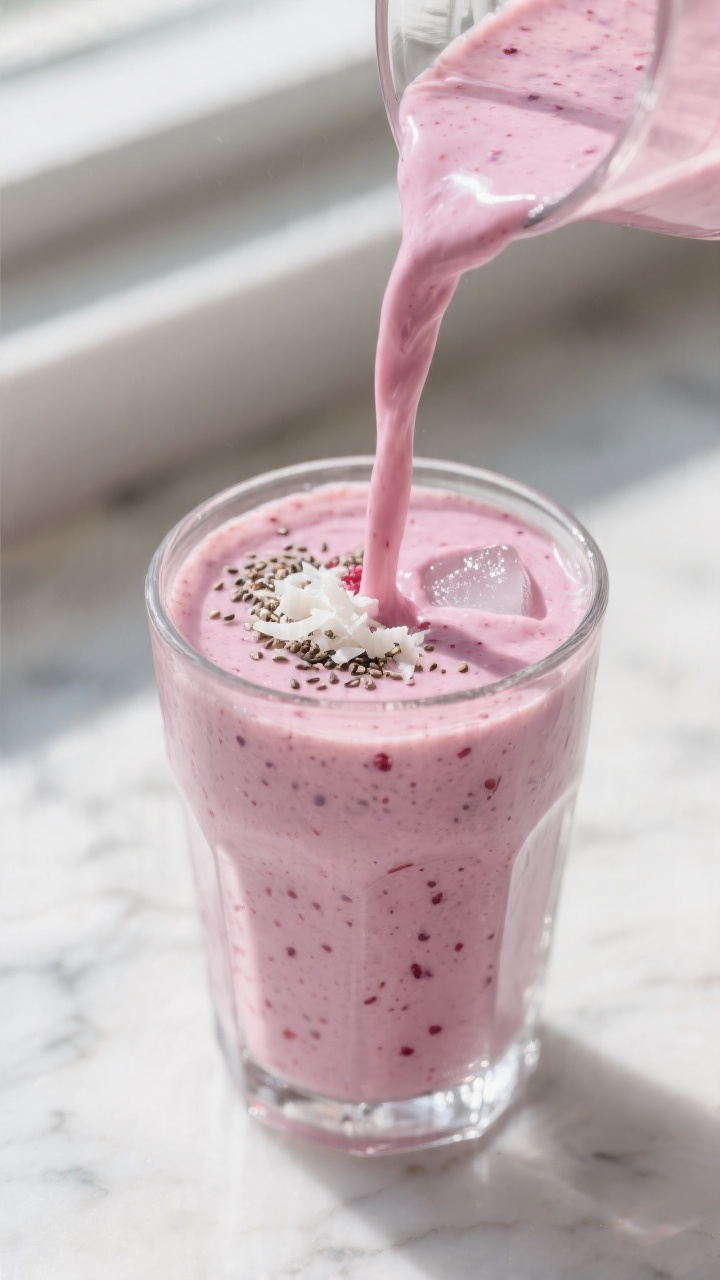
- Keto-friendly and satisfying: With low net carbs and healthy fats, this smoothie keeps you full without kicking you out of ketosis.
- Balanced flavor: Raspberries bring a tangy pop that pairs beautifully with nutty almond butter and a hint of vanilla.
- Quick and simple: Five minutes, one blender, minimal cleanup—done.
- Customizable: Adjust sweetness, thickness, and add-ins based on your goals and taste.
- Meal-prep friendly: Freeze portions of the fruit and almond milk to make blending even faster on busy mornings.
Ingredients
- 1 cup unsweetened almond milk (or unsweetened vanilla almond milk)
- 3/4 cup frozen raspberries
- 1 to 1.5 tablespoons almond butter (unsweetened, no added sugar)
- 1 tablespoon chia seeds or ground flaxseed (optional, for extra fiber and thickness)
- 1/2 teaspoon vanilla extract
- Pinch of sea salt (enhances flavor)
- Ice cubes as needed (4–6 for a thicker, frostier texture)
- Keto-friendly sweetener to taste (such as stevia, monk fruit, or erythritol), optional
- Optional boosters: 1 scoop unflavored or vanilla collagen peptides; 1 tablespoon unsweetened shredded coconut; a few drops almond extract for stronger almond flavor
How to Make It
- Start with the base: Add almond milk to the blender. Liquids go in first to help the blades catch everything.
- Add your fruit and fats: Toss in frozen raspberries and almond butter.These provide flavor, color, and creaminess.
- Boost and balance: Add chia or flax, vanilla, and a small pinch of salt. If using, add collagen or coconut now.
- Sweeten lightly: Taste preferences vary. Start with a small amount of keto sweetener.You can always add more after blending.
- Ice for texture: Add 4–6 ice cubes if you want a thicker, colder smoothie. Skip if you prefer it thinner.
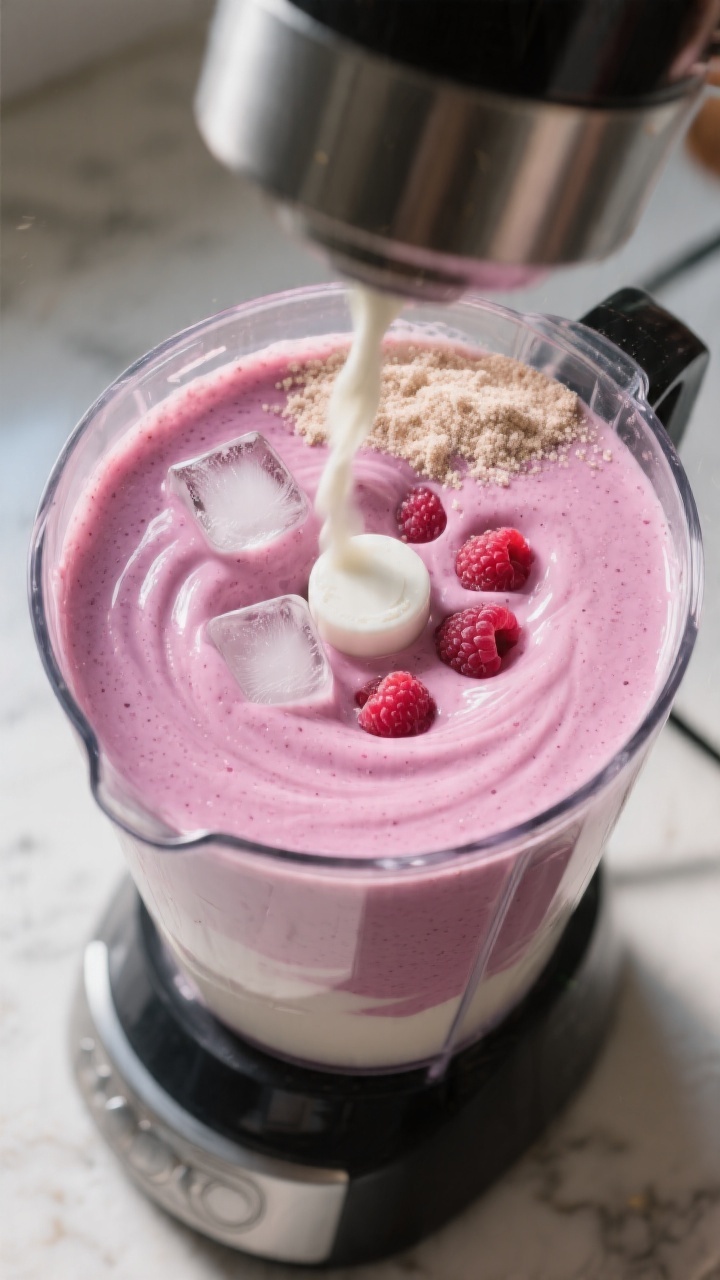
- Blend until smooth: Start low, then increase to high for 30–45 seconds. Scrape down the sides if anything sticks.
- Adjust and serve: Taste and adjust sweetness, thickness, or tartness.Pour into a chilled glass and enjoy right away.
Storage Instructions
This smoothie tastes best fresh, but you can plan ahead. For quick mornings, portion the raspberries, almond butter, and optional add-ins into small bags, then freeze. Keep almond milk in the fridge, blend when ready, and you’re done in minutes.
If you need to store the blended smoothie, keep it in an airtight jar in the fridge for up to 24 hours.
Shake well before drinking, as natural separation can occur. For longer storage, freeze in a sealed container for up to 1 month and thaw in the fridge overnight. Blend with a splash of almond milk to restore creaminess.
Health Benefits
- Low in net carbs: Raspberries are one of the most keto-friendly berries, offering bright flavor and fiber with fewer sugars.
- Healthy fats for satiety: Almond butter and chia or flax provide fats that help keep you full and support stable energy.
- Fiber for digestion: Chia or flax seeds and raspberries contribute fiber, which can support gut health and help manage appetite.
- Antioxidants: Raspberries bring vitamin C and antioxidants that support immune health and combat oxidative stress.
- Protein option: Collagen peptides or a clean low-carb protein powder can boost protein without adding sugar.
Common Mistakes to Avoid
- Using sweetened almond milk: This quickly increases carbs and changes the flavor.Choose unsweetened varieties.
- Over-sweetening: Start small with sweetener. Raspberries already add natural tang, and too much sweetener can taste artificial.
- Skipping fat entirely: On keto, fat provides fullness and flavor. Almond butter or a small amount of MCT oil helps balance macros.
- Adding too much fruit: Keep to the measured amount of raspberries to stay within your carb goals.
- Not blending long enough: Gritty seeds or clumps happen when you rush.Blend thoroughly for a silky finish.
Variations You Can Try
- Creamier version: Replace half the almond milk with unsweetened coconut milk from a carton or a splash of heavy cream for extra richness.
- Chocolate almond twist: Add 1 teaspoon unsweetened cocoa powder and a touch more sweetener for a raspberry-chocolate vibe.
- Green boost: Blend in a small handful of baby spinach. It won’t change the flavor much but adds micronutrients.
- Almond joy style: Add unsweetened shredded coconut and a drop of almond extract. Optional: a few sugar-free dark chocolate chips.
- Protein-forward: Add a scoop of unflavored or vanilla low-carb protein powder; increase almond milk to keep the texture smooth.
- Zesty brightness: Add 1 teaspoon fresh lemon juice or a bit of lemon zest to highlight the tart raspberry flavor.
FAQ
Are raspberries really keto-friendly?
Yes.
Among fruits, raspberries are relatively low in net carbs and high in fiber. In moderate portions, they fit well into a keto plan, especially when paired with fats like almond butter.
Can I use fresh raspberries instead of frozen?
Absolutely. Fresh raspberries work, but you may need to add more ice to achieve a cold, thick texture.
Frozen berries also help reduce the need for extra sweetener.
What sweetener works best?
Stevia, monk fruit, or erythritol blends are all good choices. Start with a small amount and adjust to taste. Liquid drops blend easily and prevent graininess.
Can I make this nut-free?
Yes.
Use unsweetened coconut milk and swap almond butter for sunflower seed butter or tahini. The flavor will shift, but it stays creamy and low-carb.
How can I increase the protein without changing the taste too much?
Collagen peptides are nearly flavorless and dissolve well. You can also use a clean, low-carb vanilla whey or plant-based protein, adjusting liquid to maintain the right texture.
Is this smoothie good for post-workout?
It can be, especially with added protein.
If you need a bit more carbs post-workout, slightly increase raspberries or add a few blueberries while staying within your goals.
Why add a pinch of salt?
Salt enhances flavors and balances sweetness. On keto, electrolytes matter too, and a tiny pinch can make the smoothie taste more rounded and satisfying.
Can I prep this the night before?
You can blend it and refrigerate overnight, but expect some separation. Shake or blend again before drinking.
For best texture, prep ingredients ahead and blend fresh in the morning.
In Conclusion
This Raspberry Almond Keto Smoothie brings big flavor with minimal effort. It’s creamy, tangy, and easy to tailor to your macros and taste. Keep the ingredients simple, blend until silky, and you’ve got a low-carb treat that feels like dessert but fuels your day.
Whether you drink it for breakfast, a snack, or post-workout, it’s a dependable go-to you’ll want on repeat.
Printable Recipe Card
Want just the essential recipe details without scrolling through the article? Get our printable recipe card with just the ingredients and instructions.