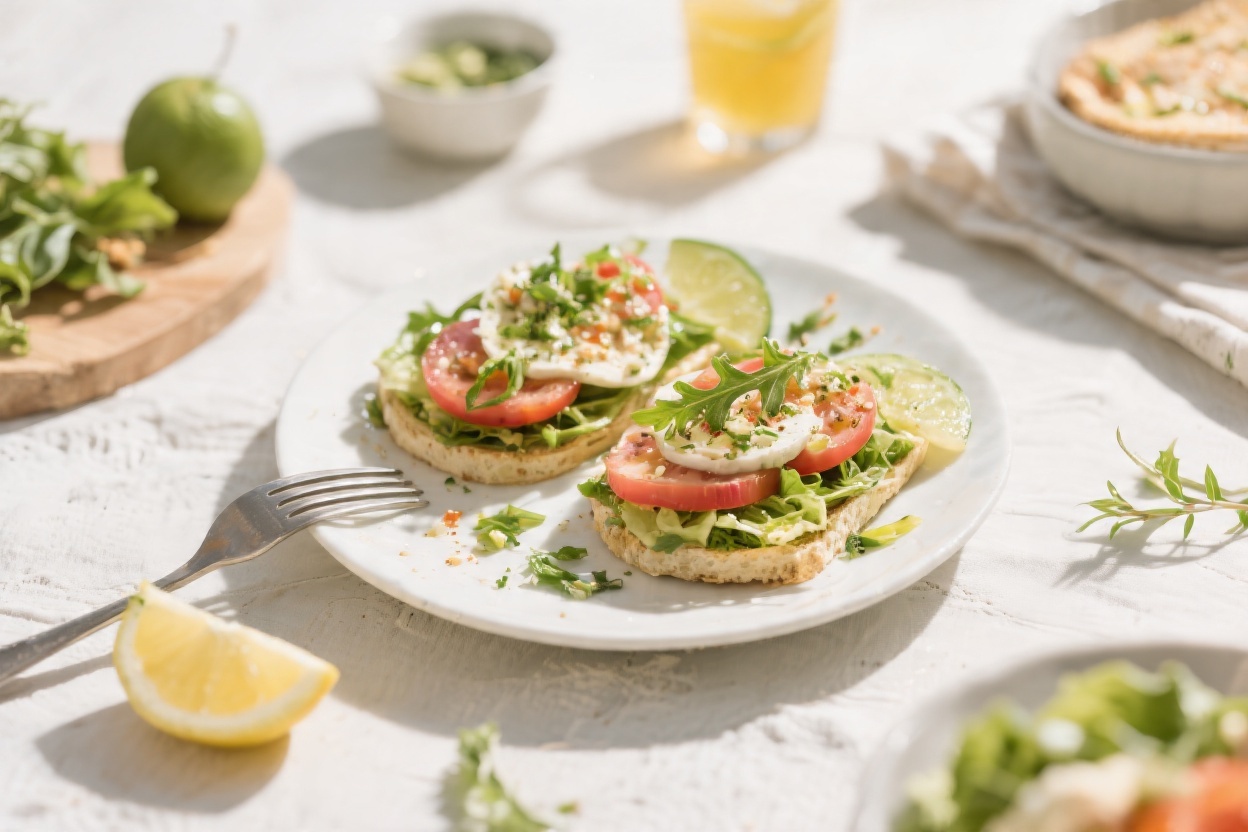
When the temperature climbs, a heavy lunch can slow you down. Light, fresh meals keep you satisfied without weighing you out. This guide gathers easy, no-fuss summer lunch ideas that rely on crisp produce, quick proteins, and bright flavors.
You’ll find simple salads, wraps, and bowls that come together fast, taste great cold, and pack well for work, picnics, or the beach. Think crunchy textures, zesty dressings, and cool sauces you’ll want to put on everything.
What Makes This Recipe So Good
- Quick to assemble: Most elements are raw or barely cooked, so you can prep lunch in 15–20 minutes.
- Light yet satisfying: A smart balance of produce, protein, and healthy fats keeps you full without feeling sluggish.
- Flexible and seasonal: Use what looks fresh at the market—these ideas welcome swaps and substitutions.
- Make-ahead friendly: Dressings, grains, and proteins store well, so you can mix and match all week.
- Great served cold: No microwave needed, which is perfect for hot days and on-the-go lunches.
Ingredients
Here’s a base “pantry and produce” list to build multiple light summer lunches. Pick and choose according to your plan.
- Produce: Cherry tomatoes, cucumbers, bell peppers, red onion, carrots, radishes, mixed greens, arugula, romaine, spinach, avocado, corn (fresh or frozen), zucchini, herbs (basil, mint, cilantro, parsley), lemons, limes.
- Proteins: Rotisserie chicken, canned tuna or salmon, chickpeas, white beans, edamame, boiled eggs, tofu (firm), feta, mozzarella pearls, cottage cheese, Greek yogurt.
- Grains and bases: Quinoa, couscous, farro, brown rice, soba noodles, whole-grain wraps, pita, rice paper, vermicelli.
- Crunch and extras: Toasted nuts (almonds, pistachios), seeds (pumpkin, sunflower, sesame), olives, capers, pickled onions.
- Dressings and sauces: Olive oil, tahini, plain yogurt, Dijon mustard, honey, red wine vinegar, rice vinegar, soy sauce, chili crisp, hot sauce.
- Seasonings: Salt, black pepper, garlic powder, cumin, smoked paprika, dried oregano, everything bagel seasoning.
How to Make It
- Choose your base: Pick greens, grains, or a wrap.For salads, go with crisp lettuces or peppery arugula. For bowls, cook a batch of quinoa or couscous to keep on hand.
- Add bright, juicy produce: Slice cucumbers, halve cherry tomatoes, shave carrots, and add sweet corn kernels. Aim for color and crunch in every bite.
- Layer in protein: Use what’s easy.Shred rotisserie chicken, flake canned tuna, cube tofu, or rinse a can of chickpeas. Keep portions around 3–4 ounces per serving.
- Mix a simple dressing: Shake together olive oil, lemon juice, Dijon, honey, salt, and pepper. For an extra-cool option, stir tahini or Greek yogurt with lemon, garlic, and water to thin.
- Add texture: Toss in toasted nuts or seeds, a few olives, or a sprinkle of feta.This makes light lunches feel complete.
- Assemble smartly: If packing ahead, place dressing at the bottom of a jar, then sturdier veggies, protein, grains, and greens on top. Shake to serve.
- Keep it cool: Chill your lunch until serving. Use ice packs if you’re commuting or heading outside.
Storage Instructions
- Greens: Wash, dry thoroughly, and store with a paper towel in an airtight container for up to 5 days.
- Cooked grains: Refrigerate in a sealed container for 4–5 days.Fluff with a fork before using.
- Proteins: Keep cooked chicken, tofu, or beans refrigerated for 3–4 days. Drain canned fish well and store for up to 2 days after opening.
- Dressings: Oil- and vinegar-based dressings last 1–2 weeks. Yogurt or tahini dressings keep 4–5 days.
- Assembled salads: Store undressed for 2–3 days.Add avocado the day you plan to eat.
Benefits of This Recipe
- Hydrating and fresh: High-water produce like cucumber and tomatoes helps you stay refreshed in the heat.
- Balanced nutrition: Protein, fiber, and healthy fats help maintain steady energy without a mid-afternoon slump.
- Budget-friendly: Uses pantry staples and seasonal veggies, which are often cheaper and tastier in summer.
- Customizable for diets: Easy to make gluten-free, dairy-free, or vegetarian with simple swaps.
- Minimal cooking: Great for days when turning on the oven is the last thing you want.
Common Mistakes to Avoid
- Overdressing greens: Too much dressing wilts salads fast. Start small and add more at the table.
- Skipping seasoning: Even simple salads need salt, acid, and a touch of fat. Taste and adjust.
- Using only soft ingredients: Without crunch, light lunches feel flat.Add nuts, seeds, or crisp veggies.
- Not drying greens: Wet leaves water down your dressing and make salads soggy.
- Ignoring temperature: Keep proteins and dairy cold to maintain texture and food safety.
Recipe Variations
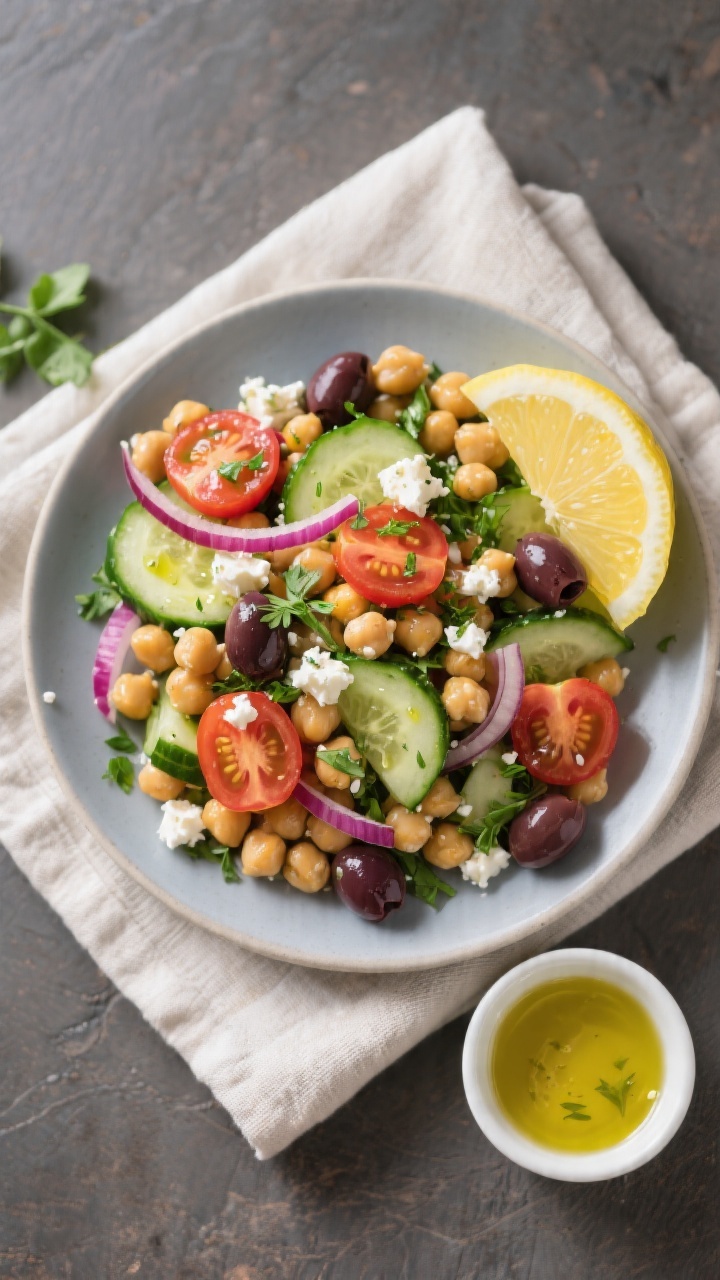
- Mediterranean Chickpea Salad: Chickpeas, cucumber, cherry tomatoes, red onion, olives, parsley, and feta. Dress with olive oil, lemon, oregano, salt, and pepper.
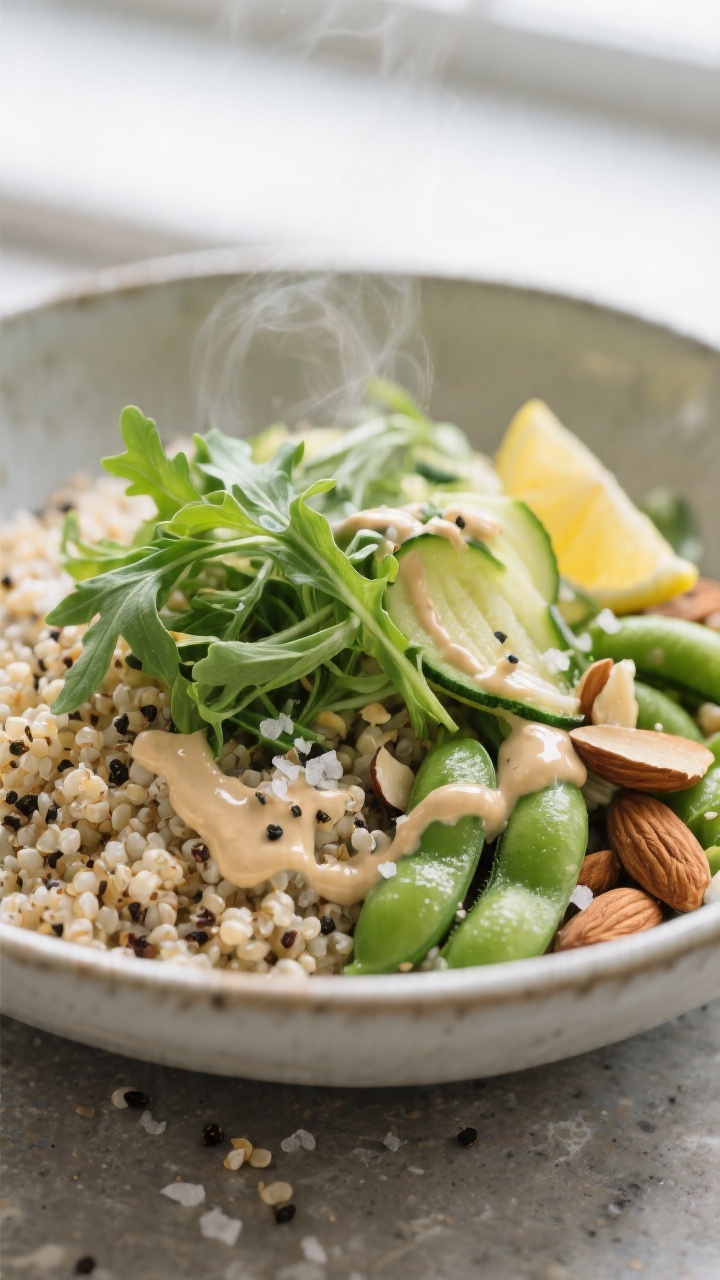
- Lemony Quinoa Bowl: Quinoa, arugula, shaved zucchini, edamame, toasted almonds, and a lemon–tahini dressing. Add chicken or tofu for extra protein.
- Tuna and White Bean Toss: Canned tuna, cannellini beans, celery, capers, and parsley with a Dijon–lemon vinaigrette.Serve over greens or in a pita.
- Caprese with a Twist: Cherry tomatoes, mozzarella pearls, basil, and peaches or nectarines. Drizzle with balsamic and olive oil; add prosciutto if you like.
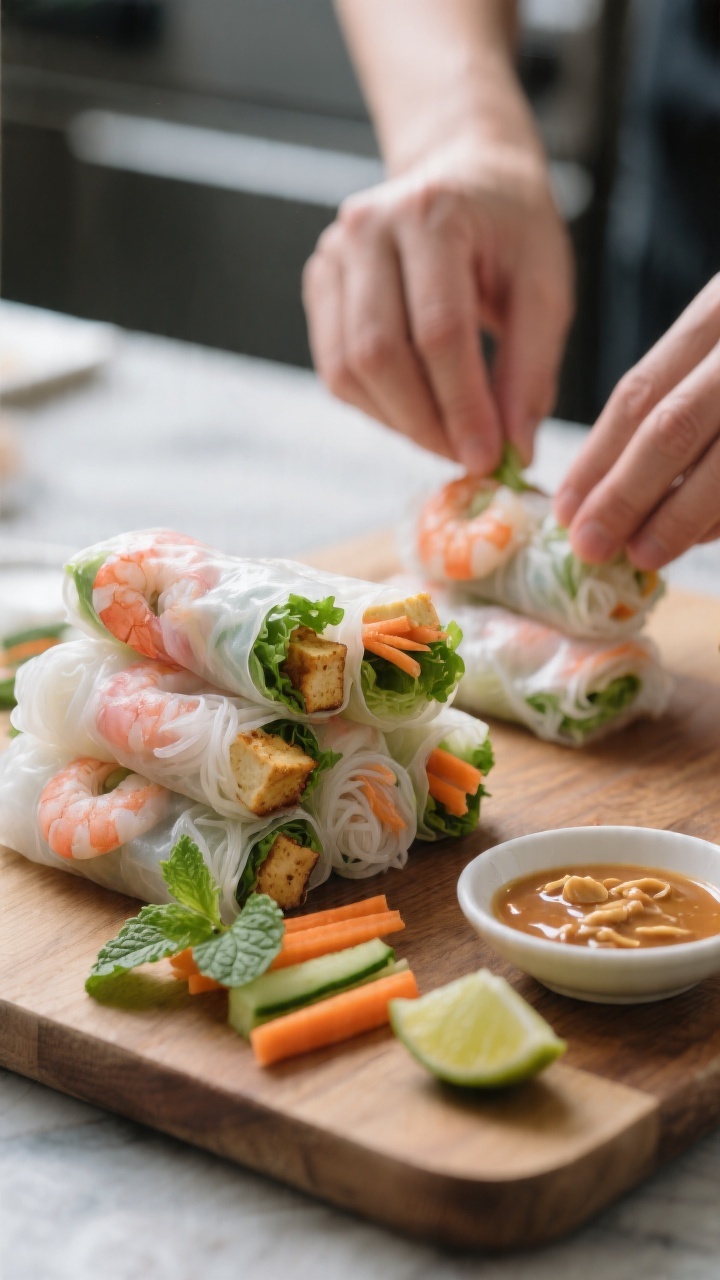
- Vietnamese-Inspired Rice Paper Rolls: Rice paper, vermicelli, shrimp or tofu, lettuce, cucumber, carrots, and mint. Serve with a lime–fish sauce dip or peanut sauce.
- Greek Yogurt Chicken Salad: Shredded chicken, Greek yogurt, Dijon, lemon, celery, grapes, and almonds.Spoon into lettuce cups or wrap in a tortilla.
- Soba Noodle Salad: Soba, edamame, red cabbage, scallions, sesame seeds, and a soy–ginger dressing. Great cold and packs well.
FAQ
How do I keep salads from getting soggy?
Layer smartly: dressing at the bottom, then sturdy veggies and proteins, with greens on top. Toss right before eating.
Or pack dressing separately and add at the last minute.
What proteins work best for hot days?
Choose options that taste good cold: rotisserie chicken, canned tuna or salmon, tofu, chickpeas, edamame, and boiled eggs. They hold texture and flavor straight from the fridge.
Can I make these lunches gluten-free?
Yes. Use gluten-free grains like quinoa or rice, gluten-free wraps, and tamari instead of soy sauce.
Double-check labels on dressings and condiments.
How do I build a balanced lunch bowl?
Use a simple formula: half veggies, a quarter protein, a quarter grains, plus a small amount of healthy fat. Finish with a punchy dressing and something crunchy.
What’s an easy dressing I won’t get tired of?
Try a lemon–Dijon vinaigrette: 3 parts olive oil, 1 part lemon juice, 1 teaspoon Dijon, a small squeeze of honey, salt, and pepper. Shake well and adjust to taste.
Any no-cook ideas for very hot days?
Yes.
Cottage cheese with tomatoes and cukes, caprese with fruit, hummus plates with veggies and pita, and tuna-and-bean salads all require zero cooking.
In Conclusion
Summer lunches should feel easy, fresh, and satisfying. With a few good staples—crisp veggies, a fast protein, a tasty dressing—you can throw together cool meals that actually energize you. Prep a couple of components, keep them chilled, and mix and match all week.
Light doesn’t mean boring; it means bright flavors, crisp textures, and lunches you’ll look forward to, even on the hottest days.
Printable Recipe Card
Want just the essential recipe details without scrolling through the article? Get our printable recipe card with just the ingredients and instructions.