Warm weather calls for pasta that feels fresh, bright, and easy. Think ripe tomatoes, crisp veggies, citrus, and herbs tossed with noodles that don’t weigh you down. These summer pasta ideas lean on simple ingredients and quick cooking, so dinner stays cool and stress-free.
Whether you’re packing a picnic, feeding a crowd, or building a fast weeknight meal, these dishes bring sunshine to your plate. Use what’s in season, keep it colorful, and let the ingredients do the work.
What Makes This Recipe So Good
- Fresh, seasonal flavor: Summer produce—tomatoes, basil, zucchini, corn, and lemons—adds big taste without heavy sauces.
- Quick and low-effort: Most of the cooking happens in one pot. Sauces are often no-cook or made in minutes.
- Light but satisfying: Olive oil, citrus, and herbs create brightness, while pasta and a bit of cheese give substance.
- Flexible and forgiving: Swap in what you have.These recipes work with different veggies, proteins, and pasta shapes.
- Great hot or cold: Perfect for potlucks, picnics, or make-ahead lunches.
What You’ll Need
Below is a base set of ingredients to create three light and flavorful summer pasta options: a No-Cook Tomato Basil Pasta, a Lemony Zucchini and Corn Orzo, and a Garlicky Shrimp and Arugula Spaghetti. Mix and match as needed.
- Pasta: Spaghetti or linguine, short shapes like farfalle or fusilli, and orzo.
- Fresh produce: Cherry or heirloom tomatoes, zucchini, corn (fresh or frozen), arugula or baby spinach, fresh basil, parsley, lemon (zest and juice), garlic, red onion or shallot.
- Pantry staples: Extra-virgin olive oil, red wine vinegar, salt, black pepper, red pepper flakes.
- Protein options: Shrimp (peeled and deveined), cannellini beans, chickpeas, or grilled chicken (optional).
- Cheese: Fresh mozzarella pearls, feta, or Parmesan.
- Add-ins (optional): Capers, olives, toasted pine nuts or almonds, sun-dried tomatoes.
Instructions
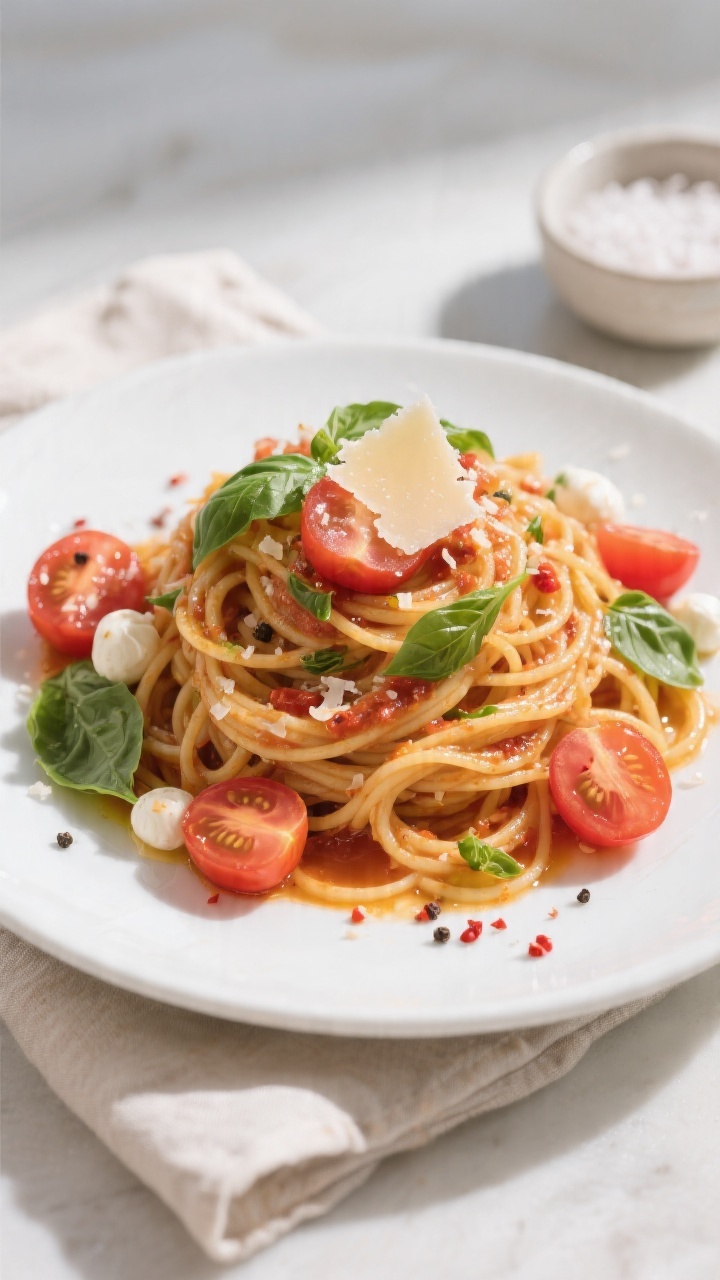
- Cook your pasta right: Bring a large pot of salted water to a rolling boil. Add pasta and cook until al dente according to package directions.Reserve 1 cup of pasta water, then drain.
- Recipe 1 – No-Cook Tomato Basil Pasta:
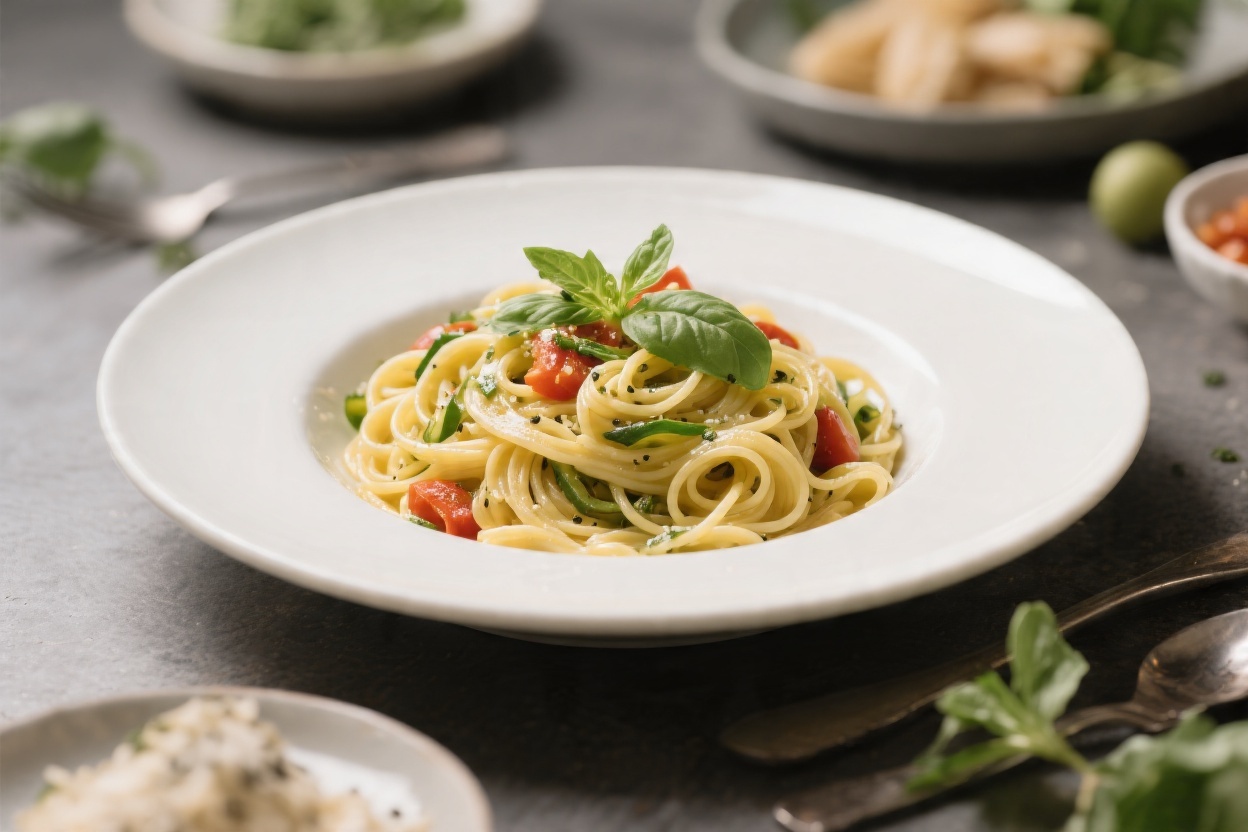
- In a large bowl, combine halved cherry tomatoes, torn basil, minced garlic, a splash of red wine vinegar, and a generous glug of olive oil. Season with salt, pepper, and a pinch of red pepper flakes.
- Let it sit 10 minutes to marinate. Toss with hot spaghetti, adding a little reserved pasta water to help the tomatoes release their juices and create a light sauce.
- Finish with mozzarella pearls or shaved Parmesan.Taste and adjust salt and acid.
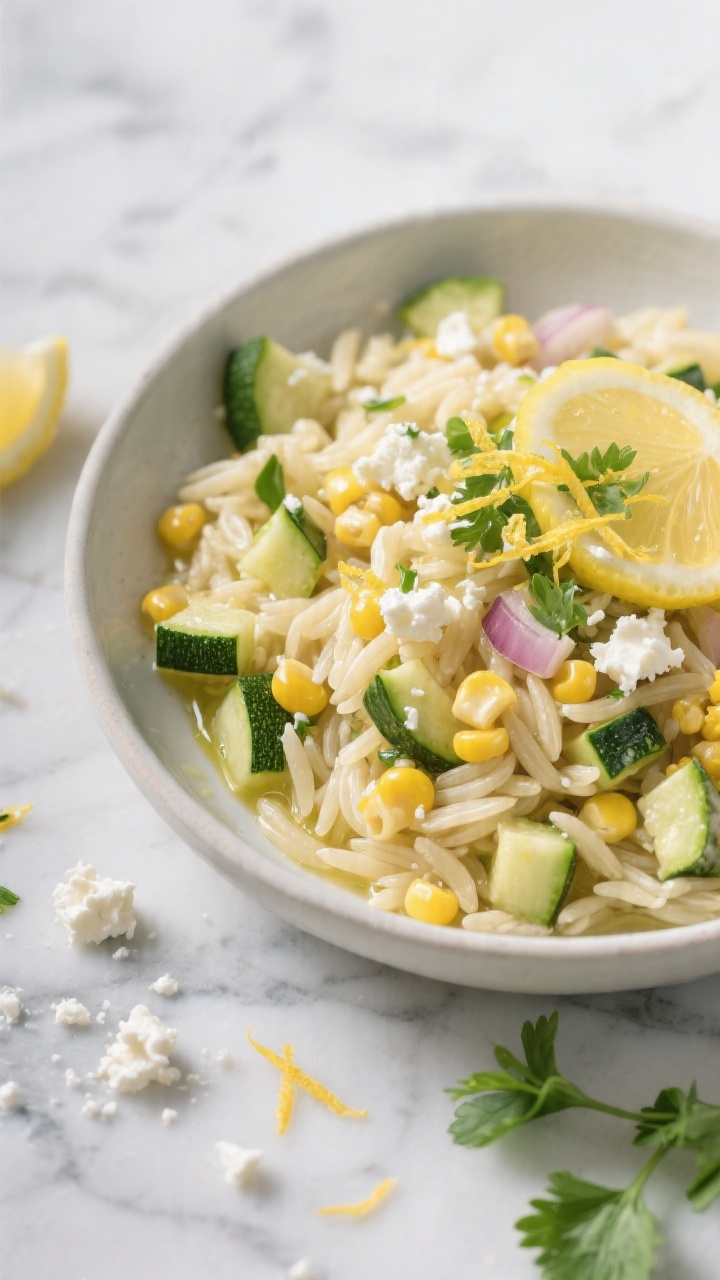
- Recipe 2 – Lemony Zucchini and Corn Orzo:
- In a large skillet, warm olive oil over medium heat. Add diced zucchini and a pinch of salt; cook until just tender, 3–4 minutes. Stir in corn and a minced shallot; cook 2 minutes more.
- Add cooked orzo to the skillet.Stir in lemon zest, lemon juice, and a splash of pasta water to loosen. Fold in chopped parsley and crumbled feta.
- Finish with extra lemon, black pepper, and a drizzle of olive oil.
- Recipe 3 – Garlicky Shrimp and Arugula Spaghetti:
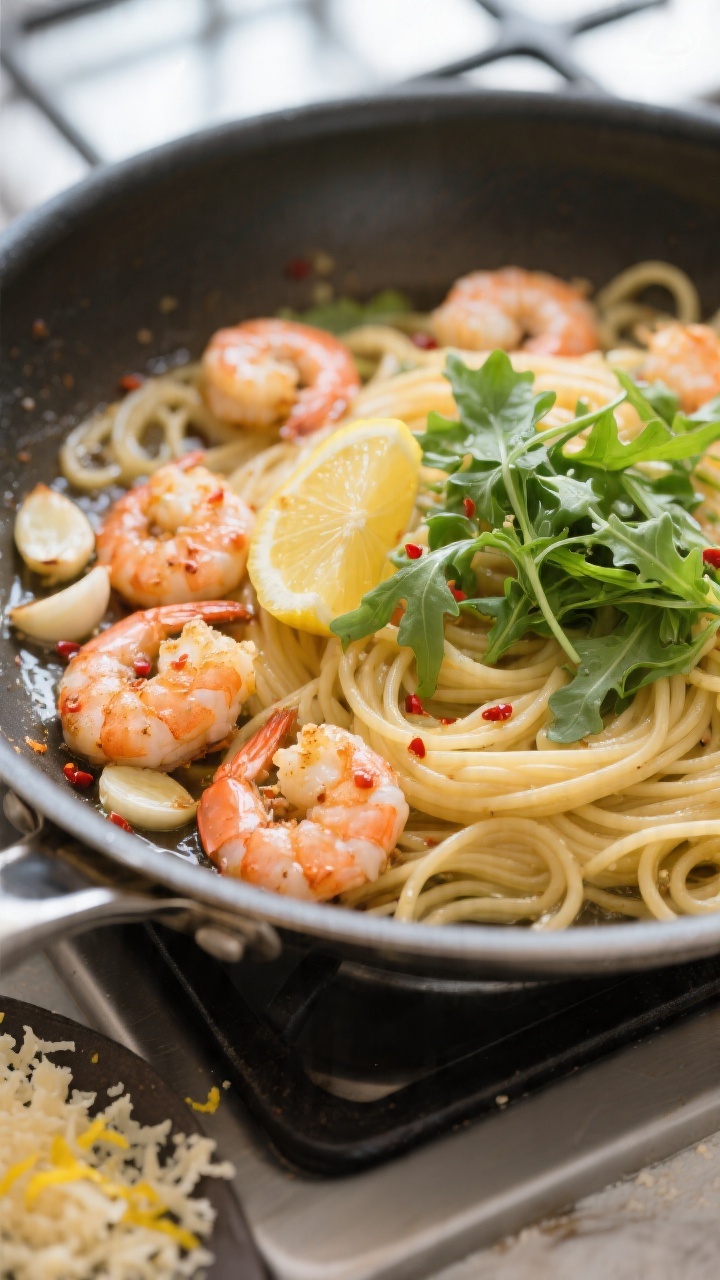
- Pat shrimp dry and season with salt and pepper. In a skillet, warm olive oil over medium.Add sliced garlic and a pinch of red pepper flakes; cook until fragrant, 30 seconds.
- Add shrimp and cook until pink and opaque, 2–3 minutes per side. Squeeze in lemon juice.
- Toss in hot spaghetti and a handful of arugula. Add a splash of pasta water to coat.Finish with grated Parmesan and more lemon.
- Taste and tweak: Adjust salt, acid (lemon or vinegar), and fat (olive oil) to balance. Add fresh herbs just before serving to keep flavors bright.
- Serve: Top with extra herbs, cheese, and a crack of black pepper. Serve warm or at room temperature.
Storage Instructions
- Refrigerate: Store in airtight containers for up to 3 days.Tomato-basil and orzo salads hold especially well.
- Keep it fresh: Add delicate greens like arugula right before serving so they don’t wilt.
- Reheat gently: Warm on low with a splash of water or olive oil, or enjoy cold as a pasta salad.
- Avoid freezing: Fresh veggies and cheese can turn mushy after thawing.
Health Benefits
- Produce-forward meals: Tomatoes, zucchini, corn, and greens add vitamins A and C, fiber, and antioxidants.
- Heart-healthy fats: Olive oil provides monounsaturated fats that support cardiovascular health.
- Lean protein options: Shrimp and beans boost protein without heaviness.
- Balanced energy: Pasta offers steady carbs; pairing with veggies and protein keeps you full and energized.
- Lower sodium control: Cooking at home lets you season to taste without packaged-sauce salt levels.
Common Mistakes to Avoid
- Overcooking pasta: Mushy noodles absorb too much sauce and lose texture. Cook to al dente.
- Skipping the pasta water: That starchy liquid helps bind sauces and adds silkiness. Always reserve some.
- Overloading with cheese or cream: Summer pasta should stay light.Use cheese for finish, not bulk.
- Underseasoning: Fresh produce shines with proper salt, acid, and pepper. Taste as you go.
- Cooking veggies to death: Keep a little bite in zucchini and corn for freshness and snap.
Alternatives
- Pasta swaps: Try whole-wheat spaghetti for more fiber, or gluten-free pasta if needed. Short shapes like rotini or gemelli catch veggies well.
- Protein swaps: Use grilled chicken, canned tuna, or white beans instead of shrimp.For vegan options, go with chickpeas and extra olive oil.
- Dairy swaps: Replace feta or mozzarella with dairy-free alternatives, or add toasted nuts for richness.
- Veggie swaps: Use asparagus, snap peas, roasted peppers, or cucumbers for crunch in cold salads.
- Flavor boosters: Add capers, olives, or sun-dried tomatoes for briny depth; sprinkle with toasted breadcrumbs for texture.
FAQ
Can I make these recipes ahead?
Yes. The tomato-basil and orzo options are great make-ahead dishes. Dress lightly at first, then refresh with olive oil and lemon just before serving.
What pasta shape works best for summer recipes?
Short shapes like fusilli or farfalle are great for chunky veggies and cold salads.
Spaghetti or linguine suits lighter, oil-based sauces and quick sautés.
How do I keep pasta from sticking when served cold?
Rinse cooked pasta briefly under cool water to stop cooking, then toss with a little olive oil. Add dressing while the pasta is slightly warm to help it absorb flavor.
Do I have to use fresh corn and tomatoes?
Fresh is ideal in summer, but frozen corn and good-quality canned cherry tomatoes or sun-dried tomatoes can work in a pinch. Adjust seasoning and add lemon for brightness.
How can I make it spicier?
Add extra red pepper flakes, a sliced fresh chili, or a spoon of Calabrian chili paste.
Taste as you go so the heat doesn’t overpower the fresh flavors.
What if my sauce tastes flat?
Add a pinch of salt, a squeeze of lemon, or a splash of pasta water and olive oil. Often the fix is balancing salt, acid, and fat.
Can I serve these dishes without cheese?
Absolutely. Use more herbs, toasted nuts, or olives for richness.
A drizzle of good olive oil at the end adds body and flavor.
Wrapping Up
Summer pasta should feel easy, bright, and full of fresh flavor. With a few seasonal ingredients and smart techniques—al dente noodles, reserved pasta water, and plenty of herbs—you can build simple dishes that taste like sunshine. Keep it light, trust your taste buds, and don’t overthink it.
These recipes are flexible, fast, and ready for any summer table.
Printable Recipe Card
Want just the essential recipe details without scrolling through the article? Get our printable recipe card with just the ingredients and instructions.